
Introduction
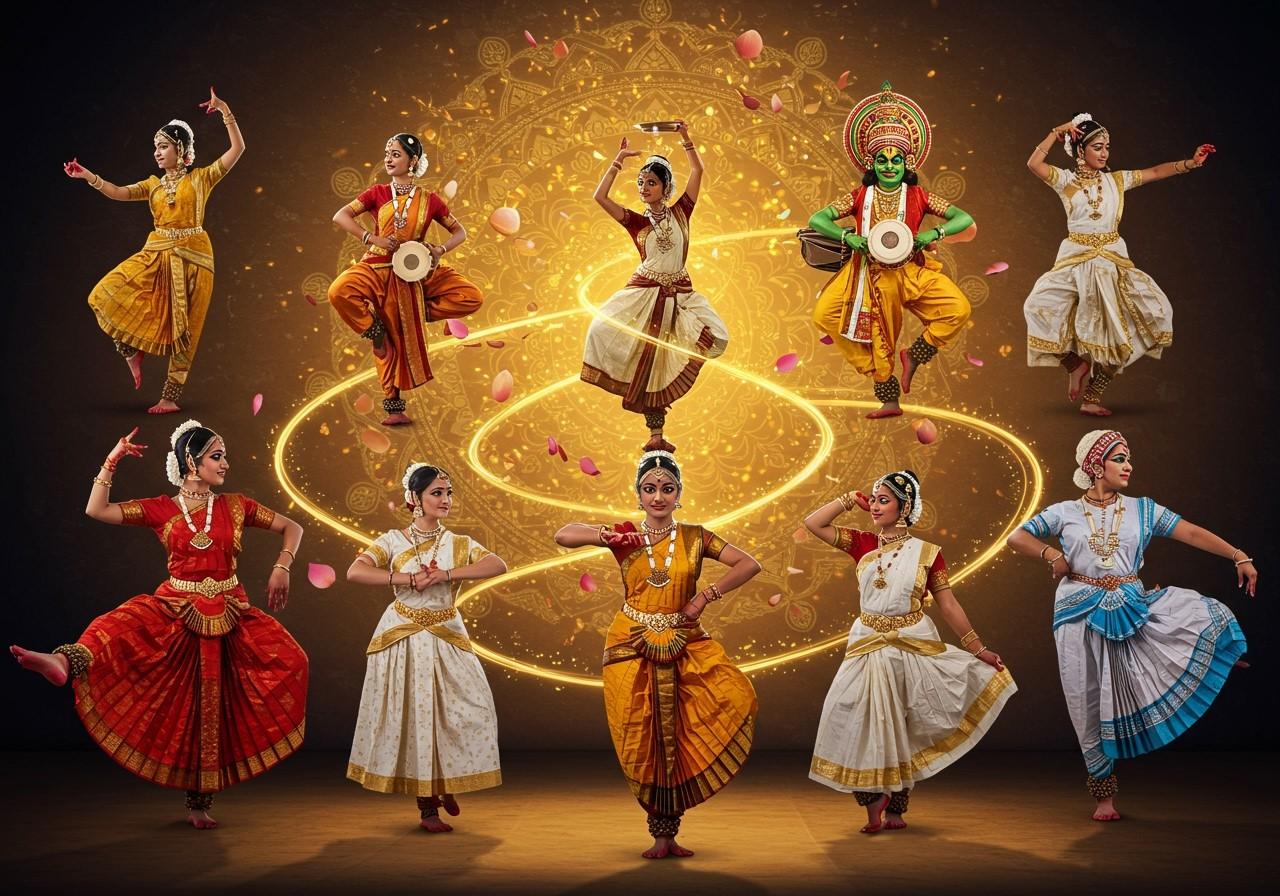
Dances of Our Land celebrates the rich and diverse dance traditions found across India. Every region has its own traditional and folk dances that reflect local culture, festivals, customs, music, history, and community life. Learning about these dances helps students understand the cultural diversity and artistic heritage of their country.
Definition
Dances of Our Land refers to the traditional, folk, and cultural dance forms associated with different regions and communities of a country. These dances are often passed from one generation to another.
Examples of Indian Dances
India has many unique dance traditions, including:
- Bihu – Assam
- Garba – Gujarat
- Bhangra – Punjab
- Ghoomar – Rajasthan
- Lavani – Maharashtra
- Nati – Himachal Pradesh
- Rouf – Kashmir
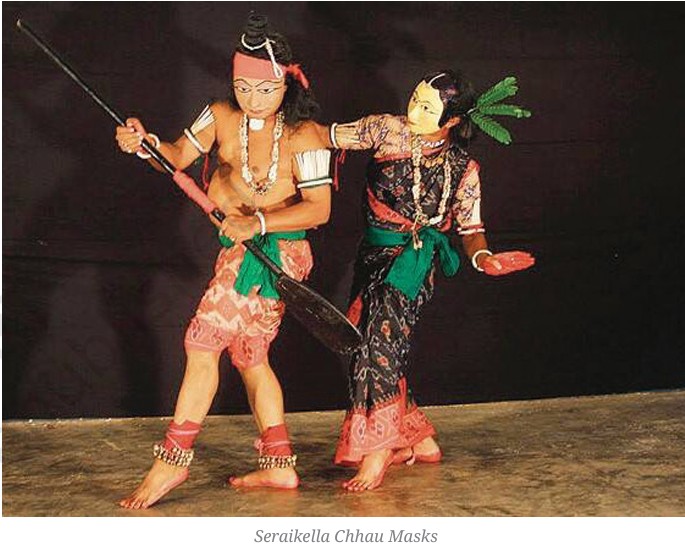
- Chhau – Eastern India
- Karma – Central and Eastern India
- Dandiya Raas – Gujarat
Let’s start our dance journey! Get ready to put on your dancing bells and dive into the world of dance!
Dances of Our Land: Exploring Local Rhythms and Movements
This chapter is all about discovering the great dance forms that make our country colourful and lively.
Let’s take a closer look at the dance forms that are present in your surrounding.
In this activity, you are going to discover the dances that belong to your region. From the rich traditional loka nrityas to the energetic beats of local celebrations, these dances are deeply rooted in our society.
Get ready to discover the dance forms that exhibit the spirit of your region, and make the dance floor come alive with rhythm and joy!
Importance of Dances of Our Land
Traditional dances help:
- Preserve cultural heritage.
- Connect young people with traditions.
- Promote cultural diversity.
- Encourage community participation.
- Develop rhythm and coordination.
- Strengthen cultural identity.
- Encourage creativity and self-expression.
1: Exploring Regional Dances
Exploring Regional Dances is a fascinating journey into the cultural diversity of different regions. Regional dances reflect the traditions, festivals, history, lifestyle, music, and beliefs of communities. By learning about these dances, students can understand how movement and music preserve cultural heritage and bring communities together.
Examples of Indian Regional Dances
India is home to numerous regional dance traditions, including:
- Bihu – Assam
- Garba – Gujarat
- Bhangra – Punjab
- Ghoomar – Rajasthan
- Lavani – Maharashtra
- Nati – Himachal Pradesh
- Rouf – Kashmir
- Chhau – Eastern India
- Karma – Central and Eastern India
- Dandiya Raas – Gujarat
Benefits
Exploring regional dances helps students:
- Develop cultural awareness.
- Appreciate India’s diversity.
- Improve observation skills.
- Develop rhythm and coordination.
- Build confidence.
- Encourage creativity.
- Develop teamwork.
- Understand traditional heritage.
- Respect different cultural practices.
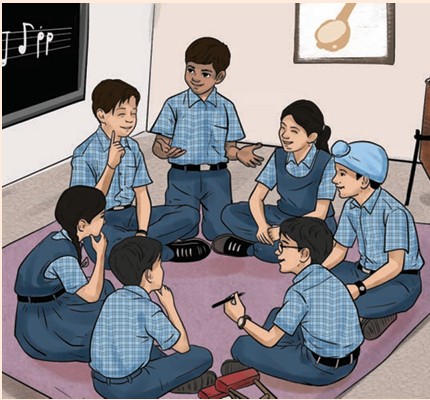
List out the names of different regional dances in your region. Discuss it with your friends, parents and teachers.
Choose any regional dance and conduct a field trip to visit the local artists. You can also watch their videos.
If possible, conduct a small workshop with them, and find out the ideas and purpose behind the local dance form.
Try to learn the postures, gestures and the graceful movements of the same.
In this way, you can have an exciting journey of your own regional dance forms.
Observe the splendid swirls, beautiful twists, magnificent movements, graceful steps, colourful costumes and cathartic emotions of the dance which is a bundle of positive energy.
Examples
The method of recording observations of the dance form during a field trip.
Garba Dance from Gujarat
A. Introduction
This dance form is performed during the festival of Navaratri wherein Goddess Durga is worshipped. This dance is a celebration of culture and tradition along with the exhibition of community spirit and togetherness.
B. Characteristics of Dance
• Vibrant movements. and
• Rhythmic clapping. energetic
• Circular patterns created by dancers moving in concentric circles.
C. Accompaniments
• Traditional folk music.
• Instruments like dhol (drum), tabla and dandia sticks.
D. Costumes
• Chaniya cholis (gagra) for women.
• Kediyu-kafni (a type of dhoti and kurta) for men.
Exploring Other Dance Forms
Here, you are going to explore the local dance forms of other regions of our country.
In this dance journey, instead of learning a single local dance form, you will also be exploring other dance forms.
2: Exploring other Dance Forms
Exploring Other Dance Forms encourages students to discover different styles of dance beyond the traditional forms they already know. Dance varies across regions, cultures, communities, and time periods. Each dance form has its own movements, rhythm, music, costumes, techniques, and methods of expression. Exploring different styles helps students develop creativity and appreciate the diversity of dance around the world.
Different Types of Dance Forms
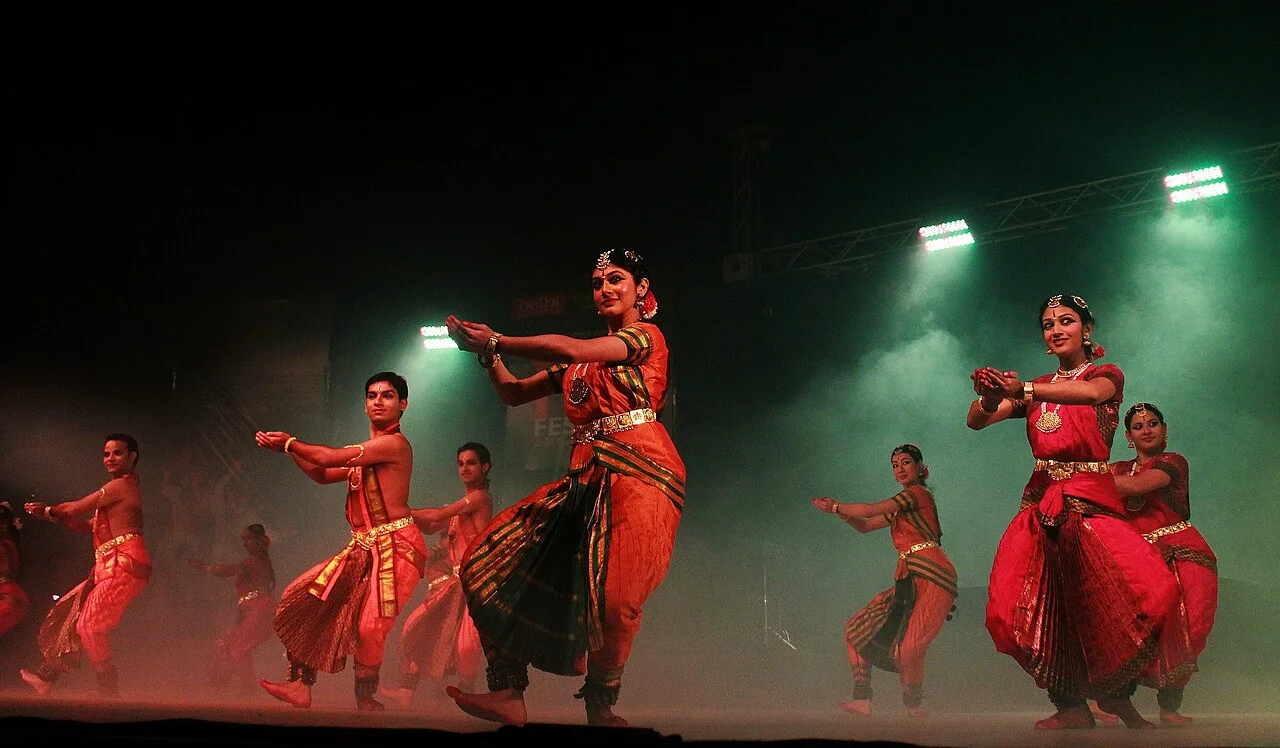
1. Classical Dance
Classical dances follow established techniques, movements, gestures, and traditions.
Classical Dance is a traditional dance form that follows a recognized system of movements, techniques, expressions, rhythm, and performance practices. In India, classical dances are important forms of cultural and artistic expression.
Examples include:
1. Bharatanatyam : –
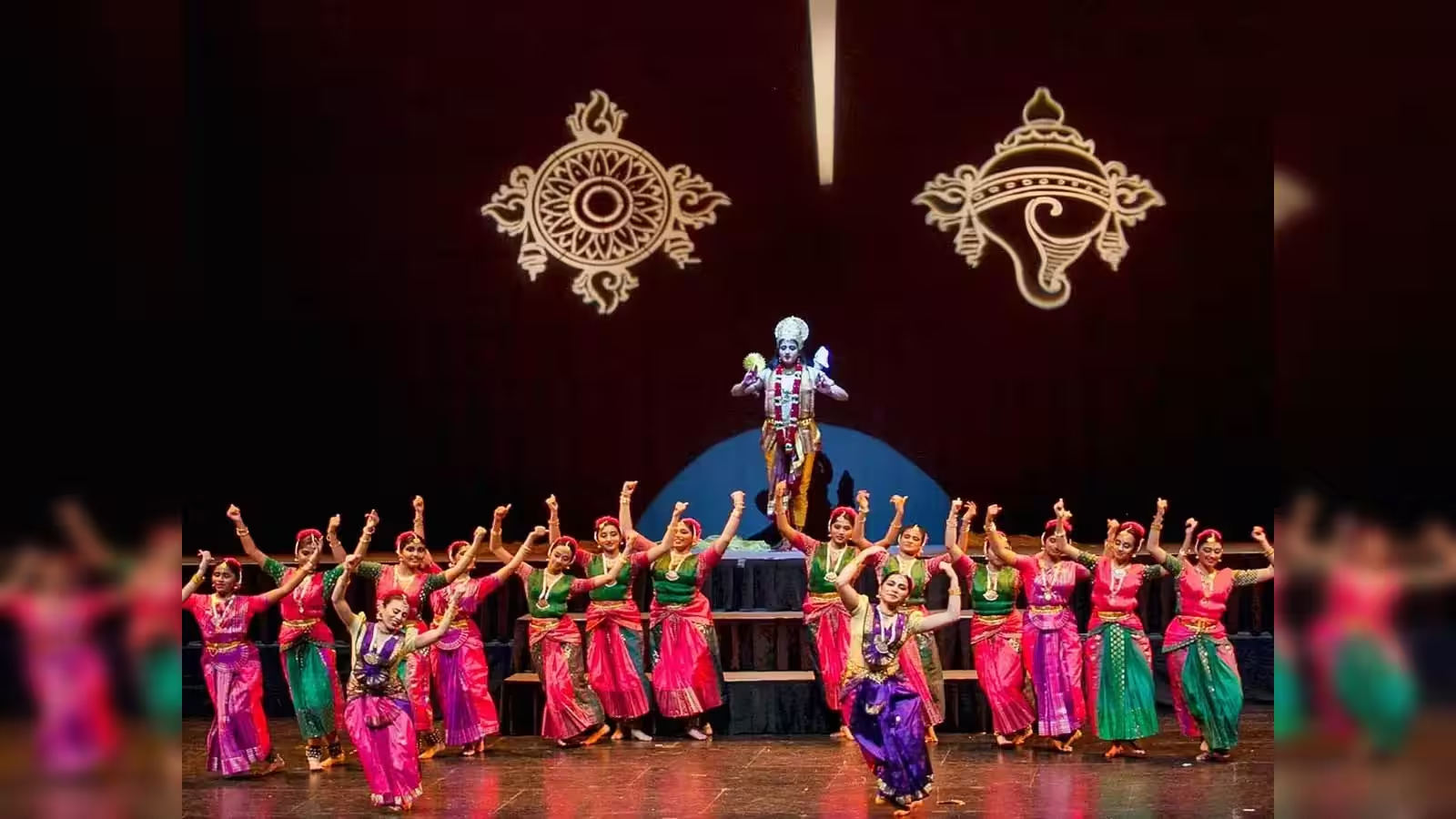
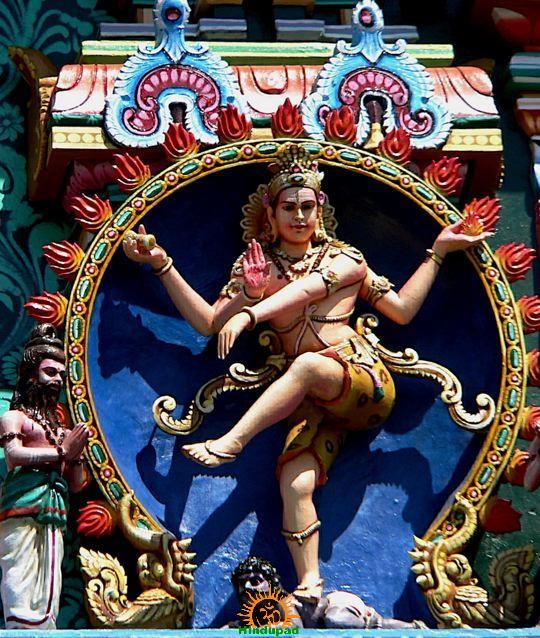
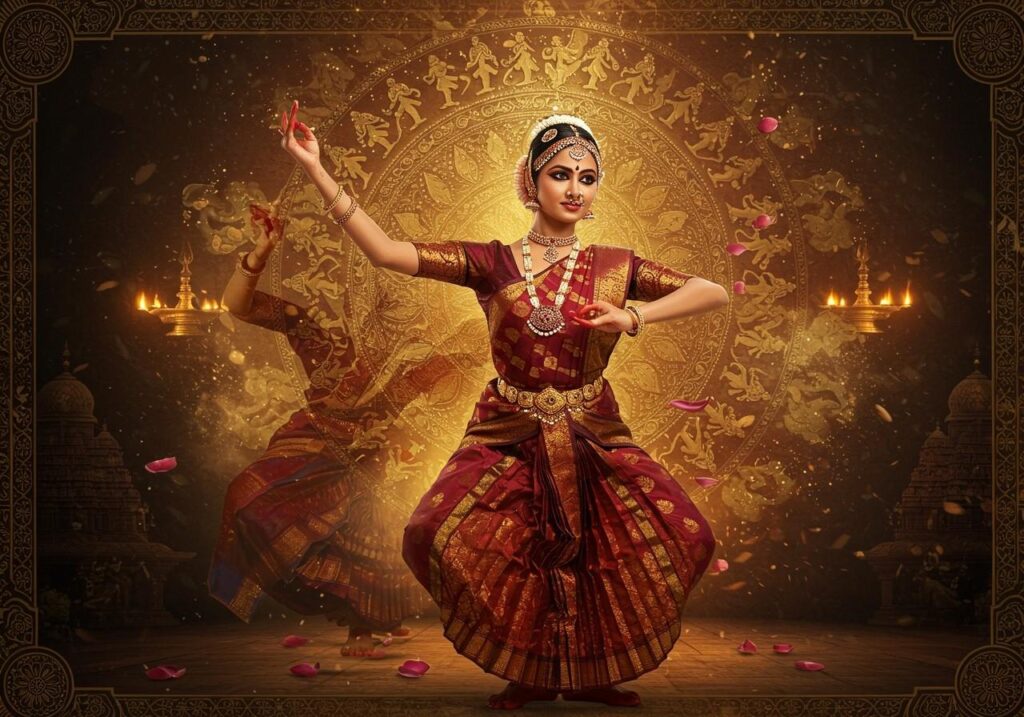
A major Indian classical dance form that originated in the temples of Tamil Nadu. The name comes from the words Bhavam (expression), Ragam (music), Talam (rhythm), and Natyam (dance). It is known for its fixed upper torso, bent legs (aramandi posture), complex footwork, and hand gestures (mudras) used to tell a story.
History and Roots
Origin: Traced back over 2,000 years to the ancient theatrical
text Natya Shastra by Bharata Muni.
Temple Tradition: Historically performed by devadasis (temple dancers)
as a ritual form of worship.
Revival: Suffered a decline during the British colonial period, but
was revived and moved to the public stage in the 20th century.
2. Kathak :-
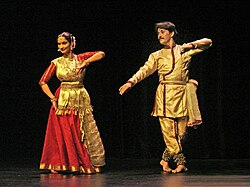
Kathak is a major classical dance of India from the north. Its name comes from “katha,” meaning story. Ancient storytellers called kathakars used song, mime, and dance to share epics. Dancers use fast footwork, spins, and expressive gestures to tell tales.
Key Features and History
Origin: Started in northern India by traveling bards and temple performers.
Mughal Era: Moved to royal courts, adding Persian-inspired graceful turns
and refined grace.
Footwork: Dancers wear ankle bells (ghungroo) and stamp complex
rhythms (taal).
Main Styles (Gharanas): Jaipur (known for fast footwork), Lucknow
(known for expressive acting), and Banaras
3. Kathakali :-
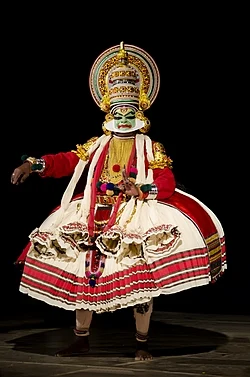
Kathakali is a major classical Indian dance-drama originating from the southern state of Kerala in the 17th century. The name combines the Malayalam words katha (“story”) and kali (“play”). It is famous for heavy athletic movement, striking colorful makeup, and large face masks that tell epic tales without spoken words.
Origins and Themes
– Evolved from older temple arts and the martial art Kalaripayattu.
– Based on Hindu epics like the Ramayana and Mahabharata.
– Focuses on the eternal fight of good versus evil.
Performance Style-
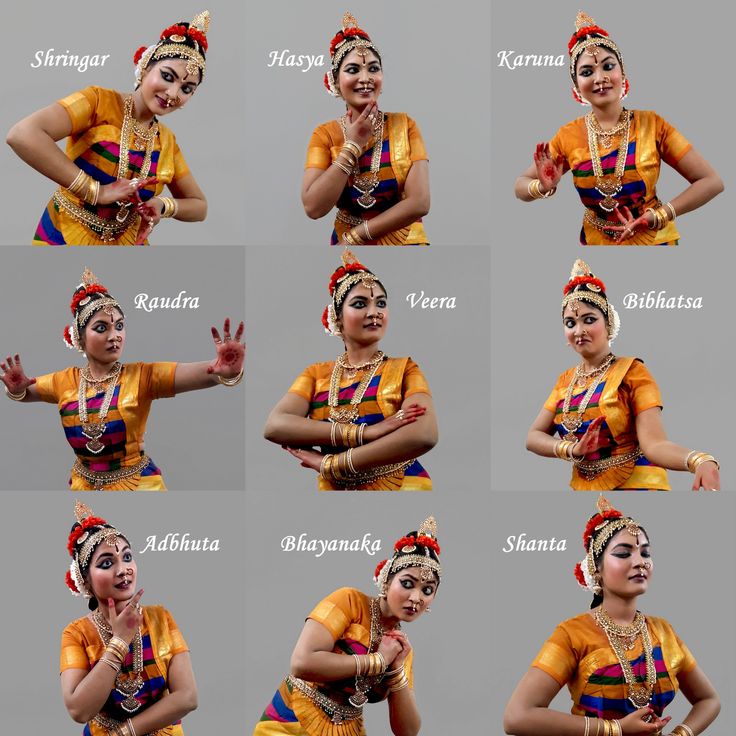
i.} Actors use 24 main hand gestures (mudras) and precise eye movements to show
nine key emotions (navarasas).
ii.} Accompanied by live vocalists and heavy drums like the chenda and maddala.
4. Odissi :-
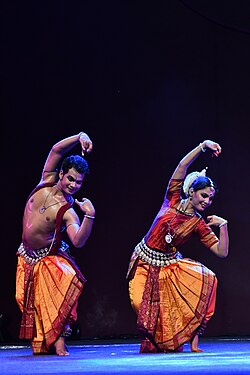
Odissi is one of the principal classical dance forms of India, originating in the eastern state of Odisha. Rooted in ancient temple rituals, it is famous for its lyrical grace, fluid upper-body movements, and signature sculptural postures that bring ancient stone carvings to life.
Origins and History
- Temple Roots: Traced back over 2,000 years with early sculptural evidence in the Udayagiri and Khandagiri caves.
- Historical Traditions: Developed through the Mahari (temple dancers), Nartaki (court dancers), and Gotipua (young boys dressed as girls who preserved the art) traditions.
- Modern Revival: Reconstructed and brought to global prominence in the mid-20th century by pioneering gurus like Kelucharan Mohapatra and Pankaj Charan Das.
Key Postures and Techniques
- Chowk: A masculine, square-like stance representing balance, stability, and geometric symmetry.
- Tribhanga: A graceful, signature three-fold bending posture of the body at the neck, torso, and knees.
- Abhinaya: The use of facial expressions, hand gestures (mudras), and eye movements to narrate devotional poetry, especially Jayadeva’s Gita Govinda.
5. Kuchipudi :-
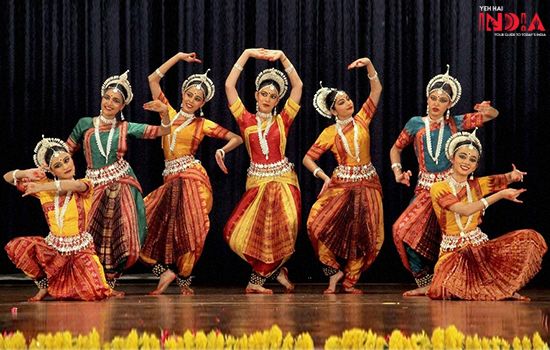
Kuchipudi is a major classical dance-drama form from India. It originated in the village of Kuchipudi in the Krishna district of Andhra Pradesh. The art blends fast rhythmic footwork, dramatic storytelling, expressive acting, and Carnatic music.
History and Origins
- Roots trace back to ancient Hindu texts on performing arts like the Natya Shastra.
- Developed through traveling actor groups called Bhagavathalu who performed temple rituals.
- Shaped in the 17th century by the poet Siddhendra Yogi, who structured the modern tradition.
- Traditionally performed only by male troupes, but now open to all genders.
Key Features of the Dance
- Combines Nritta (pure dance), Nritya (expressive mime), and Natya (drama).
- Uses Carnatic vocal and instrumental music, usually sung in Telugu.
- Features Tarangam, where the dancer balances on the edges of a brass plate while doing complex rhythms.
6. Manipuri :-
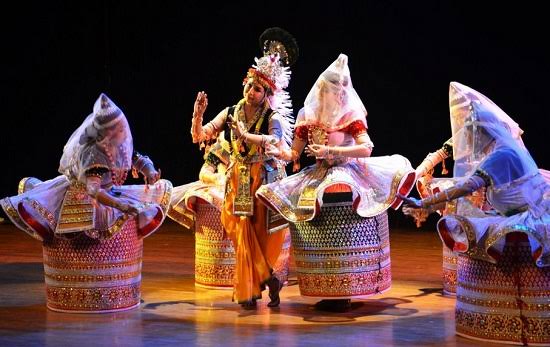
A Tibeto-Burman language, the official language of Manipur, India, and one of the country’s 22 scheduled languages. The term also refers to the Meitei ethnic majority, their cultural traditions, and classical dance style.
7. Mohiniyattam :-
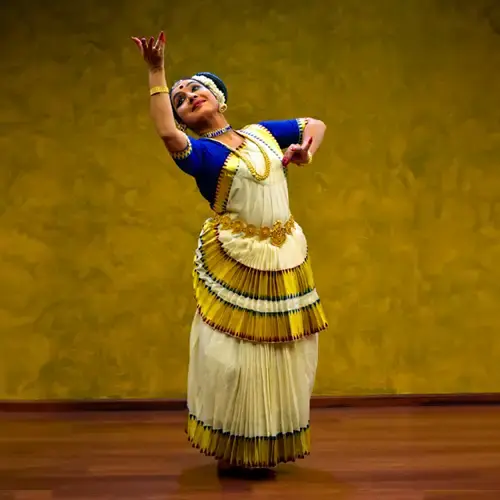
Mohiniyattam is a graceful classical Indian dance from Kerala, named after Mohini, the enchanting female avatar of Lord Vishnu. Known for gentle, flowing movements and expressive eye gestures, it traditionally highlights themes of love and devotion using a distinctive white and gold costume.
Dance Features and Style
- Meaning: Dance of the enchantress.
- Movements: Soft, swaying steps that mimic the gentle ripples of Kerala’s backwaters.
- Costume: Off-white kasavu saree with gold borders, paired with gold ornaments and fresh jasmine flowers.
- Music: Accompanied by classical vocal music, cymbals, mridangam, and the edakka drum.
8. Sattriya :-
Sattriya is a major Indian classical dance originating from the state of Assam. It was founded in the 15th century by the saint and reformer Srimanta Sankaradeva as a devotional medium to spread Neo-Vaishnavite teachings. Recognized as a classical dance by the Sangeet Natak Akademi in 2000, it features graceful movements rooted in ancient texts.
Origin and History
- Created in Sattras: Developed inside Vaishnavite monasteries (sattras) in Assam.
- Monastic Tradition: Traditionally performed only by male monks (bhokots) as daily ritual devotion.
- Theatrical Roots: Originally part of one-act plays (Ankiya Nat) and devotional performances (Bhaona).
- Modern Era: Transitioned to public and global proscenium stages performed by both men and women.
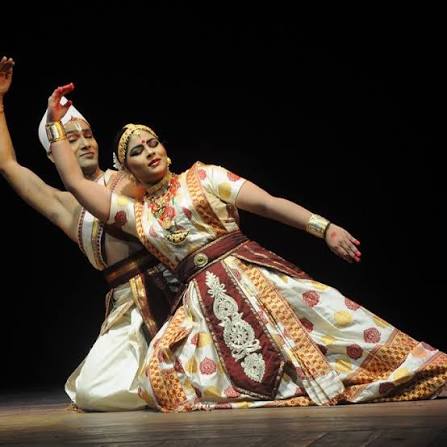
Key Features and Style
- Themes: Centers on the lives and stories of Lord Krishna, Lord Rama, and other avatars of Vishnu from epics like the Ramayana and Mahabharata.
- Dance Dynamics: Combines Nritta (pure abstract dance), Nritya (expressive interpretative dance), and Natya (dramatic element).
- Stance and Posture: Utilizes unique stances like ora and circular footwork patterns (mandala gati).
- Styles: Divided into Paurashik Bhangi (vigorous, masculine tandava) and Stri Bhangi (graceful, feminine lashya).
2. Folk Dance
Folk dances are connected with communities, festivals, celebrations, occupations, and local traditions.
Examples include:
i. Bihu :- Energetic, youthful folk dance performed to the beat of the dhol (drum),
pepa (hornpipe), and gagana.
ii. Garba :- A traditional, joyful folk dance from Gujarat, India, performed in circles around a central lamp or image of the Goddess Durga during the nine-day festival of Navaratri. It celebrates the divine feminine energy (Shakti) and the continuous cycle of life.
iii. Bhangra :- A high-energy folk dance and music style from the Punjab region of India and Pakistan. It started as a seasonal celebration for the spring harvest festival, Baisakhi. Today, people dance to it at weddings, parties, and cultural events all over the world.
iv. Ghoomar :- a traditional folk dance of Rajasthan, India. Women wear long, flowing skirts called ghaghara and spin in circles. The Bhil tribe started this dance to pray to Goddess Saraswati. Later, royal Rajput communities adopted the art form.
v. Lavani :- a traditional genre of music and fast-paced dance from Maharashtra, India, performed to the powerful rhythm of the dholki drum. Dancers typically wear nine-yard nauvari sarees, and the art form combines traditional folk song, dance, and theater.
vi. Nati :- Nati is a popular traditional folk dance originating from the hill state of Himachal Pradesh, India. It is recognized in the Guinness Book of World Records as the largest folk dance in the world for its massive community participation during festivals.
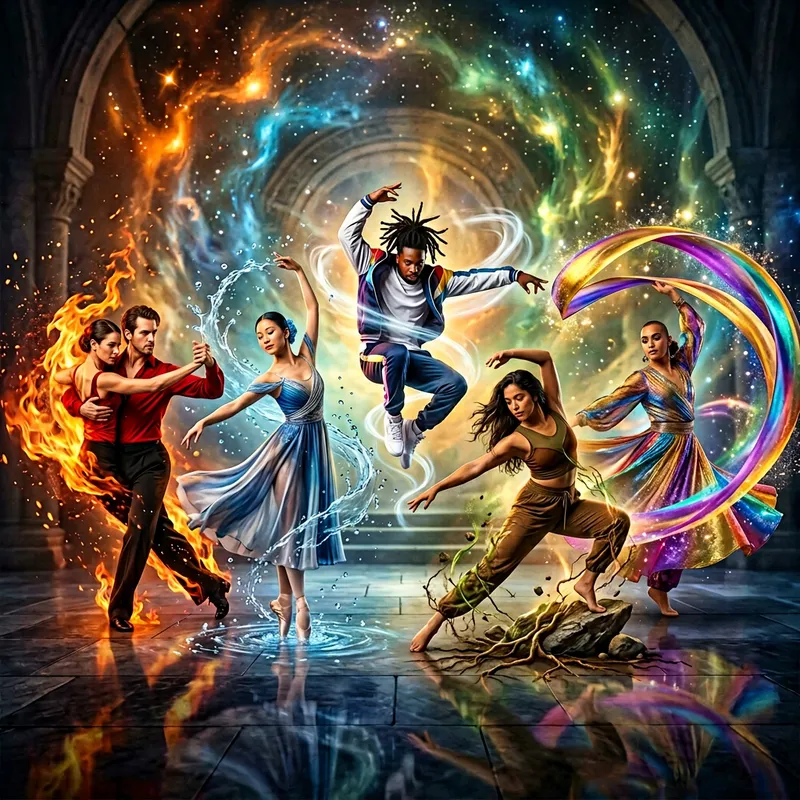
3. Contemporary Dance
Contemporary dance allows dancers to explore modern movement, emotions, space, balance, and creative ideas. It often combines different movement techniques.
4. Western Dance Forms
Students can explore styles such as:
- Tap
- Hip-hop
- Modern dance
- Ballet
- Jazz
- Ballroom dance
5. Social Dance
Social dances are generally performed for interaction, recreation, celebrations, or community gatherings. They encourage participation and coordination with others.
Watch videos of other regional dance forms. Come on … sit together and have a fruitful discussion regarding the dances of other regions.
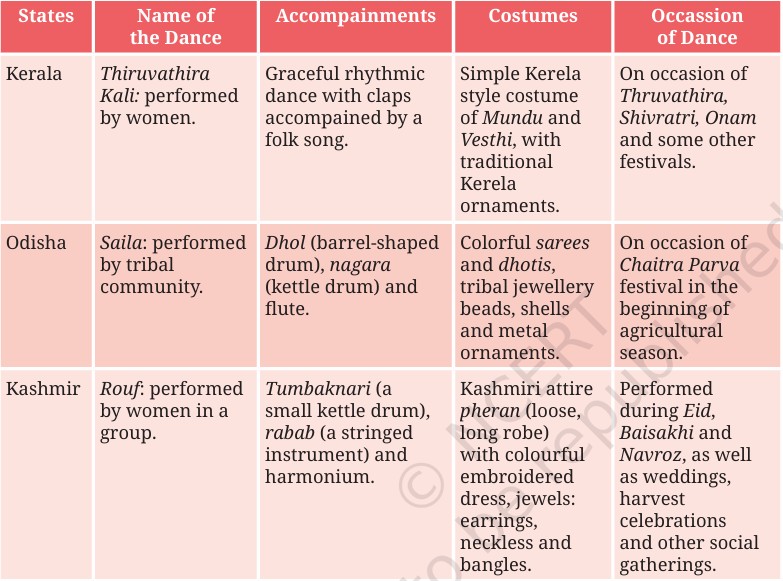
List down the states of our country with their respective dance forms. Some of the states have been shown here as an illustration. You can arrange the information on different dance forms of various regions in a tabular form. Amazing! Well done. Let’s move to the next level of our dance journey.
3: Comparison of Regional Dance Forms
Comparison of Regional Dance Forms is an educational activity that helps students understand the similarities and differences between traditional and folk dances from different regions. Every dance form has its own movements, music, costumes, rhythm, cultural background, and purpose. Comparing these features helps students appreciate India’s rich cultural diversity.
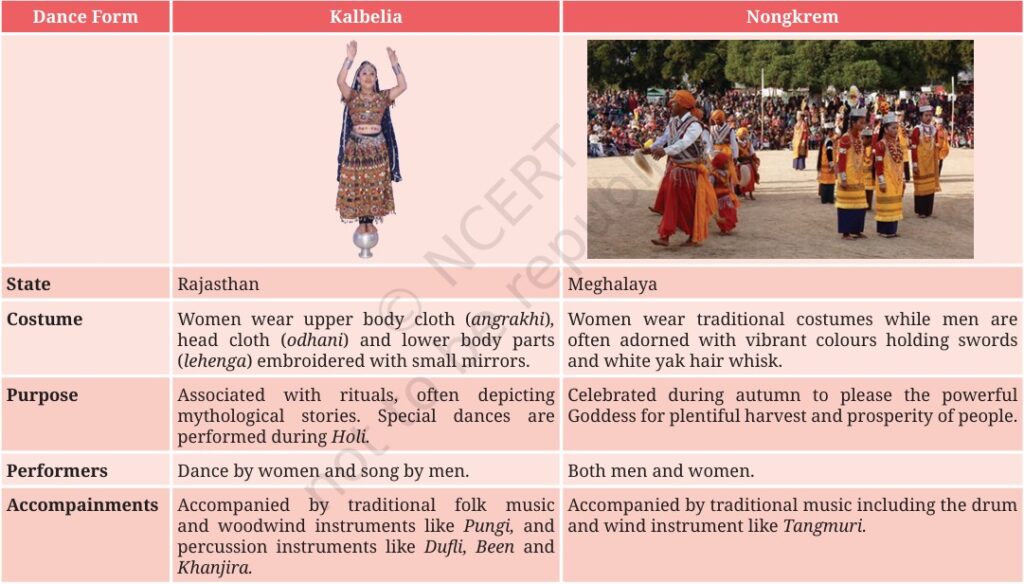
Suppose you belong to Rajasthan and choose the local Kalbelia dance form. Now, compare this with another local dance called Nongkrem dance of Meghalaya.
Create a Comparative Chart as shown below —
4: Project on Regional Dance Form
A Project on Regional Dance Form is an engaging activity that allows students to research, understand, and present information about a traditional or folk dance associated with a particular region. Regional dances reflect the culture, history, festivals, traditions, music, costumes, and lifestyle of communities. Such projects help students explore India’s rich cultural heritage through creative learning.
Do you remember Activity 1, where a field trip was conducted for studying the local dance forms?
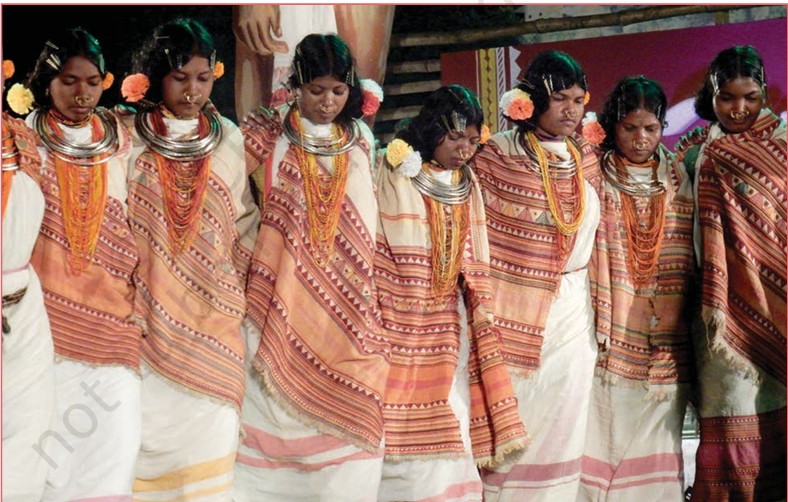
Prepare a project on a local dance form by drawing or pasting related pictures. Choose a folk song (related to dance) and make a note of it. Paste the handmade craft models of jewels belonging to a particular dance form.
Finally, present your project in front of all teachers and friends.
Conclusion
Dances of Our Land represent the colourful cultural heritage of different regions and communities. They preserve traditions, stories, music, celebrations, and ways of life through movement and performance. Learning about these dances helps students appreciate cultural diversity, develop artistic skills, and understand the importance of preserving traditional arts for future generations.