
Introduction
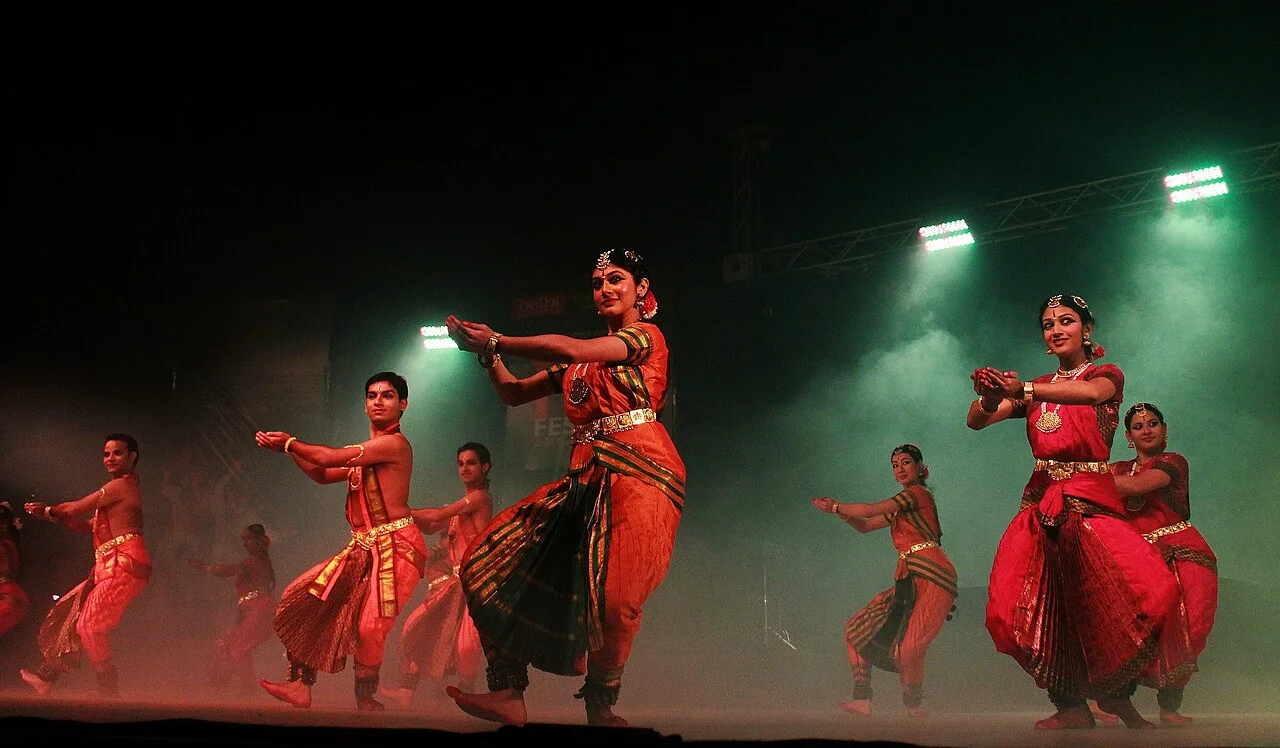
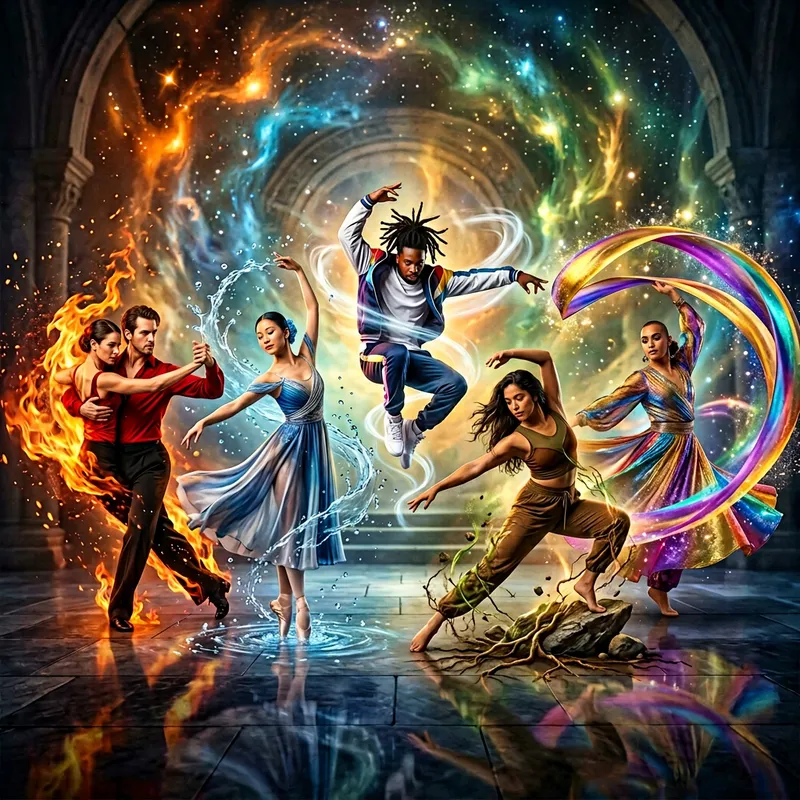
Harmony in Motion explores the beautiful relationship between music, rhythm, movement, and dance. When dancers move together with the same rhythm, timing, and expression, their individual movements become one coordinated performance. Harmony in motion teaches students the importance of teamwork, balance, coordination, listening, and creative expression.
Definition
Harmony in Motion refers to the coordinated movement of one or more dancers in rhythm with music, where body movements, timing, space, and expressions work together to create a balanced and unified performance.
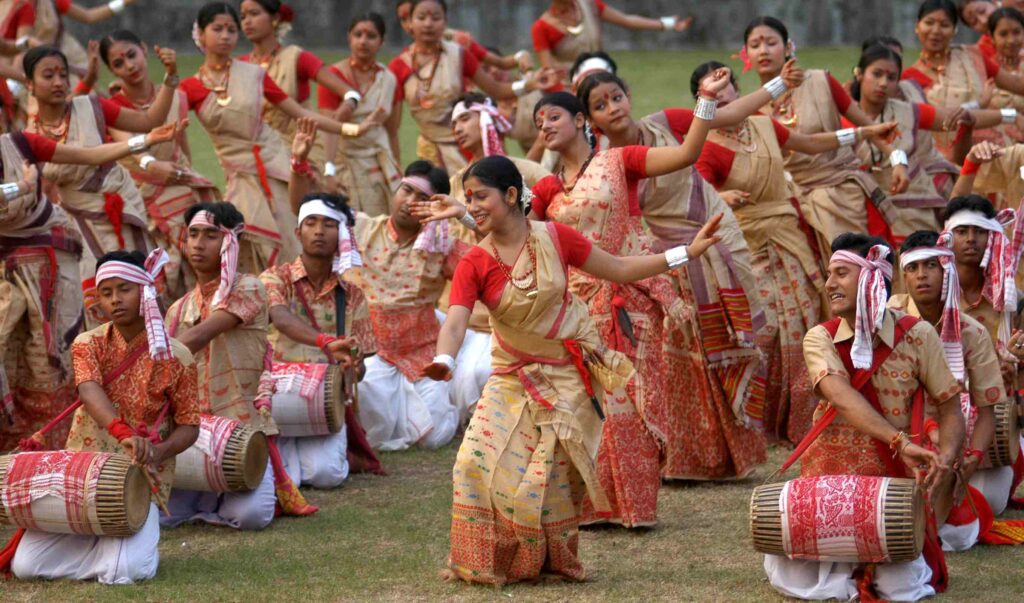
Bihu Dance
Elements of Harmony in Motion
1. Rhythm
Dancers follow the beat and rhythmic patterns of music to maintain synchronization.
2. Coordination
Different body parts work together smoothly, while group members coordinate their movements with one another.
3. Balance
Maintaining balance helps dancers perform movements with control and stability.
4. Timing
Performing a movement at the correct moment creates synchronization between music and dance.
5. Space
Dancers use space carefully through formations, pathways, directions, and levels.
6. Expression
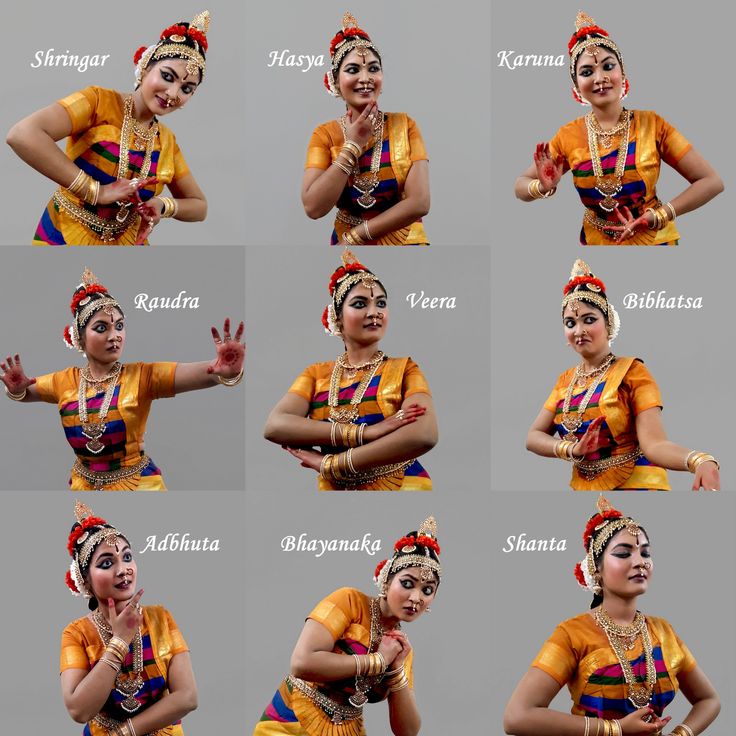
Facial expressions, gestures, and body language help communicate the emotion of the dance.
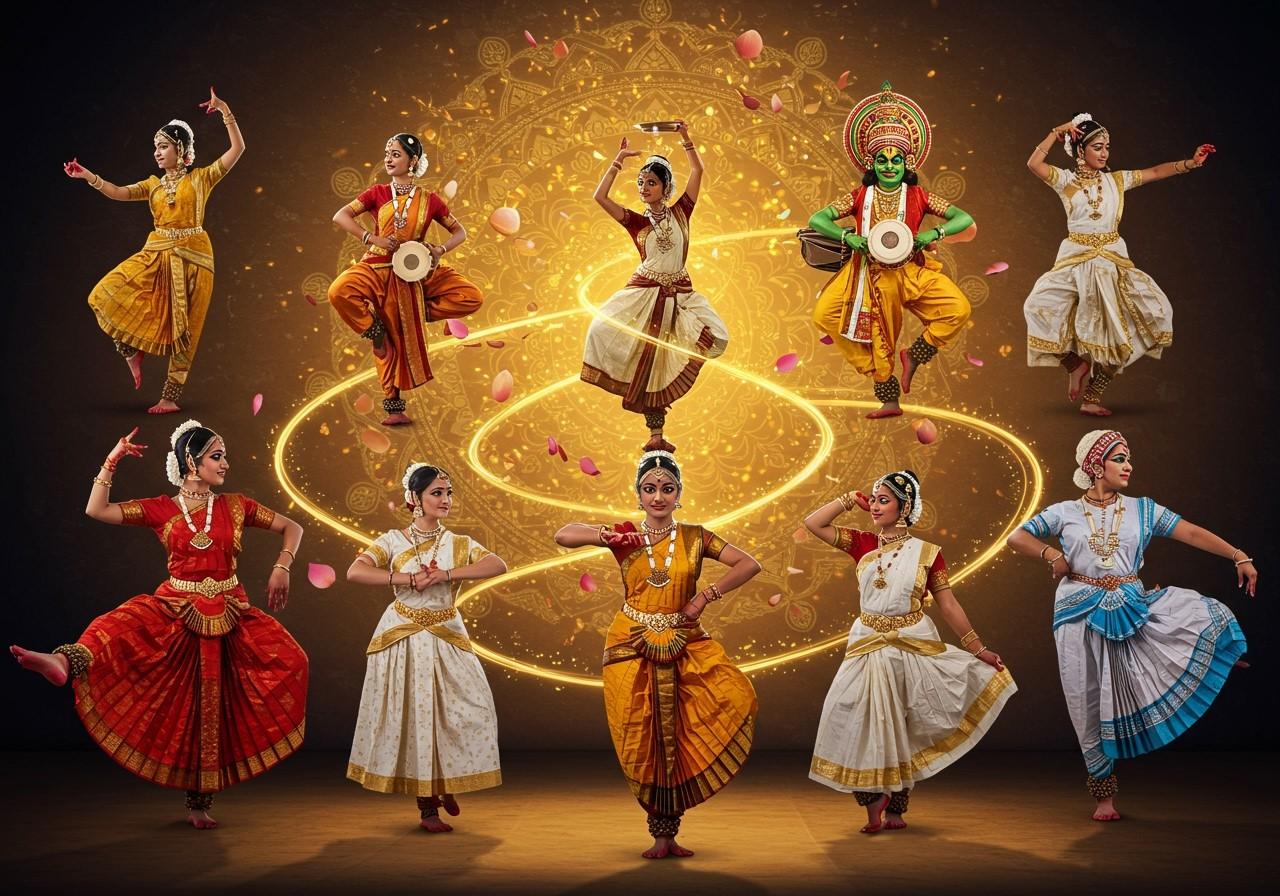
India boasts of a rich tapestry of traditional dances, each deeply rooted in the country’s diverse cultural heritage. These dances are not merely an expression of movement, but also convey stories, emotions and spirituality.
A traditional dance may be shastriya nritya or loka nritya. The variety of dance in our culture spreads different fragrance that are unique in nature.
We have numerous instruments, properties, costumes, languages and cultural beliefs that are performed by several groups of people. Such traditional dances uplift our nation and reinforce societal and moral integrity.
Now, it is your responsibility to preserve and protect our rich cultural heritage of dance.
1: Our Traditional Dance
Our Traditional Dance introduces students to the rich cultural heritage represented through traditional and folk dances. Dance is an important form of cultural expression that reflects the history, customs, festivals, beliefs, lifestyle, and celebrations of communities. Learning traditional dance helps students understand and appreciate the diversity of their own culture and the cultures of others.
Choose any traditional dance of your region and the song related to it. Dance in a rhythm with the instruments used in your region.
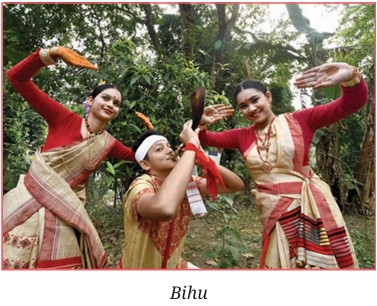
Example 1: Bihu of Assam uses an instrument called dhol and a unique wind instrument made of buffalo horn called pepa.
Example 2: Sidi Dhamal dance is from Gujarat. It uses big drums as an instrument during performance.
Are you ready to perform? Just wait for a moment. Have you discussed what props (if any like pots, sticks, rings …) you will use in your dance?
Do you have an idea of the costumes used in a particular dance that you are going to perform?
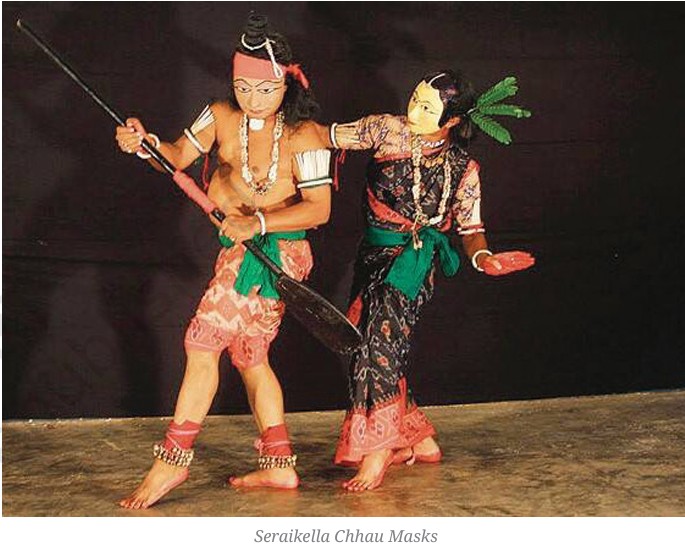
All dances in India are rooted in our cultural heritage. Not only does the dance consist of movement, rhythm, music but also includes costume, prop, make-up and stage position.
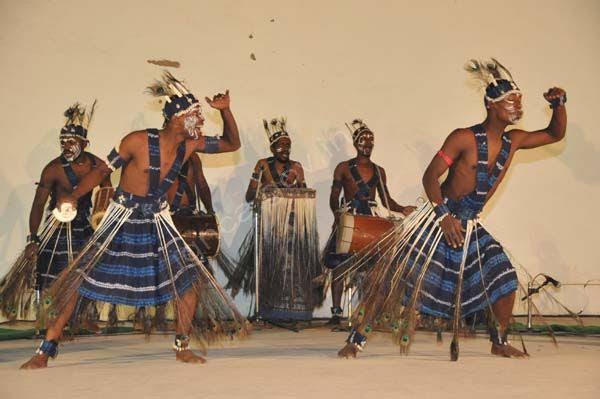
Sidi Dhamal dance from Gujarat
2: Making of Dance Jewellery and Props
Making of Dance Jewellery and Props is a creative activity that combines dance, craft, design, and cultural expression. Jewellery and props are often used to enhance a dance performance by adding visual beauty, character, symbolism, and authenticity. Students can learn how simple and safe materials can be transformed into decorative items suitable for performances.
Discuss with your respective groups about the costumes required for the dance. Try to make it yourself using cardboard, coloured paper, decorative ribbons, etc.
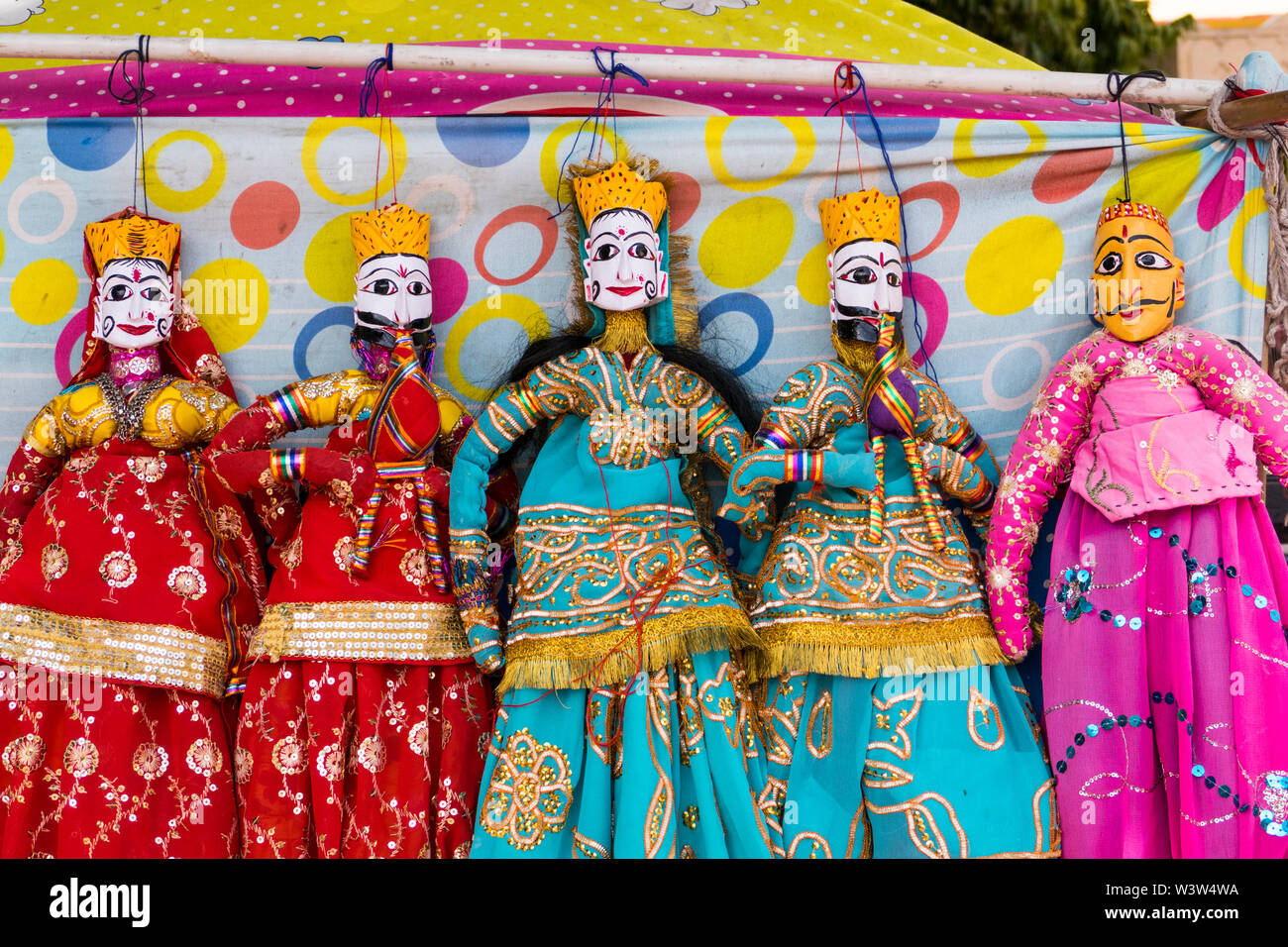
Example: Dance jewellery like a necklace, a head dress, a Hanuman face mask and a queen’s crown.
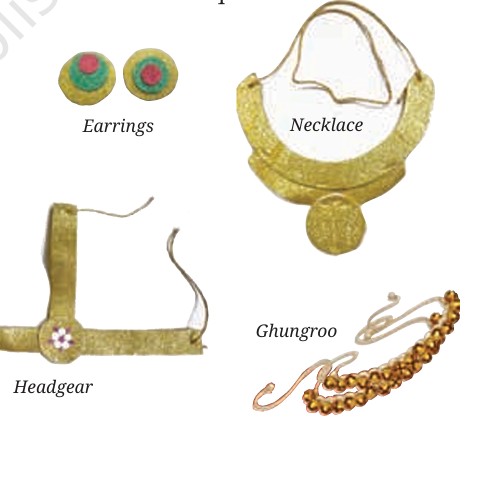
Examples of Dance Jewellery
Dance jewellery may include:
- Necklaces
- Earrings
- Bracelets
- Bangles
- Anklets
- Hair ornaments
- Headpieces
- Waist belts
- Decorative accessories
The exact jewellery used depends on the dance tradition and performance.
Examples of Dance Props
Props are objects handled or used by performers as part of choreography or storytelling. Examples include:
- Fans
- Ribbons
- Flowers
- Scarves
- Colourful sticks
- Decorative lamps
- Umbrellas
- Baskets
- Masks
- Small symbolic objects
3: Knowledge of Performance Space
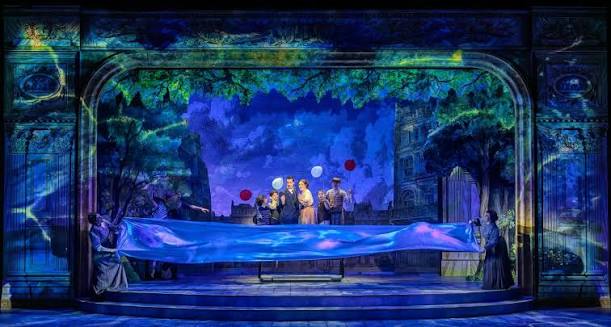
Performance Space is the area in which a dancer or group of performers moves and presents a performance. Knowledge of Performance Space means understanding the size, shape, directions, levels, pathways, formations, and boundaries of that area.
Performance Space and Group Dance
In group dance, spatial awareness is especially important. Every dancer must know their position and pathway. Moving together requires careful attention to timing, distance, direction, and formation.
For example, dancers may begin in a straight line, move into a circle, and then form a diagonal pattern according to the music.
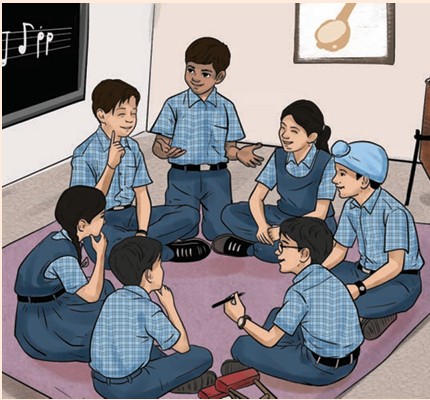
Discuss the following in the class:
• Placing the required props on the stage without distracting the performance.
• Designing costumes that feel comfortable (lifting hands and legs, jumping, flipping, etc.) to dance in.
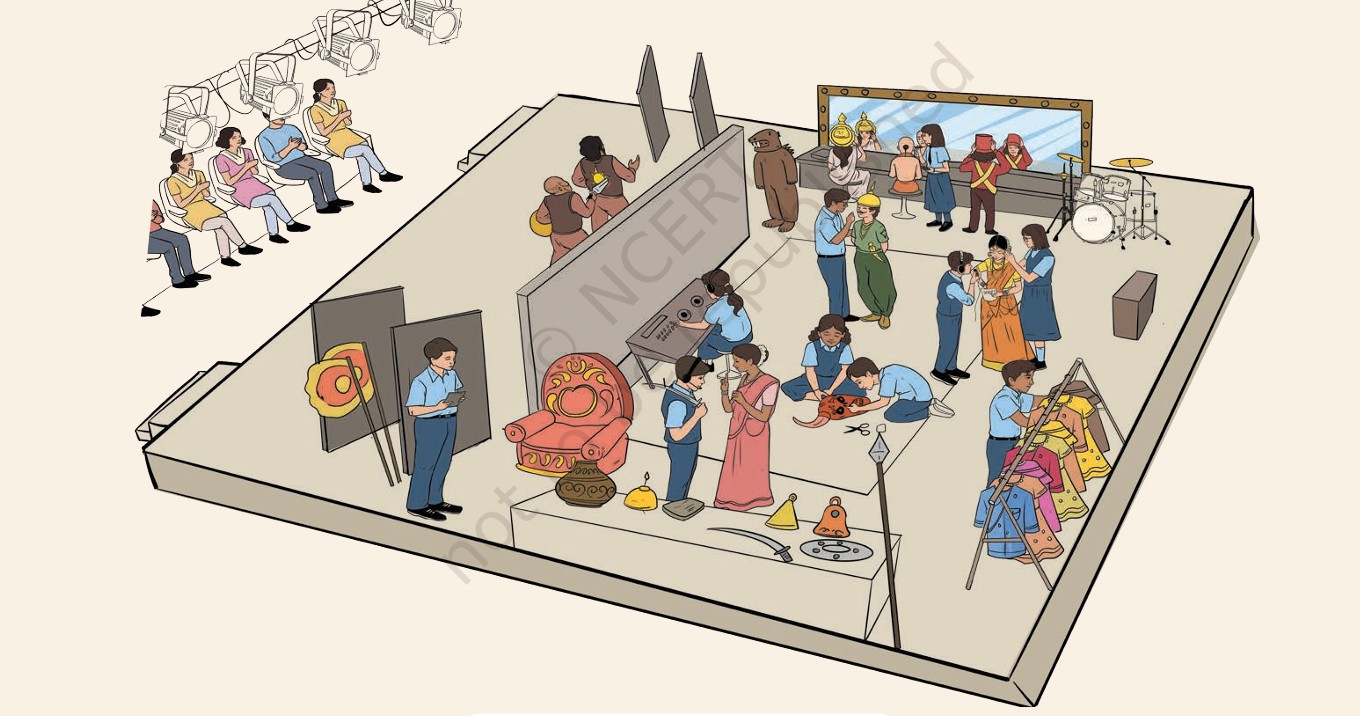
• Entry and exit from the stage through two sides. (Refer to the stage structure in the theatre section.)
Different dance forms have different props and stage decorations. Hope every element of dance is clear to all.
Till now, you have worked in small groups. Going forward, you will be working as a collective group consisting of all the members of the class.
Now, you are going to explore a new thing!
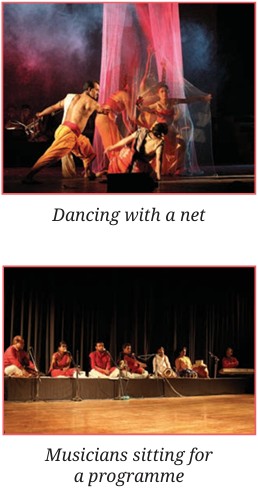
Dance Drama (Natya)
We are not only aware of the word ‘dance’ but also ‘drama’.
Will it work if we combine both dance and drama?
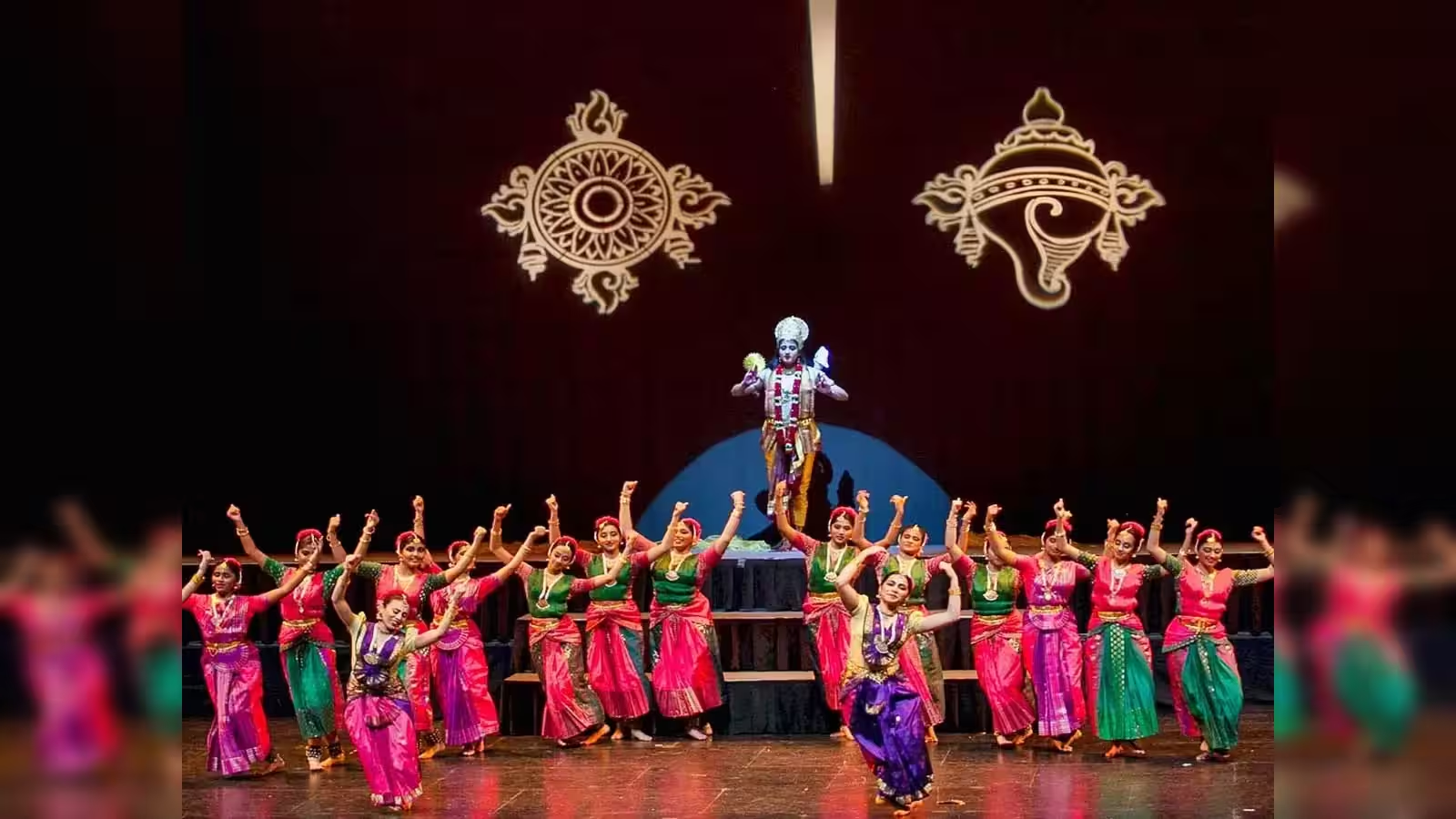
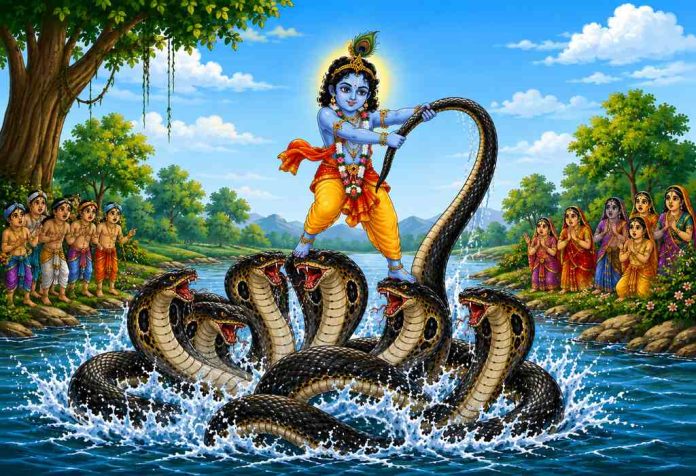
Dance drama or natya is a form of creative expression where the participants use dance as a means to tell a story or convey a message using steps, body and hastamudras often accompanied by songs and music.
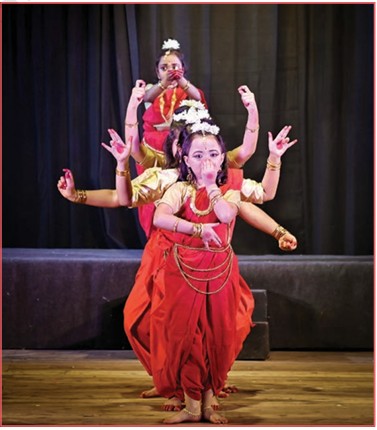
Dance coordination, drama expression requires — and collaboration among performers.
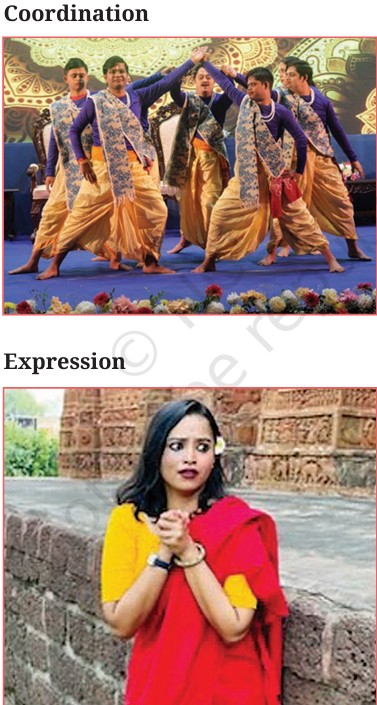
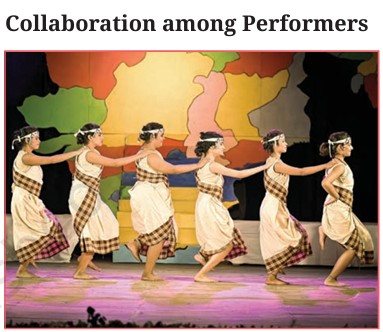
Dance drama brings a narrative through the art of movement and acting in tandem. Dance dramas can be inspired by various themes, cultures or historical events, providing a rich and diverse platform for artistic exploration.
4: Sharing a Story of Nature
Sharing a Story of Nature is a creative activity in which students observe the natural world and express their experiences through storytelling, drawing, dance, music, drama, or other forms of art. Nature provides endless inspiration through trees, flowers, animals, rivers, mountains, seasons, weather, and changing landscapes.
Definition
Sharing a Story of Nature means communicating a story, experience, feeling, or message about nature through creative expression such as words, images, music, movement, or performance.
Elements of a Nature Story
A nature-based story may include:
- Trees and plants
- Birds and animals
- Rivers, lakes, and oceans
- Mountains and forests
- Sun, moon, clouds, and rain
- Seasons
- Natural sounds
- Environmental changes
- Human interaction with nature
Search and discuss a story related to nature or environment, or the freedom movement that conveys a moral value to society.
Examples
Stories related to—
• Avoiding plastic use.
• Saving waterbodies.
• Excessive use of a mobile phone.
• Organic farming.
• Equality in education.
Note: Choose a story from the English or any other language textbook.
Choose and share an appropriate story in the class that you can relate to your surrounding situation and region.
A script is a written document containing dialogues, songs, action, and direction for the performance or presentation of dance drama, natya. In dance, dialogue is mostly through hastamudras though words can also be used.
Think …
Discuss …
Write …
For a selected story or a poem, try to write a script and share ideas with each other to create a natya.
While writing the script, think of dialogues with hastamudras, characters, costumes, props and stage requirements.
In this activity, you are giving life to all characters of the story.
Practice hastamudras, hand and body movements for natya performance.
Compile elements of rhythm, steps, movements, hastamudras, and postures into the poem and practice. Also, identify dance with the rhythmic patterns using bols or collukettus (for example, tha ka dhi mi) and sargams (often learnt in music class) which are incorporated in natya.
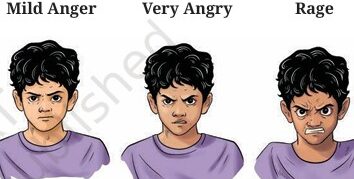
Practice facial expressions which are a key element in natya. All of you have to work collaboratively for a systematic outcome of your natya.
Elements of a Nature Story
A nature-based story may include:
- Trees and plants
- Birds and animals
- Rivers, lakes, and oceans
- Mountains and forests
- Sun, moon, clouds, and rain
- Seasons
- Natural sounds
- Environmental changes
- Human interaction with nature
5: Choreography and Performing Natya
Definition
Choreography is the process of creating, arranging, and organizing dance movements into a planned sequence.
Natya is a traditional Indian performing-art concept associated with dramatic representation, storytelling, acting, dance, music, gestures, and emotional expression.
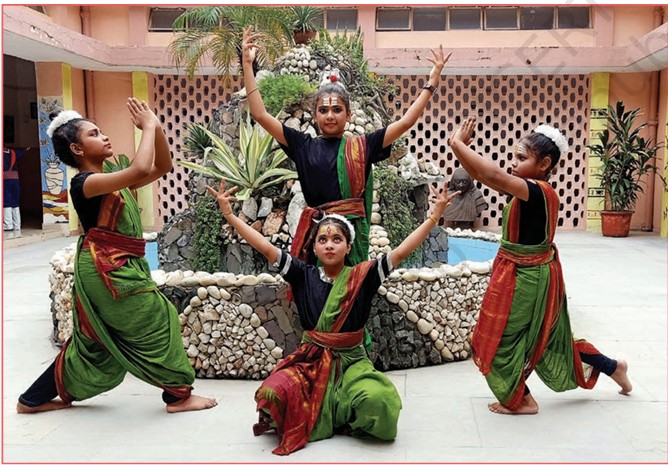
Come together and choreograph a natya which comprises dialogues, rhythmic music, dance beats and movements by working as a team.
In this stage of choreography, we need to look into the props, costumes, jewellery, stage decoration and so on.
Practice with the props, beforehand while performing so that you can handle them comfortably.
Once the choreography is done, it’s time to practice.
Practice! Practice! Practice!
The key element of success is practice …
After practice of natya, now it’s time to rehearse on the stage.
Well done!
Perform your natya in front of your class or a large audience.
Steps in Creating a Choreography
- Choose a Theme – Decide what idea, story, or emotion the performance will communicate.
- Select Music – Choose suitable music that supports the theme.
- Plan Movements – Select appropriate dance steps and gestures.
- Create a Sequence – Arrange movements in a logical order.
- Add Expressions – Include facial expressions and gestures.
- Plan Formations – Decide how dancers will use the performance space.
- Practice – Rehearse movements with music.
- Refine the Performance – Improve timing, coordination, transitions, and expression.
- Perform – Present the completed choreography before an audience.
Conclusion
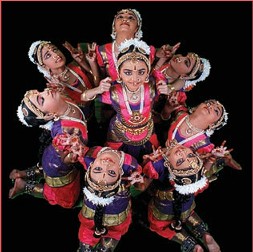
Harmony in Motion shows how music and movement can come together to create unity and beauty. When dancers coordinate their rhythm, timing, expressions, and movements, they create a powerful sense of togetherness. Practicing harmony in motion helps students develop creativity, confidence, teamwork, coordination, and appreciation for dance as a form of artistic communication.