
INTRODUCTION
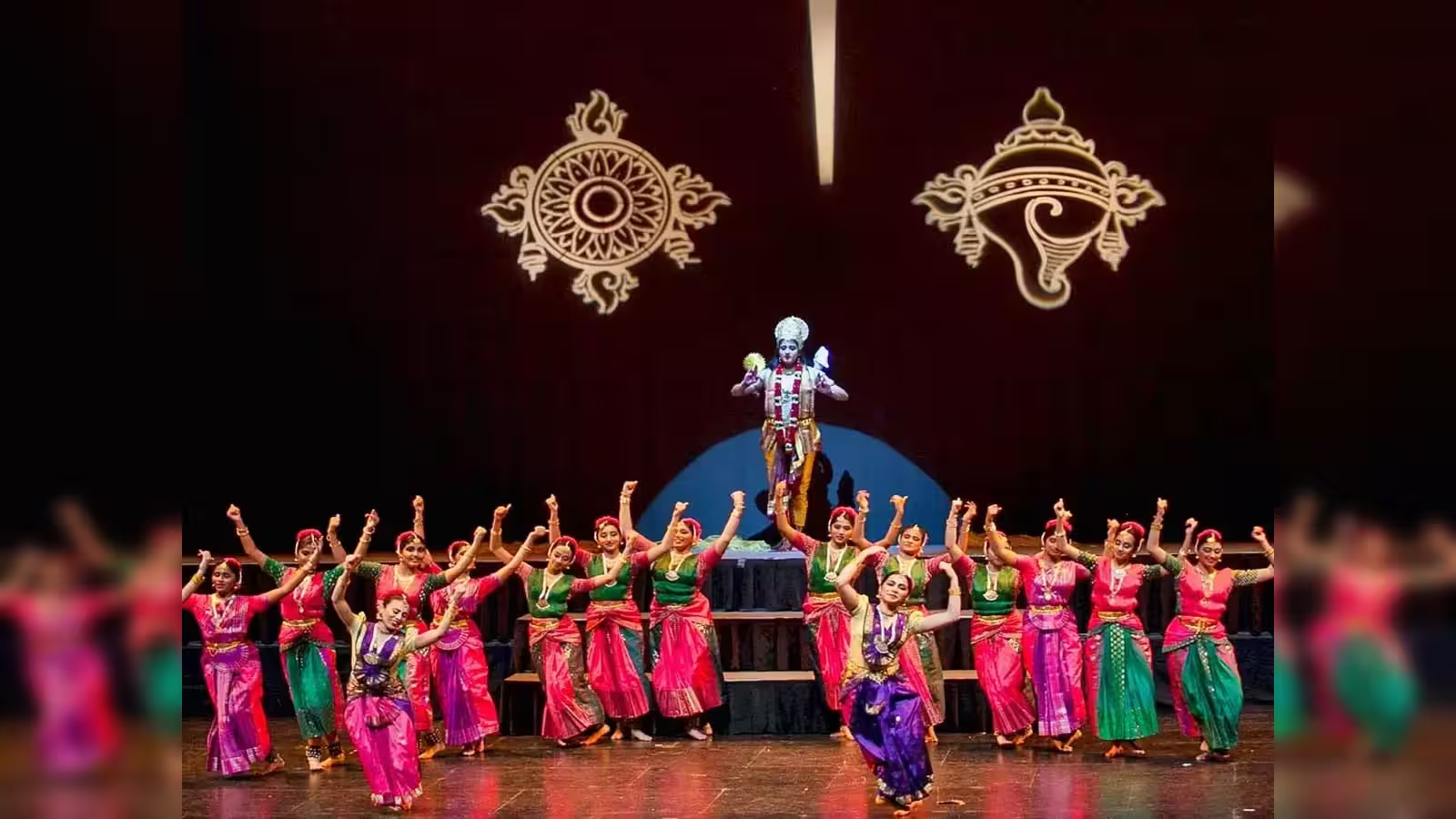
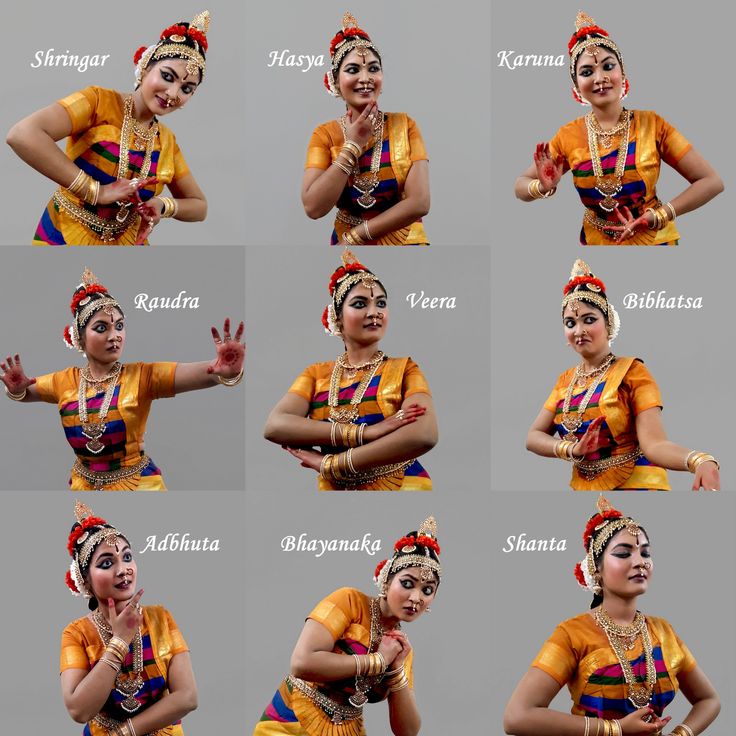
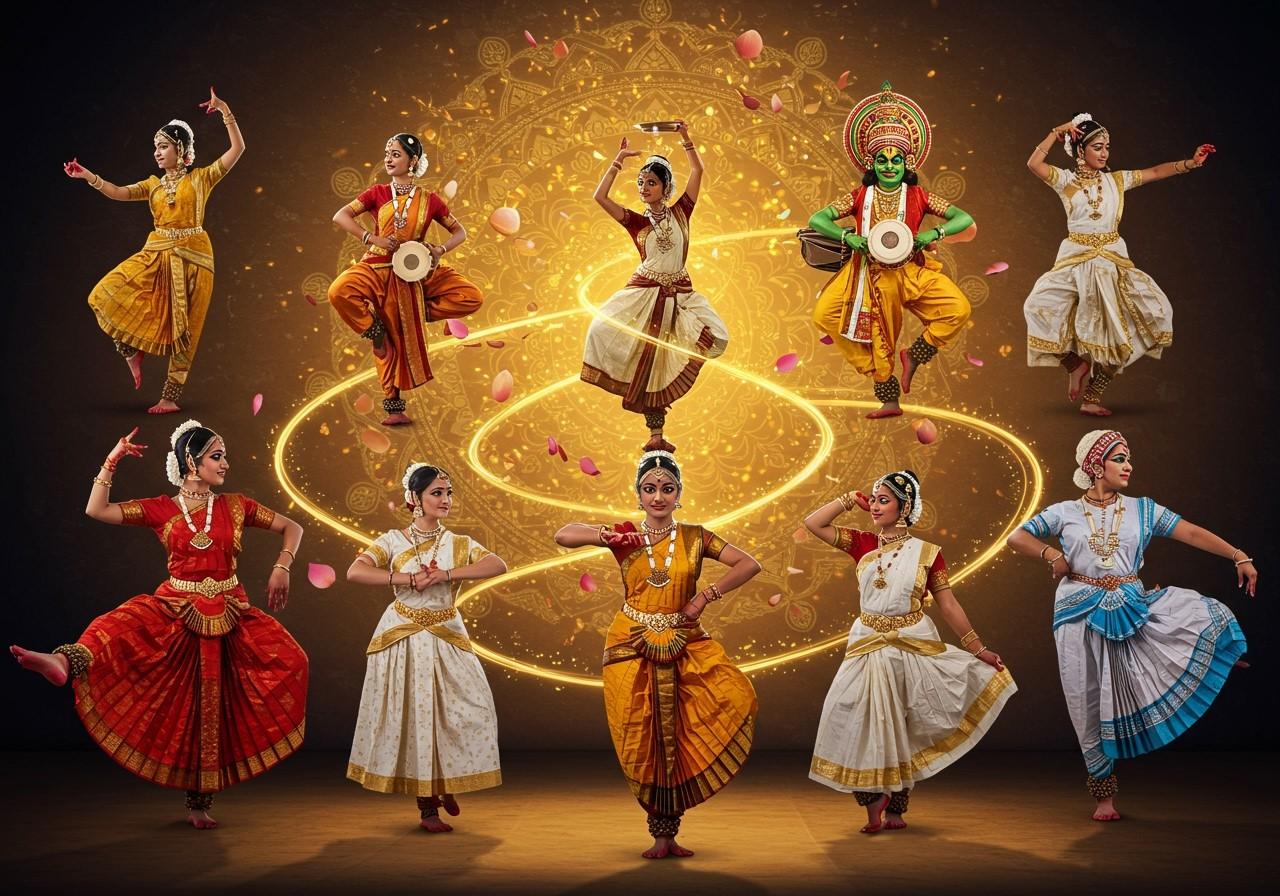
The “Personalities” section celebrates the inspiring artists, dancers, gurus and creative personalities who have enriched Indian dance and performing arts. Their dedication, creativity and lifelong practice show how traditional art can become a powerful source of joy, confidence, cultural pride and artistic expression.
Inspiring Dance Personalities
- Shambhu Maharaj – A celebrated Kathak artist of the Lucknow Gharana, admired for his graceful movements and powerful abhinaya.
- Birju Maharaj – A legendary Kathak dancer, guru and choreographer who beautifully combined rhythm, expression, music and storytelling.
- Vedantam Satyanarayana Sarma – A renowned Kuchipudi artist, particularly remembered for his expressive portrayal of female characters.
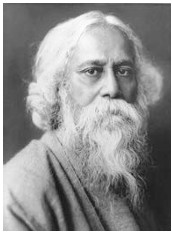
- Rabindranath Tagore – A visionary poet and artist who encouraged creative approaches to dance, music and drama at Santiniketan.
- Uday Shankar – A pioneer of modern Indian dance who brought together traditional Indian artistic ideas with innovative movement and choreography.
- Amala Shankar – An accomplished dancer who made an important contribution to the Uday Shankar dance tradition.
- Kedar Nath Sahu – An important personality associated with Seraikella Chhau, who contributed to its performance, teaching and cultural preservation.
1. Shambhu Maharaj
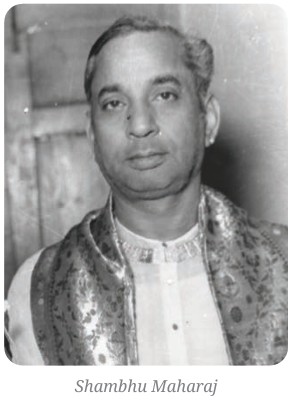
Scion of the Lucknow Gharana of Kathak, Shambhu Maharaj belongs to a family of traditional Kathak dancers. His forefathers were gurus and dancers at the court of Nawab Wajid Ali Shah of Shambhu Maharaj Awadh. His father was the famous Kalka Prasad and uncle Binda Deen, who consolidated the Lucknow Gharana of Kathak. Trained under his uncle Binda Deen.
He moved to Delhi in 1955 and taught Kathak at the Shriram Bharatiya Kala Kendra, establishing the tradition of the Lucknow Gharana in Delhi. He was very famous for his abhinaya and bhav batana, and he performed such in the court style of sitting and enacting.
He taught his nephew, the famous Birju Maharaj and many other famous Kathak dancers of India. He is survived by his sons Ram Mohan and Kishan Mohan who are also accomplished dancers, and gurus. He was the recipient of the Padma Shri in 1958 and Sangeet Natak Academy Award in 1967.
Shambhu Maharaj (1907–1970) was one of the most respected artists and teachers of Kathak, the classical dance tradition of North India. He belonged to the famous Lucknow Gharana of Kathak and was particularly admired for his mastery of abhinaya (expressive dance).
Early Life and Family
Shambhu Maharaj was born in Lucknow, Uttar Pradesh, into the distinguished Kalka-Bindadin Maharaj family, which played a major role in the development of the Lucknow Gharana of Kathak.
He received training in Kathak from members of his family and developed a deep understanding of:
- Abhinaya – expressive storytelling
- Bhava – emotional expression
- Tala – rhythmic cycles
- Laya – tempo
- Tatkar – rhythmic footwork
- Chakkars – turns
- Mudras and gestures
Contribution to Kathak
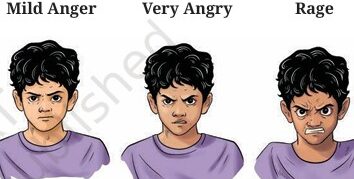
Shambhu Maharaj became especially famous for his abhinaya. Rather than relying only on complicated footwork and fast rhythmic movements, he could communicate a story or emotion through very subtle facial expressions, eye movements and gestures.
His performances were known for their:
- Grace
- Emotional depth
- Subtle expressions
- Controlled movements
- Rhythmic precision
- Storytelling ability
Abhinaya
Abhinaya was one of Shambhu Maharaj’s greatest strengths.
He could portray different emotions and characters through small changes in:
- Eyes
- Eyebrows
- Facial expressions
- Hand gestures
- Head movements
- Body posture
This made his performances highly expressive and helped audiences understand the story even without extensive dialogue.
Role as a Guru
Shambhu Maharaj was not only a performer but also an influential Kathak guru. He taught generations of dancers and helped preserve and spread the artistic traditions of the Lucknow Gharana.
His teaching emphasized that Kathak should combine:
Rhythm + Technique + Grace + Emotion + Storytelling
Connection with the Lucknow Gharana
The Lucknow Gharana is particularly known for its emphasis on:
- Graceful movements
- Abhinaya
- Expressive storytelling
- Delicate gestures
- Elegant postures
- Musicality
Shambhu Maharaj became one of the important representatives of this tradition.
Recognition
Shambhu Maharaj received major recognition for his contribution to Indian dance. He was honoured with the Sangeet Natak Akademi Award for Kathak and the Padma Shri by the Government of India.
Legacy
Shambhu Maharaj’s greatest legacy lies in his contribution to Kathak performance and teaching. His approach demonstrated that classical dance is not only about technically difficult movements; emotion, expression and storytelling are equally important.
Birju Maharaj
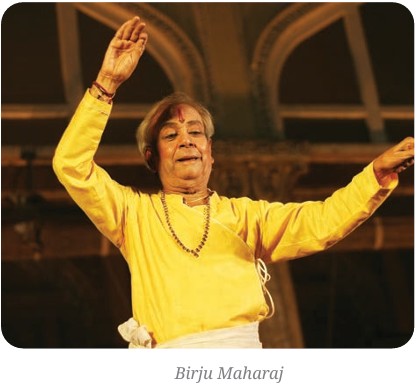
Pandit Birju Maharaj (1938–2022) was one of India’s greatest Kathak dancers, choreographers, teachers and musicians. He was the leading exponent of the Lucknow Gharana of Kathak and played a major role in taking Kathak to audiences in India and around the world.
Early Life
Birju Maharaj was born as Brijmohan Nath Mishra on 4 February 1938 in Lucknow, Uttar Pradesh. He belonged to the renowned family of Kathak artists associated with the Lucknow Gharana.
His father, Achhan Maharaj, was an accomplished Kathak dancer and his first important guru. He also received guidance from other members of his family, including Shambhu Maharaj and Lachhu Maharaj.
Contribution to Kathak
Birju Maharaj was particularly admired for bringing together technical excellence and emotional expression.
His Kathak performances included:
- Tatkar – rhythmic footwork
- Chakkars – graceful turns
- Tukras and Todas – rhythmic compositions
- Abhinaya – expressive storytelling
- Bhava – emotional expression
- Gat Nikas – graceful character-based movements
- Thumri interpretation
- Complex tala and laya
He could communicate stories and emotions through his eyes, facial expressions, gestures and movements.
Abhinaya and Storytelling
One of Birju Maharaj’s greatest strengths was abhinaya.
He could portray characters and situations through subtle movements and expressions. Stories from Krishna’s life, Radha-Krishna themes and Indian mythology were frequently presented through his expressive dance.
His performances demonstrated that Kathak is not simply about fast footwork and spins—it is also a powerful form of storytelling and emotional communication.
Music and Other Talents
Birju Maharaj was a versatile artist. In addition to dance, he had a deep understanding of Hindustani classical music.
He was skilled in:
- Singing
- Playing the tabla
- Playing the harmonium
- Composing music
- Creating dance choreography
His knowledge of music greatly strengthened his ability to choreograph and perform Kathak.
Work as a Guru
Birju Maharaj dedicated a major part of his life to teaching Kathak.
He trained many dancers and helped pass the artistic traditions of the Lucknow Gharana to younger generations.
He also established Kalashram in New Delhi, an institution devoted to the teaching and promotion of Indian classical arts.
Film and Choreography
Birju Maharaj also contributed to Indian cinema through dance choreography and performances.
He choreographed dance sequences for films and helped introduce Kathak’s beauty and sophistication to a wider audience.
His notable film-related work includes Shatranj Ke Khilari, Devdas, Dedh Ishqiya and Bajirao Mastani.
Awards and Recognition
Birju Maharaj received numerous honours for his contribution to Indian dance.
Some of the most important include:
- Sangeet Natak Akademi Award
- Padma Vibhushan – India’s second-highest civilian award
- Kalidas Samman
- National Film Award for choreography for Vishwaroopam
Birju Maharaj and Shambhu Maharaj
Both artists belonged to the Lucknow Gharana of Kathak and were members of the same distinguished Kathak family.
- Shambhu Maharaj was especially celebrated for his exceptional abhinaya and expressive performance.
- Birju Maharaj became a hugely influential performer, guru, choreographer and composer, carrying the Lucknow tradition to new generations and international audiences.
Importance in Indian Dance
Birju Maharaj showed how a traditional dance form could remain deeply connected to its heritage while continuing to evolve creatively.
His artistic approach can be understood through:
Tradition + Technique + Music + Expression + Creativity = Powerful Dance
This makes his work particularly relevant to the theme of “Dance, You and Creativity.”
2. Kedar Nath Sahu
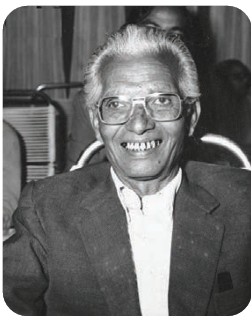
Kedar Nath Sahu was one of the leading exponents of Seraikella Chhau. He comes from a traditional family of Chhau dancers belonging to the Kanasari caste, who are engaged in these dance practices along with their main occupation of making household utensils. He started learning the dance form at a very early age from his father and grandfather.
Kedar Nath Sahu (1933–2006) was a renowned Indian Chhau dancer, choreographer and guru from Jharkhand. He played a significant role in the development and promotion of Seraikella Chhau, one of the three major traditions of Chhau dance.
Introduction
Kedar Nath Sahu is remembered as one of the important personalities associated with Seraikella Chhau. Through his performances, teaching and choreography, he helped preserve the traditional character of Chhau while presenting it to wider audiences.
His artistic work demonstrates the connection between dance, storytelling, movement, music and cultural heritage.
2. Seraikella Chhau
Seraikella Chhau developed in the Seraikela region of Jharkhand and is traditionally characterized by the use of masks.
Chhau combines elements of:
- Dance
- Martial movement
- Theatre
- Music
- Storytelling
- Mask-making
- Expressive body movements
Unlike many classical dance forms, Chhau relies heavily on body movement and physical expression, particularly because the mask limits ordinary facial expression.
3. Contribution of Kedar Nath Sahu
Kedar Nath Sahu made important contributions as a performer, choreographer and teacher.
He worked to:
- Preserve Seraikella Chhau traditions
- Train younger dancers
- Develop choreographies
- Present Chhau on larger stages
- Promote Jharkhand’s cultural heritage
- Introduce audiences to the artistic possibilities of masked dance
His work helped demonstrate that Chhau could be both deeply traditional and creatively expressive.
4. Dance Style
Seraikella Chhau is known for its controlled and graceful movements. Kedar Nath Sahu’s artistic approach emphasized the importance of:
- Precise body movements
- Balance
- Rhythm
- Posture
- Controlled walking
- Jumps and turns
- Hand and arm movements
- Character portrayal
The dancer’s body becomes an important means of communication.
5. Use of Masks
The mask is one of the most distinctive features of Seraikella Chhau.
Because the performer’s face is covered, emotions and characters are communicated through:
Body posture + Head movement + Hand movement + Footwork + Rhythm
This requires exceptional control and awareness.
For example, a character’s movement can suggest whether the character is:
- Powerful
- Gentle
- Angry
- Heroic
- Playful
- Divine
6. Chhau and Martial Tradition
Chhau has connections with martial and physical traditions. Its energetic movements, jumps, turns and strong body positions create a dynamic theatrical effect.
This combination of martial energy and artistic grace makes Chhau distinctive among Indian dance traditions.
7. Role as a Guru
Kedar Nath Sahu was also respected for his role as a teacher and transmitter of Chhau knowledge.
A guru plays an important role in traditional Indian performing arts because knowledge is often passed from one generation to another through:
- Demonstration
- Repetition
- Practice
- Observation
- Discipline
- Performance experience
Through teaching, artists such as Sahu helped ensure that the Seraikella tradition continued beyond their own generation.
8. Importance for Jharkhand
Kedar Nath Sahu’s contribution is important to the cultural identity of Jharkhand.
Seraikella Chhau represents one of the state’s most recognized traditional art forms. Artists and gurus have helped take this regional tradition from local performance spaces to national and international platforms.
9. Connection with “Dance, You and Creativity”
Kedar Nath Sahu is especially relevant to the idea of “Dance, You and Creativity.”
His work shows that dance can communicate without relying entirely on spoken language.
The performer uses:
Movement → Rhythm → Gesture → Mask → Character → Story
This demonstrates how creativity can transform physical movement into meaningful artistic expression.
Seraikella Chhau Masks
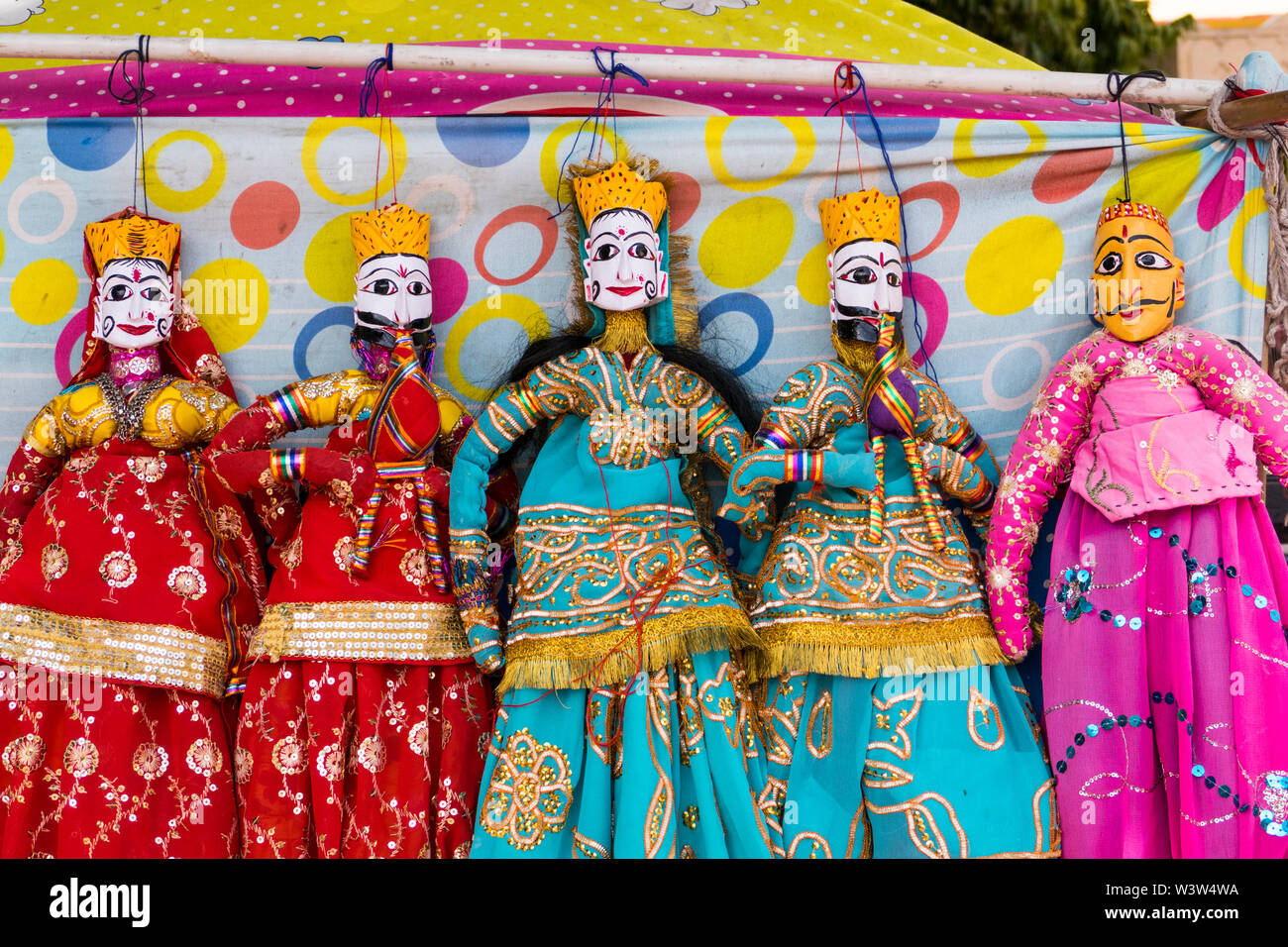
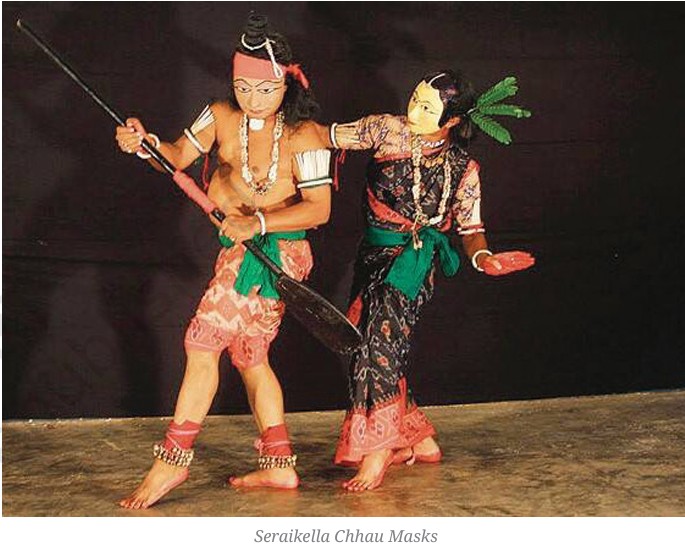
Seraikella Chhau masks are an important and distinctive part of Seraikella Chhau, the traditional masked dance-drama of Seraikela, Jharkhand. The masks help dancers portray different characters while their body movements, posture and rhythm communicate emotions and actions.
1. What are Seraikella Chhau Masks?
Seraikella Chhau masks are specially crafted masks worn by dancers during performances. Since the dancer’s face is covered, facial expressions are largely replaced by body language and controlled movements.
The dancer communicates through:
- Head movements
- Body posture
- Hand and arm movements
- Footwork
- Jumps and turns
- Rhythm
- Direction and speed of movement
Thus, the mask does not simply hide the face—it becomes an important part of the character and storytelling.
2. Characters Represented by Masks
Different masks can represent different characters from mythology, nature and traditional stories.
Characters may include:
- Gods and divine figures
- Heroes
- Demons
- Animals
- Birds
- Mythical beings
- Other dramatic characters
The design of the mask helps the audience understand the nature of the character.
3. Features of the Masks
Seraikella Chhau masks are generally recognized for their:
- Stylized facial features
- Carefully shaped eyes
- Prominent nose and facial structure
- Decorative elements
- Character-specific designs
- Painted surfaces
- Elaborate head decorations in some cases
Rather than trying to reproduce a completely realistic human face, the mask uses stylization to create a strong theatrical identity.
4. Mask and Movement
One of the most interesting aspects of Seraikella Chhau is the relationship between the mask and the dancer’s movement.
For example, a dancer portraying a powerful character may use:
- Strong steps
- Broad body movements
- Firm posture
- Energetic gestures
A graceful character may be portrayed through:
- Smooth movements
- Controlled walking
- Gentle turns
- Delicate body positions
Therefore:
Mask + Movement + Music + Rhythm = Character
5. Making of the Masks
Traditional Chhau masks are made by skilled mask-making artisans. The craft involves several stages of shaping, layering, drying and painting.
Traditionally used materials can include:
- Clay
- Paper
- Cloth
- Natural or locally available materials
- Paint
- Decorative materials
The exact techniques and materials can vary among artisans and workshops.
6. Cultural Importance
Seraikella Chhau masks are valuable not only as performance objects but also as examples of Jharkhand’s traditional craftsmanship.
They connect several art forms:
Craft → Dance → Theatre → Music → Storytelling
This makes the mask an excellent example of how different forms of art can work together.
7. Seraikella Chhau and Creativity
Seraikella Chhau demonstrates that a performer does not always need facial expressions or spoken dialogue to communicate.
A dancer can use the masked face together with:
- Body language
- Rhythm
- Gesture
- Posture
- Movement
- Space
Conclusion
The great personalities of Indian dance have played a remarkable role in preserving, developing and celebrating the rich cultural heritage of India. Through their dedication, discipline and creativity, artists such as Shambhu Maharaj, Birju Maharaj, Vedantam Satyanarayana Sarma, Rabindranath Tagore, Uday Shankar, Amala Shankar and Kedar Nath Sahu have inspired generations of learners and performers.
Their lives teach us that becoming a successful artist requires continuous practice, patience, imagination and love for one’s art. They respected traditional knowledge while also exploring new ideas and creative possibilities. Their contributions have helped Indian dance reach wider audiences and remain meaningful in changing times.
These personalities also demonstrate that dance is not merely entertainment. It is a powerful form of communication, storytelling, emotional expression and cultural preservation. Through rhythm, movement, music, gestures, costumes and expressions, dancers can communicate ideas that connect people across different regions and generations.