
Introduction
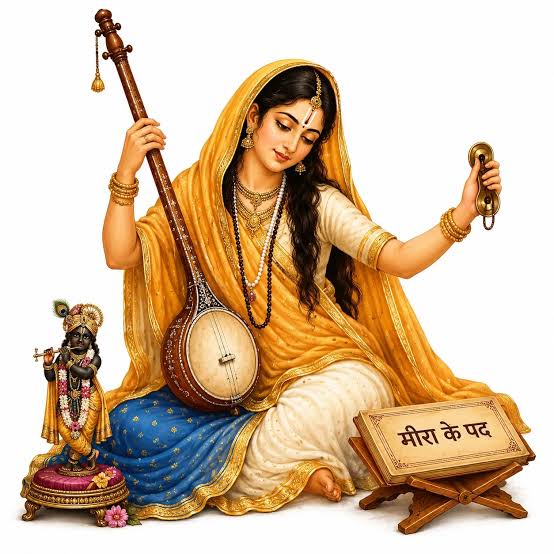
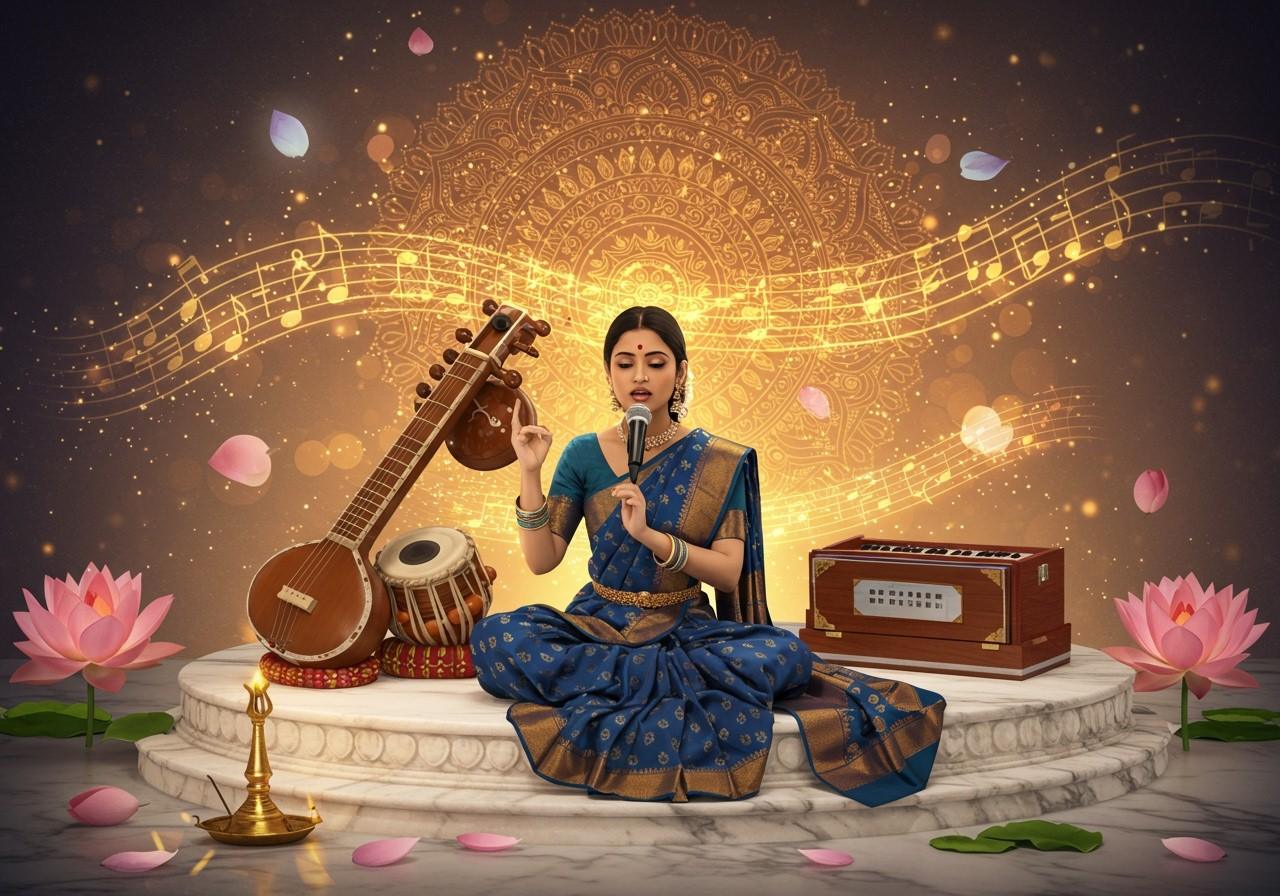
Musical instruments are devices used to produce musical sounds. They play an essential role in music by creating rhythm, melody, and harmony. Musical instruments are used in solo performances, orchestras, bands, cultural events, religious ceremonies, and entertainment. Different instruments produce unique sounds and are made from various materials such as wood, metal, strings, leather, and bamboo. Learning about musical instruments helps students appreciate the diversity of music and different musical traditions around the world.
Definition
A musical instrument is a device designed to produce musical sounds through vibration, striking, blowing, plucking, or electronic means. It is used to create rhythm, melody, and harmony in musical performances.
Objective: Understanding the relevance of instruments in a musical piece and exploring instrument families. Instruments are used to create a layered and rich sound of notes and rhythm.
Activity 1: Role of Instruments in a Musical Piece
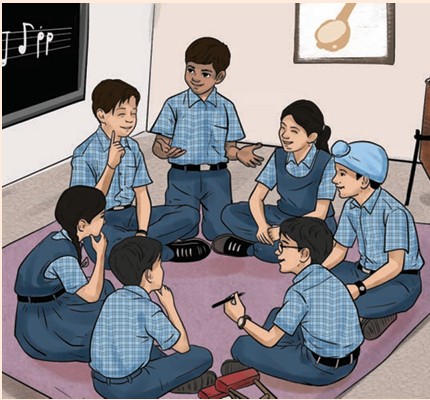
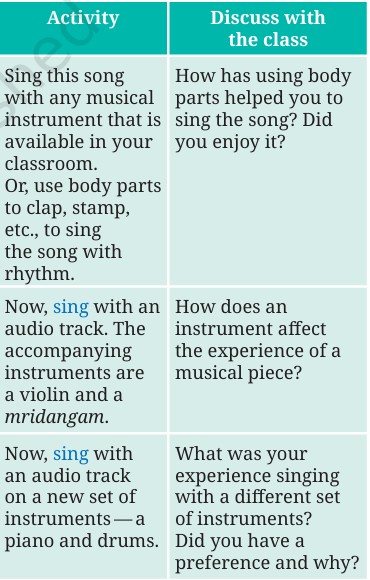
Listen to the song ‘Shyamale Meenakshi’. Now, try singing it by yourself.
Lyrics: Shyamale Meenakshi
Composer: Muthuswami Dikshitar
Shyamale Meenakshi
Sundareshvara Sakshi
Shankari Guruguha
Samudbhave Shiveva
Paamara Mochani
Pankaja Lochani
Padmaasana Vaani Hari
Lakshmi Vinute Shaambhavi
Shyamale Meenaksh.
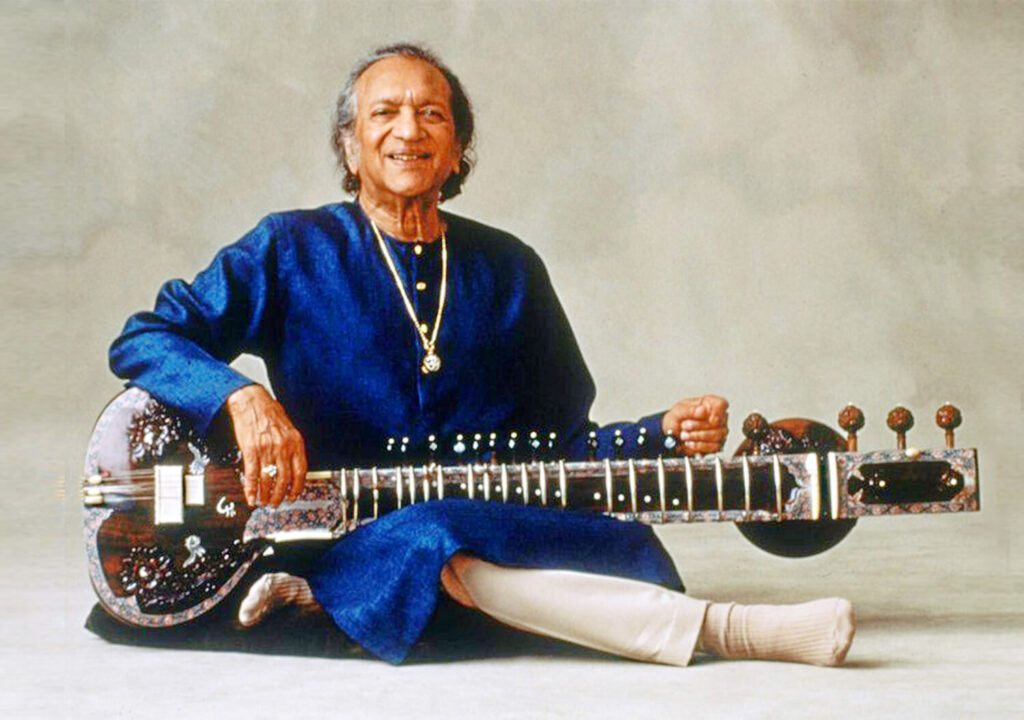
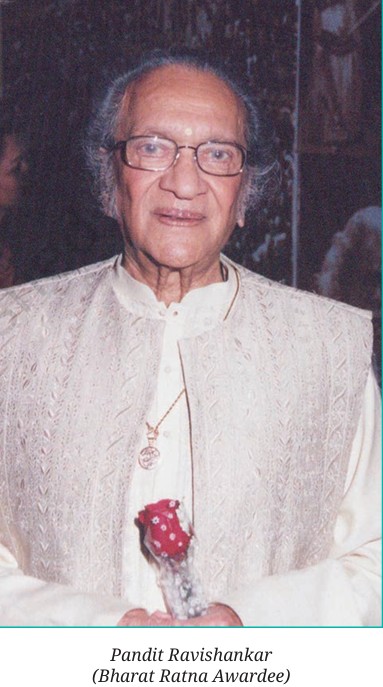
“Every musician is a storyteller, using melodies and rhythms to narrate the tales of the heart.” — Pandit Ravishankar, Bharat Ratna, Sitar exponent.
Activity 2: Listening and Responding
Listen to a story being told accompanied by an instrument. Explain how the instrument enhances the depth of the storytelling.
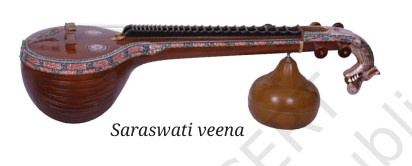
Try to listen to a story while playing this instrument and record your emotions.
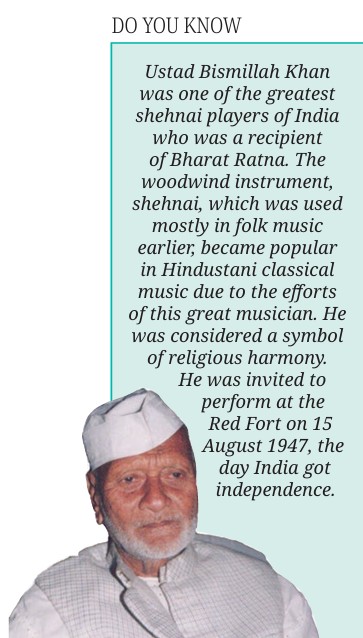
Activity 3: Instrument Families
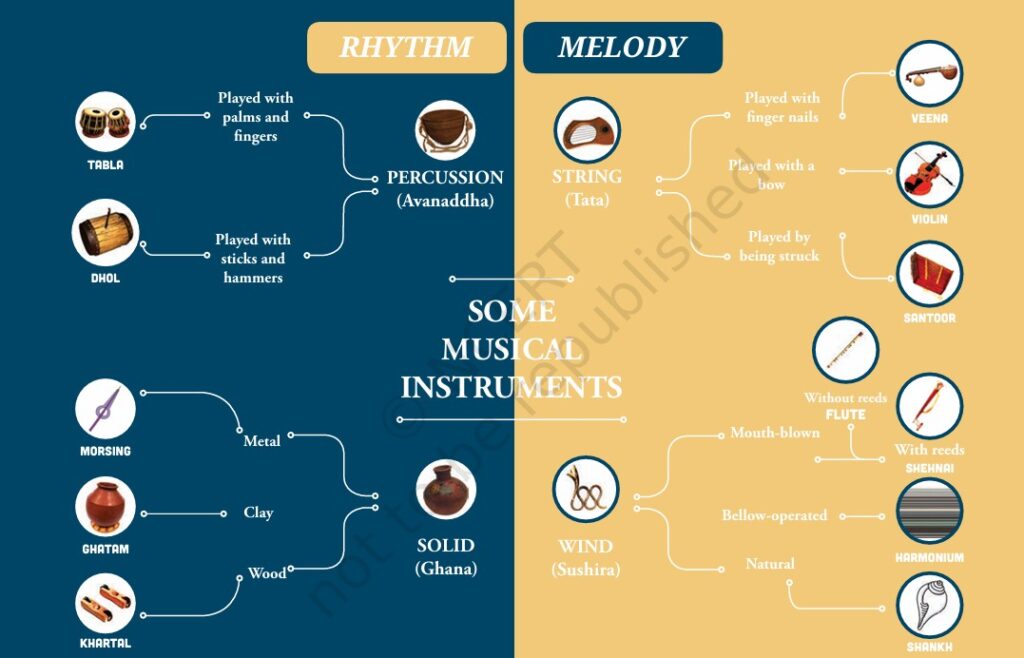
Instrument families are groups of musical instruments that are classified according to the way they produce sound. Instruments within the same family share similar playing techniques and sound-producing methods. Understanding instrument families helps students recognize different instruments, appreciate their unique sounds, and learn how they work together in musical performances such as orchestras, bands, and ensembles.
The two important components of music are melody and tempo. Based on these, instruments are classified as:
• Melody instruments
• Rhythm instruments
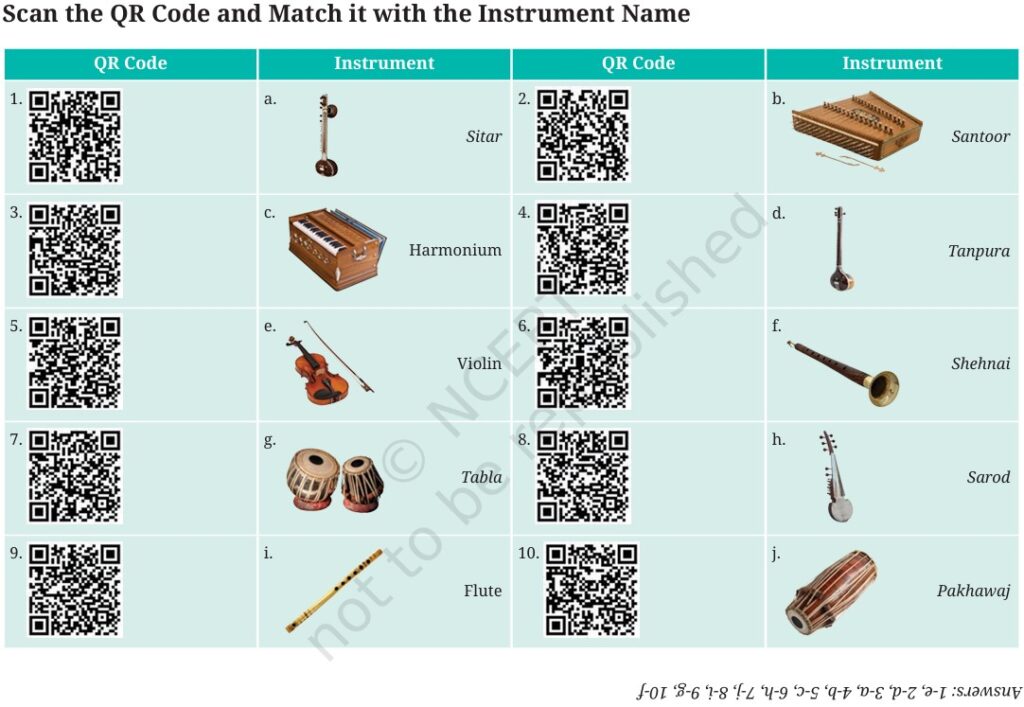
Instruments are further classified based on how they are played. Refer to the picture given on the next page to understand the classification of musical instruments.
Activity 4: Make your own Instrument
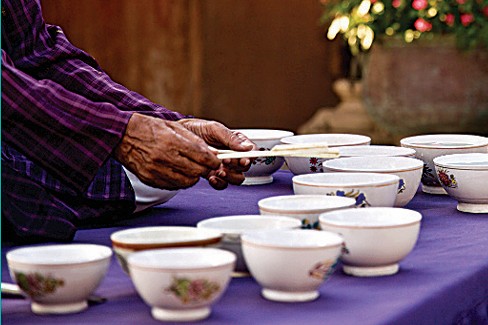
Jaltarang is an interesting instrument that consists of a set of glass, metal or clay bowls each having varying levels of water. The artist strikes the rim of each bowl with a wooden stick and produces music. It is a melody and a rhythm instrument. We can categorise it as a wind instrument because the air present above the water level in each bowl vibrates to produce sound. This is also a percussive instrument because the sound is produced by striking a membrane or a surface, which is the rim of the bowls.
Let us make a jaltarang with the bowls that are available in your kitchen.
You will need
Five sturdy bowls, a can of water, and two pencils or wooden sticks. Now, let us —
• Arrange the bowls on a table in a single row.
• Fill the bowls with varying amounts of water. You could fill the first bowl with one cup of water, the second one with three-fourths of a cup, the third bowl with one-half cup, and the fourth bowl with one-fourth cup of water.
• Your very own jaltarang is ready for use.
• Gently strike the rim of every bowl with the pencil or stick, and make your own music. Observe how the pitch is different when you strike different bowls.
Activity 5: Listen and Learn
Listen and Learn is a music learning activity in which students carefully listen to songs, instrumental pieces, rhythms, or sounds to understand musical concepts, identify instruments, recognize patterns, and improve their listening skills.
Watch a visual and auditory introduction to instruments from India curated by the Indian Music Experience Museum, Bengaluru. Which one of these instruments do you like and why? Take note of the different ways instruments can be classified.
Activity 6: Let’s Make a Project About
• Music and science.
• Life sketch of any local musician and their contirbution.
Magical World of Musical Instruments
Instruments create a rich musical experience. Instruments can be classified based on their utility and the material with which they are created. Listen to the songs that you enjoy. Identify the instruments used and classify them in different categories.
Types of Musical Instruments
1. String Instruments
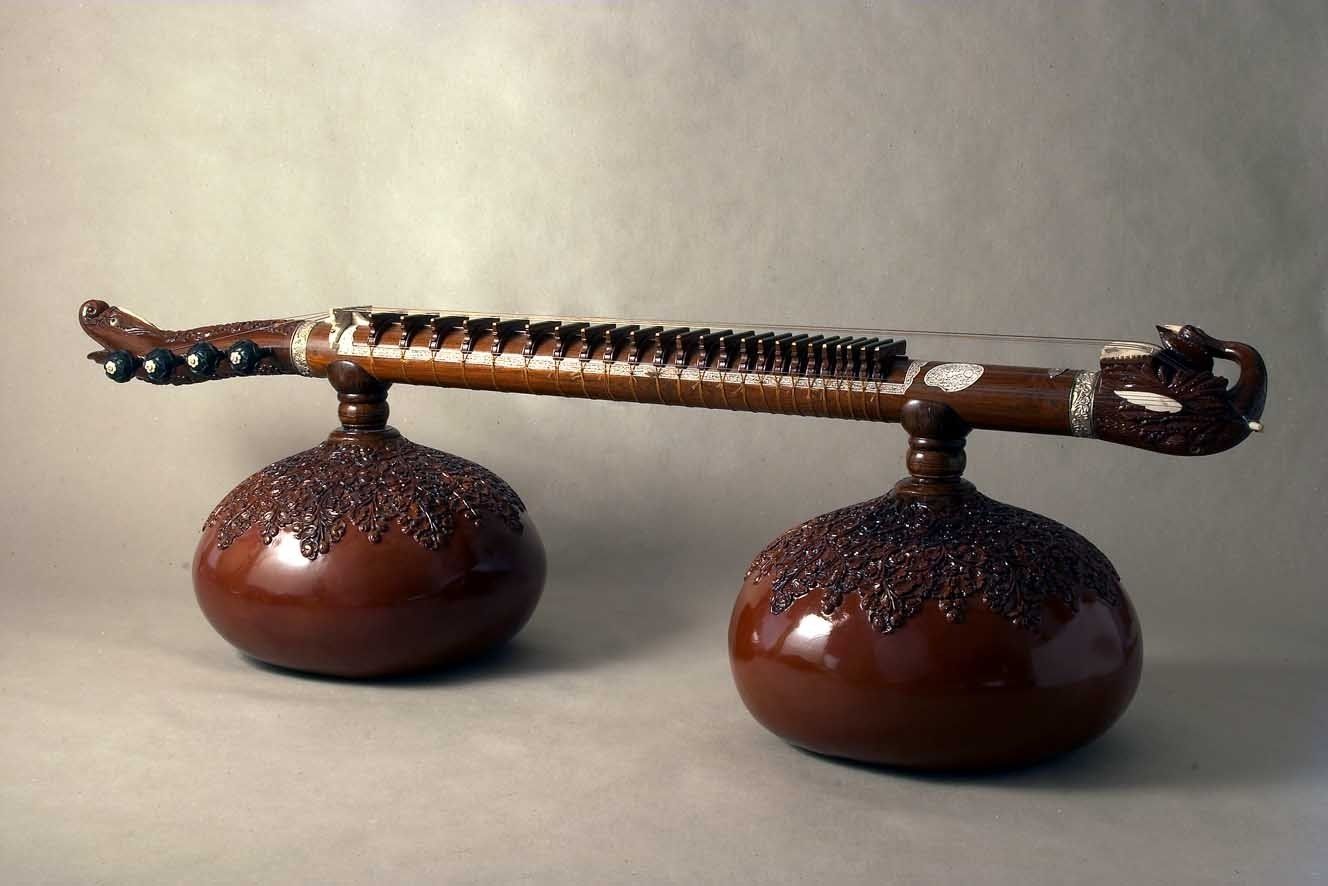
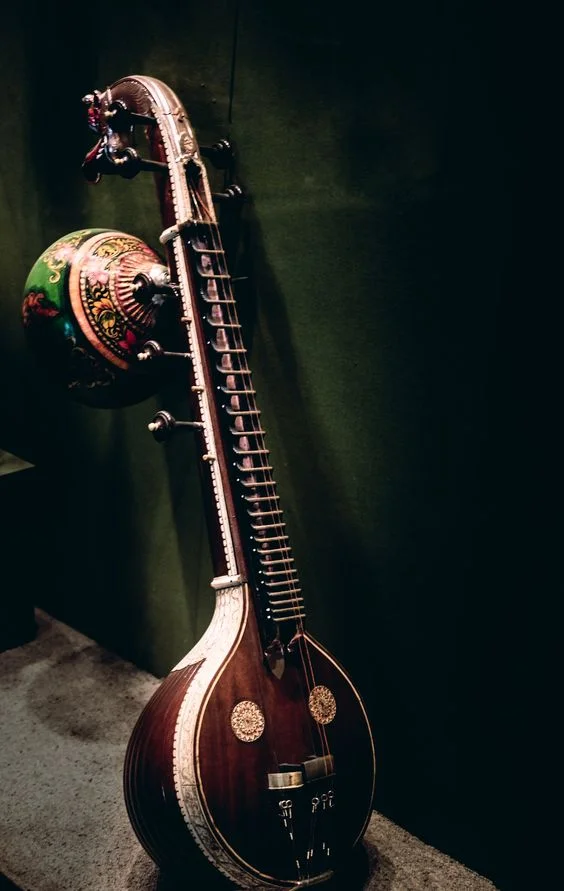
These instruments produce sound when strings are plucked, bowed, or struck. String instruments are musical instruments that produce sound through vibrating strings. The strings are played by plucking, bowing, or striking them, creating different pitches and tones. String instruments are among the oldest and most widely used instruments in the world. They play an important role in classical, folk, traditional, and modern music. Their rich and expressive sound makes them popular for solo performances, orchestras, bands, and cultural events.
Examples:
- Guitar
- Violin
- Sitar
- Veena
- Harp
- Banjo
2. Wind Instruments
These instruments produce sound when air is blown through them. Wind instruments are musical instruments that produce sound when air is blown into or through them. The vibration of the air inside the instrument creates musical notes, while the pitch changes by opening and closing holes, pressing keys, or adjusting valves. Wind instruments are widely used in classical, folk, traditional, military, jazz, and modern music. Their unique tones add melody, expression, and richness to musical performances.
Examples:
- Flute
- Recorder
- Shehnai
- Trumpet
- Saxophone
- Clarinet
3. Percussion Instruments
These instruments produce sound when they are struck, shaken, or scraped. A percussion instrument is a musical instrument that produces sound when it is struck, shaken, scraped, or tapped. These instruments are mainly used to create rhythm and beats in music.
Examples:
- Tabla
- Drum
- Dholak
- Mridangam
- Tambourine
- Cymbals
4. Keyboard Instruments
These instruments produce sound when keys are pressed. A keyboard instrument is a musical instrument that produces sound when its keys are pressed. The keys activate strings, air, or electronic systems to create different musical notes.
Examples:
- Piano
- Keyboard
- Harmonium
- Organ
5. Electronic Instruments
These instruments use electronic technology to create sound. An electronic instrument is a musical instrument that creates, modifies, or amplifies sound using electronic components, digital technology, or computer software.
Examples:
- Electronic Keyboard
- Synthesizer
- Digital Piano
- Drum Machine
Importance of Musical Instruments
- Help express emotions and creativity.
- Accompany singing and dancing.
- Preserve cultural and musical traditions.
- Improve rhythm and listening skills.
- Enhance musical performances.
Benefits of Learning Musical Instruments
- Improves concentration and memory.
- Develops hand-eye coordination.
- Builds discipline and patience.
- Enhances creativity and confidence.
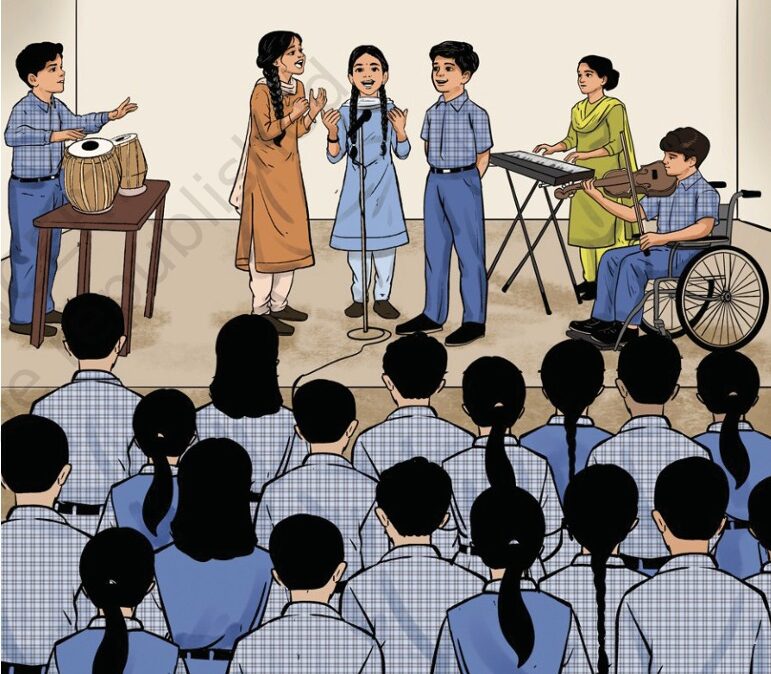
- Encourages teamwork in group performances.
Uses of Musical Instruments
- Music education
- Concerts and stage performances
- Religious ceremonies
- Cultural festivals
- Recording studios
- Film and television music
- Therapy and relaxation
Tips for Beginners
- Choose an instrument that interests you.
- Practice regularly.
- Learn basic music theory.
- Take proper care of your instrument.
- Listen to experienced musicians for inspiration.
Conclusion
Musical instruments are an essential part of music and culture. They allow musicians to create beautiful melodies, rhythms, and harmonies while expressing emotions and creativity. Whether traditional or modern, musical instruments enrich our lives, preserve cultural heritage, and inspire people of all ages to enjoy and appreciate the art of music.