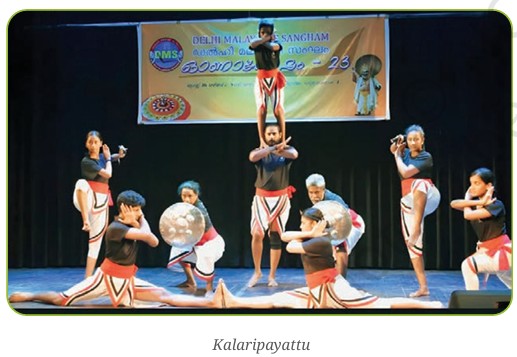

Introduction:
Direction and Acting is the process of transforming a written script into a live theatrical performance through the director’s guidance and the actors’ expressions, movements, and emotions.
Theatre is a collaborative art form that transforms written ideas into living performances. Two of its most important elements are direction and acting. Direction provides the creative vision and guides the overall production, while acting brings characters, emotions, and stories to life on stage.
A director interprets the script, develops the concept of the performance, guides actors, and coordinates elements such as stage movement, costumes, lighting, sound, and scenery. The director helps ensure that every part of the production contributes to a unified artistic vision.
Acting is the art of portraying characters through dialogue, facial expressions, gestures, body movements, voice, and emotions. Actors study their characters, understand their motivations, and communicate their experiences to the audience. Through practice and imagination, they make fictional situations appear believable and meaningful.
Direction and acting depend on cooperation, creativity, discipline, and communication. Directors help actors understand the purpose of a scene, while actors contribute their interpretations and ideas to strengthen the performance. Rehearsals allow the entire team to refine dialogue, movements, timing, and expressions before presenting the final production.
From the first reading of a script to the final moment on stage, direction shapes the vision and acting gives it life. Together, they transform words into experiences that entertain, inspire, and encourage audiences to think and feel.
Visualise This Scenario in Your Mind: The King Who Lost His Shoes
Imagine a school play rehearsal where everyone is doing something different. The king is sitting carelessly, the guard is wandering around the stage, and the servant is speaking too softly. When the director arrives, she pauses the rehearsal and begins guiding everyone.
First, she corrects the king’s posture so that he sits and stands with dignity. Next, she shows the guard where to move and how to enter and exit the stage. She then helps the servant understand the correct volume, tone, and emotion for his dialogue. Finally, she guides the servant and his co-actor on how to enter from the side wings and take their positions before speaking.
Gradually, the confusion disappears, and the scene begins to look like a proper theatrical performance. The students realise that acting is not simply pretending to be someone else; it requires practice, coordination, expression, and guidance.
Every successful play is the result of many creative decisions and careful planning. At the centre of this process is the director, who develops the vision of the production and guides the entire team. Like a painter arranging colours on a canvas, the director brings together actors, props, costumes, lighting, sound, and stage movements to create a complete theatrical world.
Just as a delicious dish requires the right balance of ingredients, a successful play requires harmony among all its elements. Direction gives the performance structure and purpose, while acting brings characters and emotions to life.
The key idea: Without direction, a performance may become confusing and uncoordinated. With thoughtful guidance and teamwork, it becomes a meaningful theatrical experience that engages the audience.
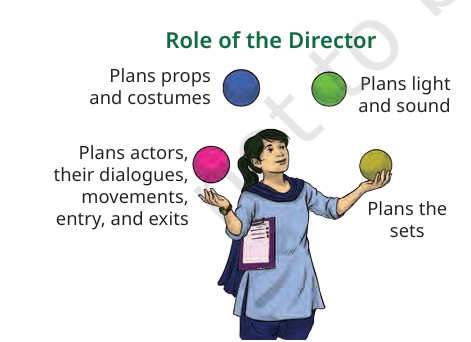
Multiple roles of the director
Multiple Roles of the Director
A theatre director performs many important roles in transforming a written script into a successful stage performance. The director is not only responsible for guiding actors but also for shaping the overall vision, coordinating the creative team, and ensuring that every element of the production works together harmoniously.
i. Interpreter of the Script
The director carefully studies the script to understand its story, themes, characters, emotions, and message. They decide how the story should be presented to the audience.
ii. Creative Visionary
The director imagines how the play will look and feel on stage. They develop ideas about the setting, acting style, costumes, lighting, sound, and stage design to create a unified performance.
iii. Guide for Actors
The director helps actors understand their characters, motivations, relationships, and emotions. They guide their dialogue delivery, facial expressions, gestures, body language, and movements.
iv. Coordinator of Stage Movement
The director plans where actors enter, exit, stand, sit, and move during a scene. This arrangement, known as blocking, helps the performance remain clear, natural, and visually engaging.
v. Leader of the Creative Team
A director works closely with costume designers, set designers, lighting designers, sound designers, stage managers, and other members of the production team. They ensure that everyone works towards the same artistic vision.
vi. Manager of Rehearsals
The director organises rehearsals, explains scenes, corrects mistakes, improves timing, and helps actors practise until the performance becomes smooth and coordinated.
vii. Problem-Solver
Unexpected challenges may arise during rehearsals, such as forgotten lines, unsuitable props, unclear movements, or technical difficulties. The director finds practical solutions while keeping the production on track.
viii. Designer of Mood and Atmosphere
Through decisions about acting, lighting, sound, music, costumes, and stage arrangements, the director creates the appropriate atmosphere for each scene, whether joyful, mysterious, frightening, or emotional.
ix. Decision-Maker
The director makes important artistic decisions about the pace of the play, interpretation of characters, arrangement of scenes, and use of stage space. They balance creative ideas with the practical needs of the production.
x. Communicator and Motivator
A director communicates ideas clearly, listens to suggestions, encourages collaboration, and builds confidence among the performers. Patience and positive guidance help the team work effectively.
xi. Supervisor of the Final Performance
The director checks that acting, stage movement, costumes, props, lighting, sound, and scene changes work together as planned. They help ensure that the final production is ready for the audience.
Summary
A theatre director is an interpreter, visionary, teacher, coordinator, problem-solver, and leader. Their role is to bring together different artistic and technical elements and transform them into a meaningful theatrical experience. Although each team member contributes specialised skills, the director guides the overall production so that the story is communicated clearly and effectively to the audience.
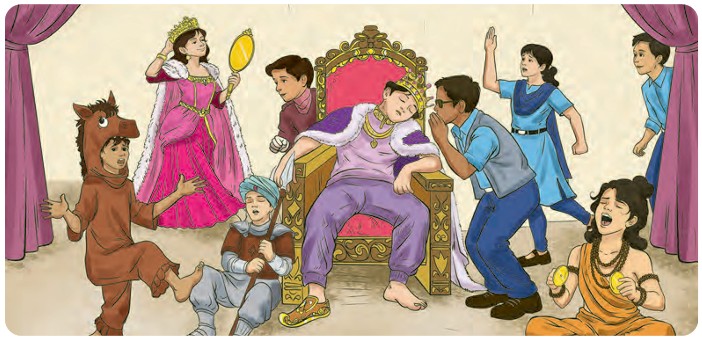
Is this similar to what you visualised
The Process — From Micro to Macro
A theatre director’s work begins weeks or sometimes months before rehearsals start and may continue even after the final performance. Directing is a step-by-step process that moves from understanding the smallest details of a script to developing a complete vision for the entire production.
The first responsibility of the director is to read the script carefully and understand every detail. This includes the storyline, characters, dialogues, emotions, relationships, stage directions, and the purpose of each scene. The director must explore different ways of presenting these elements before deciding how they will appear on stage.
For example, when directing a scene in which a king receives unexpected news, the director must consider how the king reacts, how the messenger enters, what expressions the characters display, where they stand, and how their voices convey emotion. Such small decisions help actors understand their roles and perform confidently.
Once the director has developed a clear interpretation of the script, rehearsals can begin. The director communicates ideas to the actors, demonstrates movements when necessary, and guides the team in developing each scene. If the director is uncertain about what happens in a scene or why it happens, it becomes difficult to explain the action and emotions to the performers.
However, directing is not limited to individual details. The director must also maintain the big picture, or the larger vision of the play. This means considering how all the scenes connect, how the story develops, what emotions the audience should experience, and what message the production should communicate.
The process therefore moves from micro to macro — from small details, such as a gesture, a pause, or a line of dialogue, to larger elements, such as the overall structure, atmosphere, rhythm, and impact of the play.
A successful director balances both perspectives. Attention to detail makes individual scenes believable, while a clear overall vision ensures that the entire performance feels connected and meaningful.
Let us now explore the different aspects a director must work on to transform a script into a complete theatrical production.
Script Work
Script work is one of the first and most important stages of directing a play. It is almost like detective work because the director must examine the script carefully to discover its deeper meanings, understand the characters, and identify the ideas the playwright wants to communicate.
The director reads the script several times to understand its main themes, emotions, conflicts, and central message. They make detailed notes about each scene, including where it takes place, which characters are present, what happens, and how the characters’ relationships change throughout the story. The director also studies the mood of each moment, such as happiness, sadness, tension, fear, or excitement.
During this process, the director begins to imagine how the play will appear on stage. They consider how the available space will be used, where actors will stand and move, what costumes the characters will wear, and how lighting, sound, music, and stage settings will help communicate the story. These decisions contribute to the overall style and atmosphere of the production.
Script work may also involve editing or rewriting certain parts of the play. The director might shorten lengthy dialogues, clarify confusing moments, adjust scene transitions, or adapt the script to suit the performers, audience, or available resources. Any changes should respect the play’s intended meaning and, where necessary, be discussed with the playwright or authorised appropriately.
This preparation provides a clear foundation for rehearsals. When the director understands the script thoroughly, they can explain their ideas confidently, guide actors effectively, and make informed creative decisions.
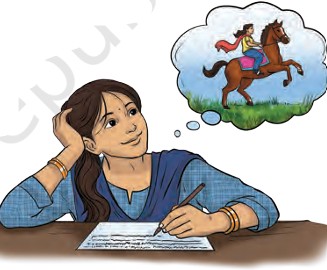
Visualisation and imagination
Visualisation and Scene Building
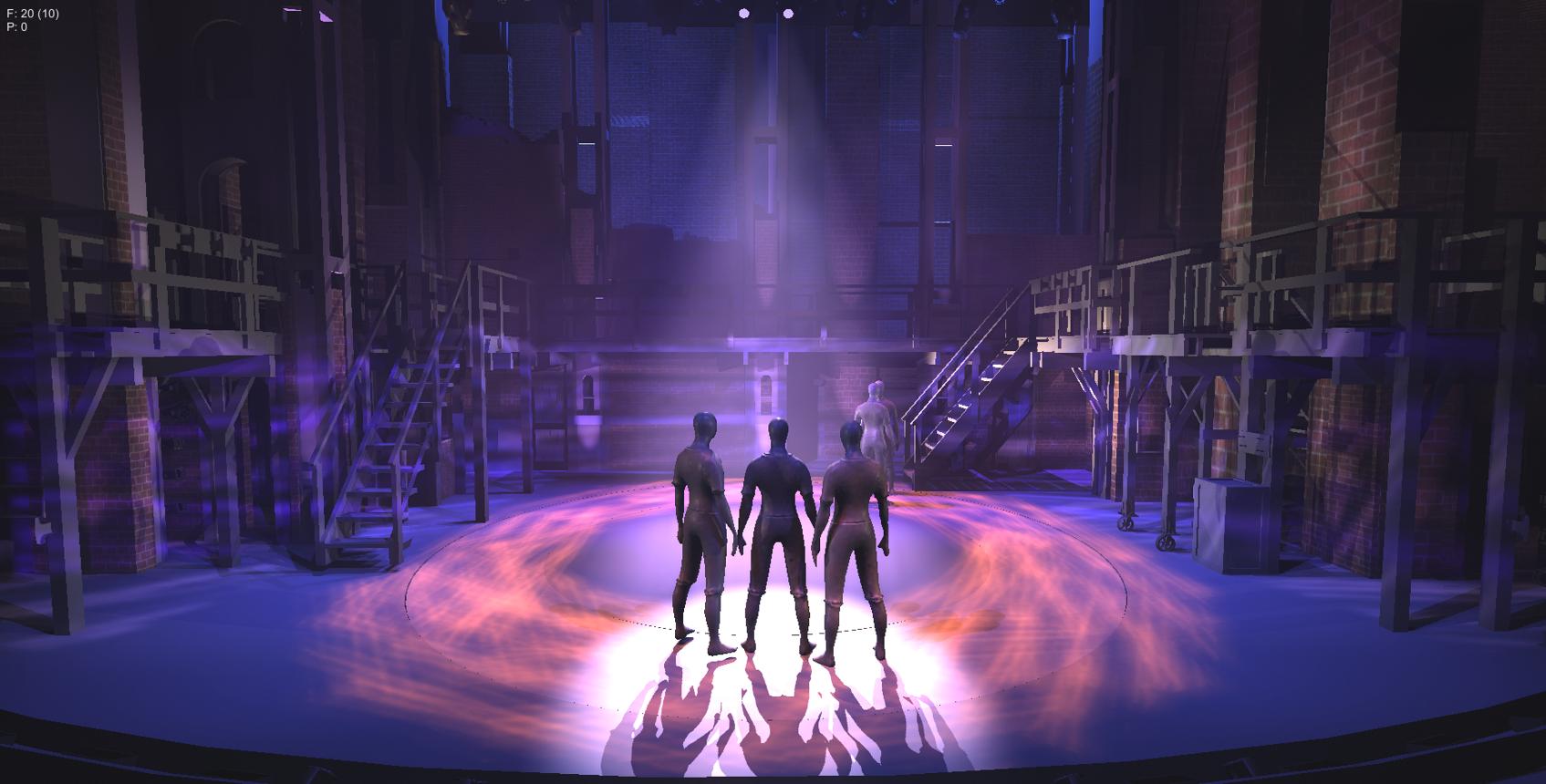
Visualisation and scene building are important parts of a director’s work. They involve imagining how each scene will look on stage and planning the environment in which the characters will perform. The director thinks about the setting, the arrangement of objects, the actors’ positions, and the movements that help bring the story to life.
During this process, the director decides how the stage space will be used. For example, a scene set in a royal palace may require a throne, decorative curtains, and suitable furniture, while a scene set in a forest may use artificial trees, leaves, and sound effects to create the atmosphere of nature. The director also considers how lighting, colours, costumes, and sound will contribute to the mood of each scene.
To organise these ideas, directors sometimes prepare simple sketches or drawings of stage layouts. These visual notes can show the placement of furniture and props, the positions of actors, entrances and exits, and the areas used for different actions. Such sketches help the director communicate ideas clearly to actors and the production team.
Scene building also involves imagining how one scene will lead into the next. The director plans scene changes, actor movements, and the use of stage space to ensure that the performance flows smoothly.
These sketches show:
where the characters are (a street, a school, a forest, a palace);
how and why actors move around in the scene;
what objects or props are used and why; and
which emotions fill the space and how it is achieved (music, light, sound effects).
Scene building
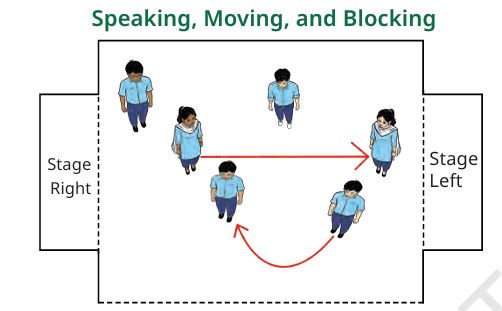
Blocking & Stage divisions
Blocking refers to the process of deciding where sets, properties (props), and actors will be positioned on stage, as well as planning actors’ movements, entrances, and exits. It helps the director organise the performance so that the action is clear, coordinated, and visually effective.
To plan blocking, directors use a system called stage division, which identifies different areas of the stage using standard terms. These terms help directors, actors, stage managers, and technical crew communicate clearly during rehearsals and performances.
Stage division plays a crucial role in several aspects of theatre direction:
i.) Communication: Stage division provides a universal, unambiguous vocabulary for everyone involved in a production, from the director to the cast and crew. This avoids miscommunication.
ii.) Blocking (movement): Directors use stage divisions to plan actors’ movement, ensuring clarity and dramatic effect.
For example, moving downstage (closer to the audience) is often considered a ‘stronger’ or more attention-grabbing move than moving upstage.
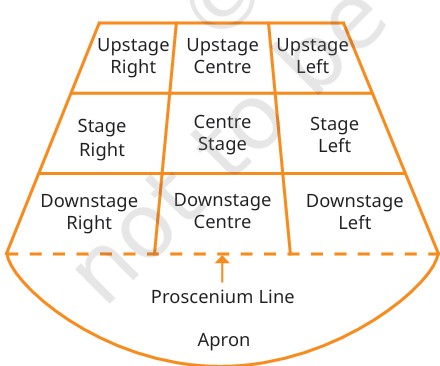
iii.) Focus and emphasis: The position on stage can convey meaning and relationships. For example, centre and downstage centre are the most prominent areas, often used for major speeches or solos, while upstage left might be used for a discreet entrance.
iv.) Technical crew and set design: Lighting designers, sound engineers, and set crews use stage divisions to place equipment and set pieces. The divisions help the creative team determine how set elements can fit within the performance space.
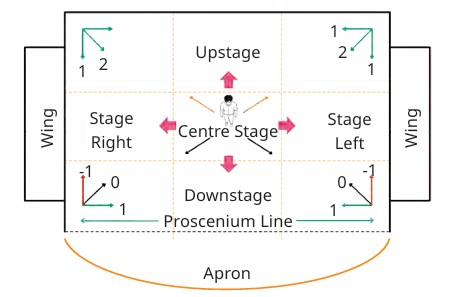
Planning movement on stage
Stage Balance and Composition
Stage balance and composition refer to the way actors, props, sets, and actions are arranged on stage to create a visually pleasing and meaningful scene. The director ensures that the stage does not appear too empty on one side or too crowded on the other. Instead, all the elements are arranged to create harmony, maintain audience interest, and communicate the story effectively.
Stage balance does not always mean placing the same number of actors or objects on both sides. Sometimes, a single actor standing on one side can balance a group of actors on the other through their position, movement, posture, or visual importance. The director considers the size, shape, colour, and placement of stage elements to create the desired effect.
Composition also helps guide the audience’s attention towards important characters or actions. For example, during a king’s speech, the king may stand at the centre of the stage while the other characters are arranged around the throne. In a scene showing an argument, the characters may be positioned on opposite sides to emphasise their conflict.
The director may adjust actors’ positions, move props, or change stage movements during rehearsals to improve the overall appearance of a scene.
This is called Balance Visual Weight. The following have to be kept in mind:
Clear focus: Direct the audience towards where to look first. Highlight the places or person where the story’s action takes place.
Strong diagonals: Diagonal lines (from upstage-left to downstage-right) add depth and interest.
Levels and grouping: Different heights and group shapes (triangles, circles) create attractive stage pictures.
Movement on Stage
Movement on stage is never random; it should express a character’s purpose, emotions, and role in the story. A director carefully plans how actors move, stand, sit, walk, and interact with one another to make the performance natural, meaningful, and engaging.
Important Principles of Stage Movement
1. Motivated Movement
Every movement should have a reason. Actors should move only when their characters have a purpose, such as approaching another person, searching for something, expressing anger, or reacting to unexpected news. Movement should connect naturally with the dialogue, action, or emotion of the scene.
2. Avoid Upstaging
Upstaging occurs when an actor unintentionally draws attention away from another performer or blocks them from the audience’s view. Actors should be aware of their positions and ensure that important characters and actions remain visible. This helps the audience follow the story without distraction.
3. Use the Whole Stage
Actors should make effective use of the entire performance space, including upstage, downstage, stage left, stage right, and centre stage. Each area can serve a purpose depending on the scene. Using the stage thoughtfully creates visual variety and prevents the performance from appearing static or confined to one spot.
4. Maintain Natural Coordination
Actors must coordinate their movements with dialogue, gestures, facial expressions, and the movements of other performers. Proper timing and spacing help create smooth transitions and believable interactions.
Example: In a scene where a character receives frightening news, they might slowly step backwards in shock, approach the messenger to ask questions, or sit down when overwhelmed. Each movement reflects the character’s emotional response and helps communicate the story.
Consolidating All Departments
A theatre production requires different departments to work together under the director’s guidance. These include acting, music, sound, costumes, lighting, set design, and props. While actors rehearse their scenes, the director coordinates with each team to ensure that all elements support the story and the overall vision of the play.
Each team studies the script and discusses its ideas with the director to develop a suitable design for its department. For example, the costume team selects appropriate clothing for the characters, the lighting team plans the lighting effects, and the sound team prepares suitable music and sound effects. The set design team arranges the stage and props according to the needs of each scene.
The director ensures that these elements work together at the right moments. Regular rehearsals and discussions help resolve problems and improve coordination. When every department follows the script and shares the same creative vision, scene transitions become smooth, and the entire performance develops a continuous flow, creating an engaging theatrical experience for the audience.
Polishing, Run-Throughs, and Stage Rehearsals
Polishing, run-throughs, and stage rehearsals are the final stages of preparing a theatre production. During this phase, the entire team rehearses the play repeatedly from beginning to end, including all acting, stage movements, scene changes, music, sound effects, lighting, costumes, and props.
A run-through is a complete rehearsal of the play without stopping unnecessarily between scenes. It helps actors practise their dialogues, expressions, movements, and timing while allowing the technical crew to coordinate lighting, sound, and other effects. These rehearsals help everyone understand how their individual responsibilities fit into the complete performance.
Stage rehearsals allow the team to practise in the actual performance space. Actors become familiar with the stage layout, entrances, exits, and positions, while the technical crew checks equipment and rehearses scene transitions.
During this process, the director focuses on finer details, corrects mistakes, improves pacing, and ensures smooth coordination between all departments. Repeated practice builds confidence, teamwork, and consistency.
Ultimately, these rehearsals prepare the entire team to deliver a polished, well-coordinated, and engaging performance for the audience.
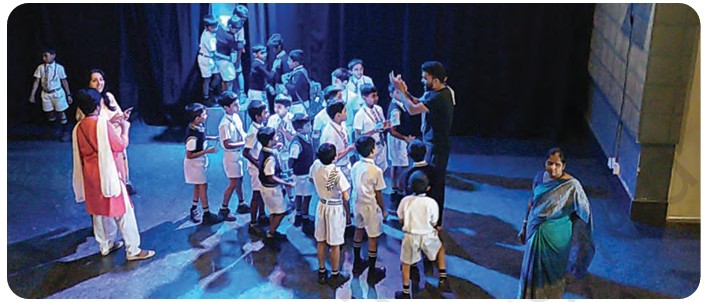
Rehearsals and feedback
Styles of Direction
Theatre directors use different styles of direction depending on the story, the script, the creative vision, and the experience they want to create for the audience. Five common styles are realistic, abstract or symbolic, devised, script-based, and collaborative direction.
1. Realistic Direction
In realistic direction, the stage looks and feels like everyday life. The director aims to make the characters, dialogues, settings, and emotions believable. Actors speak naturally and behave in ways that audiences can recognise from real-life situations. The set may resemble an actual home, classroom, office, or marketplace.
Example: A play about family relationships may show a living room where characters discuss their daily problems.
2. Abstract or Symbolic Direction
Abstract or symbolic direction communicates ideas, emotions, and messages through images, colours, movements, sounds, and symbols rather than realistic settings or actions. Ordinary objects may represent something much larger. For example, a piece of cloth might represent a mountain, while red lighting might suggest anger or danger.
This style encourages the audience to use imagination and interpret the meaning of the performance.
3. Devised Theatre Direction
In devised theatre, the performance is created collectively by the group rather than being based entirely on a fixed, pre-written script. The director acts as a guide, encouraging actors to improvise, share ideas, explore characters, and develop scenes through experimentation.
Example: Students may create a play about environmental pollution using personal experiences, improvised dialogues, movement, and group discussions.
4. Script-Based Direction
Script-based direction begins with a written play. The director carefully studies the script, understands the playwright’s intentions, and decides how the story will be presented on stage. The director plans acting, blocking, movement, costumes, lighting, sound, and scene changes to bring the written text to life.
The director may interpret the script creatively while respecting its central themes and meaning.
5. Collaborative Direction
Collaborative direction involves combining the ideas, skills, and creativity of different artists to develop a shared vision for a production. A theatre director may work with another director, a choreographer, a musician, a designer, or other specialists to shape the performance.
For example, a theatre director and a dance choreographer may work together to communicate a story through dialogue, music, and movement.
The Director: Captain of the Ship
A director is often described as the captain of the ship because they guide the entire production towards its goal. The director makes important artistic decisions, coordinates the team, solves problems, and ensures that all departments work together effectively. However, directing is not only about giving instructions; it also involves listening, encouraging creativity, and accepting responsibility for the production.
Ultimately, the director must consider how the performance will be understood and experienced by the audience. Through clear vision, thoughtful decisions, and teamwork, the director transforms ideas into a meaningful theatrical experience.
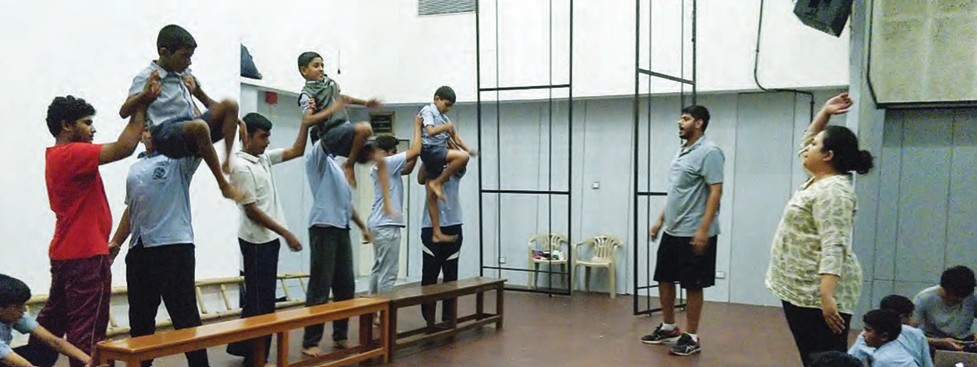
Direction Safety disclaimer: Such acts must be carried out only under the supervision of a teacher.
Activity: The Director in You
In this activity, you will explore how a director can change the impact of a scene by experimenting with different techniques. Form groups of 5–10 students, depending on the scene you choose. Select a scene from a play you have performed and redesign it using the following approaches.
Explore These Directing Techniques
1. Emphasise movement (Āṅgika): Focus on body language, gestures, facial expressions, and physical movements to communicate the story. Use fewer dialogues if appropriate.
2. Emphasise voice (Vāchika): Focus on dialogue delivery, tone, pitch, volume, pauses, rhythm, and pronunciation to express the characters’ feelings and intentions.
3. Experiment with stage positions: Rework the actors’ positions and movements using the nine areas of the stage. Observe how different arrangements affect the audience’s attention and understanding of the scene.
4. Perform without emotions: Enact the scene using neutral facial expressions and a flat tone of voice. Notice how the scene changes when emotional expression is removed.

The chair, a symbolism of theatre for directors
Bringing Characters Alive: Acting
Once the director has visualised the story and shaped each scene, the next step is to bring that vision to life. This is where actors play their essential role. Through their performances, they transform written characters into living personalities and help the audience connect emotionally with the story.
Acting involves much more than memorising and speaking dialogues. Actors use their voices, facial expressions, gestures, body movements, posture, and emotions to portray their characters convincingly. They must understand their characters’ thoughts, feelings, motivations, relationships, and reactions to different situations.
If direction focuses on the overall vision of a play, acting brings life and feeling to that vision. The director provides guidance and structure, while the actors interpret their roles and express the characters’ inner experiences through performance. For example, an actor playing a frightened child may speak hesitantly, avoid eye contact, and move nervously to communicate fear.
Actors also work closely with the director and fellow performers to maintain consistency, timing, and coordination throughout the play. Rehearsals help them improve their expressions, dialogue delivery, movements, and interactions.
Ultimately, acting is the art of making imaginary characters and situations feel real to an audience. Through imagination, observation, practice, and emotional understanding, actors bring stories to life and make theatre a powerful and memorable experience.

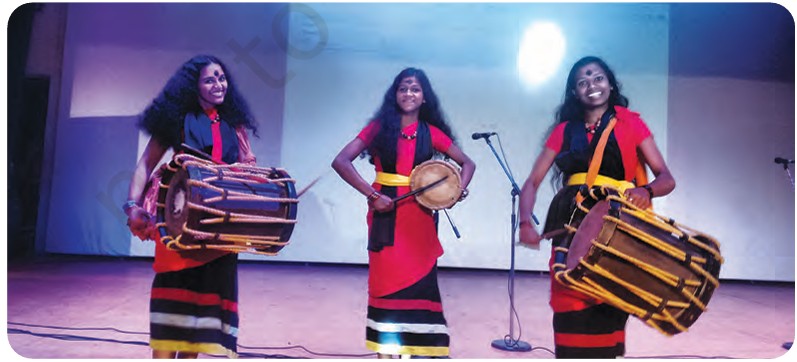
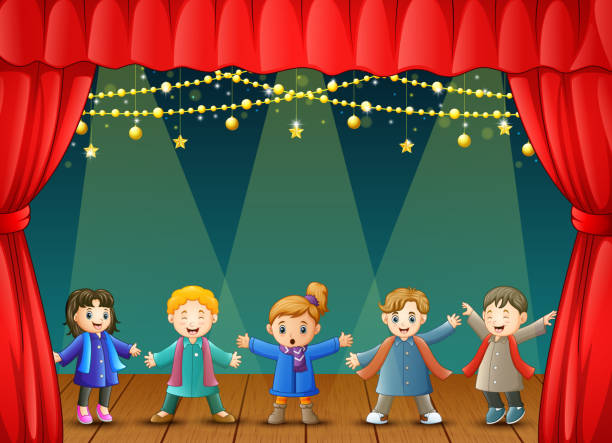
Children bringing characters to life on stage
Schools of Acting — Approaches to the Art of Performing on Stage
Schools of acting are different approaches and systems of training that help actors understand, prepare, and perform their roles effectively. Each approach is based on a particular philosophy about what makes a performance believable, expressive, and powerful. Some schools focus on an actor’s inner emotions and imagination, while others emphasise physical movement, voice, gestures, and outward expression.
Different acting approaches offer actors a variety of tools to develop their skills. They help performers understand their characters, communicate emotions, respond naturally to other actors, and establish a meaningful connection with the audience.
For example, one approach may encourage an actor to draw upon personal experiences to understand a character’s feelings, while another may emphasise carefully planned physical movements, posture, and gestures. Some approaches combine psychological understanding with physical and vocal training to create a complete performance.
Actors and directors choose techniques according to the nature of the play, the character, the performance style, and the desired effect on the audience. These approaches are not always completely separate; performers may combine ideas from different schools to suit their artistic needs.
INDIAN
Nāṭyaśāstra: Chaturvidha Abhinaya
The Nāṭyaśāstra, an ancient Indian treatise on performing arts traditionally attributed to Bharata Muni, explains four major forms of Abhinaya, or the art of expressing and communicating meaning through performance. Together, these four forms help actors bring characters, emotions, and stories to life on stage.
1. Āṅgika Abhinaya — Expression Through the Body
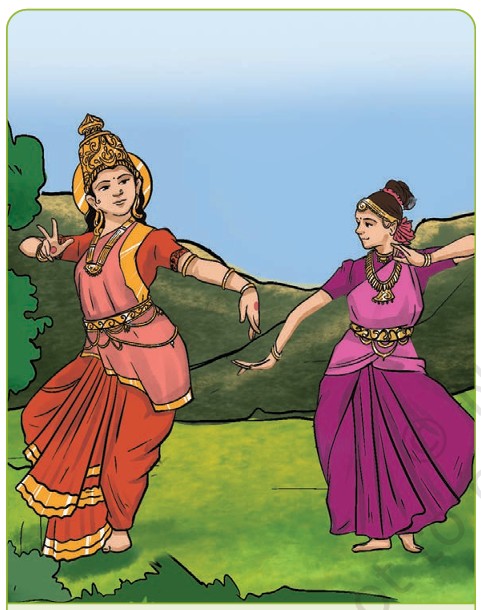
Āṅgika Abhinaya involves using the body to communicate thoughts, feelings, and actions. It includes facial expressions, movements of the head and eyes, hand gestures (hastas), postures, and other bodily movements. For example, an actor may express surprise by widening their eyes, raising their eyebrows, and stepping backwards.
2. Vāchika Abhinaya — Expression Through Voice
Vāchika Abhinaya refers to the use of speech, dialogue, singing, and vocal expression. Actors use variations in pitch, tone, volume, rhythm, and pronunciation to communicate a character’s personality and emotions. A soft voice may express tenderness, while a loud, forceful voice may convey anger or authority.
3. Āhārya Abhinaya — Expression Through Appearance
Āhārya Abhinaya involves the external elements that help create a character’s appearance and establish the world of the performance. These include costumes, jewellery, makeup, hairstyles, masks, and stage decorations, as well as relevant props. For example, a crown and royal costume may help the audience recognise a king.
4. Sāttvika Abhinaya — Expression of Inner Feelings
Sāttvika Abhinaya concerns the expression of deep emotions and inner psychological states. It may be communicated through changes in facial expression, tears, trembling, changes in voice, or other involuntary physical responses associated with intense feelings. For example, an actor may convey grief through tears and a trembling expression. This form of Abhinaya requires sensitivity and a convincing portrayal of the character’s emotional experience.
Traditional Theatre and Ritual Performance in India
1. Gaura-līlā and Gūsta-līlā (Manipur)
Gaura-līlā and Gūsta-līlā are traditional performance forms associated with Manipur that bring together music, dance, acting, and religious rituals. These performances create a harmonious blend of artistic expression and spiritual devotion. Audience members may also participate by singing devotional chants and responding to the performers, making the experience interactive and strengthening the bond between performers and the community.
2. Bhūta-kola (Karnataka)
Bhūta-kola is a traditional ritual performance practised in parts of coastal Karnataka. It involves the worship of local guardian spirits, deities, and ancestral figures through elaborate costumes, rhythmic dance, music, and ceremonial practices. Traditional percussion instruments, including the chende drum, may accompany the performance. Bhūta-kola plays an important role in preserving community traditions, collective memory, and local beliefs about justice and resolving disputes. It is both a sacred ritual and a powerful expression of the region’s cultural identity.

Bhūta-kola
3. Rammāṇ (Uttarakhand)
Rammāṇ is a traditional ritual theatre form practised in the Saloor-Dungra region of Uttarakhand. It has been included in UNESCO’s Representative List of the Intangible Cultural Heritage of Humanity. The performances combine storytelling, music, dance, gestures, and colourful masks to present religious and historical narratives. Different community groups have specific responsibilities in the performance. For example, carpenters may make masks and other objects, while drummers provide the rhythms that accompany the performers. These roles and skills have been passed down through generations, making Rammāṇ an important expression of community identity and cultural heritage.
4. Teyyam (Kerala)
Teyyam is a traditional ritual performance practised mainly in northern Kerala. It combines dance, music, elaborate costumes, striking face painting, and ritual worship. There are numerous forms of Teyyam, each associated with its own stories, distinctive movements, and ceremonial practices. One of its most remarkable features is the belief that, during the ritual, the performer embodies the deity or spirit being worshipped. Community members gather to seek blessings and participate in this sacred tradition. Teyyam preserves local legends, ancestral memories, and religious beliefs while expressing the rich cultural heritage of Kerala.
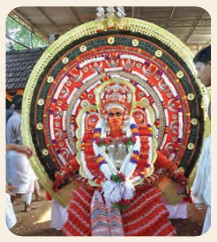
Teyyam
GLOBAL
The System and Method Acting:
During the twentieth century, theatre practitioners such as Konstantin Stanislavski and Lee Strasberg helped develop influential approaches to realistic acting. These approaches encouraged actors to understand their characters deeply and portray emotions and behaviour in a convincing, natural way. Stanislavski developed a system of actor training, while Strasberg later developed Method Acting, drawing on aspects of Stanislavski’s early work.
Key Principles of System and Method Acting
1. Emotional Truth
Actors aim to express emotions in a believable and authentic way. They may draw on their own experiences, memories, imagination, and observations of human behaviour to understand what a character feels.
2. The Magic “If”
Actors ask themselves, “What would I do if I were in this situation?” This question helps them imagine the character’s circumstances and respond naturally to events in the play.
3. Inner Monologue
Actors develop an understanding of the character’s thoughts and feelings, even when the character is silent. This inner thought process helps make facial expressions, reactions, and movements more convincing.
4. Commitment to the Character
Actors remain deeply engaged with their characters throughout rehearsals and performances. They consider the character’s motivations, relationships, and circumstances, including what happens outside the scenes in which the character appears. This helps maintain consistency in the portrayal.
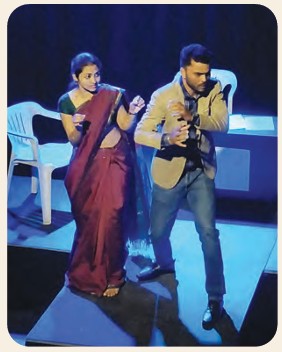
Method acting
1. Epic Theatre — Alienation Theory
Associated with Bertolt Brecht
Epic Theatre was developed by German playwright and director Bertolt Brecht. It encourages audiences to think critically about society rather than becoming completely absorbed in the emotions of a story.
Actors often maintain a visible distance from their characters and may directly address the audience or comment on their actions. This technique, known as the alienation effect, reminds viewers that they are watching a performance. It encourages them to question social problems, injustice, and human behaviour instead of simply accepting what they see on stage.
2. Poor Theatre
Developed by Jerzy Grotowski
Poor Theatre, developed by Polish theatre practitioner Jerzy Grotowski, focuses on the actor and the audience rather than elaborate stage decorations. It minimises the use of expensive sets, properties, costumes, and technical effects.
In this style, the actor’s body, voice, movement, and imagination become the main tools of expression. The close relationship between performers and spectators creates an intense and direct theatrical experience. Poor Theatre demonstrates that powerful performances do not depend on costly equipment or elaborate stage designs.
3. Stella Adler’s Technique
Developed by Stella Adler
Stella Adler’s acting technique emphasises imagination, script analysis, and a deep understanding of the character’s circumstances. Rather than relying mainly on personal memories and emotional experiences, actors use their imagination to explore the character’s background, environment, relationships, and motivations.
Actors study the script carefully and imagine how their characters would think, feel, and behave in different situations. They then develop their voice, movement, gestures, and expressions to portray the character convincingly. This approach encourages actors to look beyond their own lives and create rich, believable performances.
Solo and Group Dynamics in Acting
Acting on stage involves both individual expression and collective harmony. Actors must learn how to perform independently while also working effectively with others. Understanding solo and group dynamics is essential for creating engaging, believable, and well-coordinated performances.
1. Solo Acting (Individual Presence on Stage)
Solo acting focuses on an actor’s ability to hold the audience’s attention independently. It includes monologues, soliloquies, narrations, and moments when a character feels isolated, even when other characters are present.
In solo acting, the performer relies on voice, body language, facial expressions, emotional expression, and imagination to communicate clearly with the audience. The actor must use these skills effectively to express the character’s thoughts and feelings and maintain the audience’s interest.
Example: A character delivering a soliloquy about a secret fear must keep the audience engaged through personal energy, voice modulation, meaningful pauses, and facial expressions.
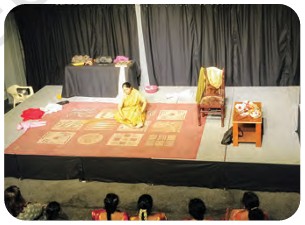
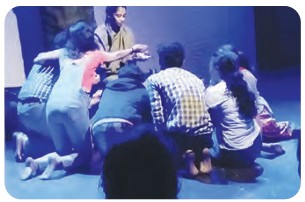
2. Group Acting (Ensemble Dynamics on Stage)
Group acting focuses on performers working together as an ensemble. Each actor contributes to the scene rather than trying to stand out individually. Successful group acting requires attentive listening, good timing, awareness of stage space, and genuine responses to other performers.
Actors must coordinate their movements, react naturally to dialogue, and support the main action. Even when an actor is not speaking, their expressions and movements can help make the scene lively and believable.
Example: In a market scene, one actor may be bargaining with a shopkeeper while other performers move around, talk to one another, carry goods, or react to the conversation. Their coordinated actions create the atmosphere of a busy marketplace.
3. Balancing Solo and Group Work
A strong actor understands when to take the lead and when to support others. Solo acting develops confidence, concentration, and individual expression, while group acting builds teamwork, cooperation, and coordination.
Theatre is both a personal craft and a shared experience. Every performer must contribute their individual skills while respecting the work of the entire group. Balancing these two aspects helps create a unified and effective performance.
Summary
Solo and group dynamics are equally important in acting. Solo performance allows actors to express a character’s inner world, while ensemble performance brings characters and situations to life through cooperation. By practising both, young actors can develop confidence, creativity, communication, and teamwork.
Conclusion:
The journey from vision to performance is a creative process that brings together imagination, planning, expression, and teamwork. Direction and acting are two closely connected elements of theatre that transform a written script into a living experience. The director develops an overall vision for the play, interprets the script, guides the actors, plans stage positions, and coordinates lighting, sound, costumes, props, and other technical elements. Actors use their voices, facial expressions, gestures, body movements, and emotions to communicate the characters’ thoughts and feelings.
Different approaches to acting, such as Stanislavski’s System, Brecht’s Epic Theatre, Grotowski’s Poor Theatre, and Stella Adler’s technique, demonstrate that there are many ways to create meaningful performances. Each approach offers a different perspective on character development, imagination, emotional expression, and the relationship between performers and audiences. Similarly, stage direction helps establish the atmosphere, rhythm, movement, and visual composition of a performance.
Solo acting teaches performers to develop confidence, concentration, and individual expression, while group acting encourages cooperation, listening, timing, and mutual understanding. Rehearsals allow actors and directors to experiment with ideas, correct mistakes, improve coordination, and refine their creative choices. Every member of the production team contributes to the final result, making theatre a truly collaborative art form.
Ultimately, successful theatre depends not only on talent but also on dedication, discipline, creativity, and respect for others. When a director’s vision combines with the actors’ commitment and the production team’s efforts, a simple script can become a powerful and memorable performance. Theatre allows us to explore human emotions, understand different perspectives, question social ideas, and connect with others through shared experiences. For young learners, studying direction and acting is an opportunity to discover their creativity, build confidence, develop communication skills, and appreciate the magic of bringing stories to life on stage.