
Introduction:
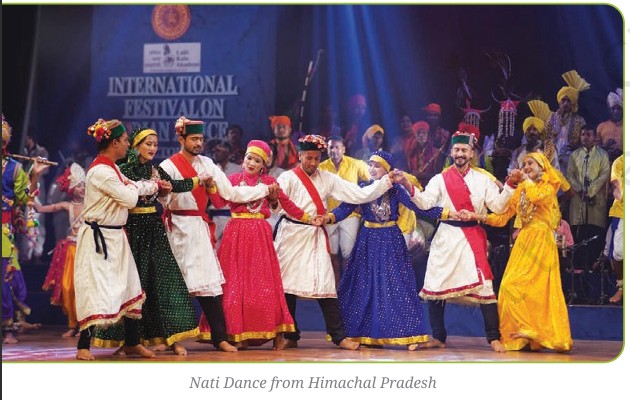
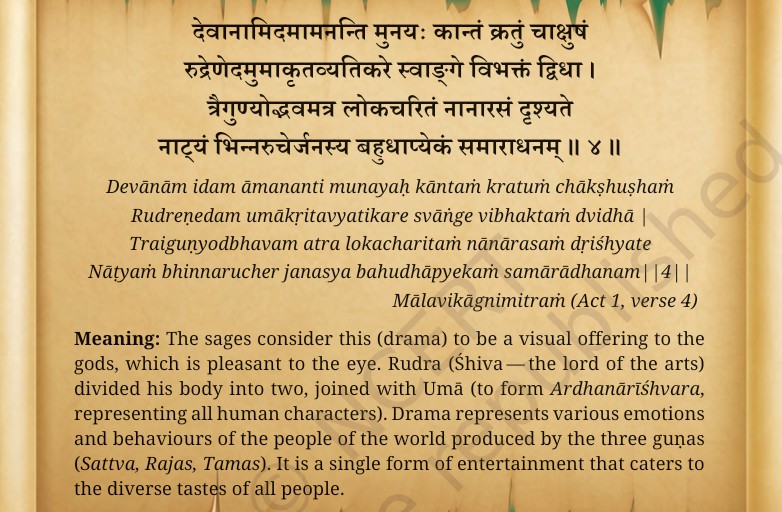
The Stage Is Yours celebrates the creativity, imagination, and teamwork involved in the art of theatre. Theatre provides a platform for people to express their thoughts, emotions, experiences, and stories through acting, dialogue, movement, music, and visual presentation.
A performance can take place anywhere, from a classroom or garden to a professional stage, allowing everyone to explore their creative potential. Theatre is a collaborative art form in which different people contribute their skills to bring a story to life.
As a theatre artist, you can be an actor who portrays characters, a playwright who writes scripts, a director who guides the performance, a set designer who creates the stage environment, a costume designer who prepares outfits, a makeup artist who transforms performers, or a lighting and sound designer who creates the right atmosphere.
Every role is important in making a performance successful. Theatre helps develop confidence, communication, cooperation, and problem-solving skills while encouraging respect for different ideas and perspectives. Ultimately, The Stage Is Yours inspires everyone to discover their talents, share meaningful stories, and experience the joy of creative expression.
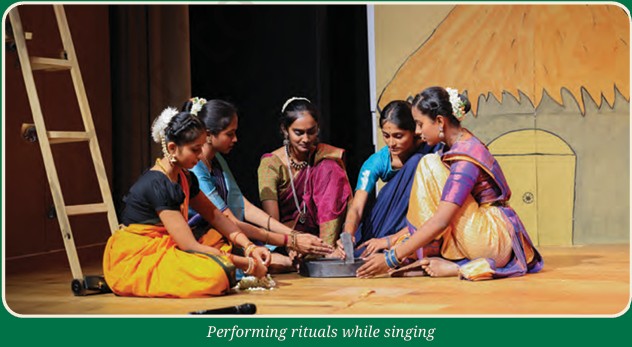
As a theatre artist you can be — ( Different roles in theatre ) :
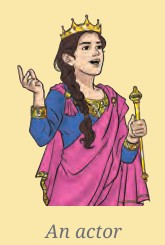
1.) An actor
An actor is a theatre artist who brings a character to life through facial expressions, body movements, gestures, voice, and dialogue. Actors perform in plays, dramas, films, and other theatrical productions to communicate stories, emotions, and ideas to an audience.
They study their characters, understand their feelings and motivations, memorise dialogues, and practise their movements to make their performances believable. Actors also work closely with directors, playwrights, costume designers, and other performers to create a successful production.
Through their performances, actors can entertain audiences, share important messages, explore human experiences, and inspire people to think differently.
Acting develops confidence, creativity, communication skills, teamwork, and emotional expression, making it an exciting and meaningful part of the world of theatre.
2.) A storyteller
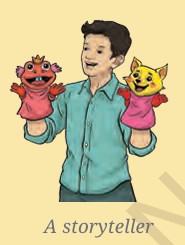
A storyteller is a person who shares stories with an audience through words, expressions, gestures, and voice. Storytellers bring characters, events, and imaginary worlds to life, making stories interesting and meaningful.
They may tell traditional folk tales, myths, legends, historical stories, moral stories, or stories from their own imagination. A storyteller uses facial expressions, body movements, changes in voice, and pauses to capture the audience’s attention. In theatre, storytelling can be performed alone or with the help of music, props, masks, and other performers.
Storytelling helps preserve cultural traditions, develop imagination, share knowledge, and teach valuable lessons. It also connects people by passing stories from one generation to the next.
3.) A creator
A creator is a person who develops new ideas and transforms them into something meaningful and original. In theatre, a creator may develop a story, design characters, create costumes, prepare stage decorations, or use music, lighting, and props to bring a performance to life.
Creators use their imagination, creativity, and skills to make theatre engaging and memorable for the audience. They may work independently or collaborate with actors, storytellers, directors, and other artists.
A creator experiments with different ideas, explores new ways of expressing emotions, and helps turn an ordinary space into a world of imagination. Creativity in theatre encourages innovation, teamwork, and self-expression.

4.) A team player
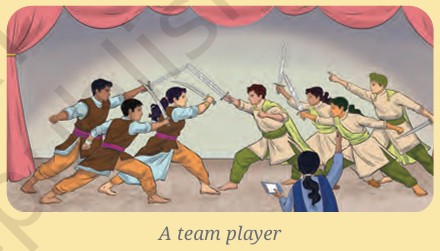
A team player is a person who works cooperatively with others to achieve a common goal. In theatre, teamwork is essential because a successful performance depends on the combined efforts of actors, storytellers, directors, costume designers, musicians, and stage crew members.
A team player listens to others, shares ideas, respects different opinions, and supports fellow performers. They follow instructions, complete their responsibilities, and help solve problems during rehearsals and performances.
Being a good team player also requires patience, discipline, communication, and mutual respect. Through teamwork, everyone contributes their unique talents to create an enjoyable and meaningful theatrical experience for the audience.
Revisiting the Basics with Vidūṣhaka:
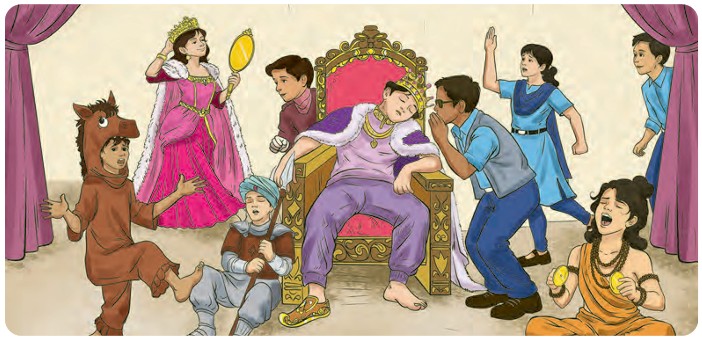
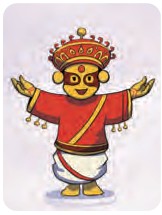
Vidūṣhaka is a humorous and witty companion character in classical Sanskrit theatre who entertains the audience through jokes, clever dialogue, and amusing actions while sometimes offering wisdom and insight.
Let’s revise the key skills you explored with Vidūṣhaka:
- Body language: How you stand, move, and use gestures tells the audience who you are — even before you speak!
- Expression and voice: Your tone, volume, and facial expressions convey emotion and intent.
- Improvisation: Thinking and reimagining! Theatre often surprises you — and improvisation helps you adapt quickly and stay in character.
- Story building: Every scene, even a small one, needs a beginning, middle, and end. You learned how to shape stories with structure, imagination, and teamwork.
Navarasa: The Nine Emotions in Indian Theatre:
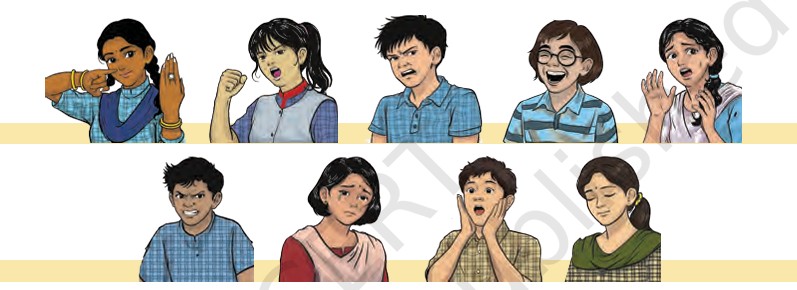
The Nāṭyaśāstra, an ancient Indian treatise on performing arts traditionally attributed to Bharata Muni, explains important aspects of drama, dance, music, and emotional expression. The concept of Navarasa refers to the nine rasas, or aesthetic experiences, expressed through theatre, dance, and other art forms.
| No. | Rasa | Meaning |
| 1 | Śṛiṅgāra | Love and beauty |
| 2 | Vīra | Courage and bravery |
| 3 | Karuṇa | Sorrow and compassion |
| 4 | Raudra | Anger and fury |
| 5 | Bhayānaka | Fear and terror |
| 6 | Bībhatsa | Disgust and aversion |
| 7 | Hāsya | Laughter and humour |
| 8 | Adbhuta | Wonder and amazement |
| 9 | Śānta | Peace and tranquillity |
In simple words: Navarasa helps performers communicate different emotions to the audience through facial expressions, gestures, body movements, dialogue, and music. These nine rasas make performances expressive, engaging, and meaningful.
Form Your Theatre Team:
Form a team of six to eight members with the help of your teacher. Choose a unique and creative name for your theatre group and design a logo that represents your team’s identity.
Decide the purpose of your group, such as spreading awareness, promoting cultural traditions, or sharing meaningful messages through theatre. Work together to prepare a short performance, such as a play, skit, or storytelling presentation.
Every member should contribute ideas, share responsibilities, and cooperate with others. This activity will help you develop creativity, confidence, communication skills, and teamwork while learning how to express your collective imagination through theatre.
Name Your Team
Choose a unique and meaningful name for your theatre team that reflects the ideas, interests, and personalities of all its members. Discuss the qualities you share, such as energy, humour, creativity, courage, calmness, or a love for storytelling and poetry.
Based on these common qualities, select a suitable word or phrase that represents your team’s identity. A good team name should express unity, imagination, and the spirit of cooperation among all members.
Design a Logo
A logo is a visual symbol that represents the identity, values, and purpose of a theatre team. Before designing a logo, observe logos such as the NCERT logo or your school logo and think about the symbols, colours, and shapes used in them.
Discuss what theatre means to your team, what values you believe in, what kind of stories you want to tell, and what feelings you want to create in your audience. You can use theatre masks, curtains, spotlights, musical notes, or other creative symbols to express your ideas.
Choose colours and designs that reflect your team’s personality and purpose. A meaningful logo will help your team communicate its identity and make it easily recognisable to others.
Logo Artwork
Create a logo for your theatre team by first making a few rough sketches and discussing them with your teammates. Choose a simple and meaningful design that represents your team’s identity, values, and purpose.
You may include symbols such as theatre masks, a spotlight, curtains, or expressive faces to represent acting and storytelling. Select colours that communicate your ideas and make the logo attractive and easy to recognise.
Once everyone agrees on the design, prepare the final artwork neatly on paper or digitally. Include your team’s name within the logo or place it alongside the design. The final logo should be creative, memorable, and easy to reproduce.
Finding Your Story
Finding a story is an important step in creating a meaningful theatre performance. Before choosing a play, students should think about their audience and the message they want to communicate.
Theatre is not only a source of entertainment but also a powerful medium for developing empathy, raising awareness, and encouraging meaningful conversations about social issues. Students can create performances based on real-life experiences, cultural traditions, human emotions, or problems in society.
By understanding their audience and choosing a relevant theme, they can make their performances more engaging and impactful. Theatre with a purpose helps both performers and audiences understand different perspectives, reflect on important issues, and bring positive change to society.
Genre
A genre is a category of theatre based on its form, style, and subject matter. Different genres create different experiences for the audience.
Some well-known theatre genres include tragedy, which presents serious events and suffering; comedy, which uses humour to entertain; fantasy, which explores imaginary worlds and magical events; and musical theatre, which combines acting, songs, and dance to tell a story.
Choosing a suitable genre helps theatre artists decide how to present their story and what kind of experience they want to create for their audience.
Forms of Theatre
India has a rich variety of traditional and modern theatre forms practised across different regions. These forms reflect the country’s diverse cultures, languages, stories, and artistic traditions.
Some well-known Indian theatre forms include Sanskrit theatre, Yakshagana of Karnataka, Jatra of Bengal, Nautanki of North India, Bhavai of Gujarat, Tamasha of Maharashtra, and Ankiya Bhaona of Assam.
Puppetry, street theatre, shadow theatre, and mime are also popular ways of presenting stories. Students can take inspiration from these forms while transforming their own stories into theatrical performances. Exploring different theatre traditions helps them develop creativity, understand cultural heritage, and communicate meaningful ideas to their audiences.
Puppetry
Puppetry is a form of theatre in which puppets are used to tell stories and bring characters to life. It shows that storytelling can happen through everyday objects, as a simple handkerchief can become a bird and a stick can represent a king.
Puppeteers use movements, gestures, voices, and expressions to make their puppets appear alive. India has a rich variety of puppetry traditions, including string puppetry, shadow puppetry, rod or stick puppetry, and glove puppetry.
These traditions are used to present folk tales, mythological stories, historical events, and social messages. Puppetry encourages imagination and creativity while helping preserve India’s cultural heritage.
Kaṭhputlī: Traditional Puppetry of Rajasthan
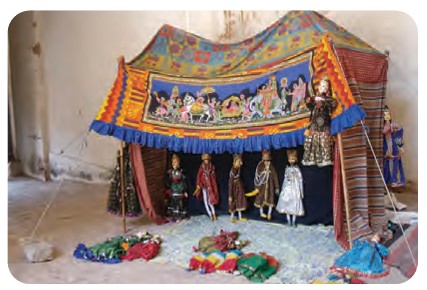
Kaṭhputlī is a traditional string puppetry art form of Rajasthan, India. The puppets are usually made of wood, cloth, and other materials and are controlled by strings attached to their bodies. Puppeteers use skilful movements, expressive voices, music, and colourful costumes to bring the characters to life.
These performances often present folk tales, heroic stories, historical events, and tales of kings and queens. Traditionally performed by travelling artists, Kaṭhputlī entertains audiences while preserving Rajasthan’s rich cultural heritage.
It is an important example of how storytelling, music, and craftsmanship come together in Indian theatre.
Kaṭhputlī: Traditional Puppetry of Rajasthan
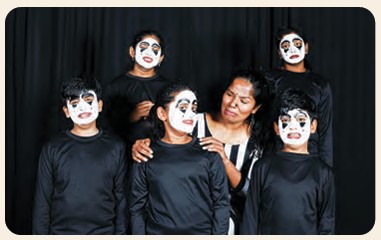
| Activity Mime: A Team Goal Mime is a form of performance in which people communicate ideas, emotions, and actions through facial expressions, gestures, and body movements without speaking. In this activity, each team member performs an action that represents the team’s goal, such as helping others, protecting nature, spreading awareness, or promoting unity. Other team members observe the action and try to guess its meaning. For example, a student can mime planting a tree to represent environmental protection or helping an injured person to show kindness and care. This activity develops creativity, observation, teamwork, and non-verbal communication skills while helping students express their team’s purpose in an interesting way. |
Young mime artists
Process of Making Purposeful Theatre:
The process of making purposeful theatre helps students create performances based on real-life experiences, social issues, and the concerns of their communities. It encourages them to understand people’s perspectives, collect information, and communicate meaningful messages through theatre.
Step 1: Define Your Focus
Each group selects a social theme through discussion. The theme should be relevant to students and the people around them.
Examples include the role of festivals in building community bonds, the importance of protecting the environment, the value of education, or what gives young people hope. This theme becomes the main focus of the theatre project.
Step 2: Framing Questions
After selecting a theme, the group prepares questions to gather information and understand different perspectives.
which can be of two types:
- Open-ended or close-ended. Open-ended questions allow people to express their thoughts, feelings, memories, and experiences in their own words. For example, “Can you share a situation when you felt misunderstood?”
- Close-ended questions offer limited answers, such as Yes or No, or multiple-choice options. For example, “Does your community organise festivals with theatre or folk performances? Yes/No.” Using both types of questions helps students collect detailed as well as measurable information, which can guide them in creating a meaningful and realistic theatre performance.
Step 3: Meet People and Gather Information
In this step, students meet people to understand their experiences, opinions, emotions, and everyday lives. They practise active listening and keen observation to gather useful information. Three methods can be used:
- Questionnaires and surveys help collect opinions from a large group;
- Interviews allow deeper conversations and honest sharing with individuals, experts, or important community members; and
- Observation involves watching and recording people’s behaviour in places such as markets, schools, and workplaces.
During these interactions, students should maintain a theatre journal and prepare character sketches, noting details such as age group, gender, profession, manner of speaking, gestures, and facial expressions. These observations help students understand different perspectives and create realistic characters and meaningful theatre performances based on real-life experiences.
Step 4: Turning Information into Stories for Theatre
After collecting information from people, students gather as a group and discuss their findings. They examine the responses to identify common emotions, important themes, and different perspectives.
They also discuss what surprised them and how the information can be used to develop a story. By connecting real-life experiences with creative ideas, students can transform their findings into meaningful stories that reflect social realities and communicate important messages through theatre.
Step 5: Building the Story
In this step, students develop their story by selecting three key moments that represent the main events or turning points. These moments may combine different ideas and experiences gathered during their interactions.
The group creates a situation for each key moment and decides how the characters will act, speak, and respond. Students can use improvisation, an activity in which performers create dialogue and actions spontaneously, to explore characters, develop scenes, and improve the script.
This process helps them build a clear storyline and prepare an engaging, realistic, and purposeful theatre performance.
Step 6: Theatre Team Production
After developing the story, characters, and basic script, the team begins preparing for the final performance. Each member is assigned a role, such as actor, director, storyteller, costume designer, or stage manager.
The team practises dialogues, facial expressions, gestures, and movements through regular rehearsals. Students also arrange costumes, props, music, lighting, and stage settings according to the needs of the story.
Every member should cooperate, share responsibilities, and support one another to make the performance successful. Finally, the team presents the play to its audience, aiming to communicate its message clearly, raise awareness, and encourage meaningful reflection on the chosen social theme.
Conclusion:
The Stage Is Yours introduces students to the wonderful world of theatre and highlights the importance of creativity, imagination, teamwork, and self-expression. Theatre is not only a form of entertainment but also a powerful medium for sharing stories, expressing emotions, communicating ideas, and spreading awareness about social issues. Through activities such as acting, storytelling, puppetry, mime, and group performances, students learn to develop confidence, improve communication skills, and discover their artistic abilities.
The chapter encourages students to work together, respect different opinions, and appreciate the contribution of every team member. By choosing a team name, designing a logo, defining a purpose, and preparing a short performance, students understand how cooperation and shared creativity can transform simple ideas into meaningful theatrical experiences.
Students also learn how to create purposeful theatre by selecting relevant themes, interacting with people, gathering information, observing everyday life, developing characters, and building stories. These processes help them understand different perspectives, develop empathy, and create performances that reflect real-life experiences and social concerns.
Furthermore, exploring traditional Indian theatre forms, puppetry, and the nine emotions of Navarasa helps students appreciate India’s rich cultural heritage. They discover that theatre can take place anywhere, whether in a classroom, garden, courtyard, or on a professional stage.
Ultimately, this chapter reminds students that everyone has the potential to become a theatre artist. With imagination, dedication, and teamwork, they can entertain audiences, communicate meaningful messages, and inspire positive change. The stage is yours—express your ideas, share your stories, celebrate your creativity, and let your imagination come alive through the magical world of theatre!