
Introduction
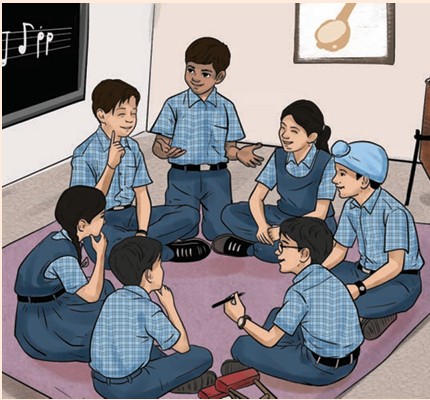
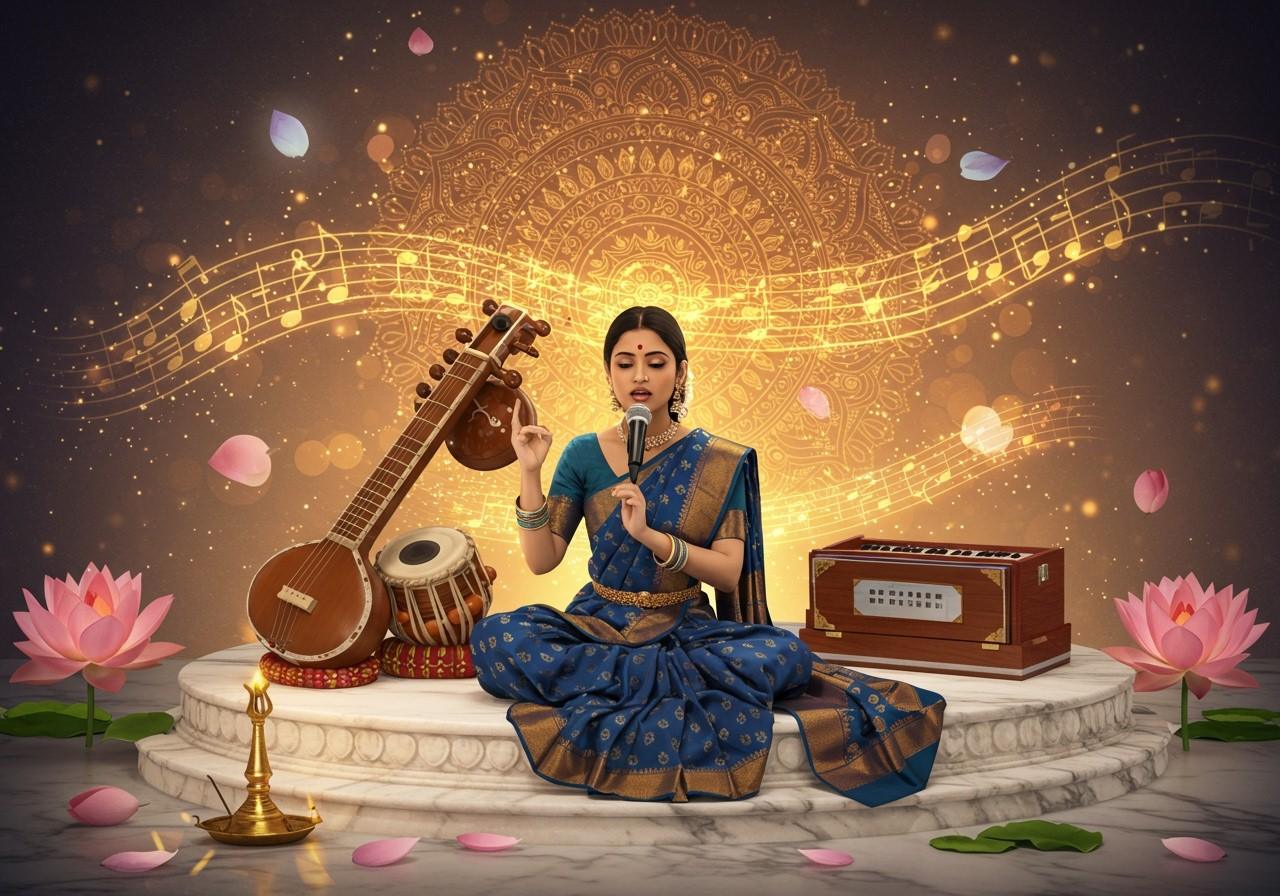
Music and society are closely connected. Music is not only a form of entertainment but also an important part of social life, culture, history, and communication. It reflects the beliefs, traditions, emotions, and experiences of people living in a particular community or time period. At the same time, music can influence society by bringing people together, expressing ideas, inspiring change, and preserving cultural heritage.
Definition
Music and Society refers to the relationship between music and the communities that create, perform, and listen to it. It explores how music reflects social values, cultural traditions, historical events, and everyday life, and how music, in turn, influences people’s thoughts, emotions, and relationships.
Objective: Listening to stereotypes in the lyrics of songs and attempting to create alternatives.
Music can be used for social messaging. During the freedom struggle, our leaders used music to unite people against the British.
1: Music that Unites!
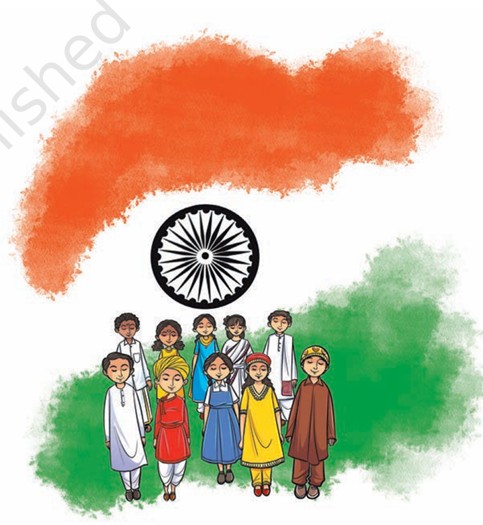
Our national anthem is a reflection of the diversity that is India!
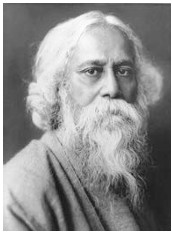
Nobel Laureate Rabindranath Tagore was the first Indian and non-European to break the stereotype and win the Nobel Prize in Literature, 1913. The national anthem was composed in sanskritised Bangla. It highlights India’s vast and diverse geographical landscapes.
• Understand the lyrics and the meaning of the song and reflect on how it celebrates India’s diversity.
• Analyse how the composition makes the song feel majestic.
• Discuss the emotion that the song evokes both through its words and music.
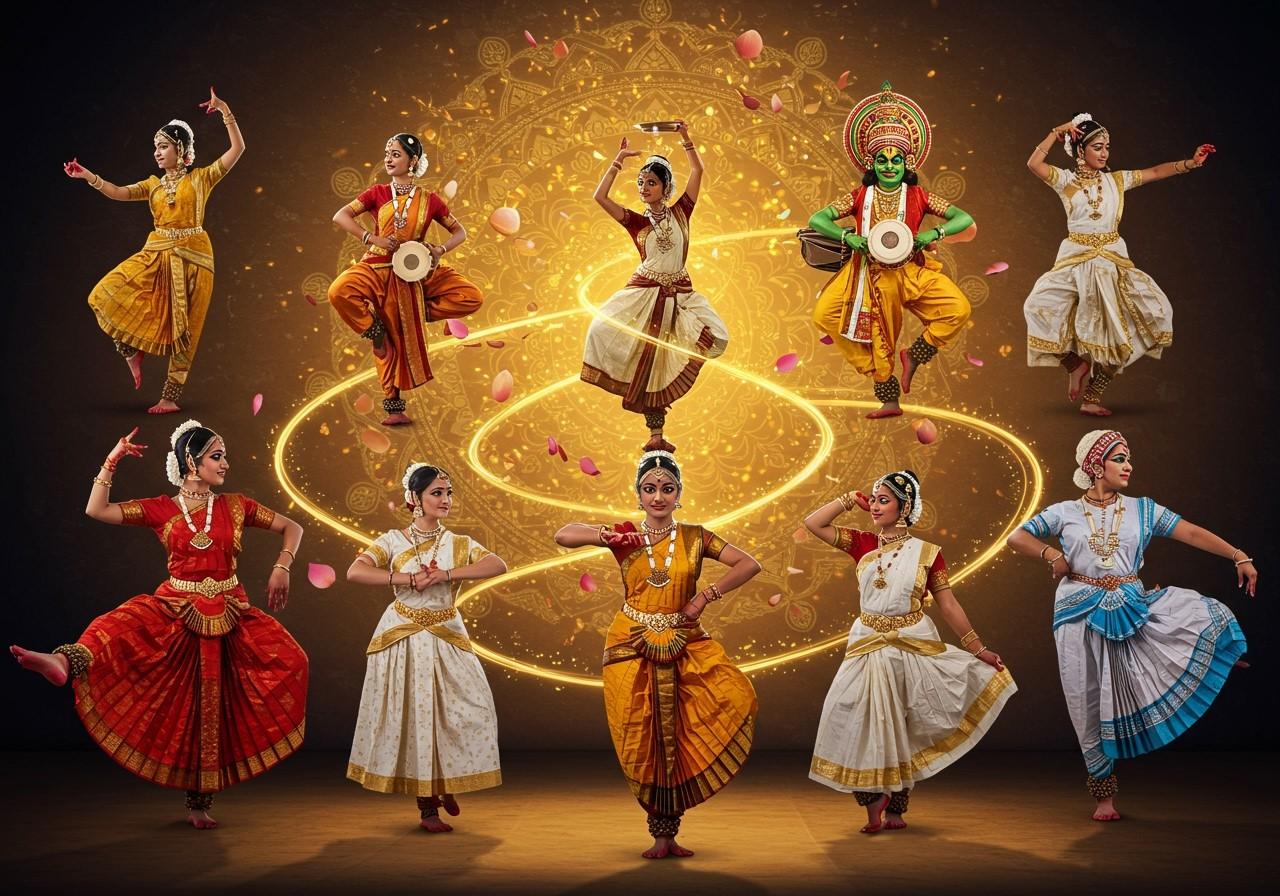
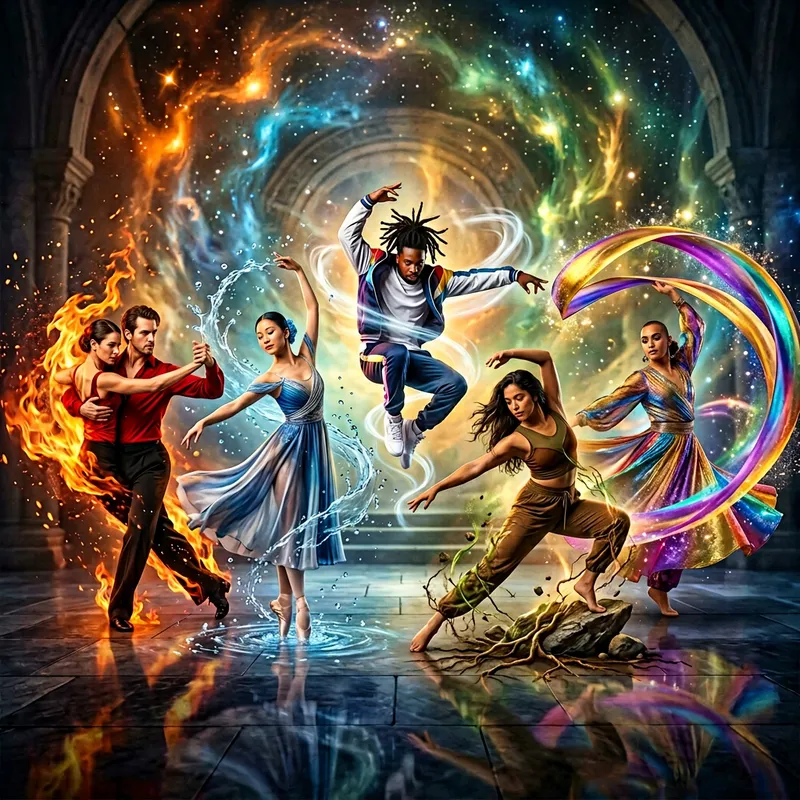
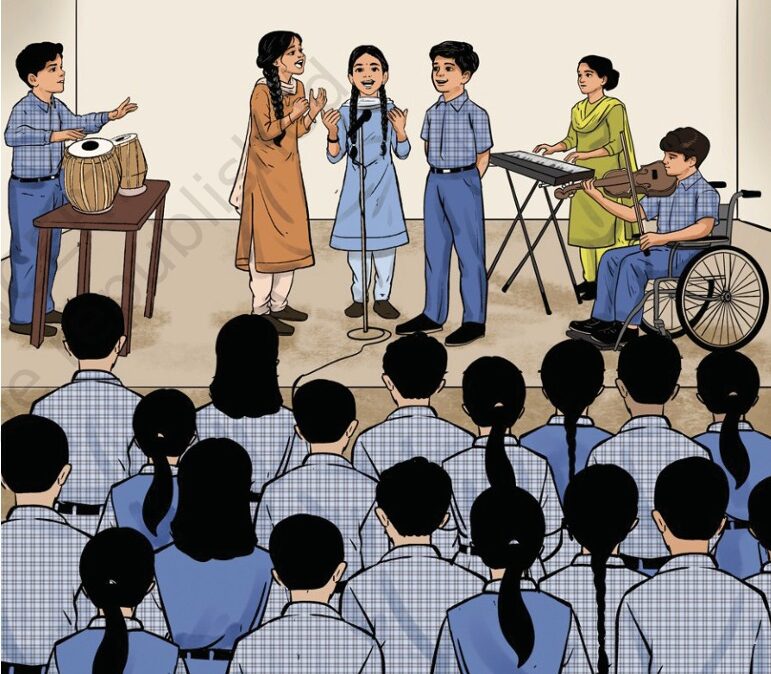
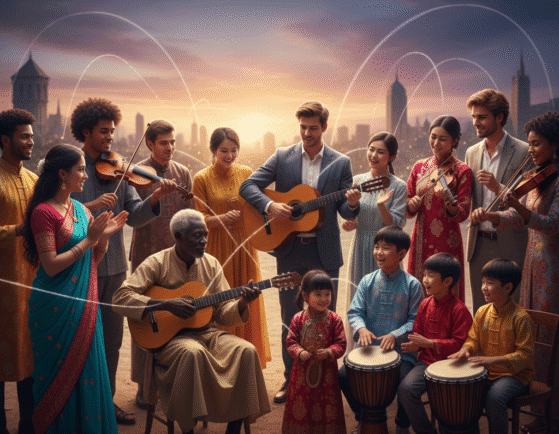
Music That Unites! explores the powerful ability of music to bring people together across different cultures, languages, communities, and backgrounds. Although people may have different traditions and musical styles, music can create a shared experience through rhythm, melody, singing, and emotions. From festivals and cultural celebrations to concerts, school performances, and community events, music encourages cooperation, friendship, understanding, and a sense of belonging.
Definition
Music That Unites refers to the ability of music to connect people and communities by creating shared emotional, cultural, and social experiences, regardless of differences in language, culture, or background.
2: Our Roots
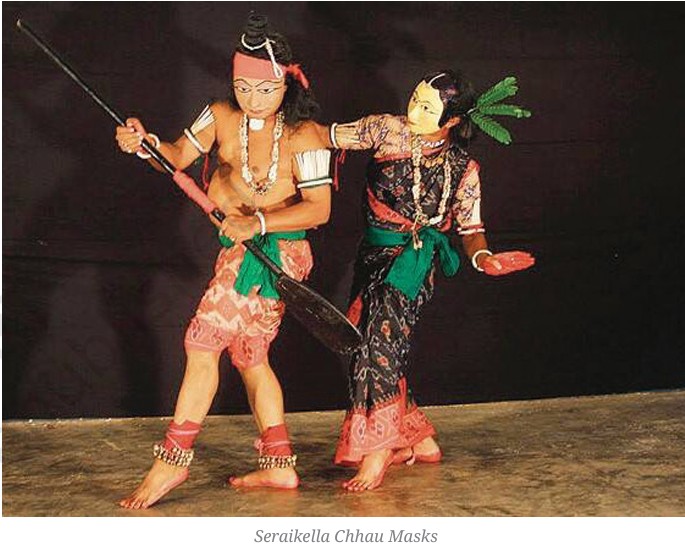
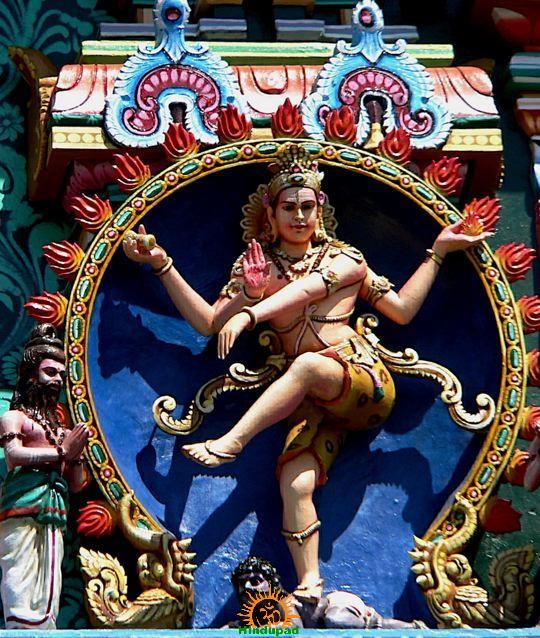
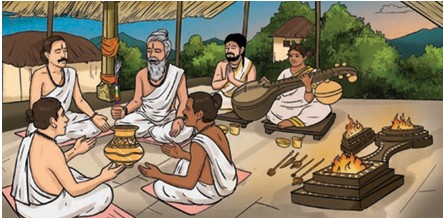
Our Roots is a theme that explores the cultural, artistic, musical, and traditional heritage that connects us to our past. Our roots include the customs, languages, music, dance, art, stories, festivals, values, and knowledge passed from one generation to another. Understanding our roots helps us appreciate our identity and recognize the importance of preserving cultural heritage for future generations.
Definition
Our Roots refers to the cultural and traditional heritage of a community or society, including its history, customs, art, music, language, traditions, and values that have been passed down through generations.
Our Roots in Music
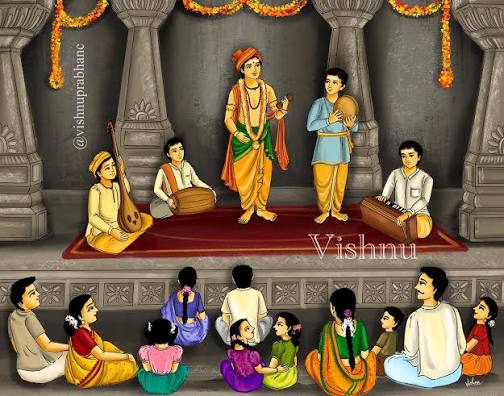
Music is an important part of cultural heritage. Traditional songs and musical instruments often tell stories about people’s lives, celebrations, beliefs, occupations, and history.
Examples include:
- Folk songs
- Tribal music
- Classical music
- Festival songs
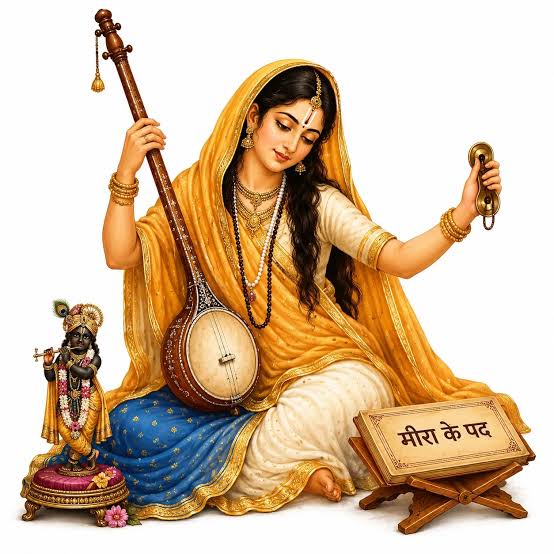
- Traditional devotional music
- Regional musical traditions
Our Roots in Visual Arts
Traditional visual arts include many forms of creative expression, such as:
- Folk painting
- Tribal art
- Traditional crafts
- Sculpture
- Pottery
- Textile art
- Rangoli
- Wood and metal crafts
These art forms often reflect the environment, beliefs, stories, and lifestyles of communities.
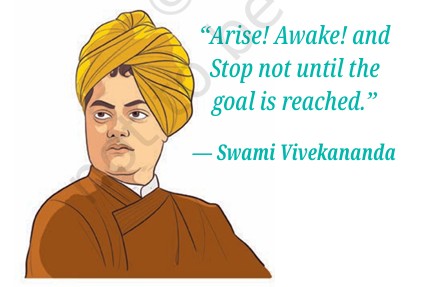
You must have heard about the ancient texts, the Vedas and the Upanishads. They inspire us to be kind, truthful and loving, even when we are different from each other.
Watch and learn to sing this inspirational verse from the Kathopanishad, which was also a favourite verse of Swami Vivekananda.
Uthishtha Jaagrata
Uthishtha Jaagrata
Praapya Varaan Nibodhata,
Kshurasya Dhaara Nishita
Duratyayaa, Durgam Pathastat
Kavayo Vadanti
Listen and Respond
Now, listen to this song. What feeling does it evoke?
3: Be the Change!
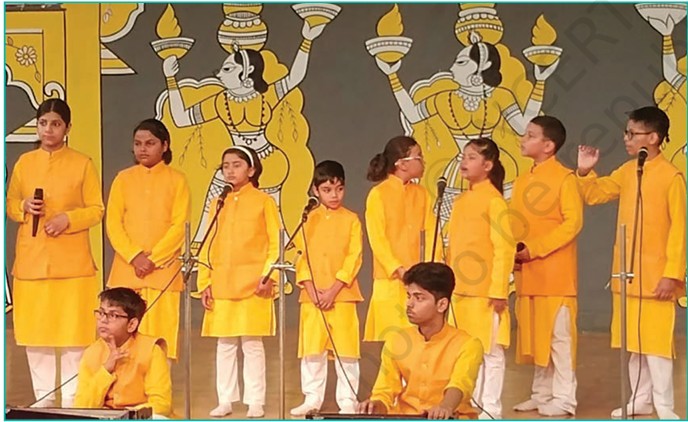
Listen and learn this song, and think about how you can be a superhero and bring about positive change.
Be the Change! is a theme that encourages individuals to take positive action and contribute to a better society. Change often begins with small steps taken by ordinary people. Through creativity, cooperation, awareness, and responsible actions, everyone can play a role in improving their community and environment. Art, music, education, and social participation can become powerful ways to communicate ideas and inspire others.
Be the Change Through Art
Art can communicate powerful messages about society and the environment. Students can use drawing, painting, posters, crafts, photography, and other visual arts to raise awareness about important issues.
Examples include:
- Environmental protection posters
- Anti-pollution artwork
- Save water campaigns
- Tree plantation artwork
- Posters promoting equality and kindness
- Art about peace and unity
Be the Change Through Music
Music can inspire people and communicate messages in an emotional and memorable way. Songs about peace, nature, equality, unity, and social responsibility can encourage listeners to think and take action.
4: Stereotypes
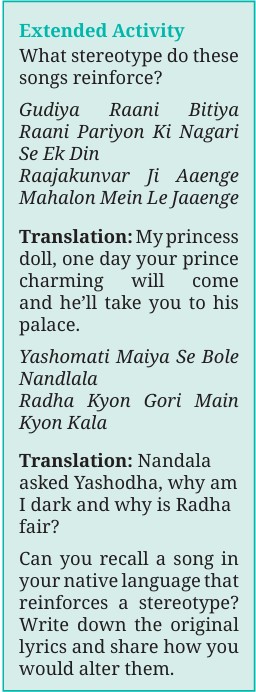
Music can also be used to create stereotypes. Stereotypes refer to preconceived ideas or generalisation based on culture, race, colour, gender or other factors. But you can change it! Listen to the following song and if you are not familiar with the language, read the translation:
Babua Ki Murgi
Babua Ki Murgi Bole Na
Babua Ka Murga Kukadoo Koo
Babua Ki Murgi Rooth Gayi
Naa Maanoo Mai Naa Maanoo
Babua Ka Murgaa Kyu Akade?
Uske Sir Par Kalgi Hai
Jiske Sir Par Taaj Nahi
Vo Bechaari Murgi Hai
Translation
Babua’s hen stays quiet,
While Babua’s rooster goes
cock-a-doodle-doo!
Babua’s hen is upset,
Saying, “I won’t agree!”
Why does Babua’s rooster strut around?
Because he wears a fancy plume, Unlike the poor hen, with no crown! One way you can change the above song is:
Babua Ki Murgi Kyon Khush Hai,
Kyon Khush Hai? Kyonki Anda Deti
Hai, Deti Hai!
Translation:
Why is Babua’s hen happy? Because she gives eggs! Music helps us to bring people together but it can also create stereotypes. Find a song that uplifts you. Learn and teach it to your friend. Consider creating a book with songs that motivate you.
Stereotypes, music, and society are closely connected because music both reflects social attitudes and influences the way people understand one another. Stereotypes are simplified or generalized beliefs about particular groups, cultures, genders, musical genres, or communities. Music can sometimes reinforce these ideas, but it can also challenge them and encourage people to think differently. Exploring this relationship helps us understand the importance of diversity, equality, and individual expression in music and society.
Definition of Stereotypes
A stereotype is a fixed or oversimplified belief about a particular group of people. It assumes that members of a group share the same characteristics, behavior, interests, or abilities.
Stereotypes in Music
Stereotypes in music can appear in several ways:
1. Gender Stereotypes
2. Cultural Stereotypes
3. Genre Stereotypes
4. Instrument Stereotypes
5. Performer Stereotypes
Importance in Music Education
Studying stereotypes, music, and society develops critical thinking and cultural awareness. Students learn to appreciate music without making assumptions about the people who create or enjoy it. It also encourages respect for different cultures, identities, musical preferences, and creative expressions.
Conclusion
Music and society have a deep and lasting relationship. Music reflects the values, traditions, and experiences of communities while also influencing the way people think, feel, and interact. From cultural celebrations and everyday entertainment to expressions of identity and social ideas, music remains an important part of human life. Understanding the connection between music and society helps us appreciate both the diversity of musical traditions and the universal power of music to bring people together.