
My Body in Motion
Introduction
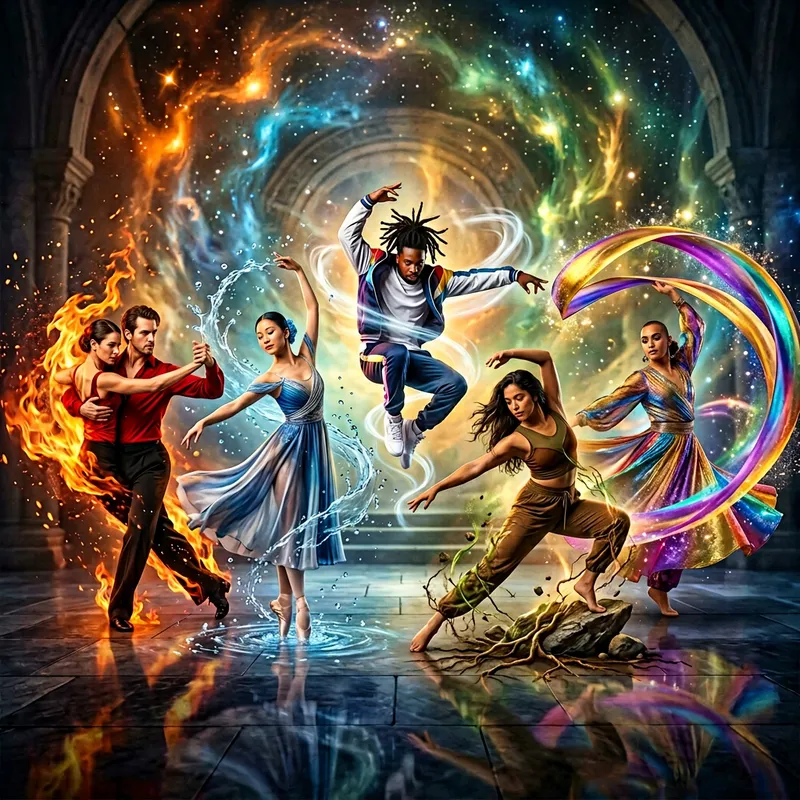
My Body in Motion in dance explores how the human body can be used as an instrument for movement, expression, rhythm, and storytelling. Dance allows performers to communicate ideas and emotions through body movements without depending only on spoken words. Every movement, from a simple step to a complex turn, contributes to the overall expression of a dance performance.
Definition
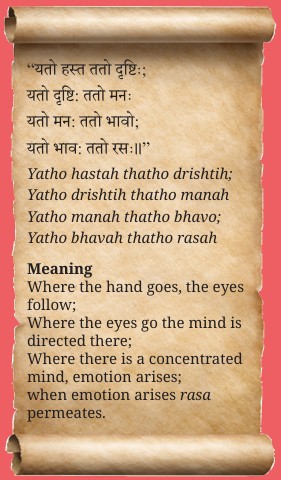
My Body in Motion in dance refers to the creative use of body movements such as walking, jumping, turning, bending, stretching, balancing, and gestures to express rhythm, emotions, ideas, and stories through dance.
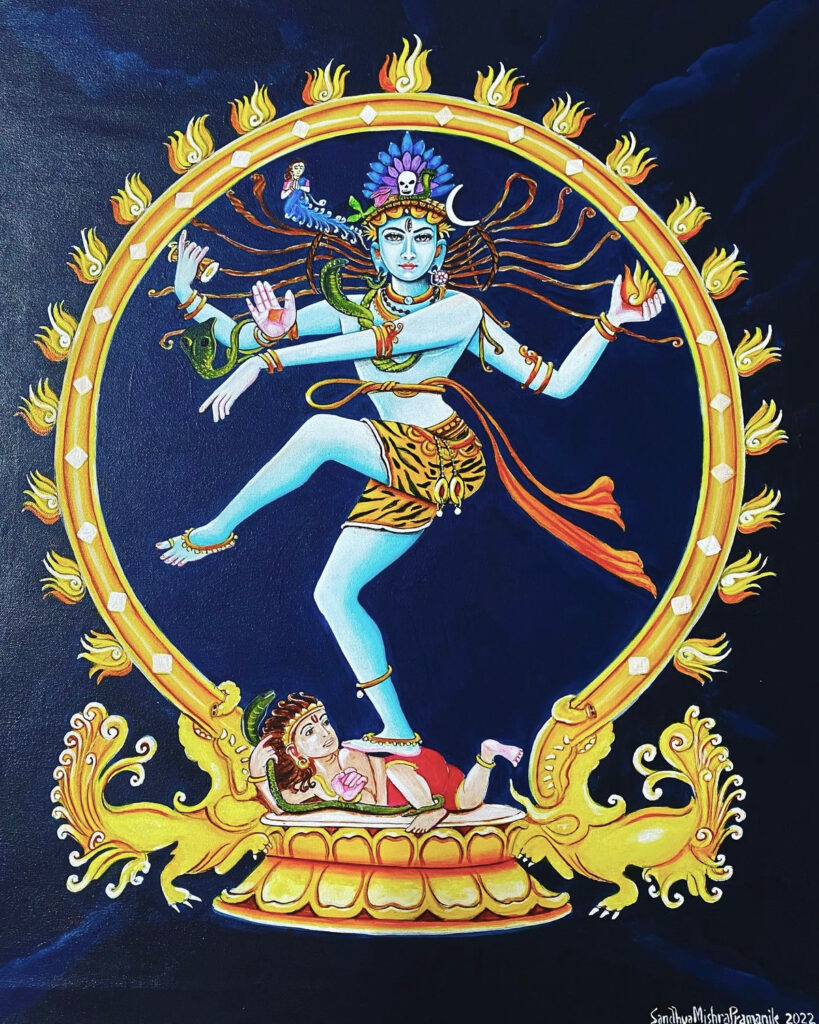
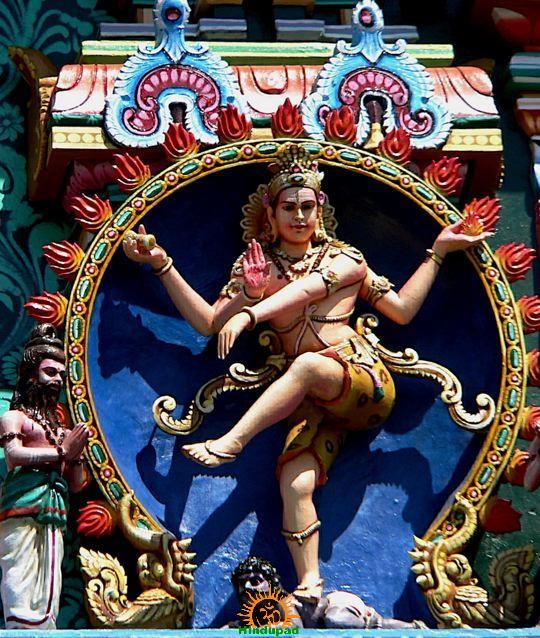
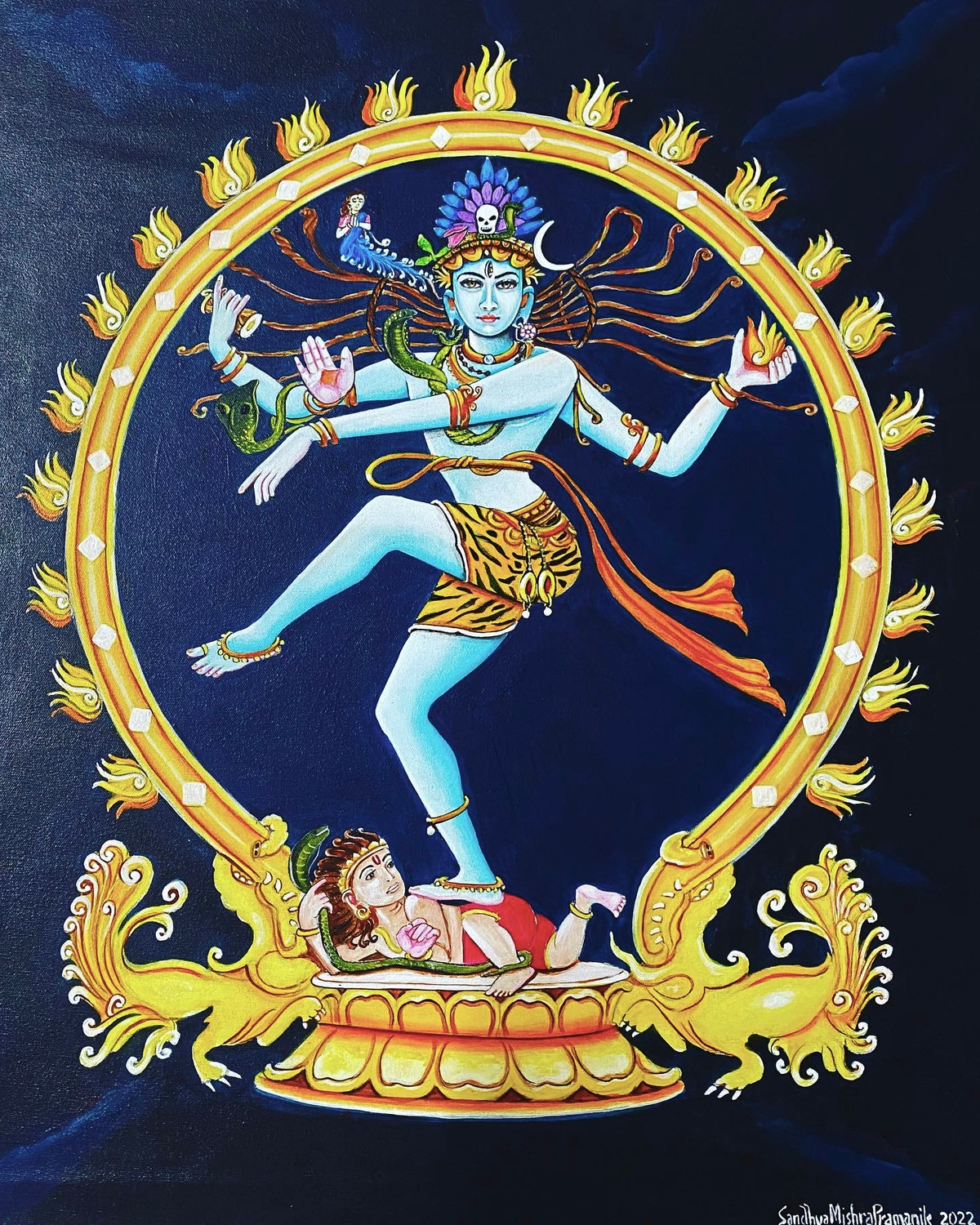
Nataraja dance pose, or Natarajasana (Lord of the Dance Pose), is an iconic standing, balancing, and back-bending posture. Derived from classical Indian dance and Hindu iconography honoring Lord Shiva as the cosmic dancer, the posture forms a graceful body arc while standing on one leg.
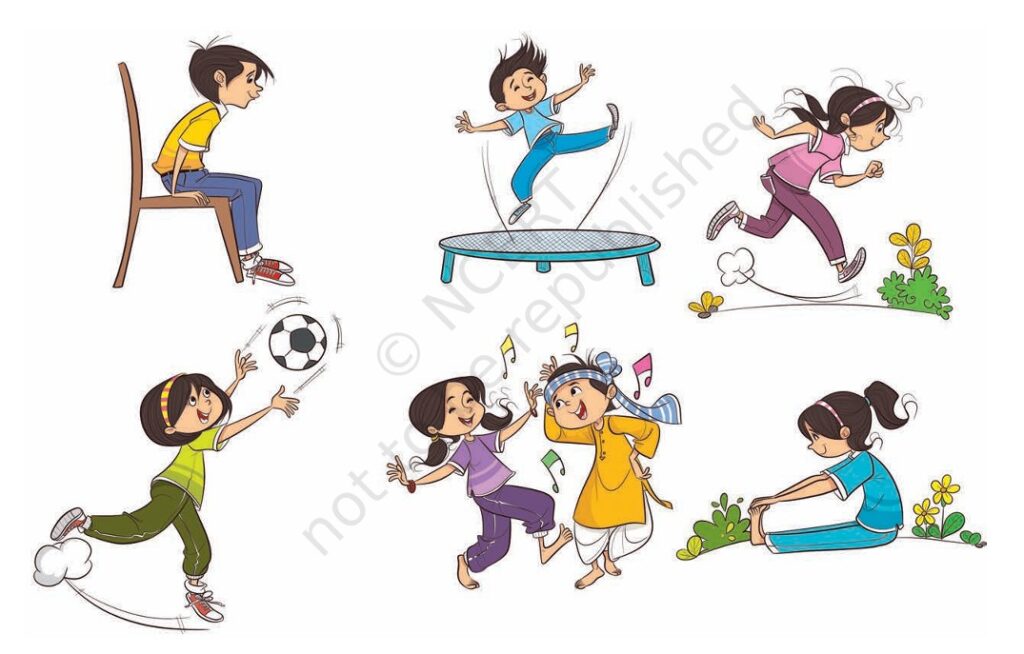
Whatever actions you were doing might have involved some small or big movements.
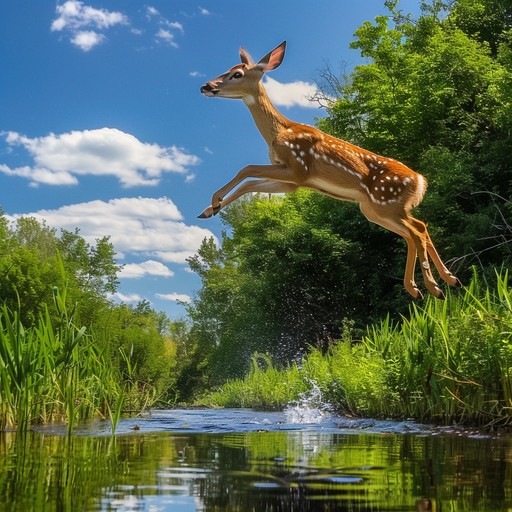
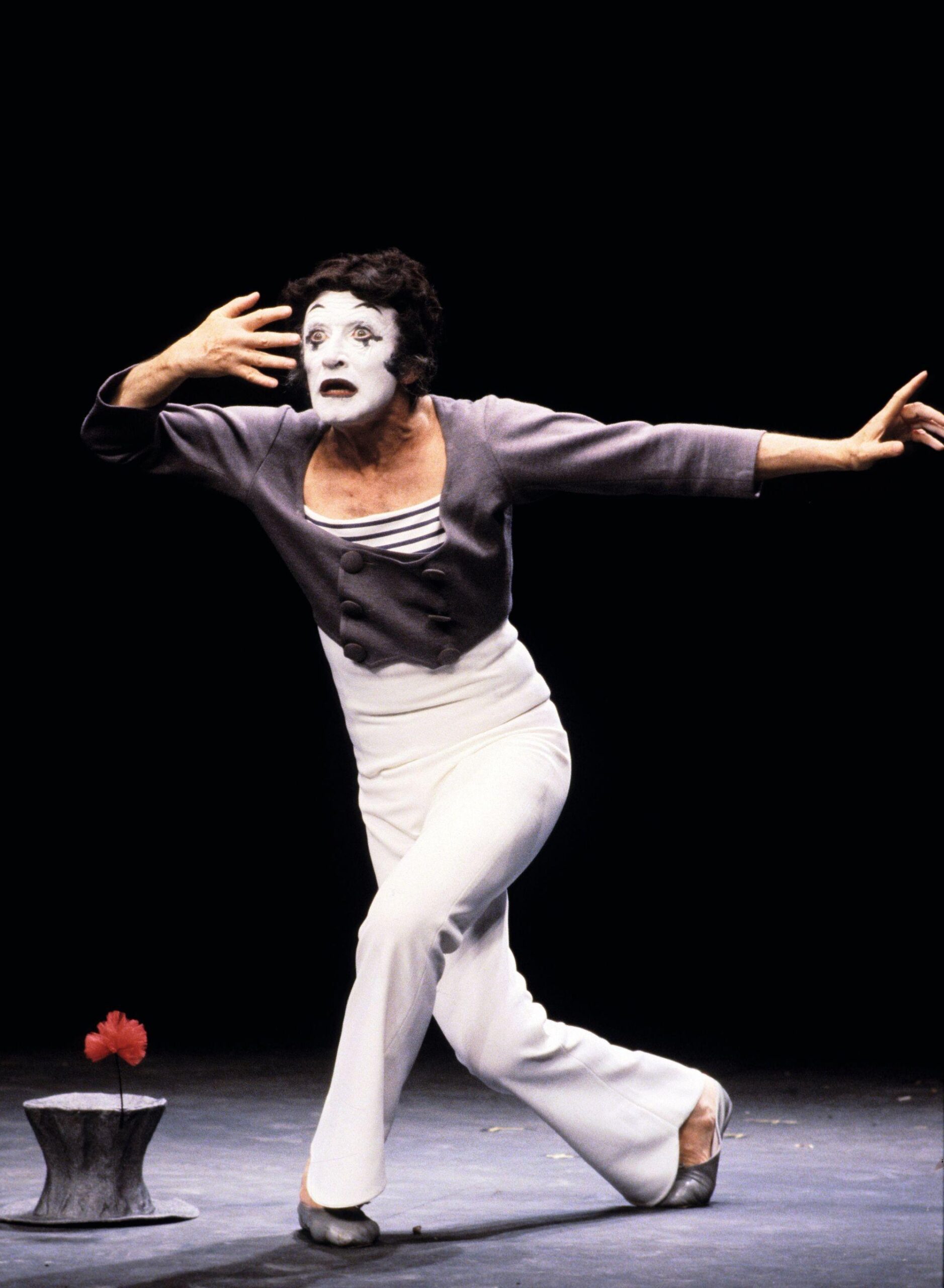
In this world, all living beings move in their own style. Everyone has their own positions, postures, gestures and movements.
Movement means a change in position, place or posture.
For example, performing exercise, playing with the pet, riding a bicycle or any other action that involves your body.
1: Routine Body Movements
Observe yourself. What different types of activities do you perform at home and at school? Every day we carry out various movements.
Introduction
Routine Body Movements refers to the simple movements we perform regularly in our daily lives. Walking, sitting, standing, bending, stretching, reaching, carrying, and turning are all examples of routine body movements. In dance, these everyday actions can become creative movements and can be arranged into sequences to express ideas, emotions, and stories.
Definition
Routine body movements are the natural and repeated physical actions that people perform during everyday activities. In dance, these ordinary movements can be transformed into expressive and artistic movements.
Routine Movements in Dance
Dance artists can observe everyday movements and use them as inspiration for choreography. A simple action such as walking can be changed by altering its speed, direction, posture, rhythm, or energy.
For example:
- Slow walking can express calmness.
- Fast walking can express urgency.
- Repeated movements can create rhythm.
- A wave can become a dance gesture.
- Bending and stretching can create expressive patterns.
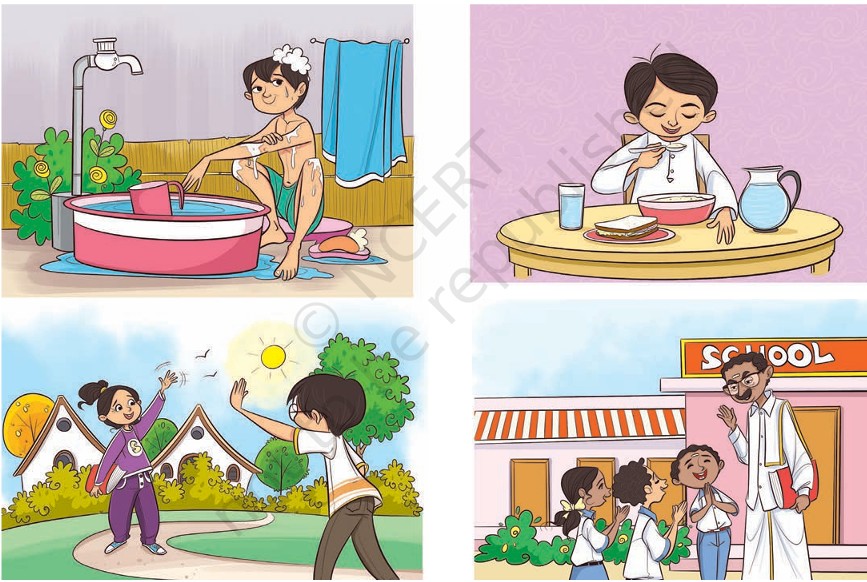
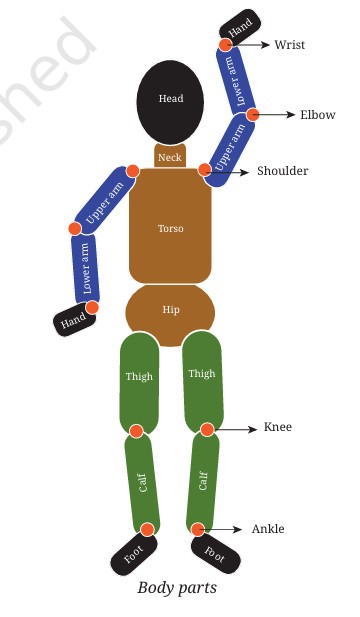
Now, it’s time to recall all the activities of your routine and demonstrate them in the class, using all your body parts.
Importance in Dance Education
Studying routine body movements helps students understand that dance can begin with ordinary actions. It encourages them to observe their surroundings and transform familiar movements into creative expressions.
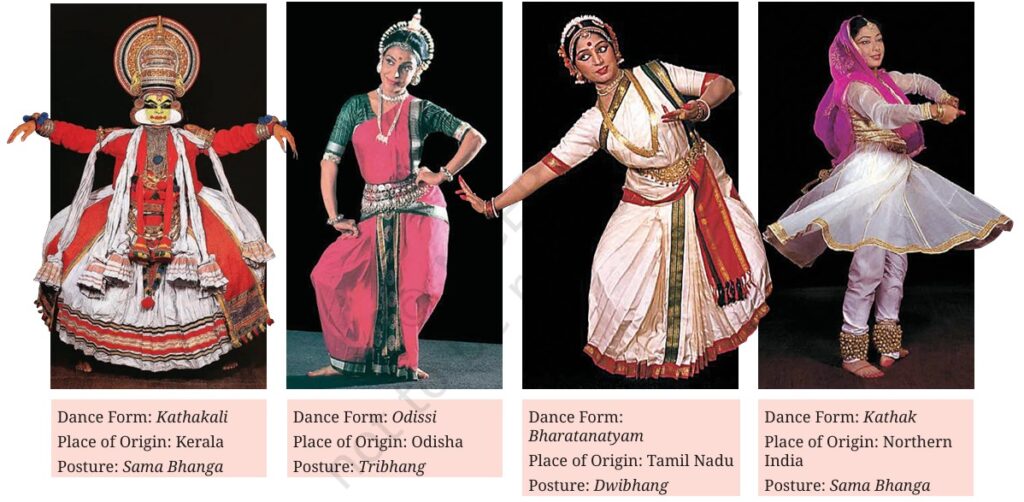
Dance Forms — Place of Origin Different Shapes and Postures.
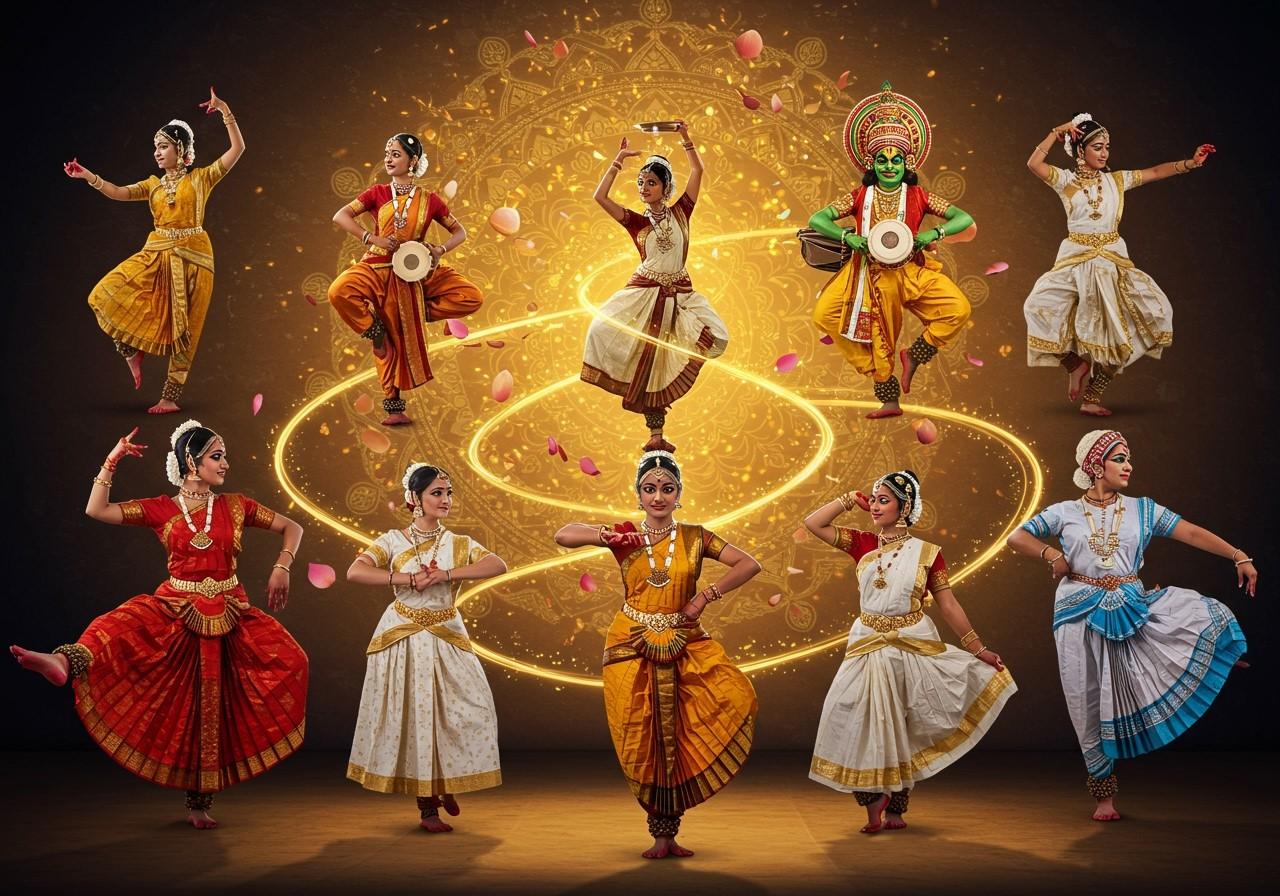
In our country, there are eight forms of classical dance which use all kinds of different bends of the body called Bhangas. They are—
Dance Forms — Place of Origin Different Shapes and Postures.
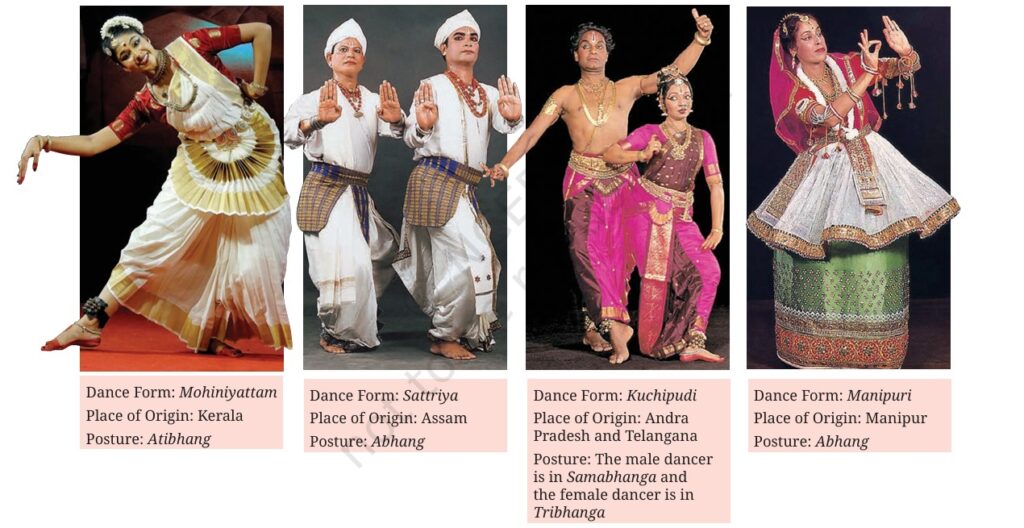
In the Indian classical dance traditions, the middle vertical line of the body is important.
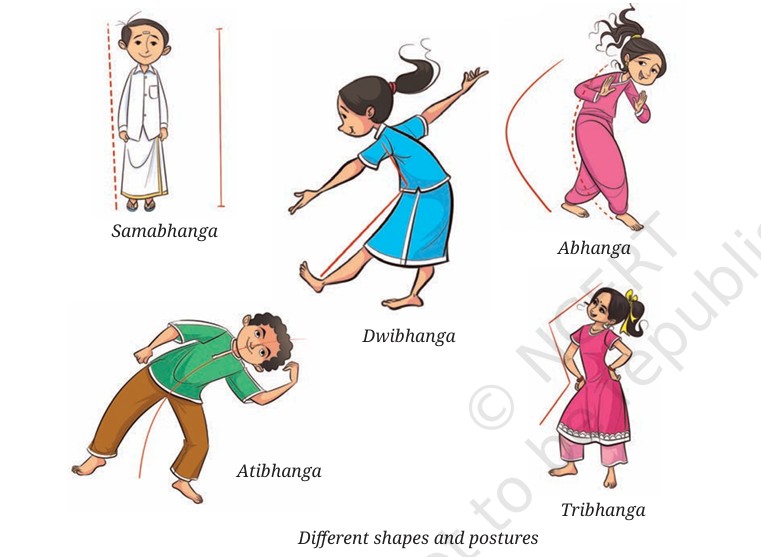
Yes … these are the postures which you might have observed in dances.
2: Incorporating Spinal Bents and Steps
Introduction
Incorporating Spinal Bends and Steps is an important aspect of movement and dance that explores how the spine, legs, and feet work together to create expressive and coordinated movements. Bending, stretching, turning, stepping, and shifting body weight can add variety and meaning to dance sequences. These movements help dancers develop body awareness, balance, rhythm, flexibility, and control.
Definition
Incorporating spinal bends and steps means including controlled movements of the spine, along with different types of steps and foot movements, within a dance or movement sequence to create rhythm, expression, and coordination.
It’s your turn to exhibit your favourite postures with name like tribhanga, dwibhanga and so on. You can start your posture with Sama Bhanga and do spinal bends with the awareness of your breath.
When expanding or stretching the body breathe in, and while contracting or bending the body breathe out. Explore everyday tasks incorporating these steps and spinal bends. Now, observe the various spinal bends that you performed in every task.
With these tasks you have to add simple basic steps like 1-2, 1-2 or 1-2-3-4. Recall different routine tasks and put them in a series with a combination of steps based on either your own experience or observing others.
For instance, stand straight and do four beat steps like tap – toe – tap – tap. Move right leg to the right and show tap – heal – tap – heal in a rhythmic way.
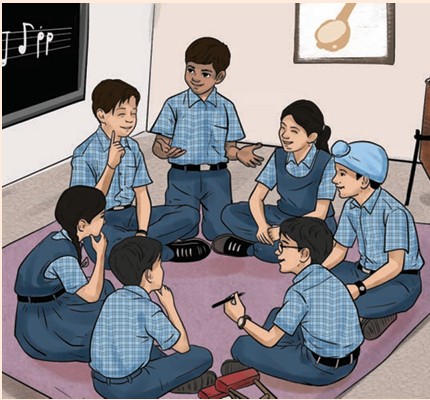
(You can play an instrumental music for this activity or use sargam or swara learnt in music class.) Discuss with your friends about how different spinal bends, beats and movement (tha ka dhi mi or tha thin thinna) can be combined and performed in a group. Make a team of four or five.
Each team will decide how to arrange various spinal bends and postures in a movement series. Try using the basic steps you had learned and repeat the movement phrase while enacting the action.
Examples
1. Pick up a heavy bag.
2. The tall trees swaying.
3. The gentle breeze or strong winds.
4. Playing in the rain.
Examples
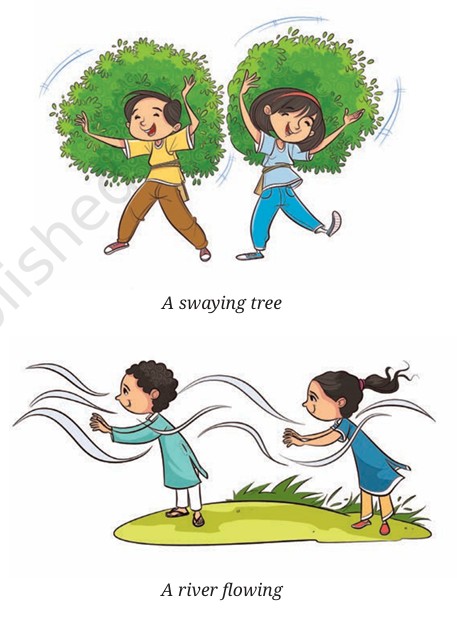
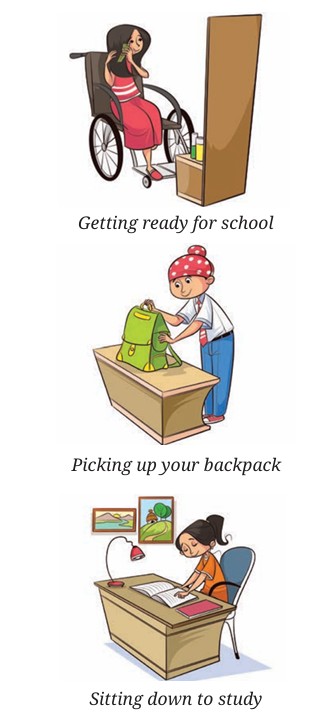
This activity is going to give some basic ideas for your upcoming dances and movements.
Spinal Bends in Dance
The spine plays an important role in movement and posture. Dancers can explore different movements of the torso and spine, such as:
- Forward bending
- Gentle backward extension
- Side bending
- Twisting
- Curving
- Straightening
These movements can be combined with arm movements, facial expressions, and steps to create expressive dance patterns.
Importance in Dance
Incorporating spinal bends and steps can:
- Improve body awareness.
- Develop coordination.
- Strengthen movement control.
- Enhance balance.
- Encourage creativity.
- Improve rhythm and timing.
- Make dance sequences more expressive.
- Help dancers explore different movement qualities.
Enactment: Abhinaya
Let us explore another element of dance that is an expression, bhava.
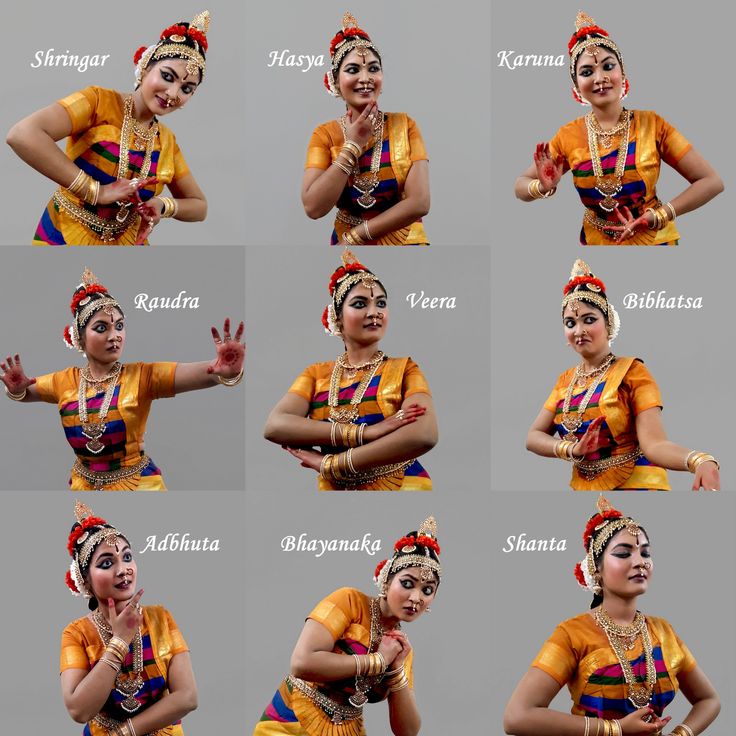
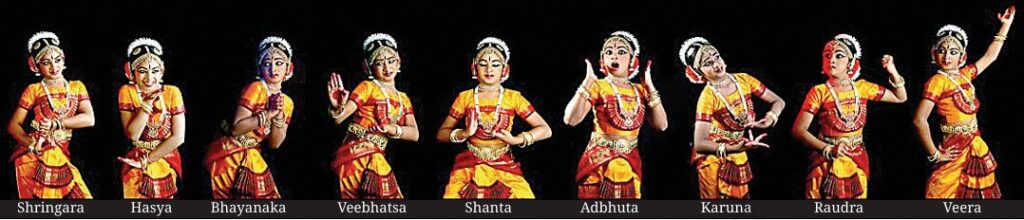
Expressions or bhavas are your own feelings, seen on your face or are the feelings of others as seen by you. They are known as navarasas (shringara or beauty), hasya (humour), karuna (grief and compassion), veera (bravery), raudra (anger), bhayanaka (fearful), veebhatsa (disgust), adbhuta (wonder), shanta (calm).
3: Practice of Different Facial Expression
Introduction
Practice of Different Facial Expressions is an important part of dance and performing arts. Facial expressions help performers communicate emotions, feelings, characters, and stories to the audience. A dancer can use the eyes, eyebrows, mouth, and overall facial movements to express happiness, sadness, anger, surprise, fear, love, excitement, and many other emotions.
Definition
Practice of different facial expressions means learning and practicing various facial movements to communicate emotions, ideas, and characters effectively during dance or other performances.
Importance of Facial Expressions in Dance
Facial expressions make a dance performance more meaningful and expressive. They help the audience understand the emotions behind the movements and connect with the story being presented.
Facial expressions can:
- Communicate emotions without words.
- Make performances more expressive.
- Support storytelling.
- Help create believable characters.
- Improve communication with the audience.
- Add depth and meaning to dance movements.
Common Facial Expressions
1. Happiness
A smile, bright eyes, and relaxed facial muscles can communicate joy and excitement.
2. Sadness
A lowered gaze, gentle facial movements, and a serious expression can communicate sorrow or loneliness.
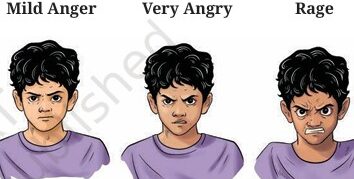
3. Anger
Focused eyes, tightened facial muscles, and a firm expression can represent anger or determination.
4. Surprise
Raised eyebrows, widened eyes, and an open mouth can communicate surprise or amazement.
5. Fear
Wide eyes and a tense facial expression can represent fear or nervousness.
6. Love and Affection
A soft smile and gentle eyes can communicate affection, care, or love.
7. Wonder
Raised eyebrows and an attentive expression can show curiosity, amazement, or wonder.
Look at your friends, teachers and parents … everyone has at least some expression on their face. Isn’t it?
Karuna Raudra Veera Note down these expressions and try to identify their names.
For example, worry, fear, surprise, joy, guilt, anger, humour, sorrow and disgust. As you assemble in the dance class, have a discussion together on the expressions seen earlier on each other’s faces and make a note of the same. How many expressions can you identify?
Can you connect the expressions to the navarasas? Wow! Have you done such an activity before? Can you express your feelings with facial expressions and your body? How did you feel expressing different feelings?
Facial Expressions and Indian Dance
Facial expression is especially important in many Indian dance traditions. Dancers use facial movements, eye movements, hand gestures, body movements, and rhythmic footwork to communicate stories and emotions. The expressive aspect of Indian dance is often closely connected with the presentation of bhava, or emotional expression.
4: Practice Hastamudras
Introduction
Hastamudras are an important part of Indian classical dance and traditional performing arts. They are meaningful hand gestures used to communicate ideas, objects, emotions, actions, and stories. Dancers use their fingers, hands, wrists, eyes, and body movements together to make performances expressive and understandable.
Definition
Hastamudras are symbolic hand gestures used in Indian dance to express words, objects, emotions, actions, and ideas without spoken language.
The word Hasta means “hand,” while Mudra refers to a symbolic gesture or position.
Importance of Hastamudras in Dance
Hastamudras help dancers communicate with the audience through visual gestures. They can represent objects, nature, people, relationships, actions, and emotions.
They help to:
- Communicate stories without words.
- Express emotions and ideas.
- Represent different objects and characters.
- Make dance performances more expressive.
- Support storytelling and choreography.
- Connect hand movements with facial expressions and body movements.
Types of Hastamudras
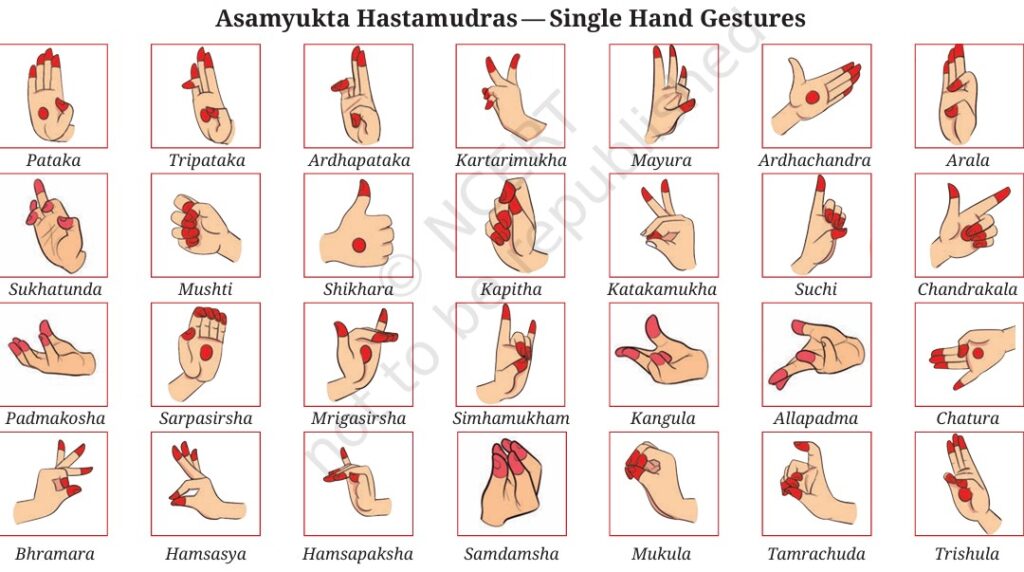
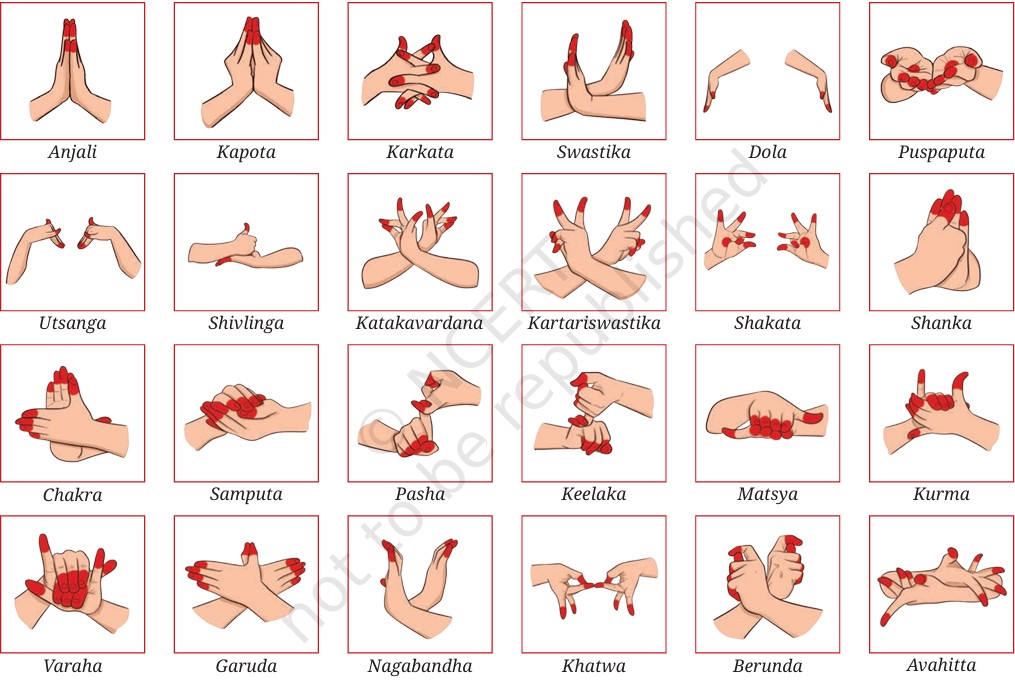
Hastamudras vary between different Indian dance traditions. In the Natya Shastra tradition, hand gestures are broadly discussed as Asamyuta Hastas (single-hand gestures) and Samyuta Hastas (combined-hand gestures).
1. Asamyuta Hastas
These are gestures performed using one hand.
Examples include:
- Pataka
- Tripataka
- Ardhapataka
- Kartarimukha
- Arala
- Shukatunda
- Mushti
- Shikhara
- Kapittha
- Katakamukha
2. Samyuta Hastas
These are gestures performed using both hands together.
Examples include:
- Anjali
- Kapota
- Karkata
- Swastika
- Pushpaputa
- Shivalinga
- Shankha
The exact names, forms, and meanings can vary according to the dance tradition and teaching system.
Hastamudras in Indian Classical Dance
Hastamudras are used in several Indian classical dance traditions, including:
- Bharatanatyam
- Kathakali
- Odissi
- Kuchipudi
- Mohiniyattam
- Manipuri
Each tradition may have its own style, terminology, and interpretation of gestures.
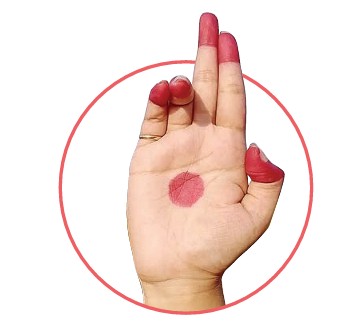
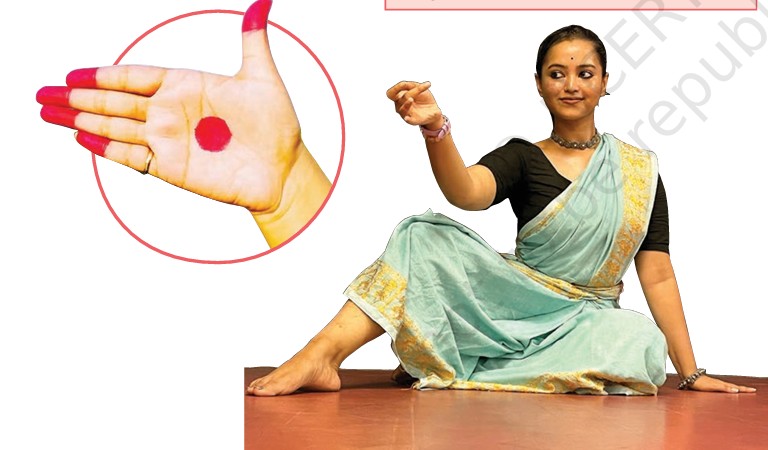
According to Natyashastra, written by Bharatamuni, the hastamudras or hand gestures are used both to embellish the dance but more importantly for abhinaya, narrating stories with special gestures of dance. Some hand gestures given below are taken from a famous book on dance called Abhinaya Darpana.
Samyukta Hastamudras — Joint Hand Gestures
Some Hastamudras Names and Usages in Dance
1. Pataka: Boon, stop, going with both handspataka —claps and cutting to deny.

2. Tripataka: Above head king or deva, applying tilak and spreading both hands up for tree.
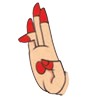
3. Shukatunda: Weapon, lightning, shooting an arrow and headgear.
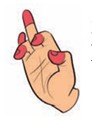
4. Shikhara: Questioning, drink water, to hold stick and shivalinga.

5. Katakamukha: Plucking flowers, eating, holding garland, speaking, tying flower with both hands and holding manjira for bhajan.
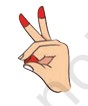
6. Suchi: Pointing others, one, no, call, horn from both hands, keeping on chin and remembering.
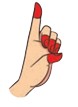
7. Sarpashirsha: Snake and hold something.

8. Hamsapaksha: Invite, a girl and telling secret in other’s ears.

9. Aalapadma: Asking why, blooming flower, with both hands, pot and the sun.

10. Trishula: Weapon, trishula, three and apply horizontal tika on forehead.
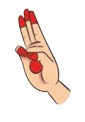
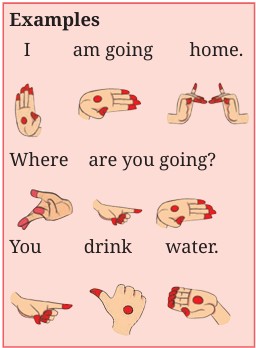
The Indian Sign Language has gestures which are similar to hastamudras. Now, try out some hastamudras or hand gesture yourself with your imagination.
5: Dance to a Song
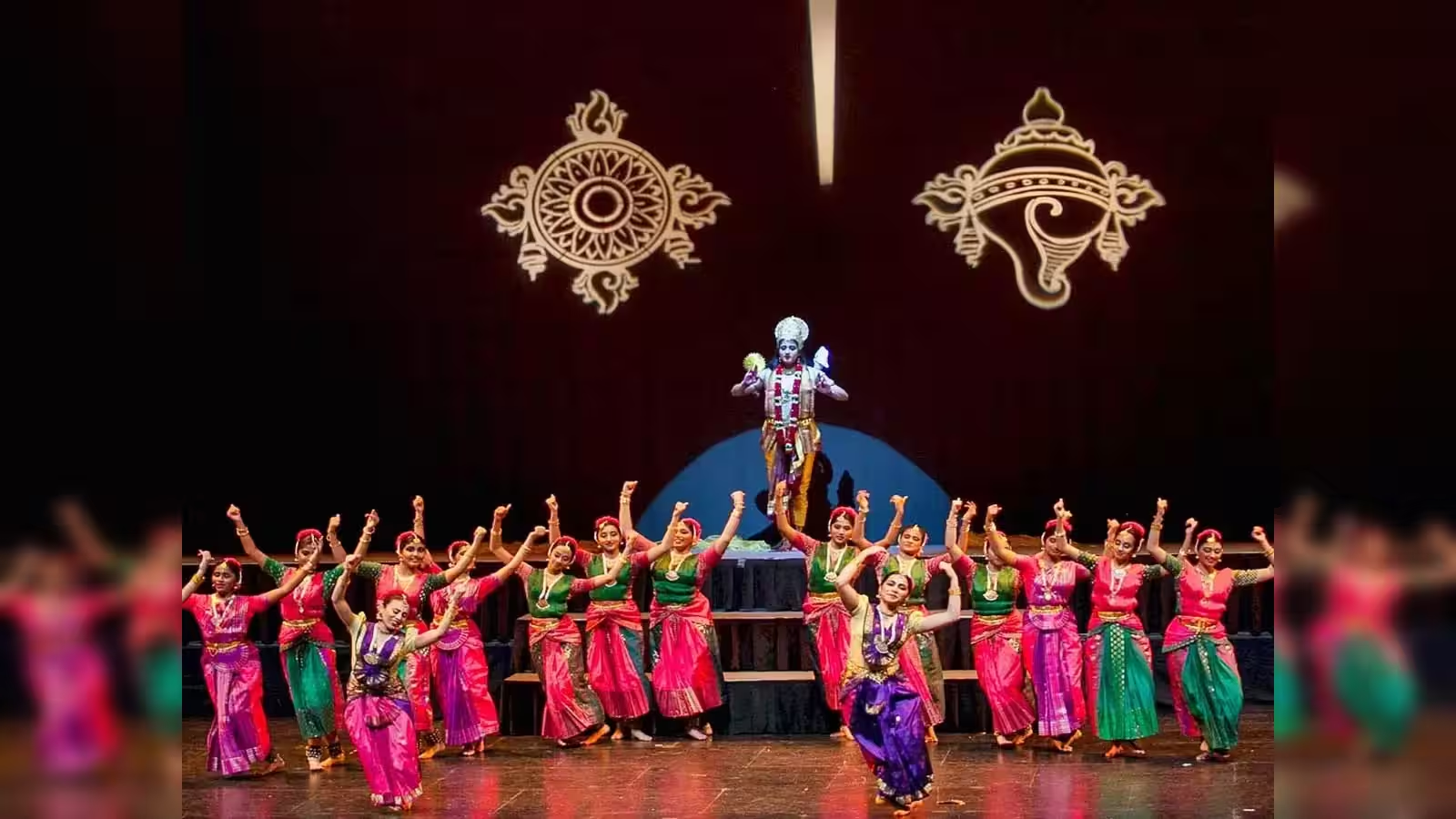
Using the various body bends, steps and hand gestures which you have learnt, create a small dance phrase for the lines of your chosen song. Did you have fun with this activity?
Introduction
Dance to a Song is a creative dance activity in which dancers use body movements to respond to the rhythm, melody, lyrics, and emotions of a song. It allows students to connect music with movement and express themselves through dance. By listening carefully to a song and creating suitable movements, learners develop rhythm, coordination, creativity, confidence, and performance skills.
Definition
Dance to a Song means creating and performing dance movements that match or interpret the rhythm, lyrics, mood, and meaning of a musical song.
Importance of Music and Dance Connection
Music and dance complement each other. Music provides rhythm and mood, while dance gives physical form to the musical experience. When dancers respond carefully to musical changes, their performance becomes more expressive and meaningful.
Dance Movements
A dance to a song may include:
- Walking and stepping
- Turning
- Jumping
- Clapping
- Hand gestures
- Bending
- Stretching
- Side movements
- Facial expressions
- Group formations
Group Dance Activity
Students can work together to create a group dance. They can divide the song into sections and assign different movements to each section. Group formations, synchronized steps, hand gestures, and changes in direction can make the performance more interesting.
Elements of Dancing to a Song
1. Rhythm
2. Melody
3. Lyrics
4. Tempo
5. Emotion
6: Sequencing a Dance of a Song
• Each group chooses two lines of a song that they have learnt in the music class.
• Discuss within the group and arrange the steps and actions for the given portion
of the song.
• Joining dance phrases together to make a complete dance is called choreography.
By merging one group with another, show your choreography by putting
the entire song together.
Introduction
Sequencing a Dance to a Song is the process of arranging dance movements in a planned order so that they match the rhythm, melody, lyrics, mood, and structure of a song. A well-planned dance sequence creates a smooth and meaningful performance. It helps dancers remember their movements, stay synchronized with the music, and communicate the theme or story of the song.
Definition
Sequencing a dance to a song means arranging individual dance steps, gestures, movements, and formations in a specific order to create a complete dance performance that follows the structure and musical changes of a song.
Basic Structure of a Dance Sequence
A dance can follow the structure of the song:
Introduction → Verse → Chorus → Verse → Chorus → Bridge/Instrumental → Final Chorus → Ending
Different movements can be created for each section to make the performance interesting.
Group Dance Sequencing
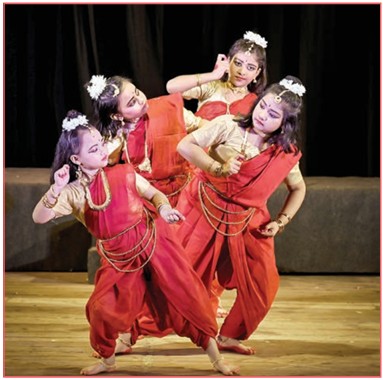
In group performances, dancers must coordinate their movements carefully. Choreographers can use:
- Lines
- Circles
- Pairs
- Diagonal formations
- V-shaped formations
- Changing formations
Changing formations can make a performance visually interesting while developing teamwork and coordination.
Conclusion
My Body in Motion shows how the human body becomes a powerful instrument of artistic expression through dance. Movement, rhythm, space, energy, and emotion work together to create meaningful performances. By exploring body movement, students can develop coordination, creativity, confidence, and a deeper understanding of dance as a form of communication and storytelling.