
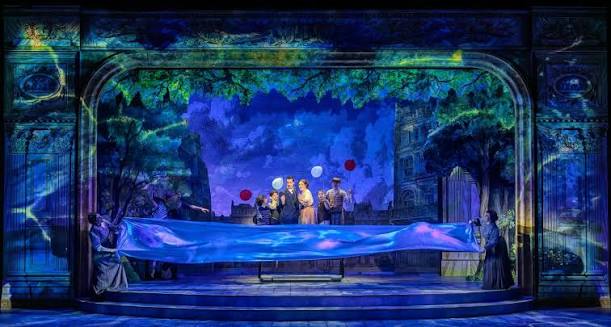
Stage Technicals 1
In the realm of design,
makeup weaves a tale,
Brush strokes on faces,
emotions set to unveil.
Costumes, a canvas for
characters to shine,
On the stage, design harmonises,
a visual symphony divine.
SCENE 3: Theatre Production
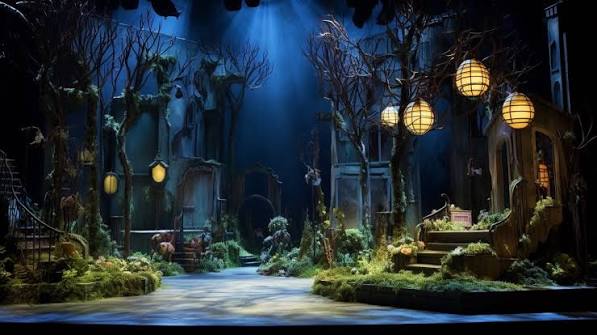
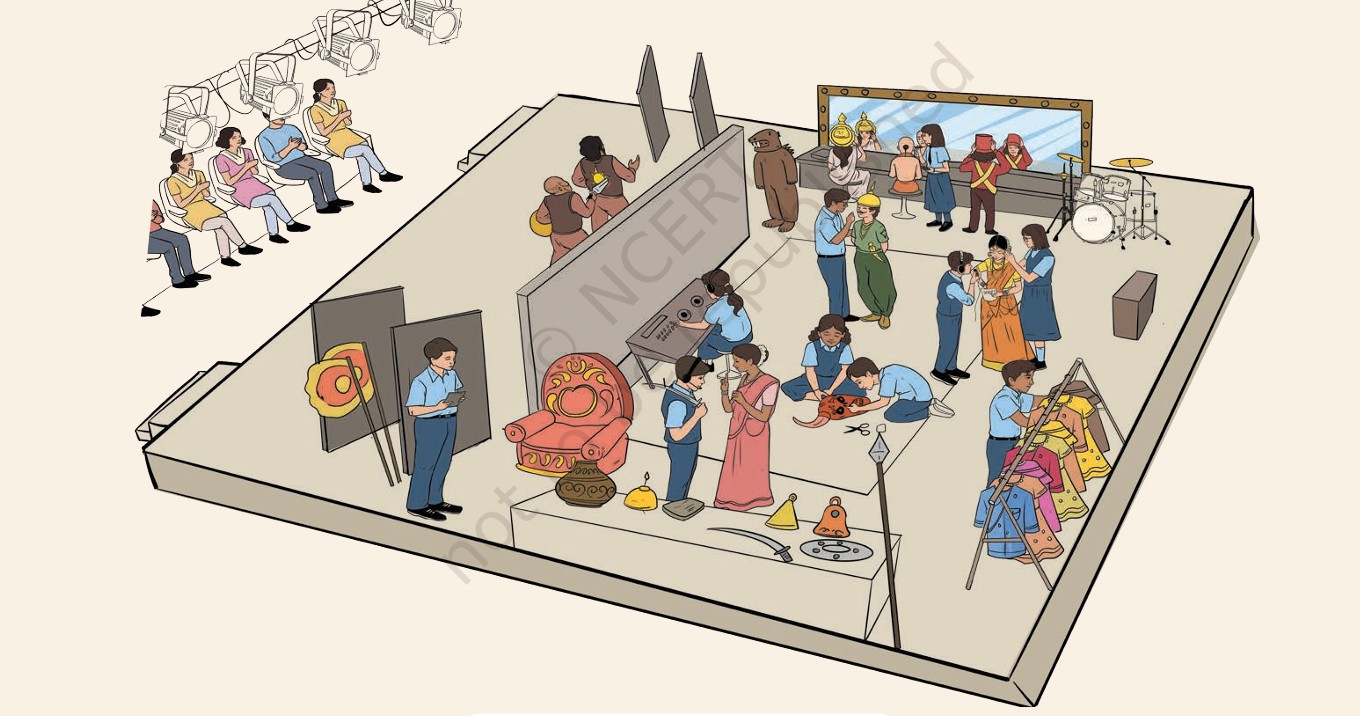
In any successful performance, we see the actors perform and get the appreciation. But for the actors’ performance to have a full impact on the audience, the effort and work of all these departments are very crucial. We are now going to explore the basics of the following departments —
• Make-up
• Costume design
• Stage layout
Your face is the first thing that people notice about you. So, for an actor, to look convincing on stage, the first thing that has to be considered is make-up.
Make-up
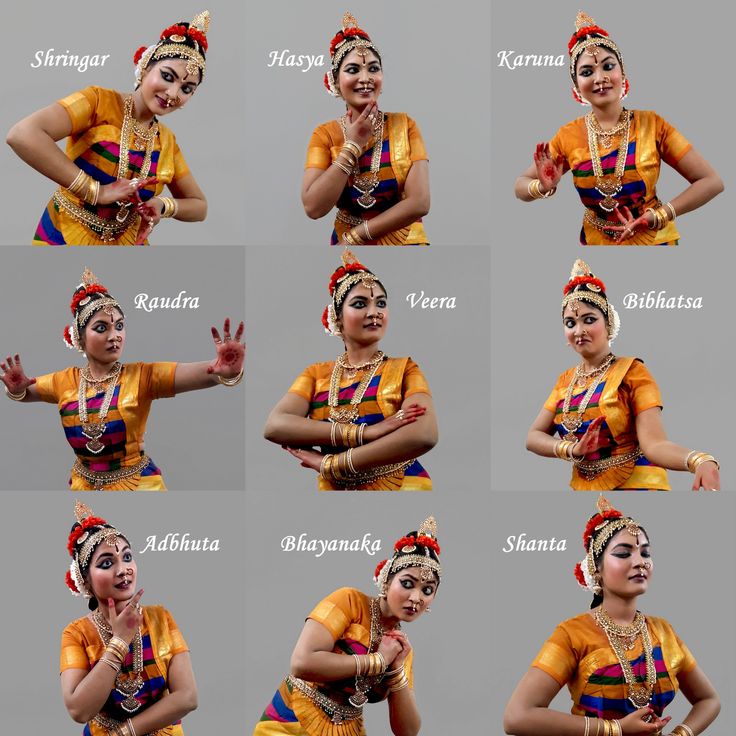
Have you noticed that actors have colours on their faces? Some look good, some look scary and some look funny. This is what make-up can do! It is all planned as per the roles they play in the drama performance that they are a part of. Everyone performing on stage needs to put on make-up, irrespective of gender, age, community, etc.
If you ask, but why? Why is make-up necessary? We don’t wear make-up in our everyday life. Why is it necessary for the stage? Here is your answer —
1. Visibility and Projection: Make-up enhances facial features, ensuring that expressions and emotions are projected to the audience, even from a distance.
2. Character Transformation: Make-up is a powerful tool for transforming actors into characters. It allows performers to look old, younger or adopt specific features necessary for the role, enhancing the overall authenticity of the performance.
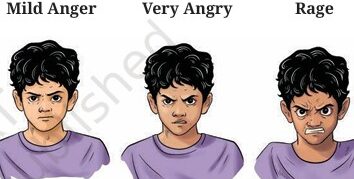
3. Highlighting Facial Expressions: Make-up helps emphasise key features such as eyes and mouth, so that subtle nuances are visible to the audience.
4. Harmony with Stage Lighting: Stage lights can be intense and may distort natural skin tones. Make-up is applied to create a balance, preventing actors from appearing washed out or overly dark under the stage lights.
5. Historical and Theatrical Styles: Depending on the play’s setting or genre, make-up can be essential for capturing the styles. It allows actors to fit into specific time periods, cultures or fantasy worlds envisioned by the director.
In essence, make-up for stage actors is not just about ‘looking good’ or aesthetics. It is a practical and artistic necessity, as it contributes significantly to the success of a theatrical performance. It enables actors to communicate effectively with the audience, enhances their portrayal of characters and contributes to the overall visual impact of the production.
Depending on the play and role, there are different types of make-up.
• Straight make-up: Simple, basic highlight of features.
• Character make-up: Elements of age, profession, personality and situation are shown.
• Special effects: Adding wounds, scars or additional features like horns.
• Fantasy or abstract make-up: Creating unique, unfamiliar characters with unusual colours.
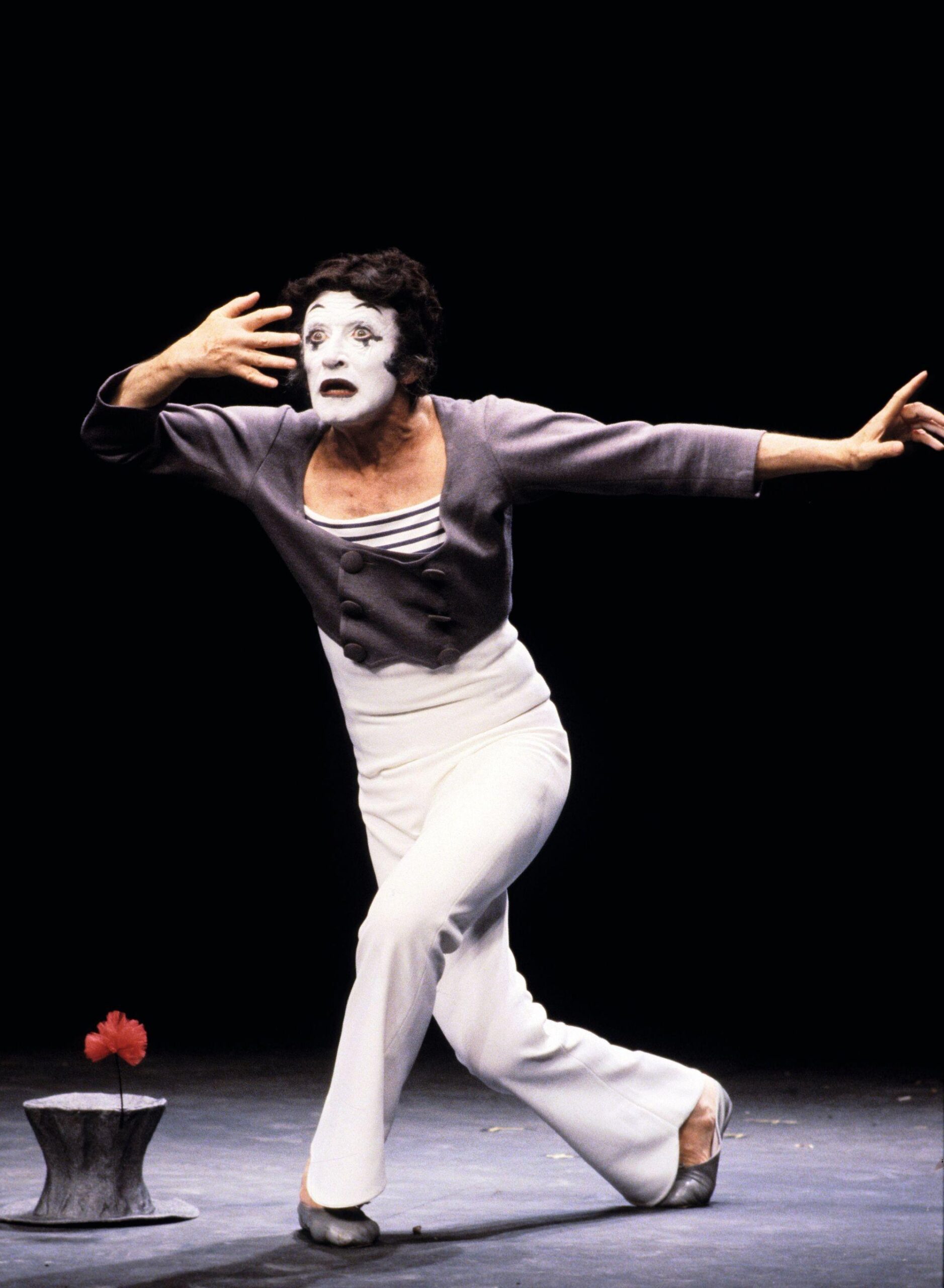
• Mime or pattern make-up: A bold, striking face cover that is usually neutral.
The Costume Design
We wear different types of clothes on different occasions. The clothes you wear at home are different from the school uniform. Likewise, the clothes you wear to the temple during a village festival are different from your night clothes. Right?
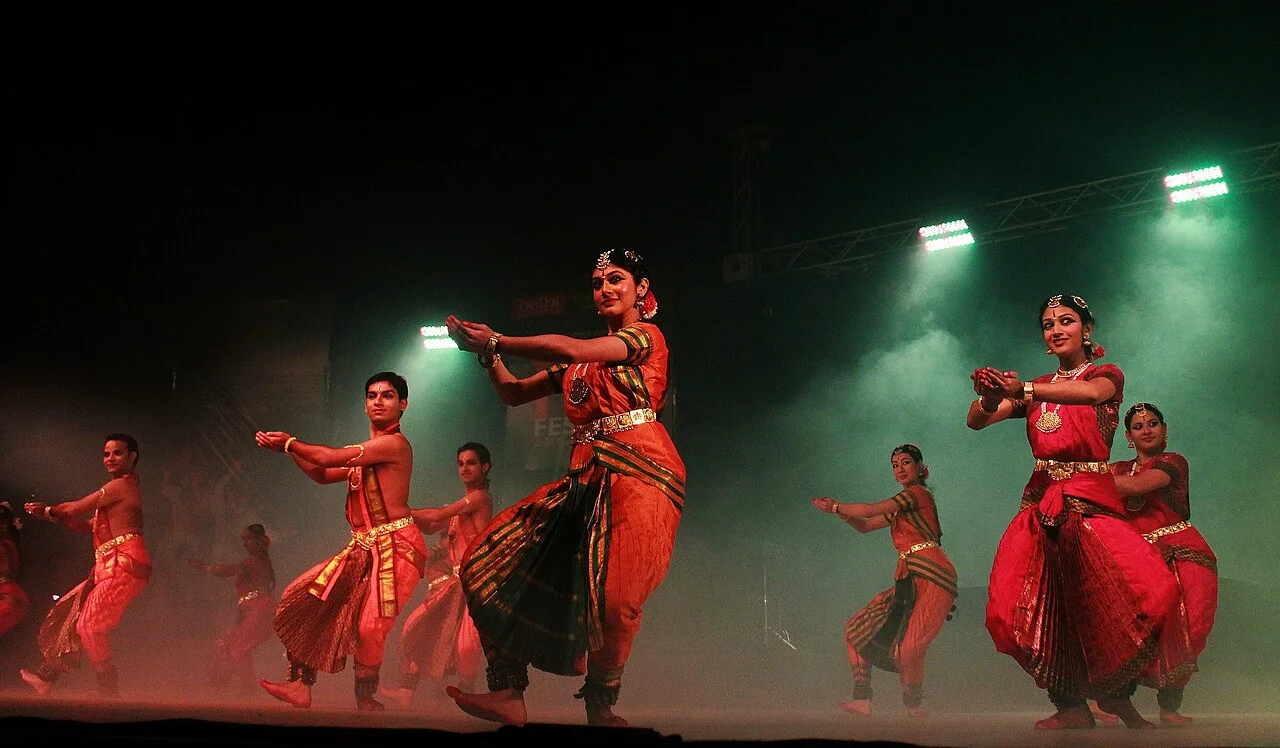
Similarly, an actor wears different clothes to portray different characters. It helps the audience to recognise and relate to the character.
costumes are designed according to the following categories:
• Gender: Clothes are different for men and women.
• Age of the character: People dress differently at different ages.
• Timeline of the play: The fashion of a culture evolves and changes as time progresses.
(Jeans and pants did not exist during Maharaja Shivaji’s time.) ‘
• Geographical location of the story: Differences in cultures and countries.
(Traditional clothing of Karnataka is different from Bengal).
• Occupation of the character: A police officer, a lawyer and a doctor.
• Features of the character: A person wearing shabby clothes and neatly dressed.
How are all these elements brought about in design with the use of :
1. Fabric or Material: Match the time period and the geographical location — using synthetic chiffon for a story in the Himalayas of ancient India — is not possible because chiffon did not exist in ancient India and this would not suit the cold weather in the Himalayas.
2. Colours: They represent numerous things like:
• Time period (neon blue is preferably not used for a scene in the Vedic period).
• Each colour of character representsameaning.(Negative character has dark shades.)
• Culturalaspects(redisnotused in mourning or funeralscenes).
3. Patterns and Designs: There are some patterns on the clothes that are exclusive to the royalty, some represent tribal culture while there are some exclusive to a ruralsetting. Styling: Jewellery, accessories like crown, dupatta, belts, bags, eyewear.
Activity — You Design!
Elements of Theatre Design
The first step of design is planning and that is done through drawing.
1. Set Design
The set represents the place where the story happens. Students can design:
- Houses
- Classrooms
- Forests
- Villages
- Palaces
- Parks
- Imaginary places
2. Make-up plan:
Makeup can help highlight facial expressions and support the appearance of characters under performance conditions.
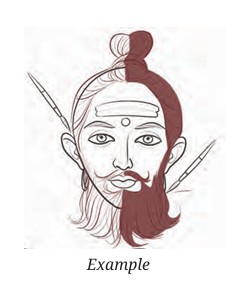
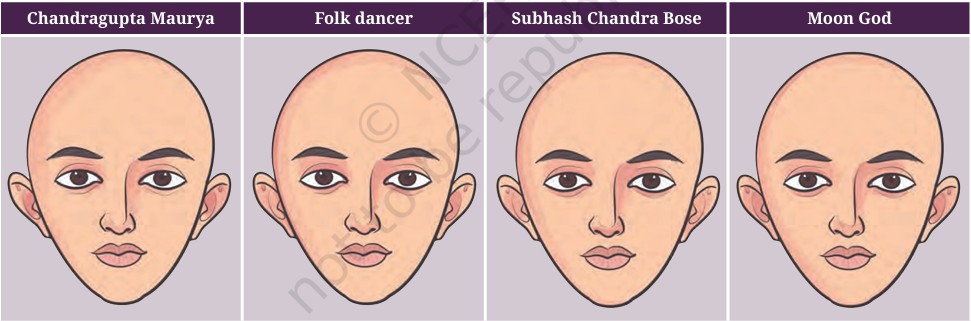
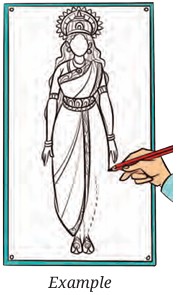
Draw hair and head gear colour it with the make-up required to bring about the character below. You can do it in your notebook and try multiple times.
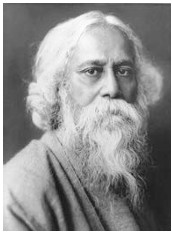
Feel free to make it as creative and interesting as possible. Use crown, head gears, topi, hairstyle, etc. Make sure you make it look like the character of a person who actually existed (like Gandhiji, Subhash Chandra Bose, etc.). Keep it as simple but as accurate as possile.
3. Costume Design:
Costumes help communicate the identity, role, time period, occupation, or personality of a character.
Students can consider:
- Colour
- Clothing
- Accessories
- Headwear
- Footwear
- Cultural context
We will now try designing costumes, in the same way!
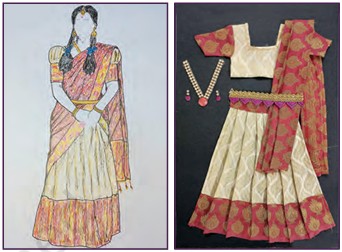
The same characters that you designed make-up for, now design the costumes!
Keep in mind the time period, nature of work, colours and other details. You can either draw or paste pieces of fabric as shown in the picture.
4. Prop Design
Props are objects used by performers during a scene. Examples include:
- Books
- Bags
- Baskets
- Flowers
- Chairs
- Letters
- Simple symbolic objects
5. Mask Design
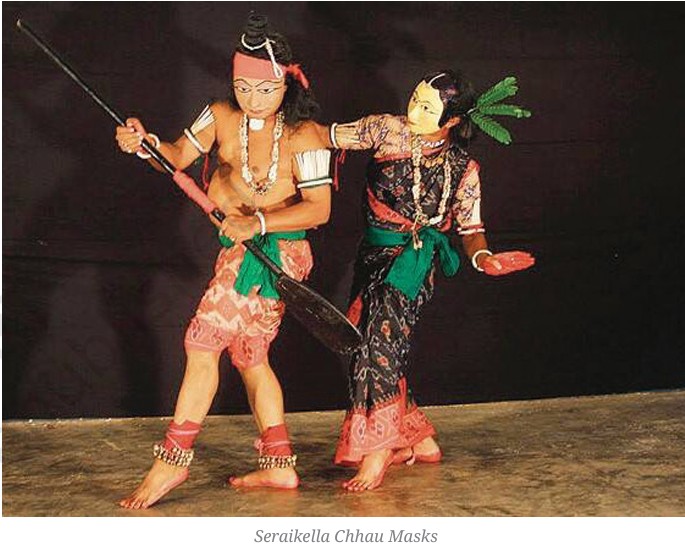
Masks can transform the appearance of a performer and help represent characters, animals, emotions, or imaginary figures.
6. Makeup Design
Makeup can help highlight facial expressions and support the appearance of characters under performance conditions.
7. Lighting Design
Lighting can help create mood, focus attention, and distinguish different moments or areas of a performance.
On a Stage!
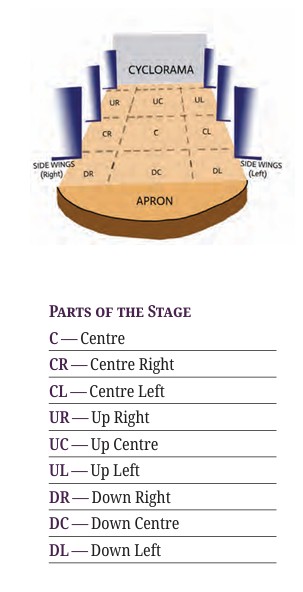
A stage is any place where you perform a play. There are various types of stages that we can observe throughout the history of theatre. Plays have been staged in so many venues, starting from the Indian Natyagruha, Greek ‘Theatron’ (carved out of mountains) to the Globe Theatre (in a palace like setting), to the streets and finally to the modern indoor auditorium named proscenium. The proscenium is the most popular and commonly used structure in today’s shows.
The Proscenium
The origins of the proscenium stage are directly linked to the scientific discoveries of electricity and the light bulbs.
This allowed theatrical performances to be done indoors, where neither the burning hot sunlight, the cold winds nor heavy rains would prevent shows from being staged.
Parts of the Stage
Side Wings: The sides of the stage are divided by wings, which help actors to take entries and exits from the stage.
Apron: It is a curved space that extends from the stage area onto the audience area. This space is generally used to place foot mikes and foot lights.
Proscenium: The proscenium is the frame or arch that surrounds the stage in a proscenium theatre.
Cyclorama: A large light blue or white fabric stretched across the back wall of the stage used to reflect lighting equipment and create effects such as sky, clouds, etc.
Activity
In order to put together all that has been learnt, do the following —
1. Pick your favourite story.
2. Identify two of your favourite characters. Design costumes and make-up for them. Create your own. Don’t copy from the storybook you have read.
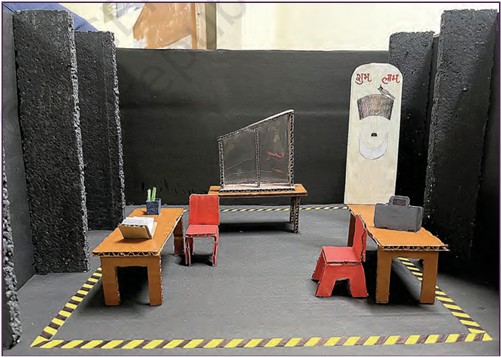
3. Make a cardboard model of a stage with side wings as given in the picture. This can be done in groups.
4. Plan how one scene can be enacted on stage, by placing the set and properties (chairs, table or tree, hut, etc.).
Alternatively, make a drawing of this in your book.
SCENE 4: Write, Right
A script is the storyteller’s brush,
painting worlds with words,
inviting characters to dance
and crafting the magic that
captivates the audience.
Design and Storytelling
Every design element should support the story. For example, a scene set in a forest may use natural shapes, green elements, branches, and appropriate sound or lighting to create a sense of place.
Steps in Theatre Design
- Understand the Story – Read the script or understand the performance theme.
- Identify the Setting – Decide where and when the story takes place.
- Understand the Characters – Think about their personalities and roles.
- Make Rough Sketches – Draw ideas for sets, costumes, props, or masks.
- Select Materials – Choose safe and suitable materials.
- Create the Designs – Make the selected theatre elements.
- Test the Designs – Check whether they are practical and comfortable.
- Coordinate with Actors – Ensure the designs support movement and performance.
- Present the Final Performance – Combine design elements with acting and storytelling.
Importance of Theatre Design
Theatre design helps students:
- Develop creativity and imagination.
- Understand visual storytelling.
- Improve planning skills.
- Develop problem-solving abilities.
- Learn teamwork.
- Understand space and composition.
- Appreciate the work behind a theatrical performance.
- Connect visual arts with theatre.
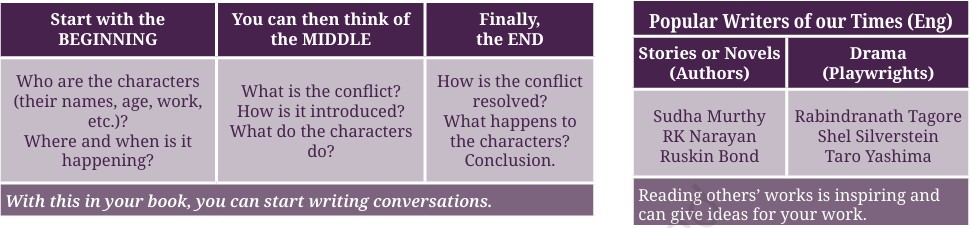
Having a good script is the first step towards a successful performance. Just like the foundation of a building is the most important aspect of having a strong structure, the right script creates the right base for all the creativity and talent to grow.
A drama is a story being told in a live format. Characters come to life and situations happen in front of you. But when it is in the form of a script (written form), it is not the same as a story?
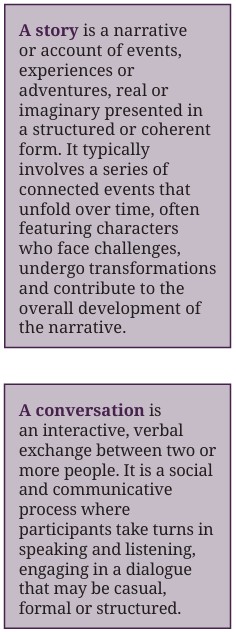
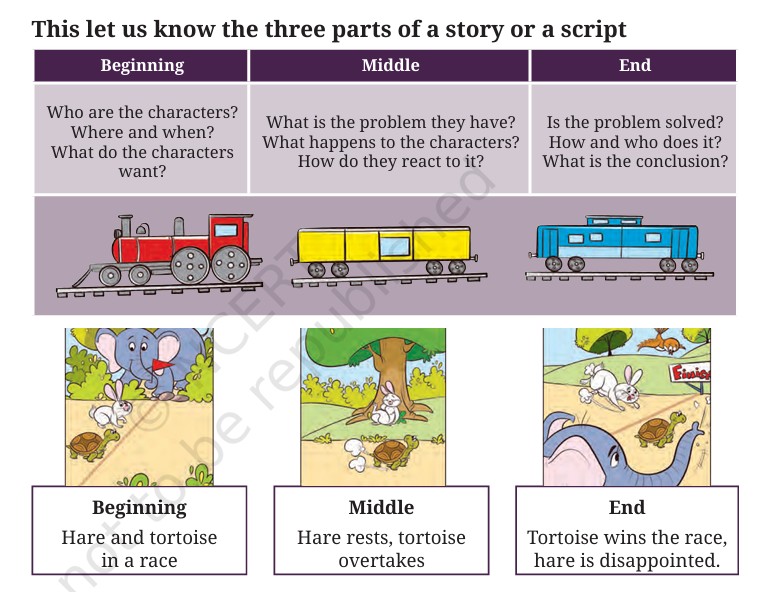
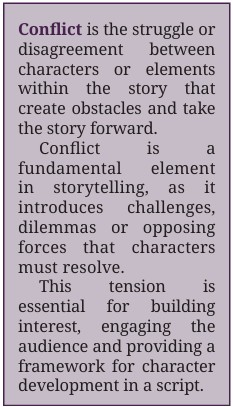
If you notice the ‘middle’, we talk about a ‘problem’. This is the most, important part of any story or script. It is called — ‘the conflict’.
Here is an instance of how conflict is used in this popular story that all of us know — ‘Hare and Tortoise.’
Example 1 — Conversation without conflict
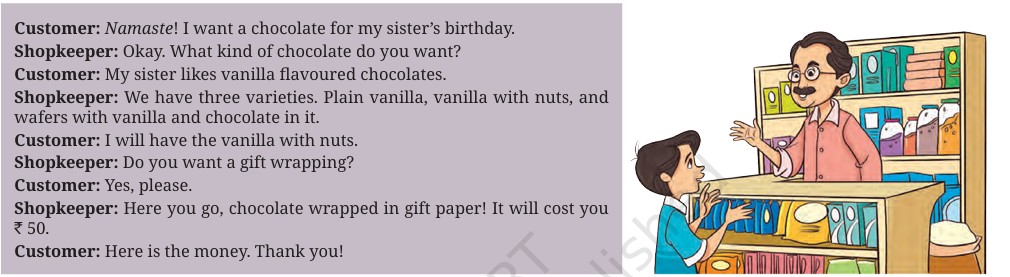
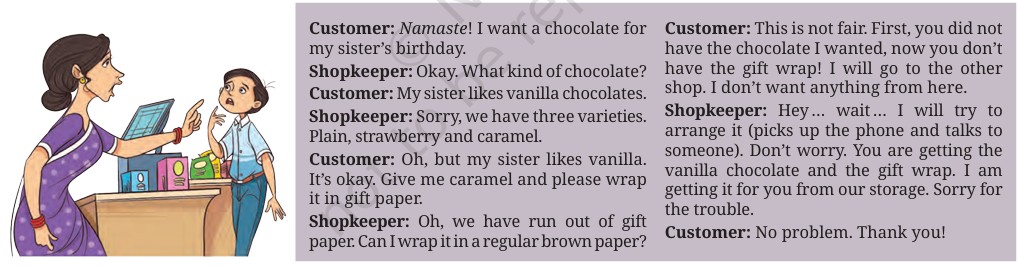
Let us see how the conflict will make a difference.
Example 2 — Conversation with conflict
Conclusion
Let’s Design in theatre encourages students to become creative designers as well as performers. By designing sets, costumes, props, masks, makeup, and lighting ideas, students learn how visual elements can strengthen storytelling and create a believable performance world. Theatre design brings together art, imagination, planning, teamwork, and performance.