
Introduction
Indian Classical Music is a rich musical tradition that has developed over centuries through a combination of oral learning, performance, practice, and theoretical knowledge. It is an important part of India’s cultural heritage and includes sophisticated systems of melody, rhythm, improvisation, and musical expression.
Indian Classical Music is broadly divided into two major traditions: Hindustani Classical Music, which developed mainly in northern and central India, and Carnatic Classical Music, which is associated primarily with southern India. Although they have distinct styles and practices, both traditions share important concepts such as Raga and Tala.
A Raga provides a framework for organising and developing melodic ideas, while Tala provides a structured rhythmic cycle. Performers learn to combine these elements with careful attention to pitch, rhythm, improvisation, expression, and musical discipline.
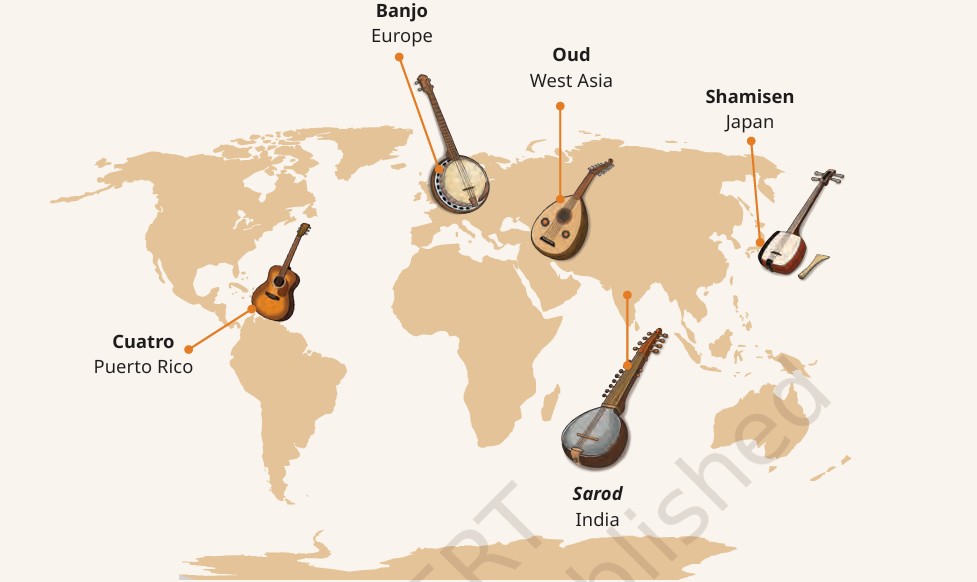
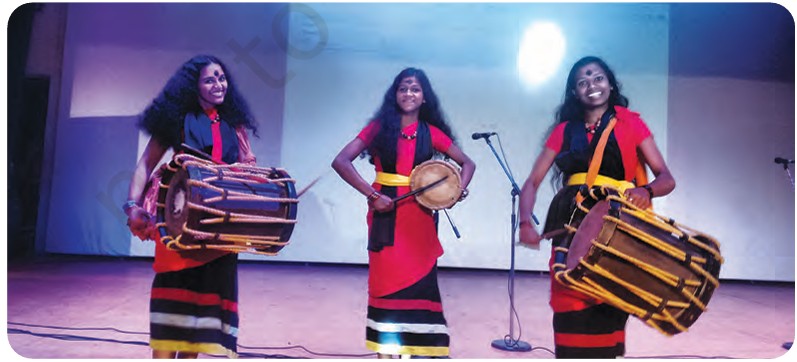
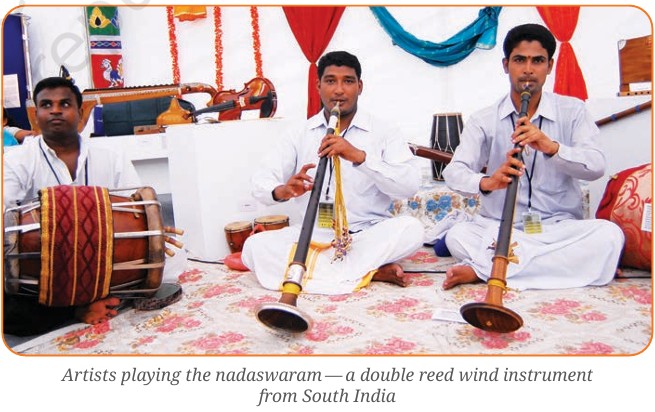
Indian Classical Music includes vocal and instrumental music. Instruments such as the sitar, sarod, veena, flute, tabla, mridangam, and violin are commonly associated with different classical traditions.
Learning Indian Classical Music requires regular practice, concentration, listening, and guidance from a teacher. It continues to evolve while preserving its deep-rooted musical traditions.
Carnatic Music
Carnatic Music is one of the two major traditions of Indian Classical Music. It developed primarily in South India, particularly in present-day Karnataka, Tamil Nadu, Andhra Pradesh, Telangana, and Kerala. It has a rich tradition of vocal and instrumental music and places great importance on melody, rhythm, composition, improvisation, and devotional expression.
Two important foundations of Carnatic Music are Raga and Tala. A Raga provides a framework for organising and expressing musical notes, while Tala provides a rhythmic cycle within which music is performed. Carnatic musicians also use Swaras—Sa, Ri, Ga, Ma, Pa, Da, and Ni—to develop melodies and compositions.
Carnatic music has a strong tradition of composed works. Important forms include Varnam, Kriti, Keerthanam, and Tillana. The compositions of the **Trinity of Carnatic Music—Tyagaraja, Muthuswami Dikshitar, and Syama Sastri—**are central to the repertoire.
Improvisation is also an important part of Carnatic performance. Musicians may explore a raga through forms such as Alapana, Neraval, and Kalpana Swara.
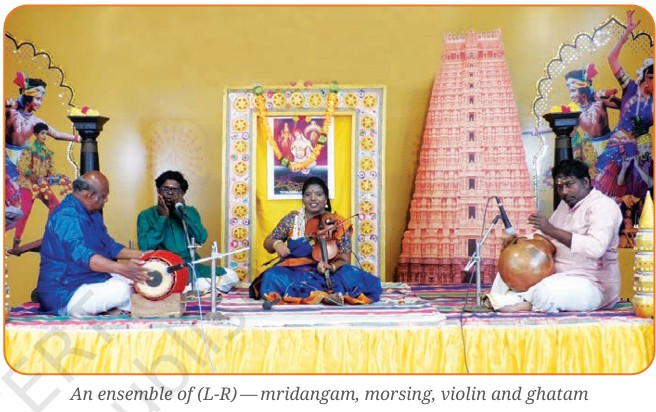
Common instruments include the Veena, Violin, Mridangam, Flute, Ghatam, and Kanjira. Carnatic Music continues to be performed in concerts, temples, festivals, and cultural institutions in India and around the world.
There are seven main talas in Carnatic music. They are:
1. Dhruva
2. Mattya
3. Rupaka
4. Jhampa
5. Triputa
6. Ata
7. Eka
The three main parts or angas that make up a tala are:
1. Laghu (clap and finger counts): notated I
2. Drutam (clap and wave): notated as O
3. Anudrutam (beat): notated as U
Note: There can be different numbers of beats in a laghu, which is known as jathi. Also, not all talas have all angas.
An important set of vocal exercises to build vocal strength and understand talas is the sapta-tala alankaras, three of which were introduced in Grade 7. In Grade 8, we will learn to sing and keep tala for the remaining four : —
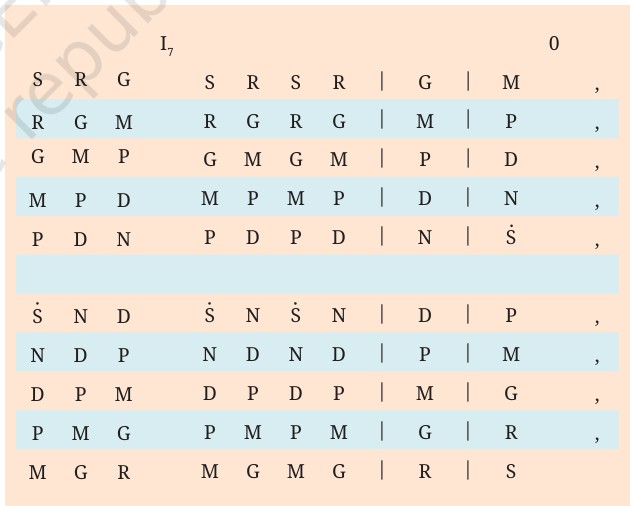
1.) Mishra Jathi Jhampa Talam Alankaram
Mishra Jathi Jhampa Talam Alankaram is one of the rhythmic exercises used in Carnatic music. It helps students develop a clear understanding of Talam, rhythmic patterns, swaras, and coordination between singing and rhythm.
Jhampa Talam consists of three anga-s: Laghu, Anudrutam, and Dhrutam. In Mishra Jathi, the Laghu has seven counts. Therefore, the basic structure of Mishra Jathi Jhampa Talam is:
Laghu (7) + Anudrutam (1) + Dhrutam (2) = 10 aksharas
The tala is maintained through a specific sequence of claps and finger counts. Students can practise the alankaram by singing the prescribed swara patterns while keeping the tala steadily.
Regular practice helps develop rhythmic accuracy, concentration, pitch control, coordination, and confidence. It also helps students understand how melodic patterns can be organised within a rhythmic cycle.
As you practise, maintain a steady tempo and make sure that the swaras and tala remain synchronised throughout the exercise.
I7 U 0 = 7 + 1 + 2 = 10 Beats
2.) Thrisra Jathi Triputa Talam Alankaram
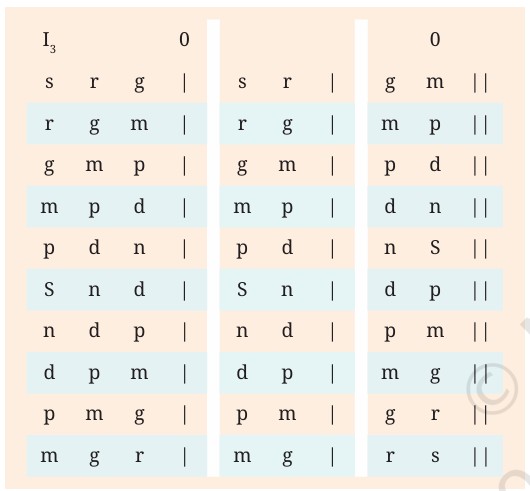
Thrisra Jathi Triputa Talam Alankaram is a rhythmic and melodic exercise in Carnatic music. It helps students develop a clear understanding of Talam, swaras, rhythmic patterns, and coordination between singing and tala.
Triputa Talam consists of three anga-s: Laghu, Dhrutam, and Dhrutam. In Thrisra Jathi, the Laghu has three counts. Therefore, Thrisra Jathi Triputa Talam has:
Laghu (3) + Dhrutam (2) + Dhrutam (2) = 7 aksharas
The tala is maintained through clapping and finger-counting movements. Students can sing the prescribed swara patterns while keeping the tala steadily and accurately.
Regular practice helps develop rhythmic accuracy, concentration, pitch control, coordination, and vocal confidence. It also helps students understand how melodic patterns fit within a fixed rhythmic cycle.
While practising, maintain a steady tempo and ensure that the swaras and tala remain synchronised. Gradually increase the speed only after the pattern can be sung clearly and comfortably.
I3 0 0 = 3 + 2 + 2 = 7 Beats
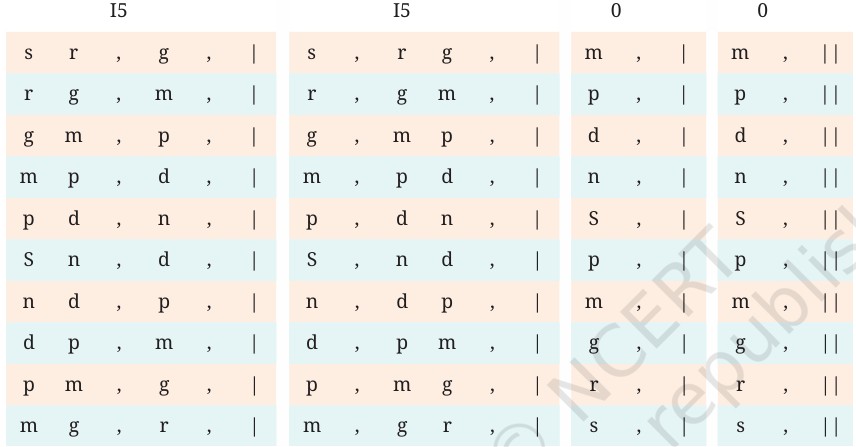
3.) Khanda Jathi Ata Talam Alankram
Khanda Jathi Ata Talam Alankaram is a vocal exercise in Carnatic music that helps students develop their understanding of tala, swaras, rhythm, and coordination.
Ata Talam consists of four anga-s in the following order: Laghu, Laghu, Dhrutam, Dhrutam. In Khanda Jathi, each Laghu has five counts. Therefore, Khanda Jathi Ata Talam has:
Laghu (5) + Laghu (5) + Dhrutam (2) + Dhrutam (2) = 14 aksharas
The tala is maintained using claps and finger-counting movements. Students sing the prescribed swara patterns while keeping the tala cycle steady.
Regular practice helps develop rhythmic accuracy, pitch control, concentration, coordination, and vocal flexibility. It also helps students understand how melodic patterns can be organised within a longer rhythmic cycle.
While practising, maintain a steady tempo, pronounce the swaras clearly, and ensure that the singing remains synchronised with the tala. Once the pattern is comfortable, it can be practised at different speeds.
I5 I5 0 0 = 5 + 5 + 2 + 2 = 14 Beats
4.) Chatushra Jathi Eka Talam Alankaram
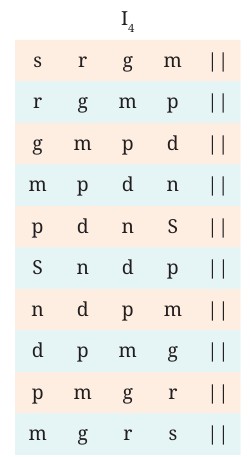
Chatushra Jathi Eka Talam Alankaram is a vocal exercise in Carnatic music that helps students develop their understanding of tala, swaras, rhythm, and coordination.
Eka Talam consists of a single Laghu. In Chatushra Jathi, the Laghu has four counts. Therefore, Chatushra Jathi Eka Talam has:
Laghu (4) = 4 aksharas
The tala is maintained using a clap followed by three finger counts. Students can sing the prescribed swara patterns while keeping the tala cycle steady and accurate.
Regular practice helps develop rhythmic accuracy, pitch control, concentration, coordination, and vocal flexibility. It also helps students understand how melodic patterns fit within a rhythmic cycle.
While practising, maintain a steady tempo, pronounce the swaras clearly, and keep the singing synchronised with the tala. Once the pattern is comfortable, students can practise it at different speeds while maintaining accuracy.
Alankaram: I4 = 4 Beats
Sri Gananatham Bhajare
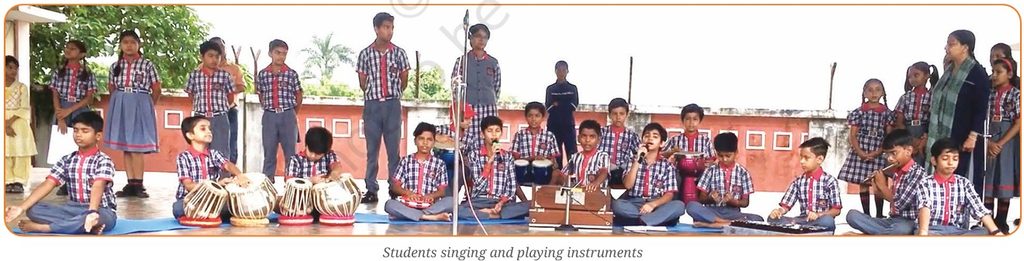
“Sri Gananatham Bhajare” is a devotional composition in Carnatic music that praises Lord Ganesha, the elephant-headed deity traditionally associated with wisdom, knowledge, and the removal of obstacles. The composition provides students with an opportunity to practise melody, rhythm, pronunciation, and devotional expression.
While learning the song, students should listen carefully to the raga and tala, sing the swaras accurately, and maintain the rhythmic cycle throughout the composition. Clear pronunciation of the lyrics and attention to the musical phrases are also important.
The devotional character of the composition allows students to explore how Sahitya (lyrics), Raga (melody), and Tala (rhythm) work together to create musical expression. Students can also observe how the melody supports the meaning and mood of the lyrics.
Meaning
The composition offers devotional praise to Lord Ganesha, seeking his blessings and remembering his qualities as a divine figure associated with wisdom and the removal of obstacles.
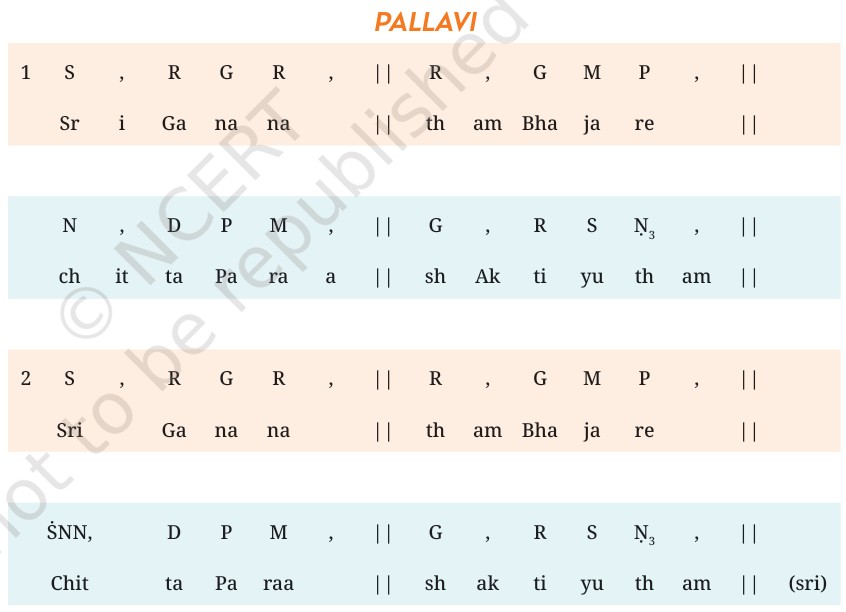
Before singing this song, sing the arohana and the avarohana. Try keeping the tala as you sing the composition.
Rupaka tala is a rhythm cycle of 6 beats.
DO YOU KNOW?
There are three main parts of a kriti:
1. Pallavi,
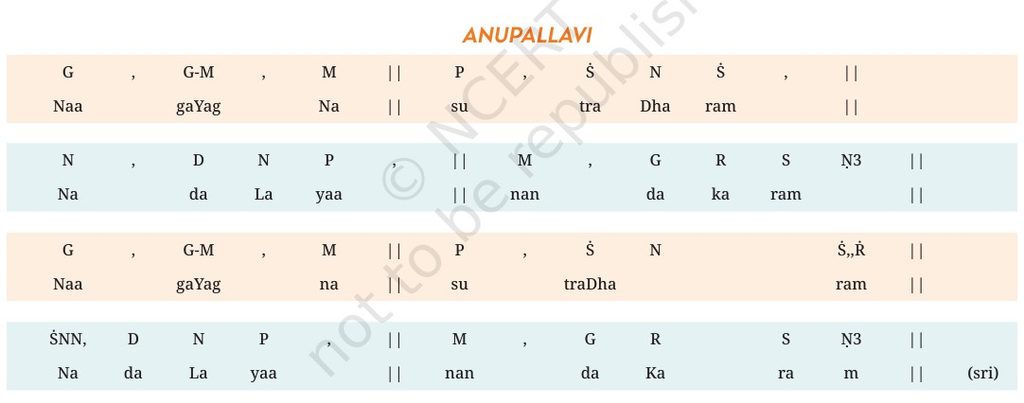
2. Anupallavi
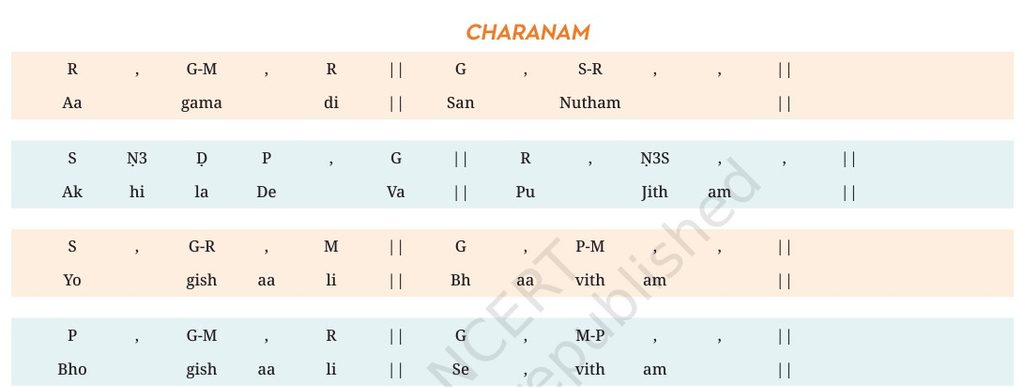
3. Charanam.
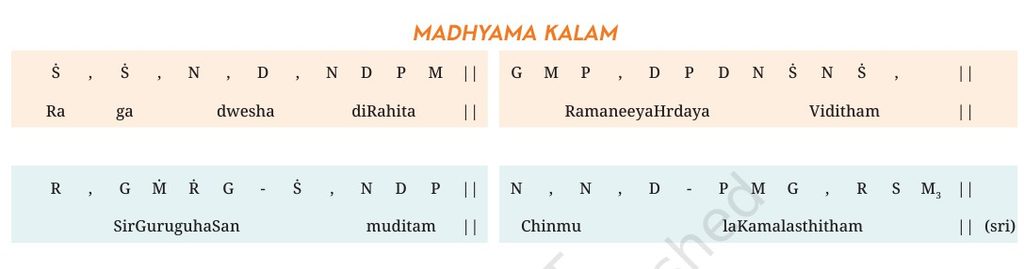
After singing the anupallavi, you return to the pallavi line. And after singing the charanam, you return to the pallavi line again. This kriti has an additional portion in madhayama kala, which is sung twice as fast as the rest of the composition.
Sri Gananathan Bhajare
Ragam: Ishamanohari
Talam: Rupaka
Composer: Muthuswami Dikshitar
Arohanam: S R2 G3 M1 P D2 N2 Ṥ
Avarohanam: Ṥ N2 D2 P M1 G3 M1 R2 S
1.) Pallavi
2.) Madhyama Kalam
3.) Anupallavi
4.) Charanam
RAAG ASAVARI
This raga is originated from asavari thaat. In this raga, the notes — gandhar, dhaivat and nishad — are komal, and the remaining notes are shudh. Its vaadi note is ‘dhaivat’ and the samvaadi note is ‘gandhar’. The ‘gandhar’ and ‘nishad’ are missing notes in aroh (ascending order), due to which the jathi of this raga is audav-sampoorna. The singing time of this raga is the second quarter of the day. A raga similar to this is jaunpuri.
Raag — Asavari
Thaat — Bhairavi
Aroh — S, R, M P, D, Ṡ
Avroh — Ṡ N D, P, M G, R, S
Pakad — R, M, P, N D P
Varjit swar — G, N, in aroha
Jathi-audav — Sampoorn
Komal swar — G, D, N,
Vadi swar — Dhaivat
Samvadi swar — Gandhar
Singing time — 11.00 a.m. to 1.00 p.m.
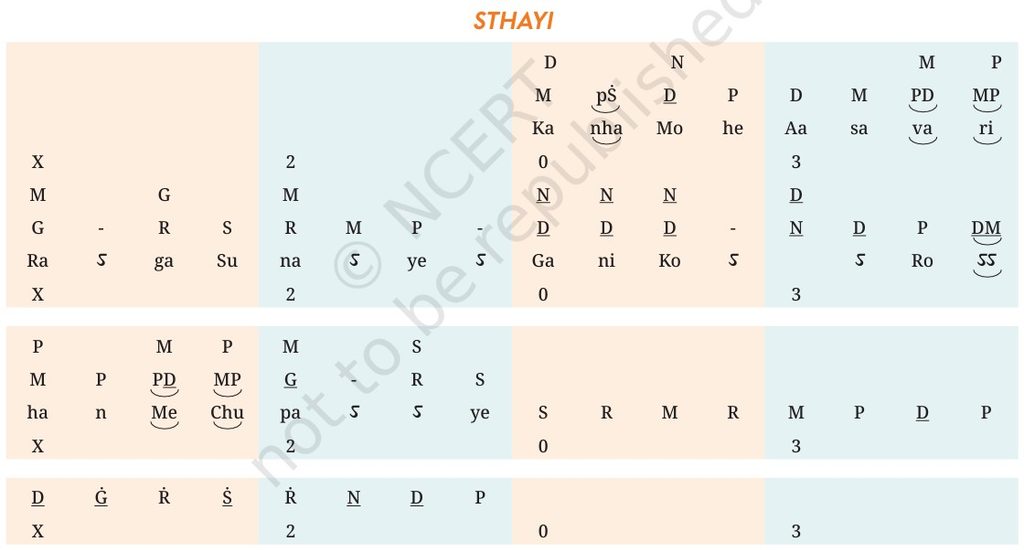
Raag Asavari Lakshan Geet Teentala
Sthayi
Kanha mohe aasavari raga sunaye gani ko aarohan me chupaye.
Sthayi is the first or opening section of a musical composition in Indian classical music. It usually presents the main musical idea and establishes the character of the composition. The Sthayi generally explores the lower and middle registers of the voice and provides a foundation for further musical development.
In forms such as Dhrupad and Khayal, the Sthayi is an important part of the composition and is often repeated during performance. Singers return to the Sthayi while developing melodic ideas through improvisation. It is commonly followed by the Antara, which explores the higher register. Thus, the Sthayi helps provide structure, continuity, and balance to a musical performance.

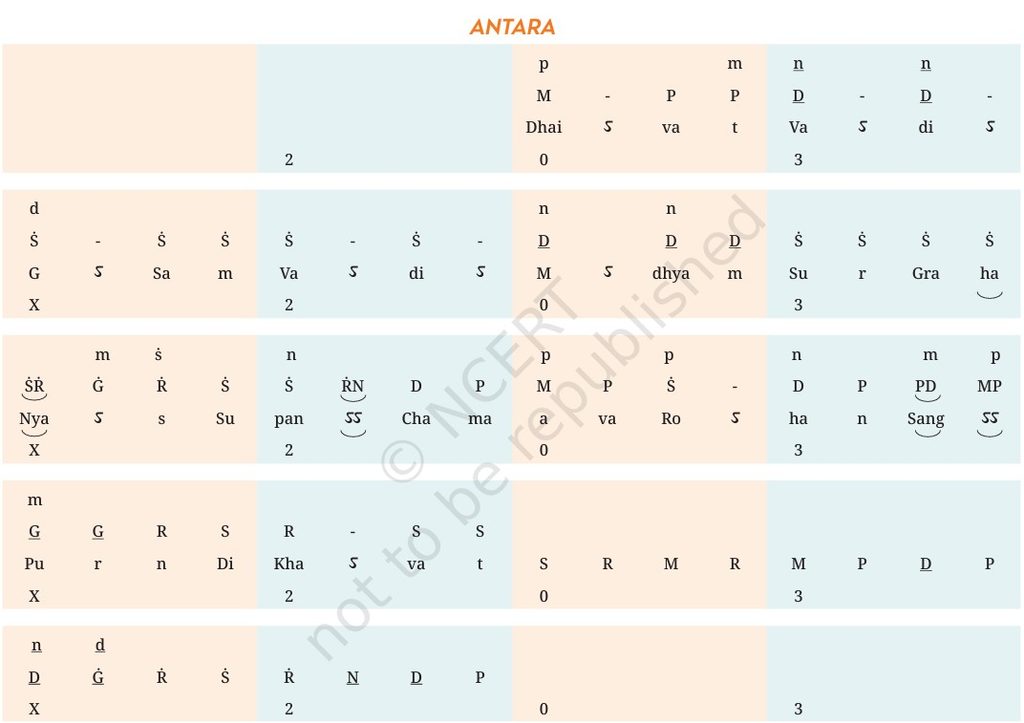
Antara
Dhaivat vadi g samvadi madhym sur grah nyas supanchmavrohan sang purn dikhavat.
Antara is the second section of a musical composition in Indian classical music. It generally develops the musical idea introduced in the Sthayi and explores the higher register of the voice. In forms such as Dhrupad and Khayal, the Antara is an important part of the composition and provides contrast to the Sthayi.
It allows the singer to explore higher notes and different melodic phrases while remaining within the framework of the Raga and Tala. After singing the Antara, the performer usually returns to the Sthayi. Thus, the Antara adds variety, melodic development, and expressive depth to the composition while maintaining its overall musical structure.

ACTIVITY 7.1
1.) Accompaniment
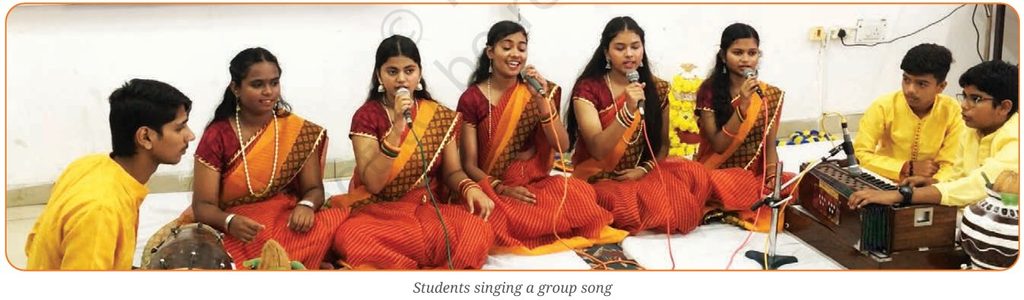
Accompaniment refers to the musical support provided by one or more singers or instruments during a performance. It helps the main singer or instrumentalist maintain melody, rhythm, tempo, and musical expression. In Indian music, instruments such as the tabla, mridangam, harmonium, tanpura, and violin may provide accompaniment, depending on the musical tradition and performance.
The accompanying musicians listen carefully to the lead performer and coordinate their playing with the Raga, Tala, and overall structure of the composition. The tanpura provides a continuous tonal foundation, while percussion instruments maintain the rhythmic cycle. Other instruments may support or respond to the melody. Good accompaniment requires careful listening, coordination, timing, and musical sensitivity and contributes to a balanced and expressive performance.
2.) Tempo changes
Tempo changes refer to changes in the speed or pace of a musical performance. The tempo determines how quickly or slowly a song or composition is performed. A change in tempo can create variety, highlight different sections, and influence the mood and expression of music.
In Indian music, different sections of a composition may be performed at different speeds. For example, Madhyama Kala refers to a faster pace than the original tempo. Singers and instrumentalists must maintain accurate pitch, rhythm, pronunciation, and coordination when the tempo changes.
Tempo changes may be gradual or sudden, depending on the composition and style of performance. Practising at different speeds helps students develop rhythmic accuracy, flexibility, concentration, and confidence while performing music.
Hindustani Music
Hindustani Music is one of the two major traditions of Indian Classical Music. It developed mainly in North and Central India and has a rich tradition of vocal and instrumental performance. It is based on important concepts such as Raga and Tala.
A Raga provides a framework for organising and developing melodic ideas, while Tala provides a rhythmic cycle for the performance. Hindustani music gives considerable importance to improvisation, musical expression, and exploration of the Raga.
Important vocal forms include Dhrupad, Khayal, Thumri, and Tarana. Instruments such as the Sitar, Sarod, Sarangi, Bansuri, Tabla, and Harmonium are commonly used.
Hindustani music is traditionally learned through regular practice and guidance from a teacher (Guru). Through its diverse ragas, talas, compositions, and performance styles, it continues to be an important part of India’s musical heritage.
1.) Raga Asavari— Teentaal Lakshan Geet

Raga Asavari is a well-known Hindustani classical raga belonging to the Asavari Thaat. In this raga, Gandhar (Ga), Dhaivat (Dha), and Nishad (Ni) are komal, while Sa, Re, Ma, and Pa are shuddha.
A Lakshan Geet is a composition that describes the important characteristics of a raga through its lyrics. It helps students remember and understand features such as the Aroh, Avaroh, Vadi, Samvadi, Jati, and important swaras of the raga.
Teentaal is a commonly used tala in Hindustani music. It consists of 16 matras, divided into four equal sections of four matras each. It is maintained through a combination of claps and a wave (khali).
While learning the Lakshan Geet of Raga Asavari, students should pay attention to the raga’s characteristic swaras, melodic movement, tala cycle, pronunciation, and tempo. Singing the composition helps learners understand how information about a raga can be expressed through music.
2.) Sthayi
Sthayi is the first section of a Lakshan Geet or other Hindustani classical composition. It presents the main musical idea and generally focuses on the lower and middle registers (saptaks).
In Raga Asavari—Teentaal Lakshan Geet, the Sthayi introduces the characteristic features of the raga through its melodic phrases and lyrics. It is sung within the framework of Raga Asavari and Teentaal and is usually repeated during the performance. After singing the Antara, the performer generally returns to the Sthayi.
3.) Antara
Antara is the second section of a Hindustani classical composition. It follows the Sthayi and usually explores the higher register (Tara Saptak) of the raga.
In Raga Asavari—Teentaal Lakshan Geet, the Antara develops the musical ideas introduced in the Sthayi and further presents the important characteristics of Raga Asavari through its melody and lyrics. It is performed within the rhythmic framework of Teentaal.
After singing the Antara, the performer generally returns to the Sthayi, creating continuity and completing the structure of the composition.
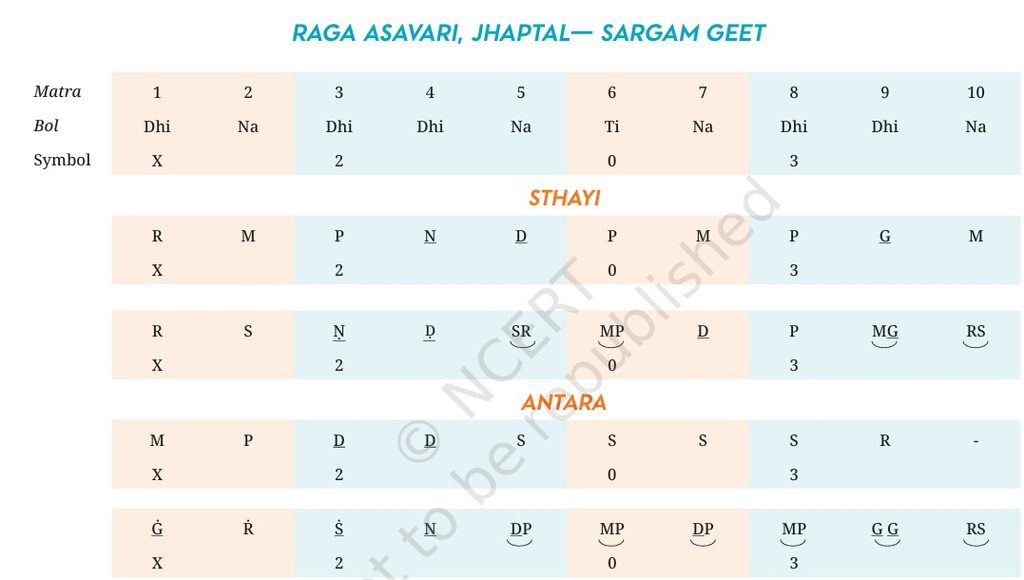
Raga Asavari, Jhaptal— Sargam Geet
Raga Asavari is a Hindustani classical raga belonging to the Asavari Thaat. It uses komal Gandhar (Ga), Dhaivat (Dha), and Nishad (Ni), while Sa, Re, Ma, and Pa are shuddha.
A Sargam Geet is a composition in which the musical notes, or Sargam syllables—Sa, Re, Ga, Ma, Pa, Dha, and Ni—are an important part of the musical text. It helps students practise the notes of a raga while developing pitch accuracy, melodic understanding, and rhythmic coordination.
Jhaptal is a commonly used tala in Hindustani music. It has 10 matras, divided into four sections with the pattern 2 + 3 + 2 + 3. Its theka is commonly represented as:
Dhi Na | Dhi Dhi Na | Tin Na | Dhi Dhi Na
While learning the Sargam Geet, students should sing the swaras accurately and maintain the Jhaptal cycle steadily. Pay attention to the characteristic movement of Raga Asavari, clear pronunciation of the sargam syllables, and correct rhythmic placement.
Practising this composition helps students develop pitch, rhythm, concentration, coordination, and familiarity with the raga.
Bhakti Sangeet and Sufi Qawwali
Devotional music in India has deep connections with the Bhakti movement, a major religious, social, and literary movement that developed in different parts of India from around the 6th century CE and reached a major period of influence between the 15th and 17th centuries CE.
The movement emphasised personal devotion and spiritual connection with the divine and had a significant influence on Indian music. It contributed to the development and spread of devotional forms such as Kirtana and Bhajan.
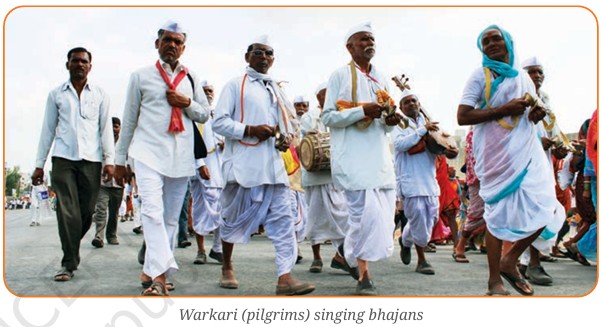
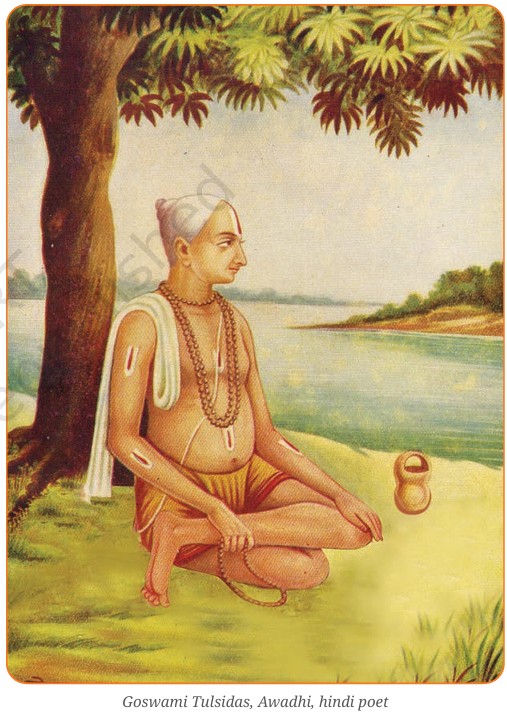
Several prominent Bhakti poets and saints contributed to this tradition. In northern India, Mirabai and Tulsidas are well-known figures, while in southern India, the Haridasa tradition included saints and composers such as Purandara Dasa and Kanakadasa. Their devotional compositions were often written in languages accessible to ordinary people and became part of living musical traditions.
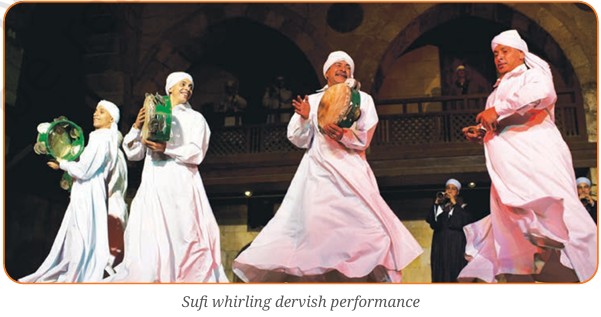
Sufism is a mystical tradition within Islam that developed and spread in the Indian subcontinent during the medieval period. Sufi saints such as Khwaja Moinuddin Chishti and Baba Farid emphasised inner devotion, spiritual discipline, and the experience of closeness to God.
Sufi Qawwali developed within this devotional environment. It combines poetry, melody, rhythm, repetition, and group singing to express spiritual devotion and longing for the Divine. Qawwali continues to be performed widely, particularly in parts of North India and Pakistan, and remains an important tradition of devotional music.
Here is a bhajan by Tulsidas.
Thumak Chalat Ram Chandra
Thumak Chalat Ram Chandra Baajat Paijaniya
Kilak Kilak Uthat Dhave Girat Bhumi Latpataye,
Dhaya Maat God Let Dashrath Ki Raniya
Tulasidas Ati Aanand Dekh Ke Mukharvind,
Raghuvar Chhabi Ke Samaan Raghubar Chhavi Baniya
Duma Dum Mast Kalandar
Ho laal meri pat rayhio bala jhoole laalan,
Sindhri da,
sehwan da sakhi shabaaz kalandar
Duma dum mast kalandar,
Ali dum dum de andar,
Ali da pehla number
Duma dum mast kalandar,
Ho laal meri Ho laal meri …
Char chirag tere baran hamesha,
Panjva main baaran aayi bhala jhoole laalan,
Sindhri da …
Conclusion
Indian Classical Music is a rich and diverse musical tradition built on the foundations of Raga, Tala, Swara, rhythm, melody, and musical expression. Through the study of Hindustani and Carnatic music, we learn how different musical systems use these elements to create structured and expressive performances.
We explored concepts such as Sthayi, Antara, Kriti, Pallavi, Anupallavi, Charanam, Sargam Geet, Lakshan Geet, and Tala patterns. We also experienced how regular practice, careful listening, and coordination help develop musical skills.
The study of Bhakti Sangeet and Sufi Qawwali shows how music can also express devotion, spiritual ideas, poetry, and cultural traditions. Together, these musical forms reflect India’s rich and diverse heritage.
Most importantly, learning Indian Classical Music encourages us to listen carefully, practise regularly, understand musical structure, and express ourselves creatively through music.