
Introduction
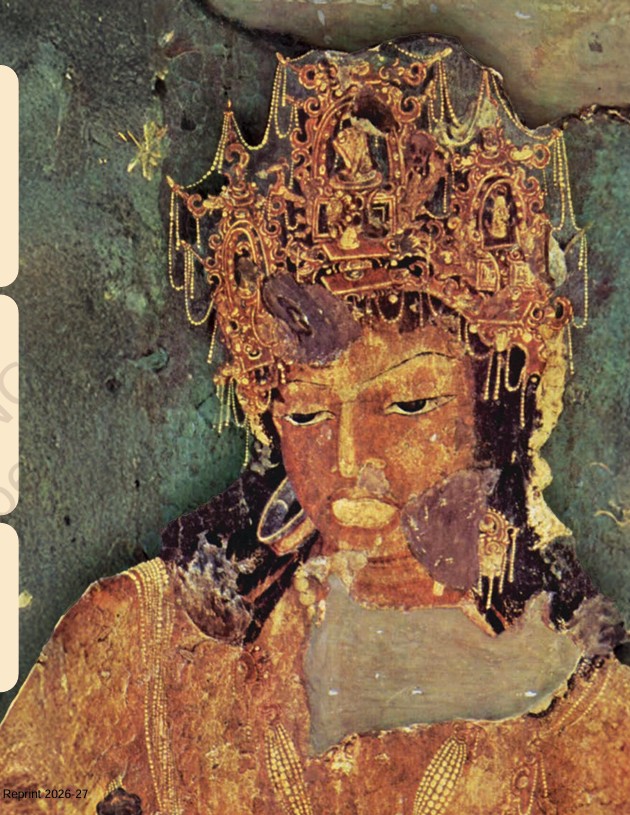
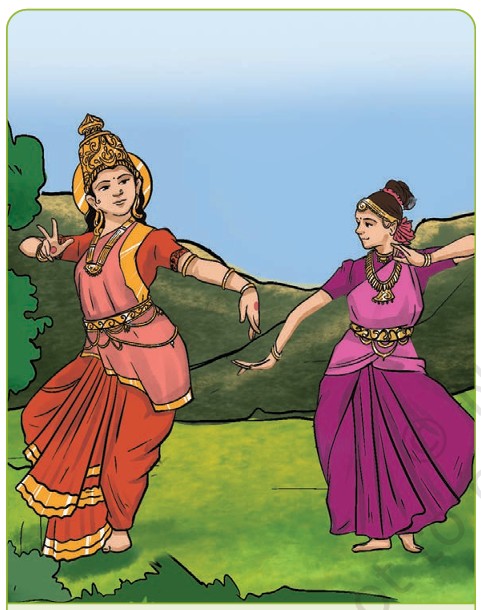
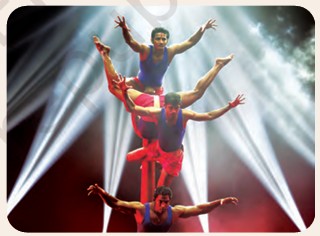
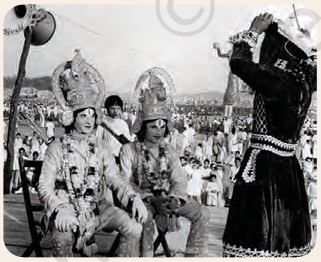
India is home to a rich variety of dance traditions, each shaped by the history, culture, music, customs, and artistic practices of its region. Dance is an important form of expression that brings together movement, rhythm, music, gestures, emotions, and storytelling.
The term Pan-Indian dance forms can be used to introduce dance traditions from different parts of India that have gained recognition and appreciation across the country. These include both classical and folk or traditional dances. Classical traditions such as Bharatanatyam, Kathak, Kathakali, Kuchipudi, Odissi, Manipuri, Mohiniyattam, and Sattriya represent different regional approaches to movement and expression.
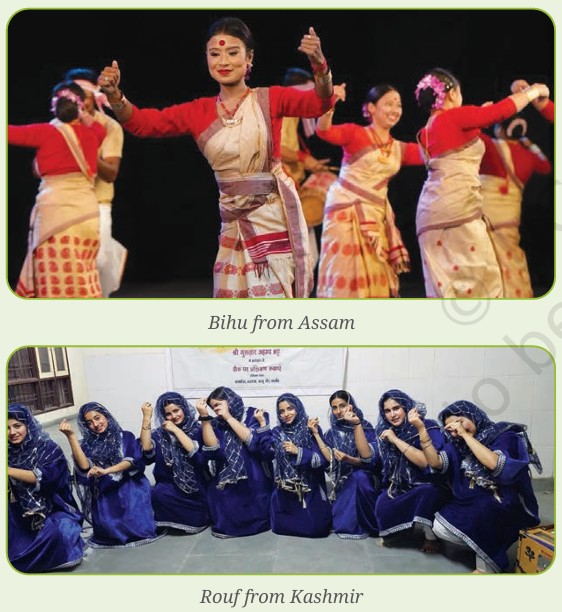
India also has numerous vibrant folk and community dance traditions. Garba from Gujarat, Bihu from Assam, Ghoomar from Rajasthan, Chhau from eastern India, Lavani from Maharashtra, and Bhangra from Punjab are examples of dances that celebrate community life, festivals, traditions, and regional identity.
Each dance form has its own movement vocabulary, rhythm, music, costume, gestures, and performance practices. Some dances narrate stories from mythology and history, while others celebrate seasons, festivals, occupations, or important occasions.
Exploring Pan-Indian dance forms helps us appreciate both the unity and diversity of Indian culture. Though the movements and styles may differ, these traditions demonstrate how dance connects people through creativity, expression, celebration, and storytelling.
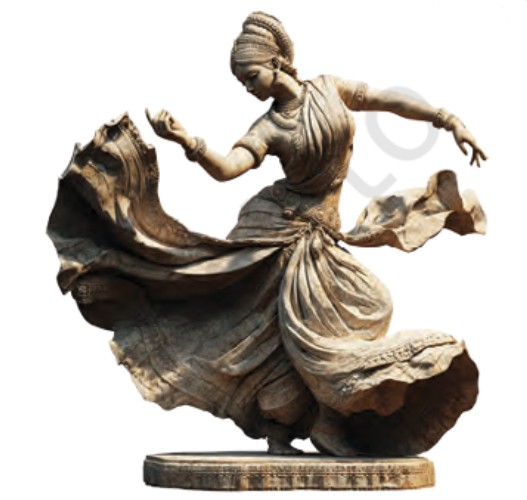
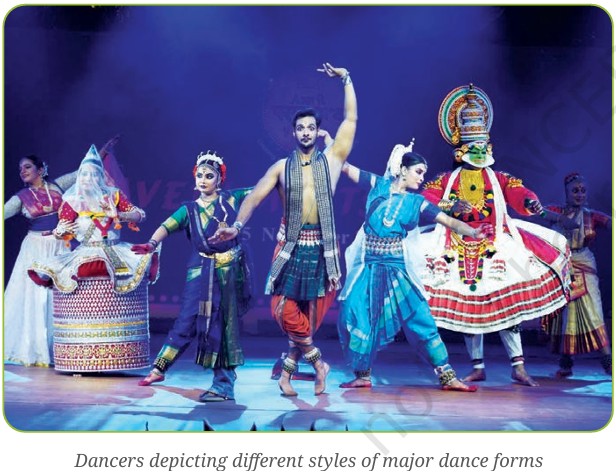
Dances are a beautiful and important part of India’s cultural heritage and history. Across the country, diverse dance traditions have developed over centuries, reflecting the stories, beliefs, festivals, customs, music, and ways of life of different communities. Through movements, rhythm, gestures, expressions, costumes, and music, dance brings cultural stories and traditions to life.
India’s dance heritage includes classical, folk, and traditional dance forms, each with its own distinctive style and significance. Together, these traditions showcase the unity in diversity of Indian culture and demonstrate how dance continues to connect people with their history and cultural identity.
There are eight major dance forms of India —
1. Bharatanatyam
2. Kathak
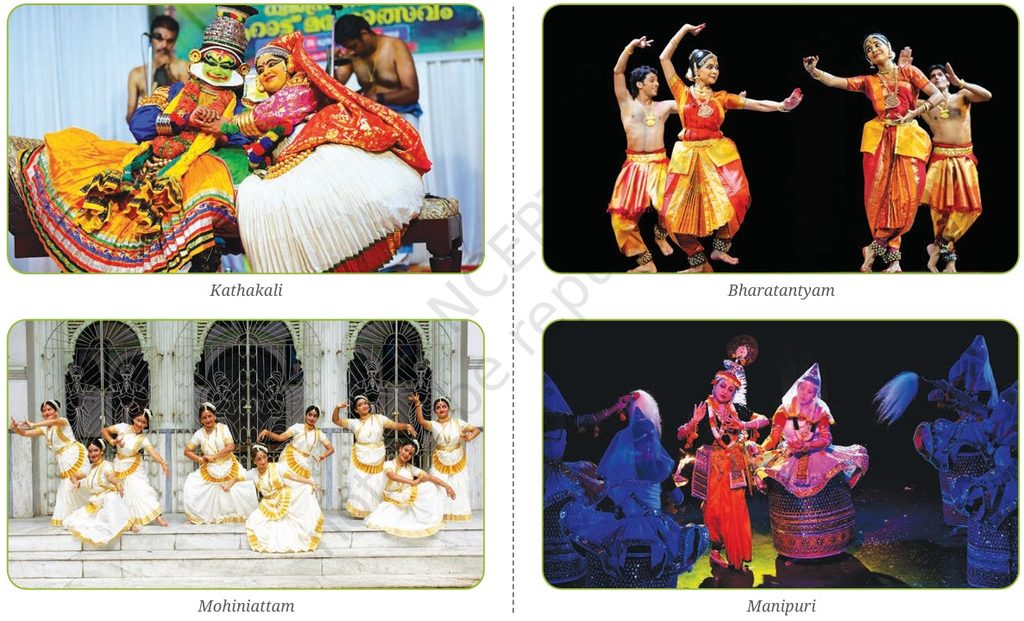
3. Kathakali
4. Kuchipudi
5. Manipuri
6. Mohiniyattam
7. Odissi
8. Sattriya
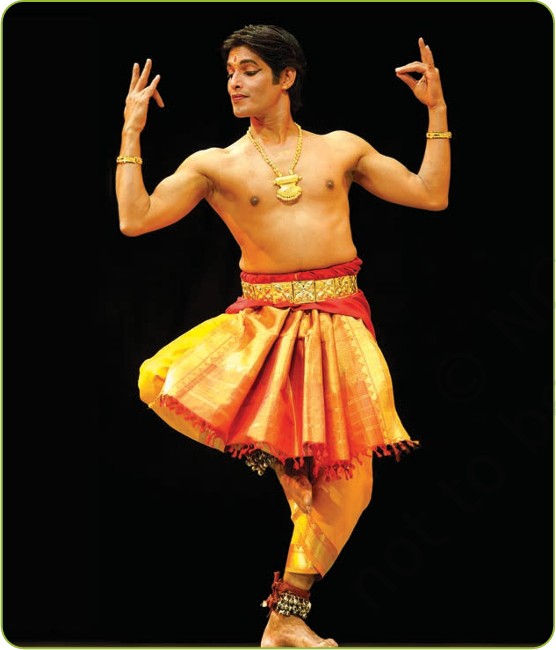
1.) Bharatanatyam
Bharatanatyam is a classical dance tradition from Tamil Nadu in South India. It is known for its geometric yet graceful movements, strong footwork, expressive hand gestures, and facial expressions. Dancers use emotion, music, rhythm, and movement to communicate stories, characters, and ideas.
Bharatanatyam has developed through several distinct bāṇis, or traditional styles. The Thanjavur, Pandanallur, Vazhuvoor, and Mysuru styles are among the well-known bāṇis, while many other traditions have also contributed to the richness and diversity of the form.
A characteristic feature of Bharatanatyam is the half-sitting posture, commonly called aramandi or āyata maṇḍala. In this position, the knees are turned outward and the body forms a stable, symmetrical shape, providing a strong foundation for movement and footwork.
Bharatanatyam dancers traditionally wear colourful silk costumes with carefully arranged pleats at the front. These pleats spread out beautifully during movements such as bending and dancing. The costume is complemented by traditional temple jewellery, ornaments, and other accessories, adding to the visual richness of the performance.
Through its combination of movement, rhythm, expression, music, and storytelling, Bharatanatyam remains an important part of India’s classical dance heritage.
2.) Kathak
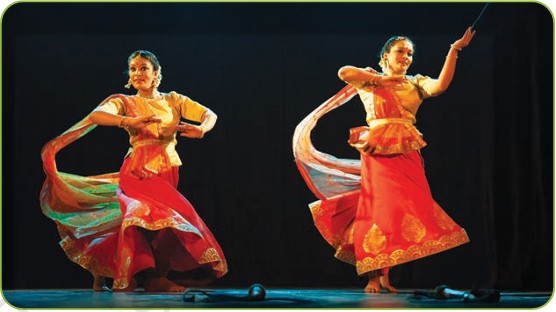
Kathak, derived from the Sanskrit word kathā, meaning “story” or “storytelling,” is a classical dance tradition from North India, particularly associated with Uttar Pradesh and Rajasthan. It developed as a form of storytelling in which dancers use expressive gestures, intricate footwork, graceful movements, rhythm, and facial expressions to bring stories and characters to life.
Kathak is known for its swift spins, rhythmic footwork, delicate hand gestures, and expressive facial movements. Dancers often create complex rhythmic patterns with their feet and coordinate them with music and percussion. The use of chakkars (spins) is also a distinctive feature of the form.
Kathak has developed through several gharanas, or distinctive schools and traditions of the dance. The Lucknow, Jaipur, Banaras, and Raigarh gharanas are particularly well known, while several other traditions have also contributed to the development and richness of Kathak.
Dancers often begin from a balanced standing position known as sama, with the body held upright and the feet together or placed in a slightly open position. Kathak costumes are traditionally long, flowing, and elegant. Performers may wear Anarkalis, lehengas, or other traditional costumes, often accompanied by a dupatta. These costumes enhance the graceful movement and visual appeal of the dance.
Through rhythm, movement, expression, and storytelling, Kathak continues to be an important part of India’s classical dance heritage.
3.) Kathakali
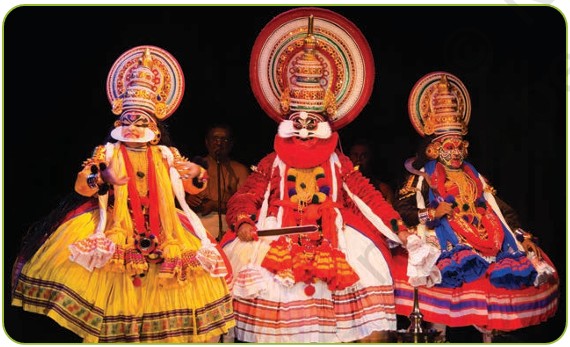
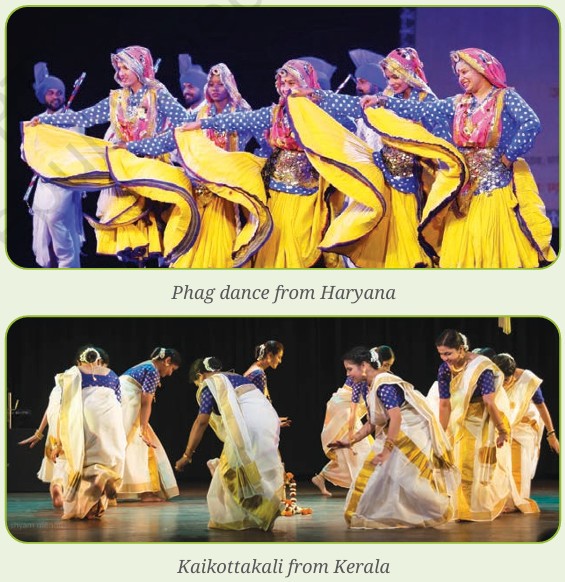
Kathakali is a traditional dance-drama form from Kerala, known for its dramatic storytelling, elaborate costumes, expressive facial movements, and powerful body movements. Traditionally, Kathakali performances were primarily performed by men, who portrayed both male and female characters.
Kathakali combines dance, acting, music, and storytelling to present episodes from Indian epics and other traditional stories. Dancers use highly stylised facial expressions, hand gestures, body movements, eye movements, and strong poses to portray characters and emotions.
Kathakali has two broad regional styles: the northern style, known as Vadakkan, and the southern style, known as Thekkan. The basic stance is atimandala, a deep and grounded position in which the knees are bent outward and the feet are placed firmly apart. This posture provides stability and supports the powerful movements characteristic of Kathakali.
The dancers wear bright and elaborate costumes, large crowns, ornaments, and distinctive makeup. Facial makeup and colours help identify different character types. For example, green is traditionally associated with noble or heroic characters, while red and other colours may be used for characters with fierce or negative qualities. The face, eyes, and eyebrows are carefully used to communicate emotions and dramatic situations.
With its combination of colour, movement, expression, music, and dramatic storytelling, Kathakali creates a visually striking and powerful performance tradition.
4.) Kuchipudi
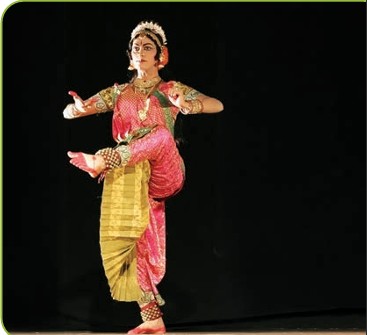
Kuchipudi is a classical dance tradition associated with Andhra Pradesh and Telangana. It takes its name from the village of Kuchipudi, which has remained an important centre for the tradition. Several traditional dance families, including the Vempati, Vedantam, and Bhagavatula families of Pasumarthy, have helped preserve and transmit this rich artistic heritage across generations.
Kuchipudi has a strong dance-drama tradition and is distinctive for its integration of vācika abhinaya, or the use of spoken words, with expressive dance and acting. Performances may include theatrical elements, with dancers portraying characters and narrating stories through movement, gestures, facial expressions, dialogue, and music. A remarkable feature of Kuchipudi is the performance of intricate rhythmic sequences on a brass plate, demonstrating the dancer’s balance, coordination, and skill.
Traditionally, Kuchipudi dance-dramas were performed exclusively by men, who often portrayed both male and female roles. Over time, the form has developed and is now performed widely by dancers of all genders.
The basic stance resembles the aramandi position of Bharatanatyam but is generally less deep. Kuchipudi is known for its quick footwork, expressive hip movements, leaps, sculptural poses, and changes in speed.
Dancers wear silk costumes designed for ease of movement, traditionally including a special drape known as gochi kattu. Traditional temple jewellery and ornaments complete the costume, adding to the visual beauty of the performance.
5.) Manipuri
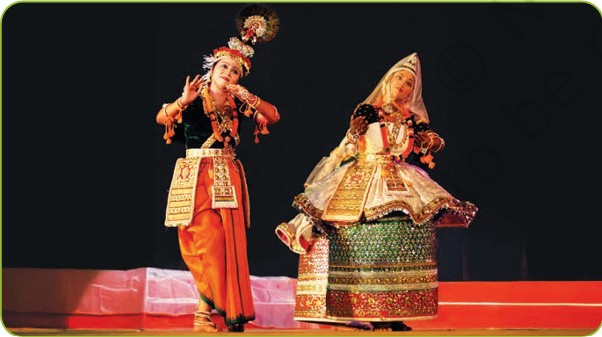
Manipuri is a classical dance tradition from Manipur in Northeast India. It is known for its soft, gentle, and flowing movements. The movements are generally smooth and rounded, creating an impression of gliding. The overall quality of Manipuri dance is often calm, graceful, and devotional.
A major part of the repertoire includes Rāsa Līlā, which presents stories of Radha and Krishna through dance, music, and expressive movement. Manipuri also draws from traditional movement practices associated with Lai Haraoba, an important cultural and ritual tradition of Manipur.
Another important tradition is Sankirtana, a devotional form involving music, singing, and movement. It is often performed with cymbals and drums in religious and ceremonial settings. A particularly energetic performance tradition is Pung Cholom, in which dancers play the pung, a traditional Manipuri drum, while dancing. It requires exceptional rhythm, balance, coordination, and physical control.
Manipuri footwork is generally gentle, with little or no forceful stamping. Dancers often use rounded pathways and coordinated movements to maintain the flowing quality of the dance.
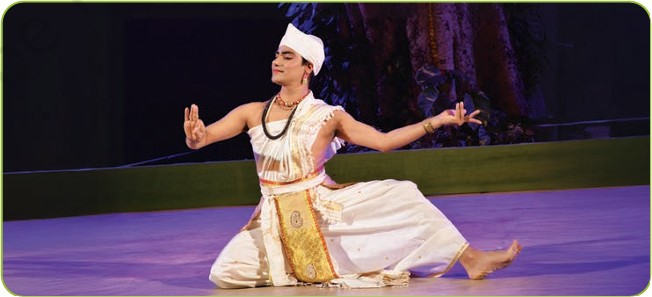
The traditional costume is especially distinctive. Female dancers performing Rāsa Līlā often wear the potloi, a stiff, colourful cylindrical skirt, along with a veil and elegant ornaments. Male performers may wear white dhotis and turbans, particularly in performances such as Pung Cholom and Rāsa Līlā.
Manipuri beautifully combines devotion, music, rhythm, storytelling, graceful movement, and visual elegance.
6.) Mohiniyattam
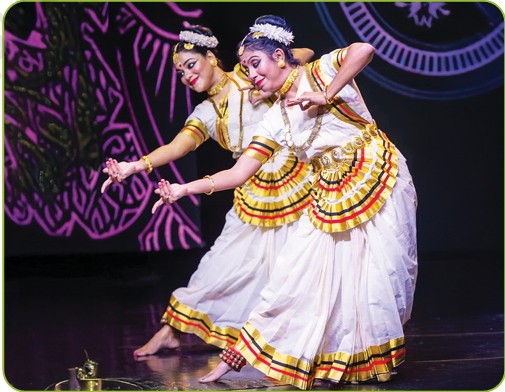
Mohiniyattam is a classical dance tradition from Kerala, traditionally associated with female performers. The name is derived from Mohini, the enchanting form of Lord Vishnu, and attam, meaning dance. The form is known for its graceful, gentle, and flowing movements, often expressing themes of love, devotion, and emotion.
Mohiniyattam uses subtle movements of the upper body, torso, arms, eyes, and head, along with delicate and rhythmic footwork. The movements are generally rounded and continuous, creating a lyrical and graceful quality. Dancers also move between different levels and postures, including aramandala, chaturamandala, and atimandala, adding variety to the choreography.
Two influential traditions associated with the development and teaching of Mohiniyattam are the Kalamandalam tradition and the style associated with Kalyanikutty Amma. These traditions have contributed significantly to the preservation and development of the dance form.
The traditional costume of Mohiniyattam is distinctive and elegant. Dancers commonly wear white or off-white sarees with golden borders, known as kasavu. The simple yet graceful costume is complemented by traditional jewellery and ornaments, enhancing the visual beauty of the performance.
Through its soft movements, expressive gestures, rhythmic footwork, music, and devotional themes, Mohiniyattam creates a delicate and captivating form of classical dance.
7.) Odissi
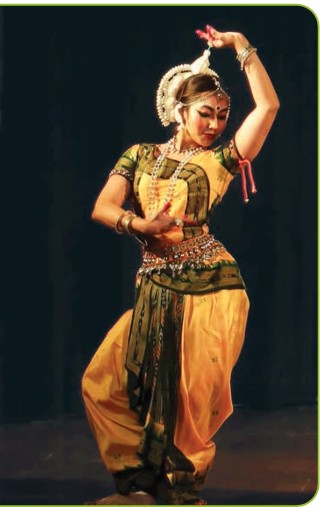
Odissi is a classical dance tradition that originated in Odisha in eastern India. It is closely connected with the rich sculptural heritage of Odisha, and many sculptural poses and postures found in Odisha’s temples can be seen reflected in its movement vocabulary.
Odissi is known for its smooth, flowing movements, graceful steps, gentle turns, and expressive gestures. The dance developed through several historical traditions, including the Mahari tradition, associated with women who performed devotional dance in temples, and the Gotipua tradition, in which young boys dressed in traditionally feminine costumes performed dance, particularly in devotional contexts associated with Lord Jagannath.
One of the most distinctive features of Odissi is the tribhaṅga posture, in which the body bends at three points, creating a characteristic three-part curve through the head, torso, and hips. Another important posture is chauka, a strong, square-shaped and half-sitting position that provides stability and balance.
Odissi costumes are traditionally made from pattasari, a woven silk fabric from Odisha, often arranged with distinctive pleats that spread during movement. Dancers wear beautiful silver filigree jewellery, a hallmark of Odisha’s craftsmanship. A distinctive floral head ornament known as tahiya completes the traditional costume.
Through its combination of sculptural postures, graceful movement, rhythm, expression, music, and devotional themes, Odissi reflects the rich artistic and cultural heritage of Odisha.
8.) Sattriya
Sattriya is a classical dance tradition from Assam that developed in the sattras, or Vaishnavite monastic institutions established by Srimanta Sankardeva. It was originally performed primarily by male monks as part of devotional and religious practices. Over time, Sattriya developed beyond the sattras and became widely performed by women and men on public stages.
Sattriya combines strong and gentle movements and uses dance, acting, music, and gestures to narrate stories, particularly those connected with Vaishnavite traditions and the life of Krishna. Dancers use the upper body for expressive movements and the lower body for rhythm and footwork. Actions from everyday life, such as eating, fighting, or expressing affection, may be represented through stylised movements.
The tradition includes distinctive movement patterns and performance forms such as the Sūtradhāra, Gopī Prasanga, and other dramatic presentations. Group formations and movements may create patterns such as sarpa, or serpent-like formations.
Sattriya dancers undergo extensive training through exercises known as mati-ākhora, which help develop strength, flexibility, balance, coordination, and control.
Traditional Sattriya costumes are made from Assamese silk, particularly paat or pat, and feature local motifs and designs. Costumes vary according to the character and type of performance and may include dhoti-style garments, skirts, and traditional ornaments.
Sattriya also uses distinct movement qualities associated with Purusha (masculine) and Prakriti (feminine). Together, these elements give Sattriya its distinctive combination of devotion, storytelling, rhythm, expression, and graceful movement.
Some eminent personalities in India’s eight major classical dance forms:-
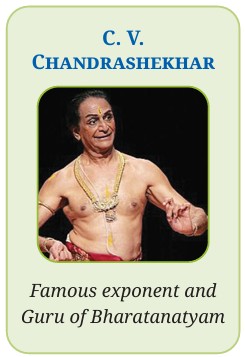
1.) C. V. Chandrashekhar (Famous exponent and Guru of Bharatanatyam ):-
C. V. Chandrashekhar is an eminent Indian Bharatanatyam dancer, teacher, choreographer, and scholar who has made a significant contribution to the preservation and development of Indian classical dance. Born in 1935 in Chennai, he trained in Bharatanatyam under distinguished gurus and developed a deep understanding of its technique, tradition, and expressive language.
He has performed extensively in India and abroad and has worked to promote Bharatanatyam through teaching, choreography, and research. His approach combines a strong foundation in traditional technique with thoughtful interpretation and creativity. He has also contributed to dance education by training many students and encouraging a deeper understanding of the artistic and cultural dimensions of Bharatanatyam.
C. V. Chandrashekhar has received several honours for his contribution to Indian dance, including the Sangeet Natak Akademi Award and the Padma Bhushan. Through his performances, teaching, and scholarship, he continues to represent the richness of Bharatanatyam and India’s classical dance heritage.
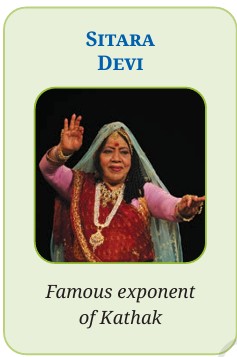
2.) Sitara Devi (Famous exponent of Kathak ):-
Sitara Devi was a renowned Kathak dancer, choreographer, and teacher who played an important role in popularising Kathak in India and abroad. Born in 1920 in Kolkata, she was trained in Kathak from a young age under her father, Sukhdev Maharaj, and other distinguished gurus.
Sitara Devi was celebrated for her powerful footwork, energetic movements, expressive gestures, and dramatic style. She performed both traditional Kathak compositions and innovative choreographies, bringing a distinctive energy to the stage. Her performances helped introduce Kathak to wider audiences, including audiences outside India.
She was associated with the Lucknow tradition of Kathak and was also influenced by the artistic environment of Banaras. Throughout her long career, she performed at major cultural events and worked to preserve and promote Indian classical dance.
Sitara Devi received several honours for her contribution to dance, including the Sangeet Natak Akademi Award and the Padma Shri, which she later declined. She remains remembered as one of the most influential women in the history of Kathak.
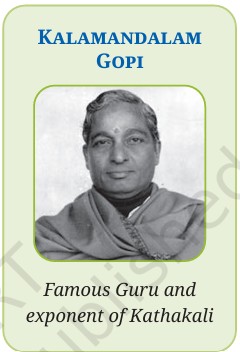
3.) Kalamandalam Gopi (Famous Guru and exponent of Kathakali ):-
Kalamandalam Gopi is a renowned Kathakali dancer and actor from Kerala and is regarded as one of the leading performers of the tradition. Born in 1937 in Perur, Kerala, he received rigorous training in Kathakali at Kerala Kalamandalam, one of India’s important institutions for traditional performing arts.
Gopi is particularly admired for his portrayal of heroic and emotionally complex characters, especially Pacha roles such as Nala, Arjuna, and Karna. His performances are known for their powerful facial expressions, controlled body movements, expressive eyes, and deep understanding of character.
Throughout his career, he has performed widely and contributed to the teaching and preservation of Kathakali. His work demonstrates how acting, movement, facial expression, hand gestures, rhythm, and music combine to create the dramatic language of Kathakali.
Kalamandalam Gopi has received several prestigious honours for his contribution to Indian performing arts, including the Sangeet Natak Akademi Award and the Padma Shri. He continues to be remembered as an important figure in the development and promotion of Kathakali.
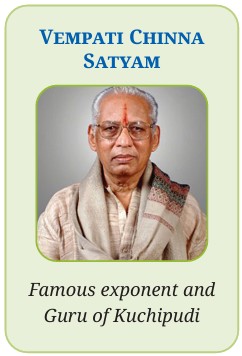
4.) Vempati Chinna Satyam (Famous exponent and Guru of Kuchipudi ):-
Vempati Chinna Satyam was a renowned Kuchipudi dancer, choreographer, teacher, and guru who played a major role in bringing Kuchipudi to national and international audiences. Born in 1929 in Kuchipudi, Andhra Pradesh, he received his early training in the traditional Kuchipudi style.
He later studied under distinguished gurus and developed a deep understanding of Kuchipudi technique, dance-drama, abhinaya, rhythm, and storytelling. In 1963, he established the Kuchipudi Art Academy in Madras (now Chennai), where he trained many dancers and helped create a systematic approach to teaching the art form.
Vempati Chinna Satyam choreographed numerous dance-dramas and solo productions, drawing inspiration from stories of Indian mythology and literature. His choreography combined traditional Kuchipudi vocabulary with carefully structured movements, expressive acting, music, and stage presentation.
He received several prestigious honours for his contribution to Indian classical dance, including the Sangeet Natak Akademi Award and the Padma Bhushan. Through his teaching and choreography, he helped establish Kuchipudi as a widely recognised classical dance tradition and inspired generations of dancers.
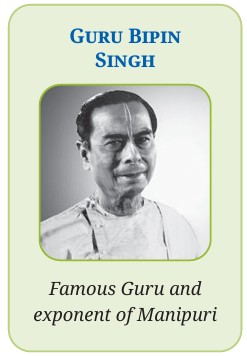
5.) Guru Bipin Singh (Famous Guru and exponent of Manipuri ):-
Guru Bipin Singh was a renowned Manipuri dancer, choreographer, teacher, and scholar who made a significant contribution to the preservation and development of Manipuri classical dance. Born in 1918 in Manipur, he began learning dance and music at a young age and trained under several distinguished gurus.
Guru Bipin Singh was particularly known for his deep knowledge of Manipuri dance, Rāsa Līlā, abhinaya, and traditional movement techniques. He worked extensively to document, teach, and develop the dance form while maintaining its traditional character. His choreographies combined graceful movements, devotional expression, rhythm, and storytelling.
He established important institutions for the teaching of Manipuri dance and trained many students who later became accomplished performers and teachers. His work helped bring greater recognition to Manipuri dance both within India and internationally.
Guru Bipin Singh received several honours for his contribution to Indian classical dance, including the Sangeet Natak Akademi Award. He is remembered as one of the important figures who helped preserve the rich cultural, devotional, and artistic heritage of Manipuri dance.
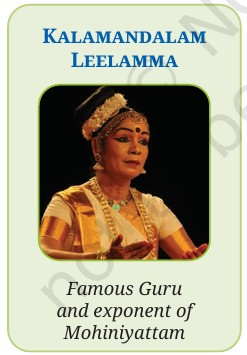
6.) Kalamandalam Leelamma (Famous Guru and exponent of Mohiniyattam ):-
Kalamandalam Leelamma was a distinguished Mohiniyattam dancer, teacher, and choreographer from Kerala. She is recognised for her contribution to the teaching, preservation, and promotion of Mohiniyattam, one of India’s classical dance traditions.
Leelamma received training in the traditional dance practices of Kerala and developed a strong understanding of Mohiniyattam technique, graceful movements, abhinaya, rhythm, and expression. Her performances and teaching emphasised the gentle, flowing, and lyrical qualities that are characteristic of the dance form.
She was closely associated with Kerala Kalamandalam, an important institution for the study and practice of Kerala’s traditional performing arts. Through her work as a teacher, she helped train students and pass on the artistic knowledge of Mohiniyattam to younger generations.
Her contribution demonstrates how movement, facial expression, hand gestures, music, rhythm, and emotion come together in Mohiniyattam to create an elegant form of storytelling.
Kalamandalam Leelamma is remembered for her dedication to Mohiniyattam and Kerala’s classical dance heritage, particularly through her work in education and performance.
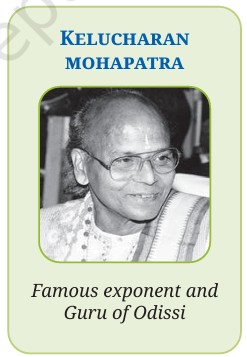
7.) Kelucharan mohapatra (Famous exponent and Guru of Odissi ):-
Kelucharan Mohapatra was a legendary Odissi dancer, choreographer, teacher, and guru who played a major role in shaping and popularising Odissi as a classical dance tradition of India. Born in 1926 in Raghurajpur, Odisha, he began his artistic training at a young age.
Kelucharan Mohapatra studied and practised several traditional performance forms, including Gotipua and Mahari traditions, before developing his distinctive approach to Odissi. He was deeply influenced by the sculptural heritage of Odisha, and his work helped bring traditional postures, movements, gestures, and expressions into modern stage presentations.
He is particularly remembered for his mastery of abhinaya, expressive storytelling through facial expressions, gestures, and body movements. His choreographies combined tribhaṅga, chauka, rhythmic footwork, graceful movements, and expressive acting.
Through his performances, teaching, and choreography, Kelucharan Mohapatra trained numerous dancers and helped establish Odissi on national and international stages. He received several prestigious honours, including the Sangeet Natak Akademi Award, Padma Shri, Padma Bhushan, and Padma Vibhushan.
He remains one of the most influential figures in the history of Odissi dance, and his artistic legacy continues through his students and choreographic works.
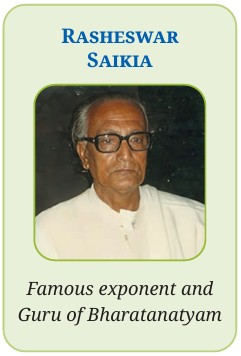
8.) Rasheswar Saikia (Famous exponent and Guru of Bharatanatyam ):-
Rasheswar Saikia was a respected Sattriya dancer, guru, choreographer, and teacher from Assam. He made an important contribution to the preservation and promotion of Sattriya, the classical dance tradition that developed in the sattras of Assam.
He received training in the traditional Sattriya dance and devotional performing arts of Assam and developed a deep understanding of its movement vocabulary, rhythm, expression, and spiritual traditions. Through his teaching and performances, he helped pass this knowledge to younger generations.
Rasheswar Saikia was particularly associated with the teaching and systematic presentation of Sattriya dance. His work helped bring greater awareness of the form beyond its traditional monastic setting and contributed to its recognition as an important Indian classical dance tradition.
His contribution demonstrates how movement, rhythm, abhinaya, music, and devotion work together in Sattriya to communicate stories and spiritual themes.
He is remembered for his dedication to Assam’s rich Sattriya heritage and for his role in preserving and transmitting this traditional art form.
Watch live or recorded performances whenever you can:-
Other Dance Traditions
Apart from the eight major classical dance forms, India has a wide variety of folk and traditional dance forms practised across different regions and communities. These dances are closely connected with the beliefs, rituals, performing arts, customs, and symbols of the communities that practise them. They have developed within specific social, cultural, and geographical contexts and often bring colour, energy, and joy to everyday life.
Each folk dance tradition is born and nurtured within a particular socio-cultural environment. As a result, every dance form has its own stories, myths, history, movements, music, and traditions. These elements reflect the experiences and ways of life of the communities that preserve them.
Folk traditions are not static. They have changed and evolved over time while retaining their essential character. Their flexibility has allowed them to adapt to changing circumstances, including industrialisation, urbanisation, and social change. At the same time, they continue to preserve important aspects of cultural identity and community life.
In this section, we will explore dance traditions from Nagaland and Chhattisgarh and learn about some of the important personalities associated with these traditions.
1.) Folk Dance from the Ao Tribe, Nagaland
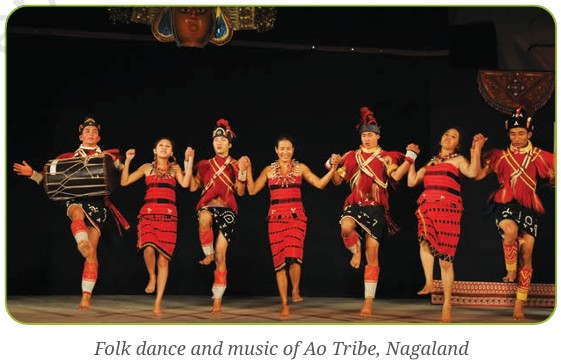
The Ao Naga tribe of Nagaland celebrates the Moatsu Mong festival as a time of recreation and joy after the hard work of clearing fields, preparing the land, and sowing seeds. The festival is marked by vibrant songs, dances, feasting, and merrymaking, bringing the community together after the agricultural work.
Another important festival is Tsüngrem Mong, which is observed around the harvest season as an occasion to express gratitude to the Supreme Power. The festival is celebrated with colourful traditional costumes, songs, dances, and community gatherings.
The Ao Naga have a rich tradition of clothing and ornaments, which historically helped distinguish different social roles, including those of commoners and warriors. The Ao warrior is traditionally known as a mangkotepsu.
Nagaland is home to numerous traditional dances belonging to its many indigenous communities. The Sumi War Dance is an energetic dance associated with the Sumi community and traditionally celebrates victory and bravery. The Mungyanta, performed by Lotha women, is associated with the Tokhü Emong harvest festival. Other traditional dances include the Sangtam War Dance, Hornbill Dance, Chang Lo, and Butterfly Dance. Together, these traditions reflect the rich cultural diversity of Nagaland.
An important personality associated with the preservation and promotion of Ao community dance traditions is Sangyusang Pongen. He has been recognised with the Sangeet Natak Akademi Award for his contribution to the performing arts.
These dances demonstrate how festivals, agriculture, community life, traditional clothing, music, and dance are closely connected in the cultural traditions of Nagaland.
2.) Traditional Dances of Chhattisgarh
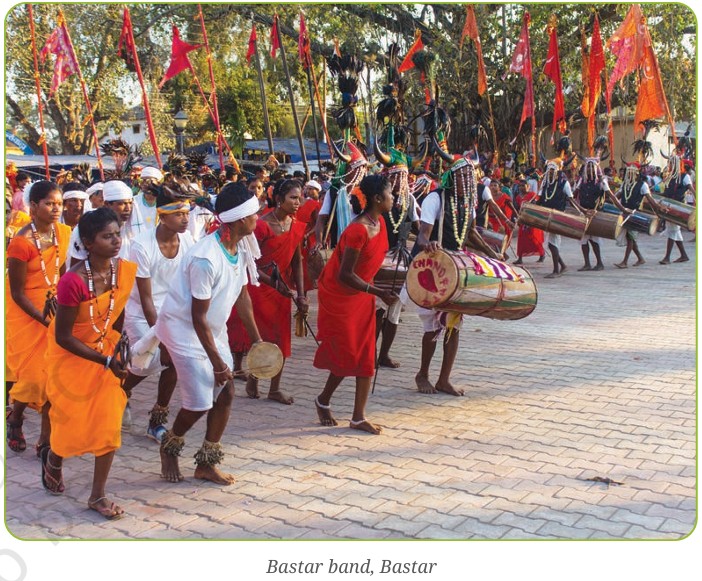
Chhattisgarh has a vibrant cultural heritage, with diverse traditional dances that reflect the region’s unique customs and its close connection with nature and community life. These dances are commonly performed during festivals, harvest celebrations, rituals, marriages, and other important occasions.
The Panthi dance, popular among the Satnami community of Chhattisgarh, is performed by groups of men who dance in coordinated formations to the beats of instruments such as the mandar and jhanjh. The energetic movements and rhythmic patterns create a lively community performance.
The Gaud Maria dance, associated with the Bison Horn Maria community of the Bastar region, is performed by both men and women on important occasions such as births and marriages. The dance reflects the community’s traditions and connection with its cultural environment.
Other notable traditional dances include the Karma dance, performed during the harvest season in honour of Karma Devi; the Suwa Danda, or Parrot Dance, traditionally performed by women during the harvest season and Diwali; and the Gedi dance, associated with the Gond community, in which performers dance while walking on bamboo stilts.
Together, the traditional dances of Chhattisgarh showcase the region’s rich cultural diversity, musical traditions, community spirit, and close relationship with nature.
Mamta Chandrakar
Mamta Chandrakar is a renowned folk singer and cultural artist from Chhattisgarh who has made a significant contribution to preserving and promoting the state’s rich indigenous music and dance traditions. Through her performances and cultural work, she has helped bring the folk traditions of Chhattisgarh to wider audiences.
She has been honoured with the Sangeet Natak Akademi Award for her contribution to traditional performing arts. She was also awarded the Padma Shri, one of India’s prestigious civilian honours, in recognition of her contribution to the field of folk arts and culture.
Mamta Chandrakar’s work demonstrates the important role of artists in preserving cultural heritage, supporting traditional art forms, and passing knowledge from one generation to the next.
Activity : Dance As Knowledge, Dance As Experience
Dance is not only a form of entertainment or physical activity; it is also a way of learning, experiencing, and sharing knowledge. Through movement, rhythm, gestures, expressions, and storytelling, dancers explore ideas about the body, emotions, culture, history, nature, and society.
Dance provides knowledge through practice and experience. A dancer learns by observing, listening, repeating movements, developing body awareness, and understanding the meaning behind different gestures and actions. With regular practice, movements become more controlled, coordinated, and expressive.
Dance is also an embodied experience. This means that knowledge is understood and expressed through the body as well as through the mind. A dancer experiences rhythm through movement, balance through posture, emotion through expression, and space through the movement of the body.
Different dance traditions also preserve the knowledge and experiences of communities. Their movements, music, costumes, stories, rituals, and performance practices carry memories and cultural values from one generation to another.
Thus, dance connects knowledge with experience. It allows us not only to learn about a tradition but also to understand it through movement, participation, observation, and creative expression.
Conclusion
The diverse dance traditions of India reflect the country’s rich cultural heritage and the many ways in which communities express their stories, beliefs, emotions, celebrations, and ways of life. From classical dance forms to vibrant folk and traditional dances, each form has its own distinctive movements, rhythms, music, costumes, and performance practices.
Exploring these dance traditions helps us appreciate the unity in diversity of India. Although dance forms may differ from one region to another, they share a common ability to connect people through movement, creativity, expression, storytelling, and cultural experience.
By learning, practising, and respecting these traditions, we can help preserve India’s diverse dance heritage for future generations.