
Introduction
You are now familiar with the Nāṭyaśāstra and the Abhinaya Darpaṇa, two important texts associated with Indian performing arts and dance. In ancient Indian traditions, dance was described using terms such as nṛtta, which refers to pure dance movements, and nṛtya or nartana, which is associated with expressive dance. The term nāṭya refers to dramatic performance, combining elements such as acting, movement, music, and storytelling.
Have you ever wondered how dance originated? What inspired people to express themselves through movement, rhythm, and gestures?
If you refer to your Grade 6 Arts textbook on Theatre, you may recall an interesting story about the origin of the performing arts. This story introduces the traditional understanding of how drama and performance came into being.
Similarly, in this section, you will explore the origin of dance as described in the Abhinaya Darpaṇa. Through this account, you will learn about the traditional explanations associated with dance and deepen your understanding of its place in Indian culture and performing arts.
The Creation Of The Fifth Veda
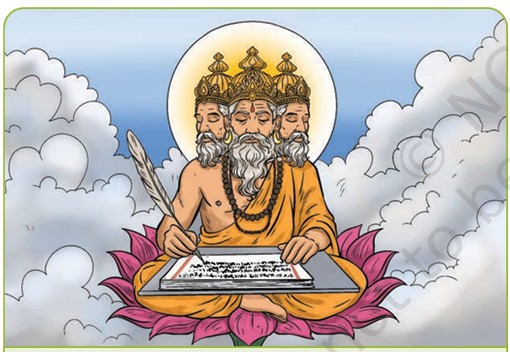
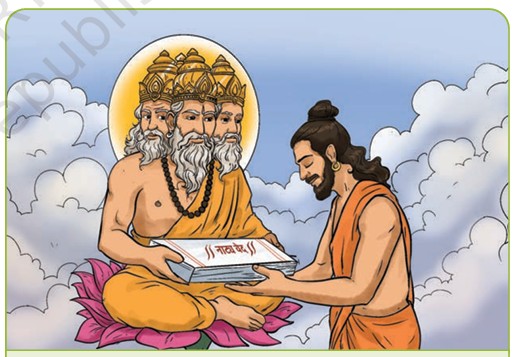
According to Indian tradition, Brahma Deva is believed to have created the Nāṭya Veda, also known as the Fifth Veda, by drawing elements from all four Vedas. This sacred knowledge brought together aspects of drama, dance, music, and expression, making the wisdom of the Vedas accessible to people through the performing arts.
Bharata Muni And The Nāṭya Veda
According to Indian tradition, Brahma Deva entrusted the Nāṭya Veda to the sage Bharata Muni, who studied its principles and mastered the three aspects of performance: nṛtta, nṛtya, and nāṭya.
Nṛtta refers to pure dance movements performed with rhythm, nṛtya combines dance with expressions and gestures to communicate emotions and meanings, and nāṭya refers to dramatic performance that brings stories and characters to life. Bharata Muni is traditionally credited with composing the Nāṭyaśāstra, an important treatise on Indian performing arts.
His work explains the principles of movement, expression, music, emotions, and dramatic presentation, providing a foundation for understanding India’s rich dance and theatre traditions.
The First Performance Of Nāṭya
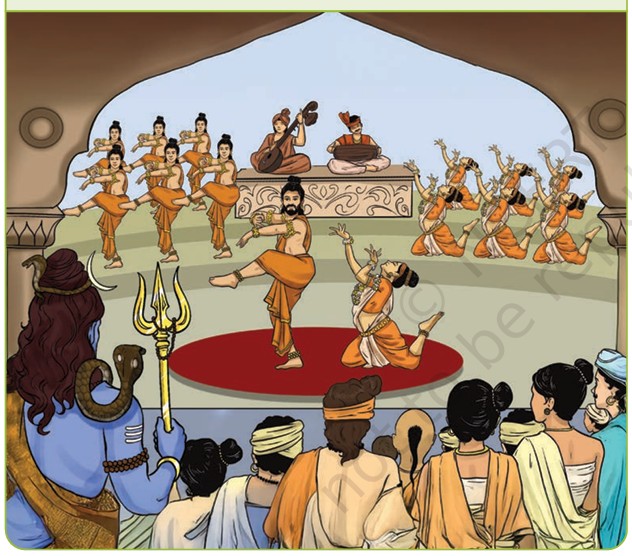
According to Indian tradition, Bharata Muni, accompanied by a group of Gandharvas (heavenly musicians) and Apsarās (heavenly dancers), presented the first performance of the Nāṭya Veda. This legendary performance brought together dance, music, gestures, facial expressions, and dramatic storytelling, demonstrating the many ways in which the performing arts could communicate ideas, emotions, and stories.
The Gandharvas contributed their musical knowledge, while the Apsarās displayed their graceful movements and dancing skills. Bharata Muni guided the performance using the principles of nṛtta, nṛtya, and nāṭya, combining rhythmic movements, expressive gestures, and dramatic representation.
Among the audience was Mahadeva (Lord Shiva), revered in Indian tradition as the great cosmic dancer and the embodiment of Tāṇḍava, a powerful form of dance associated with energy and transformation. His presence symbolised the divine connection between dance and spirituality.
This traditional account highlights the importance of movement, rhythm, expression, music, and storytelling in Indian performing arts. It also reflects the belief that dance is a sacred art form capable of connecting artistic creativity with deeper cultural and spiritual ideas.
Mahadeva And The Origin Of Tāṇḍava
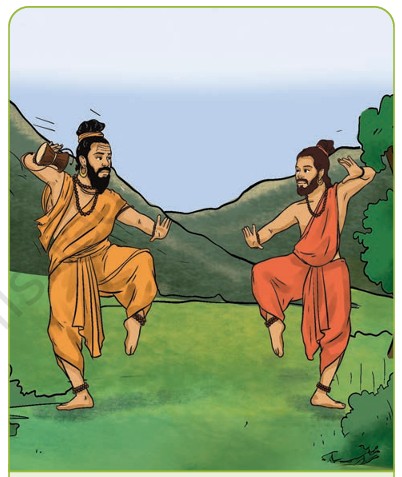
According to Indian tradition, Mahadeva (Lord Shiva) was pleased with Bharata Muni’s performance of the Nāṭya Veda. He offered Bharata Muni special lessons in Tāṇḍava, a vigorous and powerful style of dance associated with energy, strength, and dynamic movements. These lessons were to be taught by Mahadeva’s skilled gaṇas (attendants).
Tradition credits Tandu, one of Mahadeva’s attendants, with teaching Tāṇḍava to Bharata Muni and the sages. The sages then passed this knowledge on to human beings. Tāṇḍava became an important part of Indian dance traditions, symbolising power, rhythm, and the dynamic energy of the universe.
This traditional account highlights the divine significance of dance in Indian culture and explains how knowledge of dance was believed to have passed from the divine realm to human performers.
Devi Parvati And The Origin Of Lāsya
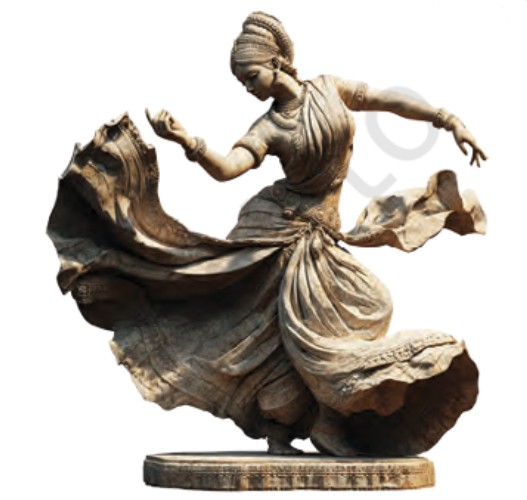
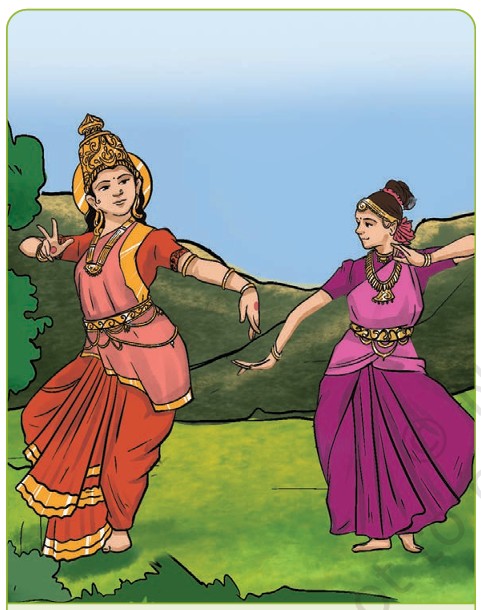
According to Indian tradition, Devi Parvati taught Bharata Muni the graceful style of dance known as Lāsya. While Tāṇḍava, associated with Mahadeva (Lord Shiva), is known for its vigorous and powerful movements, Lāsya is traditionally associated with grace, softness, elegance, and fluid movements.
Lāsya expresses emotions through delicate gestures, gentle body movements, expressive facial expressions, and graceful postures. It can portray feelings such as love, tenderness, joy, and devotion. The movements are generally softer and more flowing, creating a sense of beauty and harmony in a performance.
The traditional association of Tāṇḍava with Mahadeva and Lāsya with Devi Parvati highlights the complementary qualities of strength and grace in Indian dance. Together, these styles demonstrate how different movements and expressions can communicate emotions, ideas, and stories without relying entirely on words. This account also reflects the spiritual and cultural significance of dance in Indian traditions.
The Spread Of Lāsya On Earth
According to Indian tradition, Devi Parvati passed on the graceful art of Lāsya to Usha, the daughter of King Bana. Usha learned this elegant style of dance and later taught it to the gopis, the milkmaids of Dwarka. The gopis, in turn, shared their knowledge of Lāsya with the women of Saurashtra.
In this way, the art of dance gradually spread from one person to another and from one community to another. As more people learned and practised dance, its movements, gestures, and expressions became part of human cultural life.
This traditional story explains how dance was believed to have reached the earth and become a shared art form. It also highlights the importance of teaching, learning, and passing artistic knowledge from one generation to the next. Through this process, dance continued to develop as a means of expressing emotions, telling stories, celebrating traditions, and bringing people together.
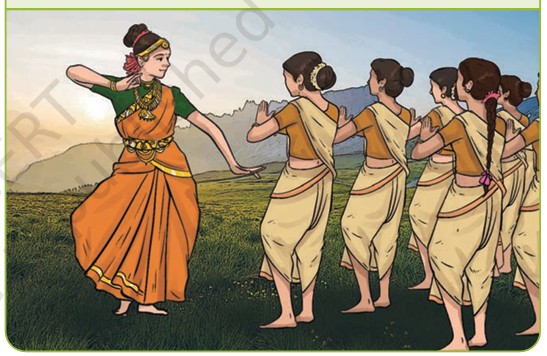
Legends And Storytelling In Indian Dance
Legends and traditional stories are an important source of inspiration for Indian dance forms. Tales from the Puranas, Jataka Tales, and Panchatantra provide rich narratives that dancers bring to life through movements, gestures, facial expressions, music, and costumes. These performances create beautiful visual spectacles while conveying meaningful moral lessons and cultural values.
Such stories remain relevant even today when interpreted in the context of contemporary life. They allow dancers to connect ancient wisdom with modern experiences and help audiences reflect on values such as kindness, courage, compassion, responsibility, and respect for nature.
You have already learnt about the descent of the River Ganga from heaven to Earth in Visual Arts. This powerful story highlights the importance of rivers in sustaining life on our planet. On closer reflection, it also teaches deeper lessons about perseverance, devotion, responsibility, and the relationship between human beings and nature. Through dance, these ideas can be communicated in an expressive and memorable way, allowing traditional stories to inspire new generations.
The story showcases:
- The strength and resolve of a woman, in this case, Devi Ganga.
- How different elements of nature, including Gods, have to work together to make good things happen, for instance, how Mahadeva helped Ganga in controlling her force before descending to Earth.
- King Bhagirath as a great example of unwavering faith and perseverance.
- The present day plight of rivers and how they are polluted.
- How rivers must be respected and kept clean and pure.
Once Upon A Dance… Creating your Dance Production
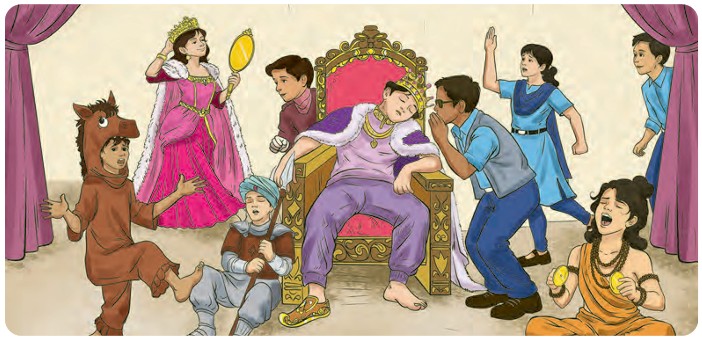
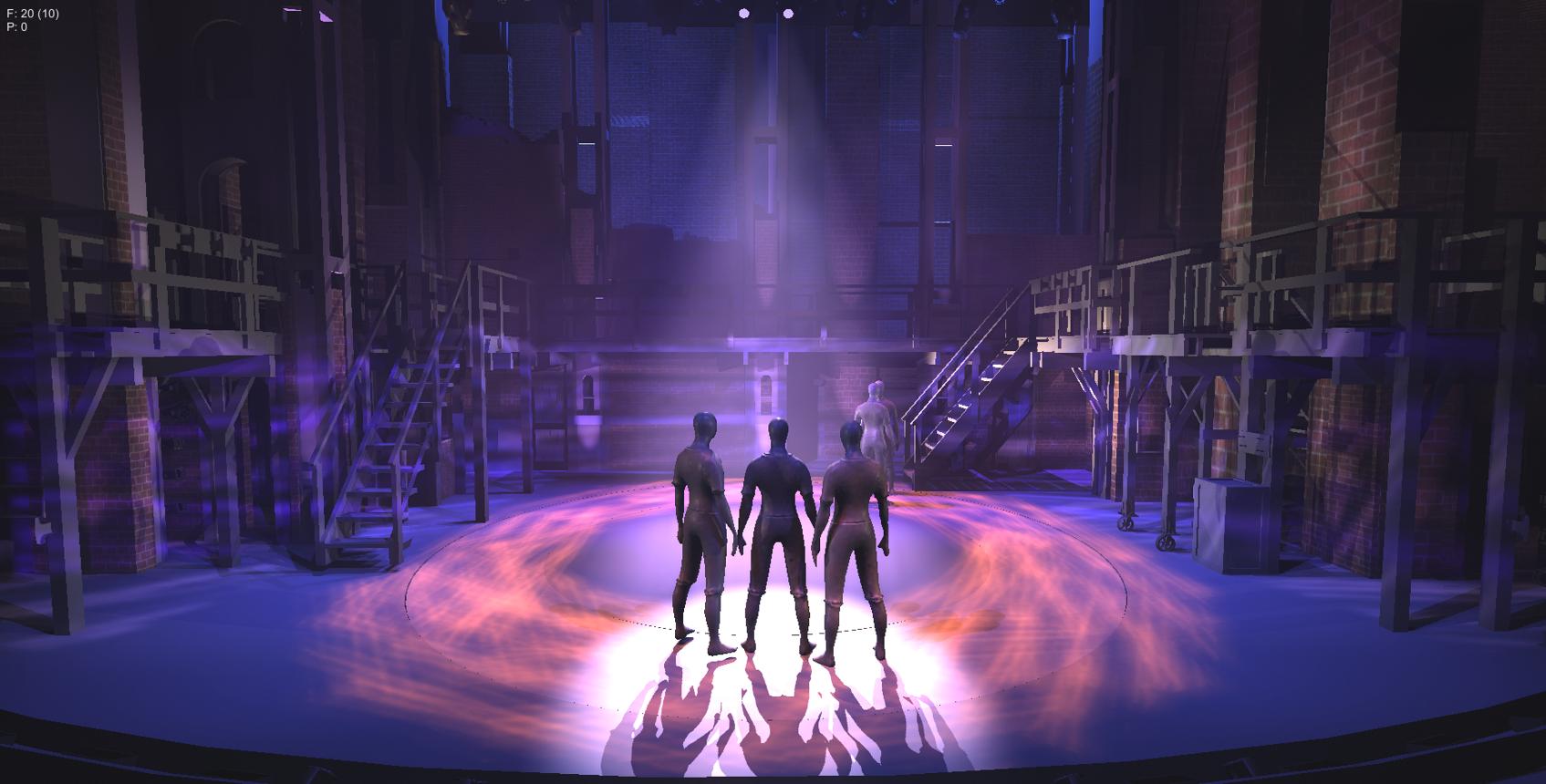
A dance production is a planned performance that tells a story or communicates an idea through dance, music, expressions, and movements. It combines choreography, costumes, props, lighting, and stage arrangements to create an engaging experience for the audience.
A dance production may be based on a traditional legend, a historical event, a folk tale, or a contemporary issue. By adapting stories to modern times, dancers can present meaningful messages about courage, kindness, equality, and environmental protection.
This creative process encourages teamwork, imagination, and artistic expression while connecting traditional cultural stories with present-day life.
This activity involves selecting a legend or historical tale, adapting its message to modern life, and planning a dance production to present the story. It combines choreography, music, gestures, facial expressions, costumes, and props to communicate the story’s meaning and highlight its relevance to contemporary issues and values. Through this creative process, students develop imagination, teamwork, and performance skills while exploring how traditional stories can inspire people and convey meaningful messages in today’s world.
Phase 1: Planning and Pre-Production
Time for brainstorming ideas!
1. Theme and Storyline
- What is your production about?
- Choose a myth, legend or historical story and give it a twist to fit today’s world.
- Will you write a script or use an existing one?
- Will each dance tell part of the story?
- How many dances will you include?
2. Style of Dance and Groups
- What style or styles of dance would you include? Make sure it fits the theme.
- How many dance groups will you have, and how many people per group?
- Would you like to use any props?
3. Music Selection
- Pick music that suits your theme and dance styles.
- You can use recorded tracks, compose your own or even include live music performed by students.
4. Roles and Responsibilities
- Choreographer: Designs the dances, leads rehearsals.
- Performers: Dancers and actors.
- Director or Co-ordinator: Keeps everything running smoothly.
- Script writer: Writes dialogues and narration.
- Music Director: Creates or chooses music and effects.
- Set and Prop Designer: Designs backdrops and props.
- Lighting and Tech Crew: Manages lights, sounds, and tech.
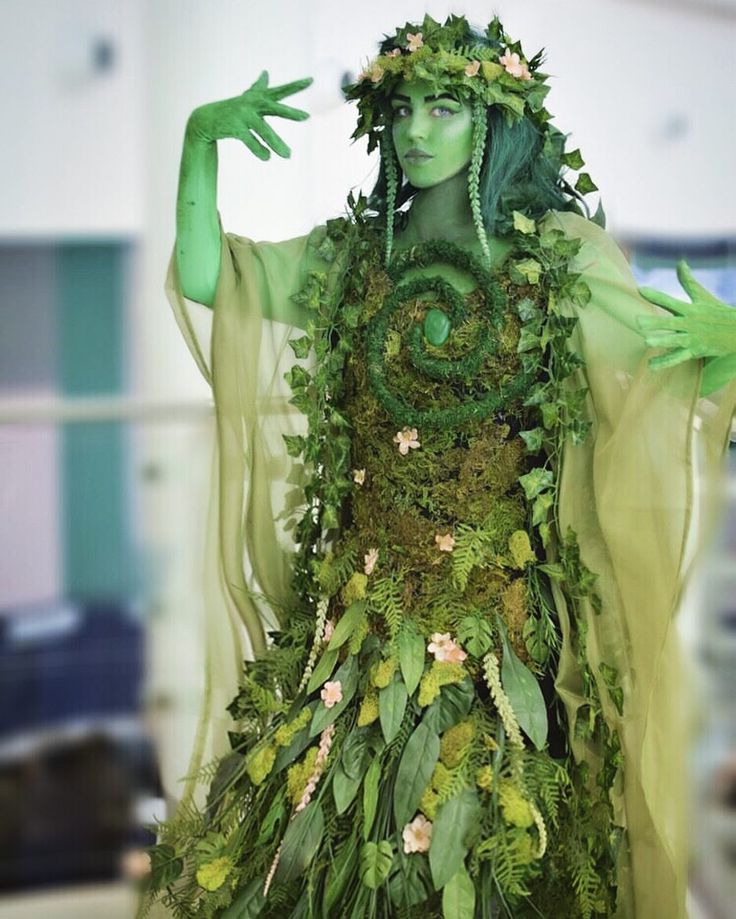
- Costume and Make-Up Designer: Plans the look of characters
- Marketing Team: Spreads the word about your show!
5. Use your learning from other subjects!
- Theatre: For scriptwriting, acting and dialogue.
- Visual Arts: For set design, costume, make-up and props.
- Music: For live instruments, songs, and background score.
- Maths and Computing: To plan budgets, timing, or lighting cues.
6. Venue and Dates
- Where will the show be? (School hall, stage, outdoors)
- Set your rehearsal schedule and performance date.
Phase 2: Choreography and Rehearsals
1. Choreographic Stages
- Break your story into scenes or moments.
- Explore movements and emotions for each character or scene.
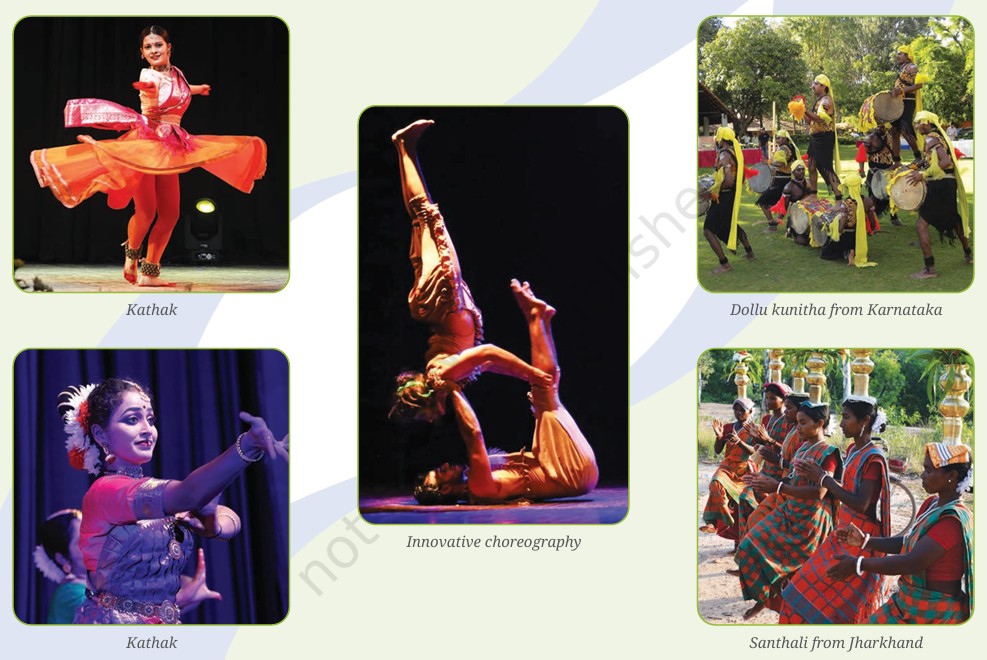
- Use elements from your dance form sthānas, chāris, hastas and add creative touches.
- Think about breath, rhythm, silence; they’re all part of the story!
2. Rehearsals and Teaching Choreography
- Schedule regular rehearsals with clear goals.
- Teach the dances group by group.
- Try interesting formations and group patterns.
- Keep entrances and exits smooth and connected.
- Watch, review and tweak the dances as needed.
3. Production Design
- Finalise props, costumes, lights and sounds.
- Do a dress rehearsal with full costume and music.
- Have a technical rehearsal to practise all the backstage elements.
The Importance Of Planning And Pre-Production
Many tasks in Phase 2 can be carried out simultaneously. However, planning and pre-production are essential before beginning the creative process.
Just as a construction project requires a strong foundation before a building can be erected, a dance production needs careful preparation before its different elements are brought together.
Once the foundation is ready, tasks such as choreography, music selection, costume design, and prop preparation can be developed at different times or worked on simultaneously.
Finally, these elements are assembled into a coordinated performance. Proper planning ensures that the production is organised, creative, and successful.
Phase 3: Performance
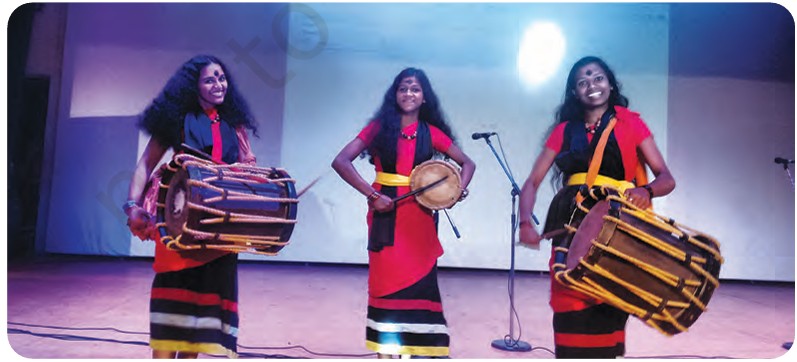
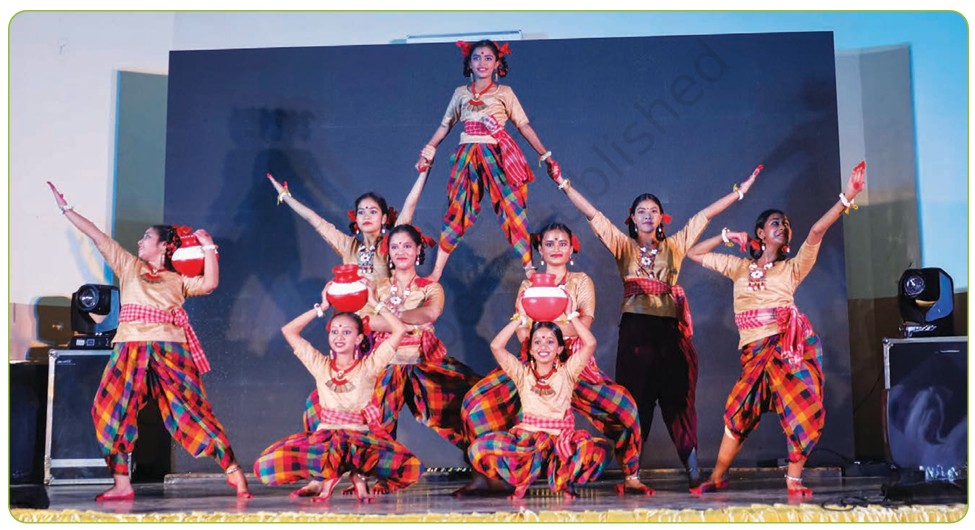
Performance is the stage at which a planned dance production is presented to an audience. It brings together choreography, music, facial expressions, gestures, costumes, props, and stage arrangements to communicate the story and its message.
Performers use their movements, rhythm, and expressions to bring characters and events to life. A successful performance requires practice, coordination, teamwork, confidence, and proper timing.
It allows dancers to express their creativity, connect with the audience, and share the values or ideas behind the story.
- Grand Rehearsal: This is a critical rehearsal, just like a whole show on the main stage that you will perform. Invite a few people to give feedback and make notes of anything that went wrong (although by this point there should be no mistakes).
- Final Performance: Enjoy the show!
- Reflections: Post-show feedback.
Taking A Bow: Celebrating Your Dance Journey
Now that you have explored the beautiful art of dance, created your own dance production, and shared your performance with joy, it is time to celebrate your achievement.
Take a graceful bow, wear a bright smile, and appreciate the creativity, teamwork, and dedication that made your performance possible. Remember that dance is not just about steps and movements; it is also about expressing emotions, telling stories, and connecting with others.
Keep practising, stay creative, and let your passion for dance continue to grow. Most importantly, let your heart dance with happiness!
Conclusion
Dance and choreography are beautiful art forms that bring together movement, rhythm, music, emotions, and storytelling. Through this exploration, we learn how traditional Indian dance draws inspiration from ancient texts, legends, mythology, and cultural practices. Stories associated with Mahadeva, Devi Parvati, Bharata Muni, and the Nāṭya Veda help us understand the traditional beliefs surrounding the origin and development of dance. They also highlight the importance of expression, creativity, and the transmission of artistic knowledge across generations.
Creating a dance production allows performers to transform stories into meaningful visual experiences through choreography, gestures, facial expressions, costumes, props, and music. By interpreting traditional tales in the context of contemporary life, dancers can communicate important messages about courage, compassion, equality, and environmental responsibility.
Careful planning, teamwork, practice, and dedication help bring every performance to life. Ultimately, dance is more than a sequence of steps; it is a powerful medium of communication that connects people, preserves cultural heritage, inspires imagination, and celebrates the joy of creative expression.