
Introduction:
A Campaign for Art Awareness is an organised effort to educate people about the importance of art, promote different art forms, appreciate artists, and preserve cultural heritage through creative activities and public participation.
An awareness campaign is an effective way to communicate an important message and draw public attention to a particular issue. It may promote a new service, announce a special offer, or spread awareness about public concerns such as health, hygiene, environmental protection, justice, and voter registration. Art plays an important role in these campaigns by presenting messages through creative words, images, colours, and designs.
Posters, flyers, banners, hoardings, handouts, and brochures are commonly used to communicate information and attract people’s attention. Each of these materials is carefully designed to make the message clear, meaningful, and memorable. A powerful combination of words and visuals can help people understand an issue quickly and encourage them to take positive action. For example, a poster about protecting the environment may use images of trees, rivers, and wildlife to inspire people to keep their surroundings clean.
Creating awareness about the arts is equally important. Art is an essential part of our cultural heritage and includes painting, sculpture, music, dance, theatre, folk art, and traditional handicrafts. An art awareness campaign can encourage people to appreciate different art forms, support local artists and artisans, and preserve traditional skills for future generations. It can also inspire students and community members to participate in creative activities.
In this chapter, students will learn how to plan and create an art awareness campaign. The process involves collecting relevant materials, conducting research, selecting a suitable format, developing a meaningful message, and creating attractive visuals. Through this activity, students will discover how art can communicate ideas, unite communities, celebrate cultural diversity, and bring positive changes to society.
7 Inspiring Ways to Launch a Campaign for Art Awareness:
Here are seven inspiring ways to launch a successful art awareness campaign:
An art awareness campaign is an organised effort to help people understand the importance of art, appreciate artists, and preserve traditional and contemporary art forms. Art reflects our culture, history, emotions, beliefs, and creativity. By organising an awareness campaign, students can encourage their school and community to recognise the value of art in everyday life.
1. Organise an Art Exhibition: Display paintings, drawings, sculptures, photographs, and handicrafts created by students and local artists. This allows people to explore different art forms and appreciate artistic talent.
2. Create Attractive Posters: Design colourful posters with meaningful messages, illustrations, and slogans to spread awareness about art and cultural heritage.
3. Prepare Brochures and Flyers: Collect interesting information about famous artists, traditional crafts, folk paintings, and regional art forms. Share it with students and community members.
4. Conduct Art Workshops: Invite local artists and craftspeople to demonstrate their skills. Encourage participants to learn painting, pottery, weaving, or other creative activities.
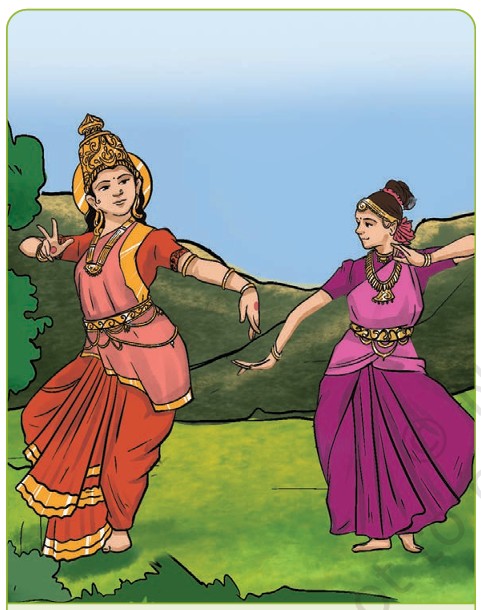
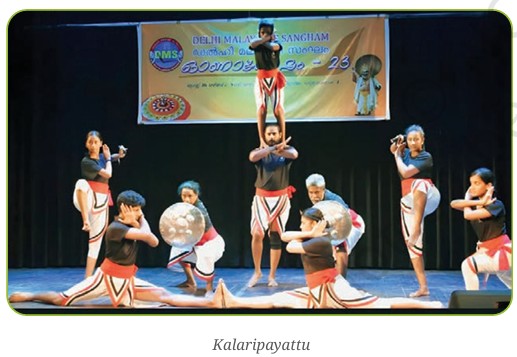
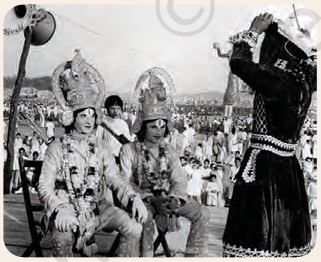
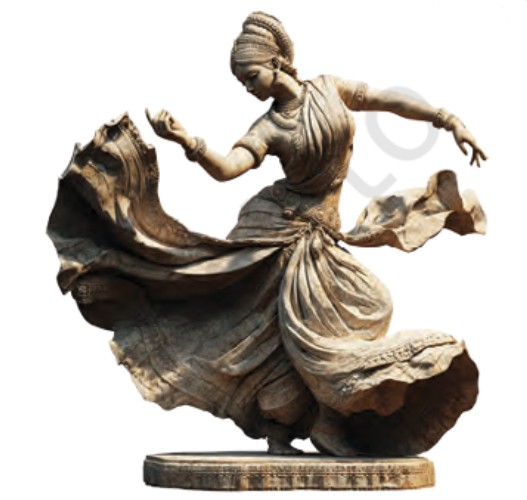
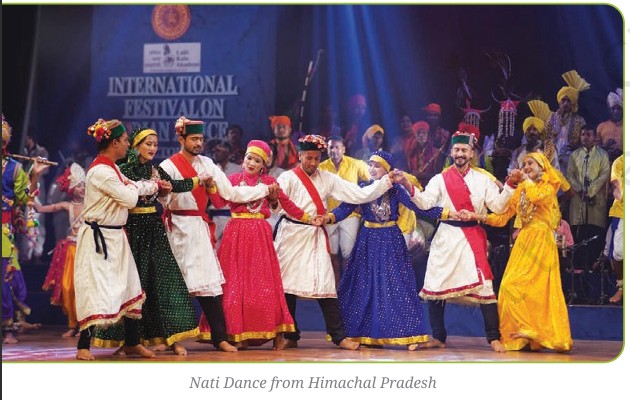
5. Promote Traditional Art Forms: Introduce people to local art traditions, folk music, dance, and handicrafts through demonstrations, performances, and presentations.
6. Use Digital Media: Share artwork, short videos, photographs, and educational messages through websites and social media platforms to reach a wider audience.
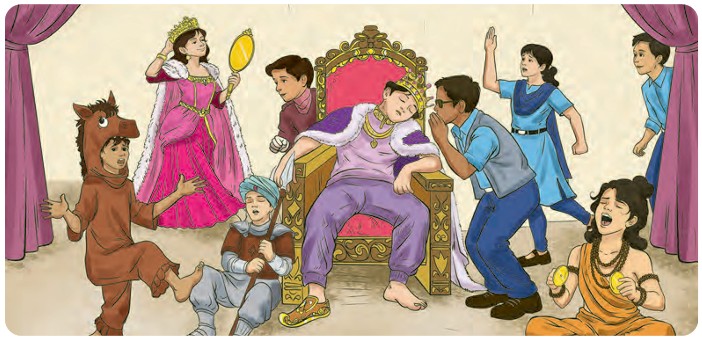
7. Organise Community Art Events: Arrange drawing competitions, street plays, cultural programmes, and collaborative murals to bring people together through creativity.
In conclusion, an art awareness campaign helps develop creativity, teamwork, cultural understanding, and respect for artists. By using these seven methods, students can inspire others to appreciate art, support local talent, and protect artistic traditions for future generations.
i.) National Handloom day:
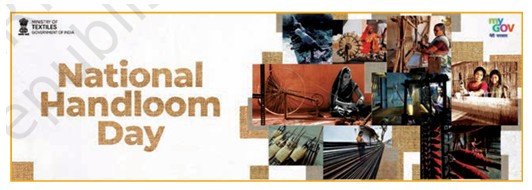
National Handloom Day is celebrated every year on 7 August in India to honour the contributions of handloom weavers and promote the country’s rich weaving traditions. The day was first observed in 2015 to commemorate the Swadeshi Movement, which was formally launched on 7 August 1905 to encourage the use of indigenous products and support Indian industries.
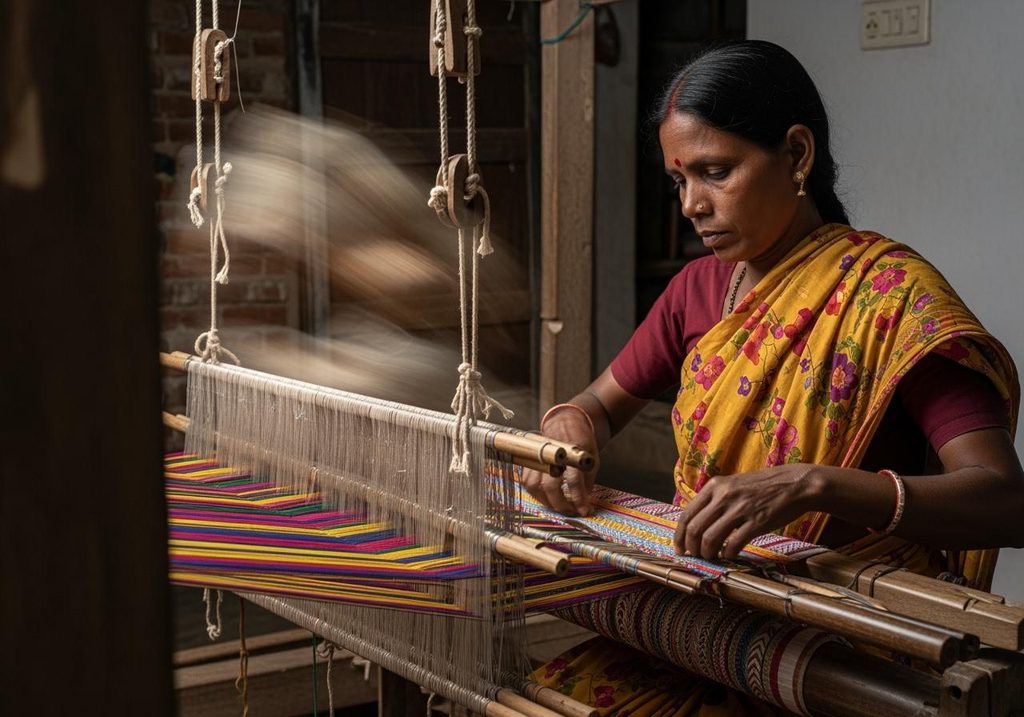
Handloom weaving is an important part of India’s cultural heritage. Skilled weavers create beautiful fabrics using traditional looms, techniques, patterns, and designs passed down through generations. Different regions of India are famous for their distinctive handloom traditions, such as Banarasi silk from Uttar Pradesh, Kanjeevaram silk from Tamil Nadu, Pochampally Ikat from Telangana, Chanderi fabric from Madhya Pradesh, and Sambalpuri textiles from Odisha.
National Handloom Day raises awareness about the importance of supporting local weavers and purchasing handwoven products. It also highlights the challenges faced by handloom workers, including competition from machine-made fabrics and the need for better marketing opportunities. Handloom products often reflect the history, environment, beliefs, and artistic skills of the communities that produce them.
Schools, cultural organisations, and government institutions celebrate this day through exhibitions, demonstrations, workshops, and awareness campaigns. These activities help people understand the effort and creativity involved in handloom production.
By appreciating handwoven textiles and supporting traditional artisans, we can help preserve India’s cultural identity, protect traditional craftsmanship, and provide sustainable livelihoods for weaving communities. National Handloom Day reminds us that every handwoven fabric carries a story of creativity, tradition, and human skill.
ii.) Khadi Mahotsav ( E- PLEDGE ):
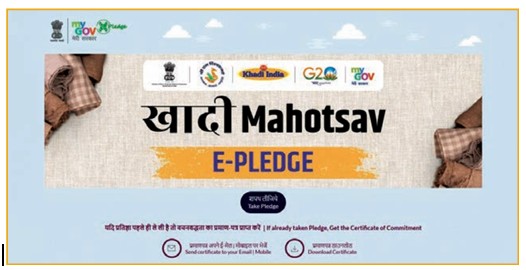
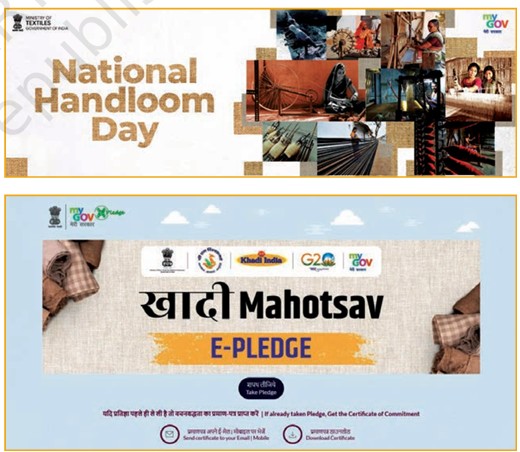
Khadi Mahotsav is an initiative that encourages people to use khadi and other indigenous products while supporting Indian artisans, weavers, and local industries. Khadi is a handspun and handwoven fabric that holds an important place in India’s freedom movement and cultural heritage. Mahatma Gandhi promoted khadi as a symbol of self-reliance, dignity of labour, and economic independence. Today, Khadi Mahotsav aims to inspire people to adopt locally made products and contribute to the vision of Atmanirbhar Bharat (Self-Reliant India).
The E-Pledge is a digital way for people to express their commitment to supporting khadi, village industries, and locally produced goods. By taking the pledge, individuals can promise to purchase indigenous products, encourage others to support local artisans, and help preserve India’s traditional crafts. Such initiatives create awareness about the importance of handmade products and the skills of the people who make them.
Khadi Mahotsav also highlights the environmental and social value of traditional textile production. Handspinning and handweaving preserve traditional knowledge and can provide livelihood opportunities for rural communities. The campaign encourages students and citizens to understand the connection between local production, cultural identity, and sustainable development.
Schools and communities can participate by organising khadi exhibitions, displaying handmade products, conducting awareness activities, and sharing information about traditional Indian textiles. Through the E-Pledge, people can take a small but meaningful step towards supporting indigenous industries and preserving India’s rich handicraft heritage.
Message: Take the E-Pledge, choose local products, support Indian artisans, and celebrate the beauty of Khadi.
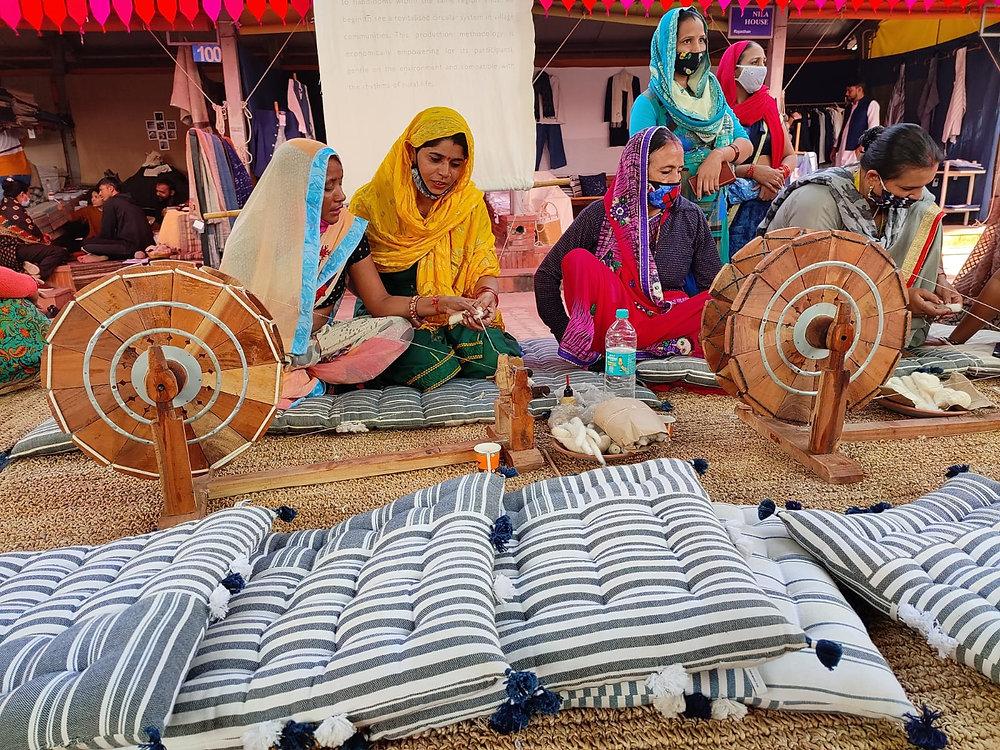
Activity 19.1: Choose The Subject For Your Campaign
The first step in creating an art awareness campaign is to choose a suitable subject. You may focus on an individual artist, such as a painter, sculptor, designer, or photographer. You can also select a community that preserves traditional art and craft practices, a school cultural production, or an art project of your own. The subject should be interesting, meaningful, and relevant to your surroundings.
Form small groups of four to five students and discuss different ideas for your campaign. Think about the artists and traditional art forms found in your region. You may explore local paintings, folk music, dance, pottery, handloom weaving, handicrafts, or other creative traditions. You can also look for upcoming festivals, craft fairs, and cultural events where you might meet artists and learn about their work.
Consider whether there are any art and design schools, museums, or galleries in your area. Find out what kinds of artworks they display and how they encourage people to appreciate art. You may discover talented artists and unique art practices that are not widely known.
Choose a subject that interests your group and that you can understand through observation, research, or interaction with artists. Discuss your ideas with your teacher before finalising the topic. A well-chosen subject will help you create an engaging campaign that spreads awareness, celebrates creativity, and encourages people to appreciate and preserve India’s rich artistic and cultural heritage.
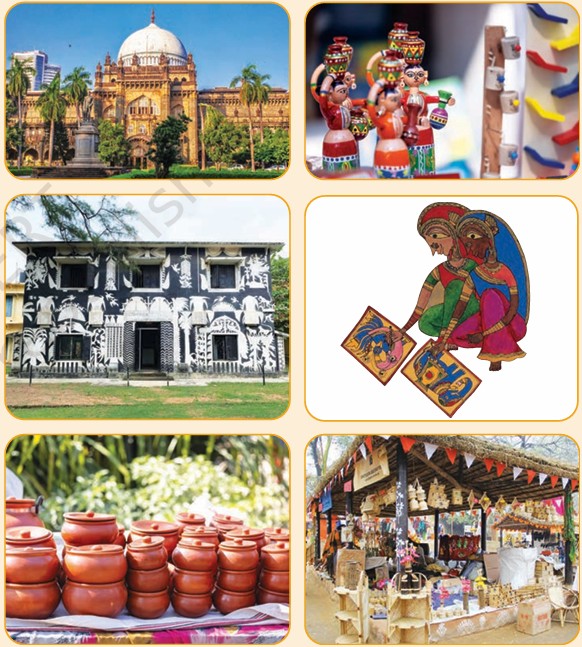
Activity 19.2: Collect Information
After choosing a subject for your art awareness campaign, the next step is to collect relevant information. Research helps you understand your chosen artist, artwork, or traditional art practice and communicate its importance to others. You can gather information by talking to teachers, friends, and family members, visiting libraries, reading local newspapers, and referring to textbooks from previous years.
Whenever possible, visit artists in their studios or workplaces to observe how they create their artworks. You can also explore art galleries, museums, craft fairs, and local haats to learn about different art forms and meet artists and artisans. Use the internet under adult supervision to find additional information from reliable sources.
Maintain a notebook to record important facts, observations, and ideas. Collect photographs, drawings, newspaper articles, brochures, and other visual or written materials that can support your campaign. Always seek permission before taking photographs or collecting materials from artists.
While researching, try to find answers to the following questions:
- What contribution does the artist or artwork make to society?
- What is the story behind the artist, artwork, or art practice?
- What makes this artist, artwork, or tradition special?
- What inspires the artist to create the artwork?
- Which materials, tools, and techniques are used?
- What social, economic, or environmental challenges do the artists face?
Organise the collected information carefully and select the most useful details for your campaign. Accurate information, meaningful stories, and attractive visuals will help you create an informative and engaging awareness campaign that encourages people to appreciate art, support artists, and preserve cultural heritage.
Activity 19.3: Organise The Information
After collecting information about your chosen artist, artwork, or art practice, the next step is to organise it clearly and effectively. A well-organised campaign helps people understand your message quickly and encourages them to appreciate the importance of art and cultural heritage.
First, decide on the main message you want to communicate through your campaign. Think about what you want people to learn, understand, or do after seeing it. Then create a catchy and meaningful title of five to seven words that clearly reflects your message and attracts the audience’s attention. For example, Save Our Traditional Arts, Preserve Our Heritage is a title that encourages people to protect traditional art forms.
If your campaign promotes your own dance or theatre performance, choose a title and message that create interest and encourage people to attend the show. Your words and visuals should give the audience a clear idea of the performance and its significance.
Next, review all the information you have collected and arrange it under suitable headings, such as:
- Introduction: Introduce the artist, artwork, or art practice and explain its importance.
- Process of Making: Describe the materials, tools, techniques, and steps involved in creating the artwork.
- Background Information: Share the history, cultural significance, inspiration, and contribution of the artist or art form to society.
- Visual Gallery: Include photographs, drawings, illustrations, and other relevant visuals that help communicate your message.
Organising information under these headings makes your campaign easy to read, visually appealing, and informative. Select only the most relevant facts and combine them with suitable images and creative designs. A clear message, an attractive title, and well-arranged information will make your art awareness campaign more effective and memorable.
The Inner Eye: Satyajit Ray
The Inner Eye is a documentary film directed by Satyajit Ray in 1972. It explores the life and artistic journey of Benode Behari Mukherjee, a renowned Indian artist and teacher who gradually lost his eyesight. Despite this challenge, he continued to create art and inspire generations of students. The documentary highlights his remarkable ability to observe the world beyond ordinary vision and express his experiences through artistic imagination. Through this film, Ray celebrates the strength of human creativity, determination, and the power of inner vision.
Background Information
Benode Behari Mukherjee was born in 1904 and became an important figure in modern Indian art. He studied and later taught at Kala Bhavana, the art institution at Visva-Bharati University in Santiniketan. He was known for his murals, paintings, and distinctive artistic style influenced by Indian traditions and Japanese and Chinese art. Although he lost most of his eyesight, his artistic journey continued, demonstrating that creativity is not limited to physical sight.
The documentary communicates the idea that true vision comes not only from the eyes but also from imagination, understanding, and inner awareness. It encourages people to recognise the abilities of artists with disabilities and appreciate different ways of experiencing and interpreting the world.
Contribution to Art and Society
The Inner Eye preserves the story of an extraordinary artist and raises awareness about inclusive art. It shows how dedication and creative thinking can help people overcome challenges. The documentary also highlights the importance of art education and the role of teachers in nurturing artistic talent.
Campaign Title and Slogan
Campaign title: The Inner Eye: Seeing Beyond Sight
Slogan: “Art has no limits; imagination sees beyond the eyes.”
This campaign can inspire students to appreciate the work of Benode Behari Mukherjee, understand the deeper meaning of artistic vision, and recognise that creativity can flourish in many different forms.
Example for a campaign title —
A Stitch in Time This could be a title for an embroidery or patchwork tradition. Since, each stitch is made with care, one at a time, it reflects a patient and thoughtful process.
Activity 19.4: Create Visuals And Bring It Together
For your campaign, you can create a poster about the artist or the art practice, or compile a series of their works in a brochure. You may also create a small flyer that you can distribute during lunch time. Think about what works best for your campaign.
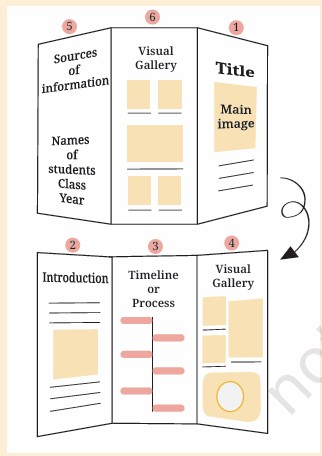
STEPS FOR MAKING A BROCHURE
Fold an A4 sheet of paper into three equal parts.
Decide the sequence of pages and the flow of information.
Assign the six sides to a section of the information —
- Cover Page: Put your title and main message on the first page.
- Introduction: Tell the reader what this brochure is about in a few words and visuals.
- Process: Share the background information about how an artwork is created or create a timeline with important works of an artist.
- Gallery: Create a gallery of visuals which could include photos and drawings of the artist, their work, materials and tools.
- Sources: Don’t forget to mention the sources where you took the information from. Your readers may want to find out more themselves!
Experiment with techniques like collage and printmaking. Look closely at the material used by the artist and art practice. Can you take inspiration from it?
Conclusion:
A campaign for art awareness plays an important role in helping people understand the value of art and appreciate the creativity of artists. Art is not limited to paintings and drawings; it includes music, dance, theatre, sculpture, crafts, and many traditional art forms. These forms of art reflect our culture, history, beliefs, emotions, and ways of life. By organising art awareness campaigns, students can share knowledge about famous artists, local art practices, and the importance of preserving our cultural heritage.
Creating posters, brochures, flyers, exhibitions, and presentations allows students to communicate their ideas in interesting and creative ways. These activities also develop teamwork, research skills, communication, observation, and artistic expression. Students learn how to collect information, organise ideas, design attractive visuals, and present meaningful messages to an audience.
Art awareness campaigns can also encourage people to support local artists, respect traditional crafts, and protect art forms that may be disappearing. They help communities recognise the importance of creativity in everyday life and inspire young people to explore their artistic talents.
In conclusion, a campaign for art awareness is a meaningful way to connect art with people and society. By spreading awareness and encouraging participation, we can promote artistic appreciation, preserve our cultural traditions, and ensure that art continues to inspire future generations.