
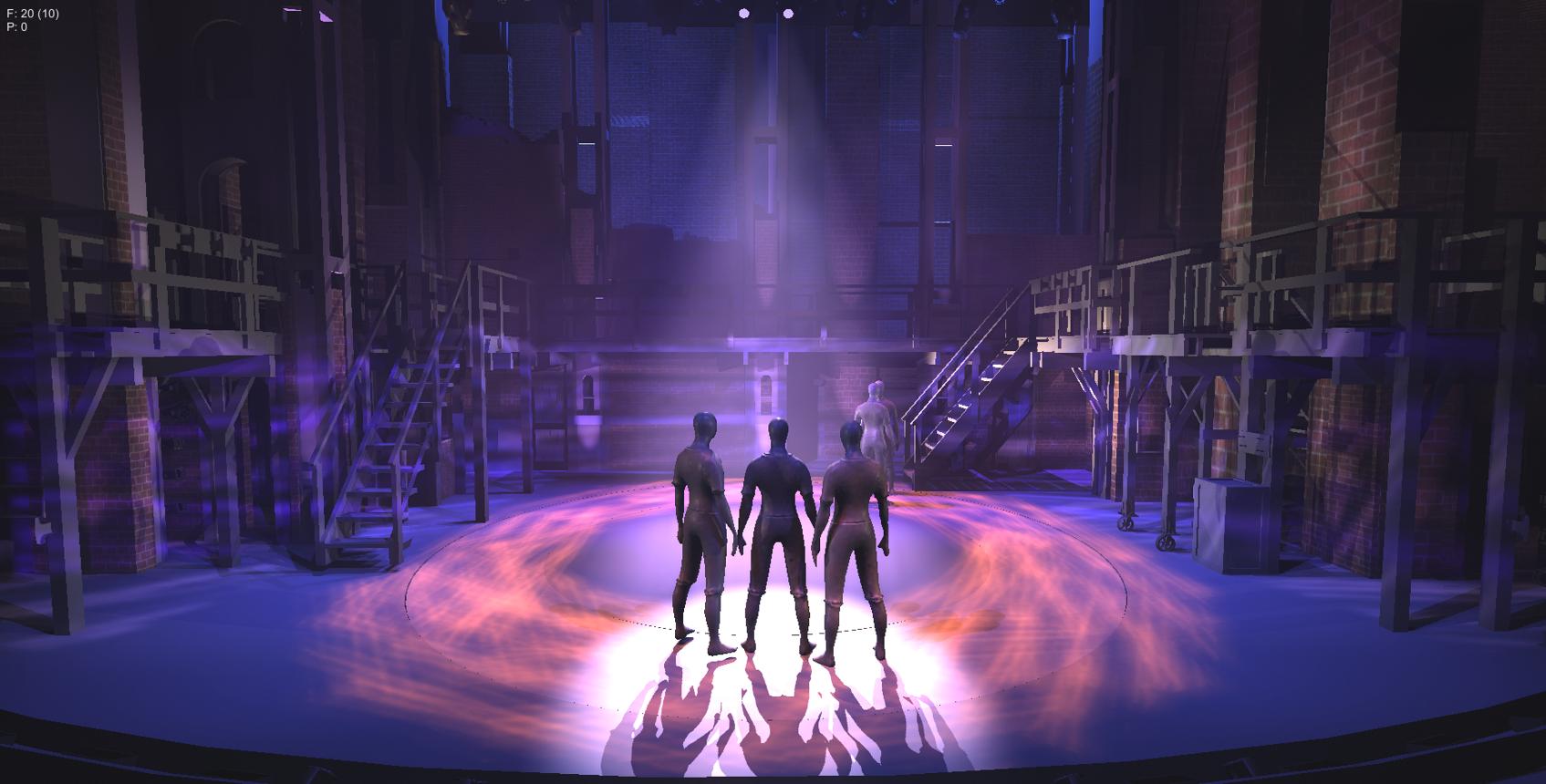
Introduction:
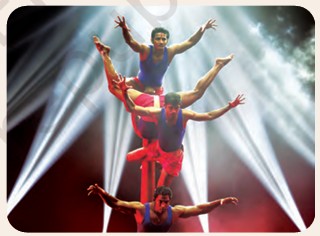
Creativity in light and sound is an essential part of theatre and the performing arts. These elements help transform an ordinary stage into an exciting and imaginative world. Light and sound work together to create atmosphere, express emotions, highlight important moments, and communicate ideas to the audience. Through their thoughtful use, theatre artists can make stories more engaging, meaningful, and memorable.
Lighting plays an important role in establishing the mood of a scene. Bright lights may represent happiness, energy, or hope, while dim lighting and shadows can create feelings of sadness, mystery, or fear. Different colours can also communicate emotions and symbolic meanings. For example, blue lighting may create a peaceful atmosphere, while red lighting can suggest passion, danger, or anger. The direction and intensity of light can draw attention to a particular character or action on stage.
Sound is equally important in creating an effective performance. Music, background sounds, rhythms, and sound effects help establish the setting and express the emotions of characters. The sound of birds may suggest a peaceful morning, the sound of thunder may create suspense, and gentle music can make a scene feel calm and emotional. Even everyday objects can be used to produce interesting sounds, encouraging artists to explore their creativity.
When light and sound are combined thoughtfully, they can communicate ideas without relying entirely on dialogue. Students can experiment with torches, coloured materials, musical instruments, clapping, and everyday objects to create unique theatrical effects. Such activities develop imagination, teamwork, observation, and artistic expression.
Ultimately, creativity in light and sound teaches us how simple visual and audio elements can transform a performance. By experimenting with these techniques, young artists can bring stories to life and create powerful experiences that capture the audience’s attention and imagination.
The Magical World of Light: Transforming Imagination into Reality:
Imagine waking up in a fantasy world created entirely through light. Glowing lavender clouds, shimmering turquoise and golden pathways, sparkling trees, and rainbow-coloured skies create a breathtaking atmosphere. In this magical world, light does more than illuminate objects; it creates the entire environment.
Similarly, modern stage lighting technology allows designers to transform ordinary stages into extraordinary worlds using colours, patterns, shadows, and moving lights. These techniques help communicate emotions, establish moods, and bring imaginative stories to life.
Through the creative use of lighting, theatre artists can turn their ideas into magical visual experiences that inspire and captivate audiences.
Lighting: How It All Started:
The Evolution of Stage Lighting: From Fire to Modern Technology
Humans have been telling stories since prehistoric times, from early cave paintings to modern theatre productions and Broadway shows. Storytelling has always been an important part of human life, but the methods used to present stories have changed greatly over time. In ancient times, people used simple props, puppets, gestures, sunlight, and fire to make their stories more engaging. Later, candles and oil lamps helped performers create light and shadow effects during performances.
The development of artificial stage lighting brought a significant change to theatre. Before modern lighting systems, performers depended mainly on natural light and simple sources of illumination. During the 20th century, tungsten light bulbs became an important part of theatrical lighting, allowing designers to illuminate stages more effectively and control the atmosphere of performances.
In recent decades, lighting technology has advanced rapidly, leading to the widespread use of light-emitting diodes (LEDs). LED lights offer greater flexibility in controlling colours, brightness, patterns, and lighting effects. They also allow designers to create dramatic transitions, colourful backgrounds, and imaginative stage environments with greater precision.
Today, stage lighting is much more than a way to make performers visible. It helps establish moods, highlight important moments, express emotions, and guide the audience’s attention. By combining creativity with modern technology, lighting designers can transform an ordinary stage into a magical world. The journey from fire and candles to sophisticated LED systems demonstrates how technological progress continues to enrich storytelling and create unforgettable theatrical experiences.
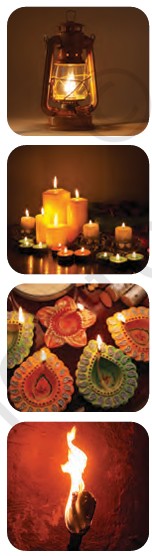
Sources of light
Why Is Lighting Important?
Light is essential because it allows us to see the objects around us. We can see an object when light from a source, such as the Sun or an artificial lamp, falls on it, reflects off its surface, and reaches our eyes. Without emitting or reflecting light, an object would not be visible to us.
In theatre, lighting is important because it makes performers, sets, and props visible to the audience. Many theatres use a “black box” approach, which begins with a dark space where unwanted light and reflections are minimised. This gives lighting designers greater control over how light is used on stage.
Lighting design is not simply about illuminating the stage; it involves controlling the direction, intensity, colour, and focus of light to create different moods, highlight important actions, express emotions, and guide the audience’s attention. Through careful lighting, an ordinary stage can be transformed into an imaginative and dramatic world.
Do you know?
Painting with Light
Lighting design can be creatively understood as painting with light. Visual artists use pigments, such as paints, to create pictures on a canvas, while lighting designers use lights of different colours to create visual effects on a stage.
They usually begin with a dark space and carefully control the colour, brightness, direction, and focus of light to bring their ideas to life. Just as a painter combines colours to create an artwork, a lighting designer combines coloured lights to establish moods, express emotions, highlight performers, and transform the stage into an imaginative world.
Colours on a White Canvas
A white canvas provides a clean background on which colours can be displayed clearly. In theatre, lighting designers use different colours of light to create moods, express emotions, and transform the appearance of the stage.
For example, blue light can create a calm or mysterious atmosphere, red light can suggest passion or danger, and yellow light can represent warmth and happiness.
By combining different colours, brightness levels, and lighting angles, designers can create beautiful visual effects and bring their creative ideas to life. Just as an artist uses colours on a white canvas, a lighting designer uses light to paint the stage with imagination.
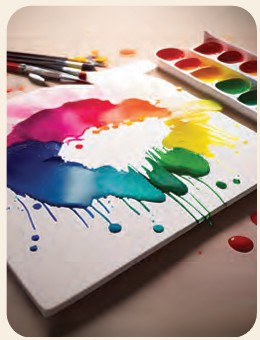
Colours on a white canvas
Colours on a Dark Theatre Stage
A dark theatre stage acts like a black canvas on which lighting designers can paint with coloured light. Against a dark background, colours and illuminated objects become more noticeable, allowing designers to create striking visual effects. Bright colours can highlight performers, draw attention to important actions, and establish the mood of a scene.
For example, blue light can suggest mystery or sadness, red light can create tension or danger, and green light can produce a magical or mysterious atmosphere. By controlling the colour, brightness, direction, and movement of light, designers can transform the stage into different settings, guide the audience’s attention, and bring imaginative stories to life.
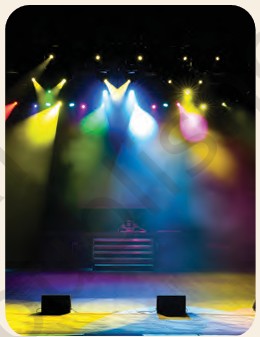
Colours on a dark theatre stage
Objectives of stage lighting:
The original purpose of stage lighting was to make performers and objects visible to the audience. In the past, outdoor performances often relied on sunlight. When theatre performances moved indoors, artificial lighting became necessary. Over time, lighting developed into a powerful storytelling tool that helps create moods, communicate ideas, and make performances more engaging.
The basic uses of stage lighting are explained below:
1. Visibility: Lighting makes performers, objects, costumes, and stage settings visible to the audience.
2. Providing Information About the Scene: Different lighting effects help show the time and place of a scene. For example, bright yellow light may represent daytime, while dim blue light may suggest night. Lighting can also help create the impression of indoor or outdoor settings.
3. Creating Mood: Colours and light intensity help express emotions and establish the atmosphere. Bright lighting may suggest joy, while dim lighting can create mystery, sadness, or suspense. Strong, dramatic lighting may convey aggression or tension.
4. Visual Composition and Stage Balance: Lighting helps arrange the visual elements of a performance. It balances bright and dark areas and makes the stage look attractive and organised.
5. Directing Attention: Lighting can highlight a particular performer, object, or area of the stage so that the audience focuses on important moments.
6. Conveying Symbolism and Special Effects: Lighting can communicate deeper meanings and create imaginative effects. For example, a spotlight may represent hope or importance, while changing colours and moving lights can suggest magic, dreams, or dramatic events.
To achieve these effects, lighting designers use different types of lights, lenses, electrical circuits, and lighting positions. They need a good understanding of lighting equipment and technology to select and control the right effects for each performance. Through careful planning and creativity, stage lighting transforms a simple performance into a visually powerful storytelling experience.
Stage lighting equipment:
Stage lighting equipment includes the tools and devices used to illuminate performers, objects, and stage settings during a theatrical performance. These tools help lighting designers control the brightness, colour, direction, and focus of light to create different moods, highlight important actions, and produce special effects.
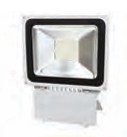
1. Floodlight
A floodlight is one of the simplest types of stage lighting fixtures. As its name suggests, it is designed to flood a large area with light rather than focus on a single performer or object. It is commonly used to illuminate the stage, backdrops, and large performance areas.
A traditional floodlight typically consists of a light source and a reflector that directs light over a broad area. Tungsten floodlights generally do not use lenses, so the size and shape of their light beam are difficult to control precisely. They also produce a considerable amount of heat during operation and consume more energy than many modern alternatives.
LED floodlights offer several advantages over traditional tungsten models. They produce much less heat, are generally more energy-efficient, and may provide adjustable colours and brightness, depending on the model. These features make them useful in modern theatre, school performances, concerts, and other events.
Floodlights are especially helpful when a lighting designer needs to illuminate a wide area evenly. Although they offer less precise control than some other lighting fixtures, they play an important role in creating the overall visual appearance of a stage.
2. Spotlights ( Profile Light )
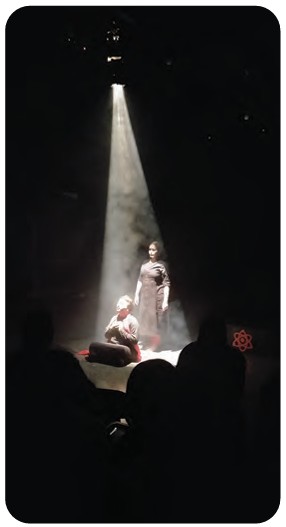
Spotlights produce a focused beam of light to highlight a particular performer, object, or area of the stage. They are useful when an actor delivers an important speech or performs a solo.
A profile light, also known as a spotlight, provides precise control over the direction, size, and shape of a light beam. It can produce sharp or soft-edged beams to illuminate specific performers or stage areas. Four framing shutters help control the beam and prevent unwanted light from spreading. Profile lights can also use a gobo, a template that projects patterns such as windows, leaves, or branches. These effects add texture, depth, and creativity to theatrical performances.
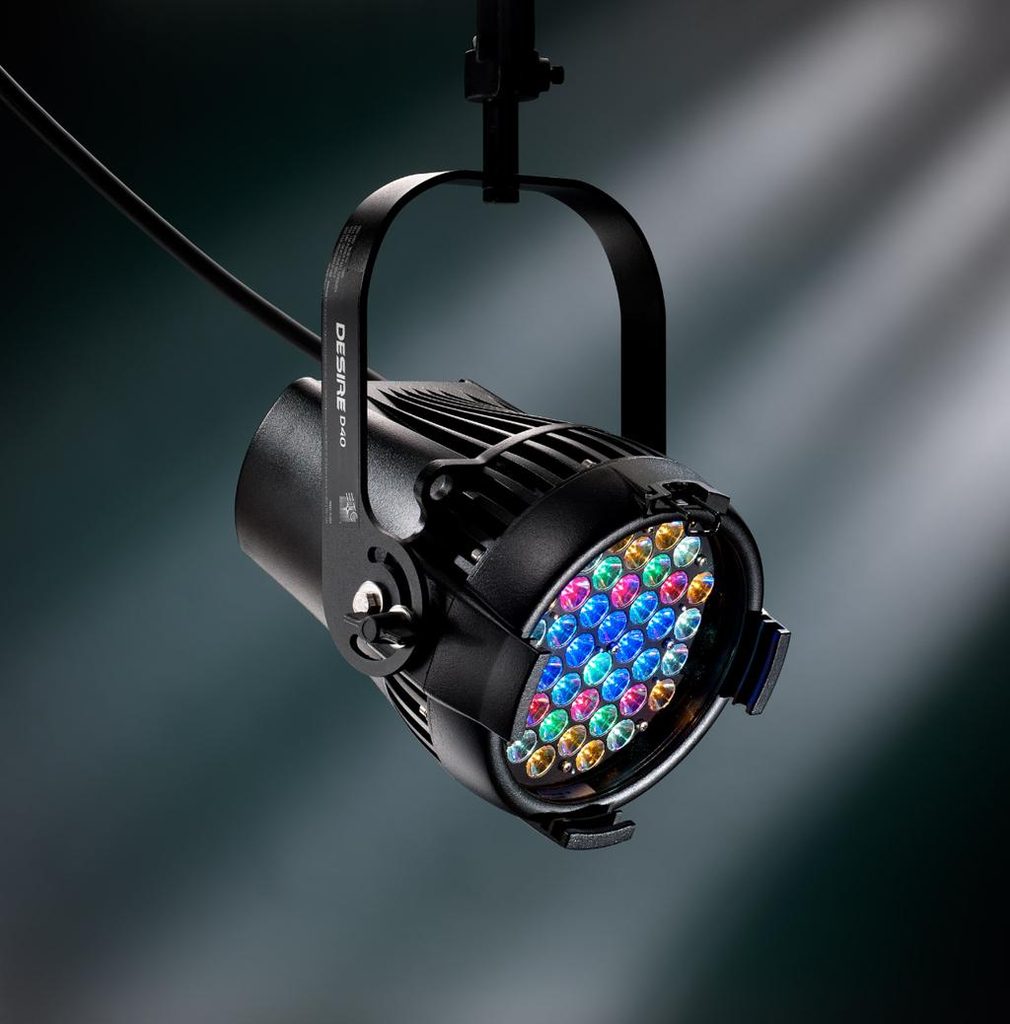
3. PAR Lights
PAR lights produce strong beams of light and are commonly used to illuminate large areas of the stage. LED PAR lights can create different colours and are widely used in modern theatre.
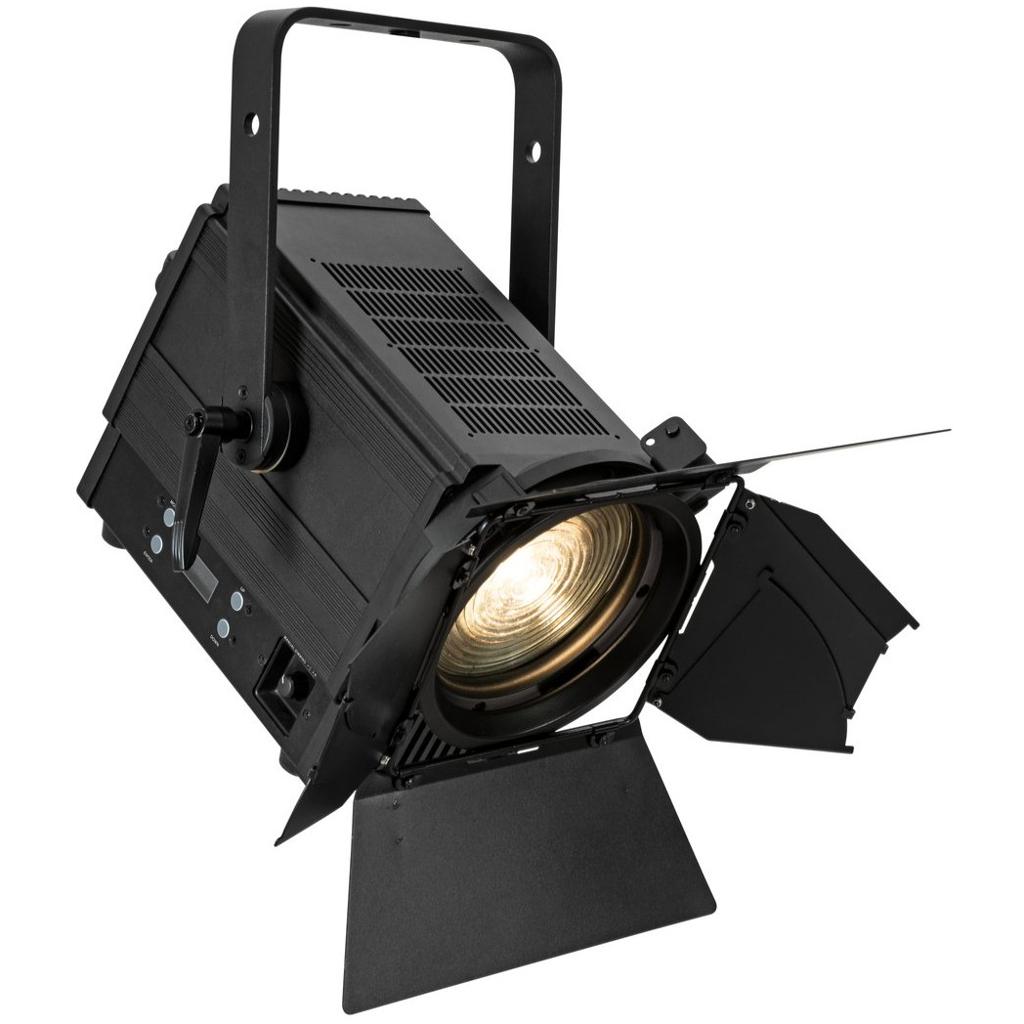
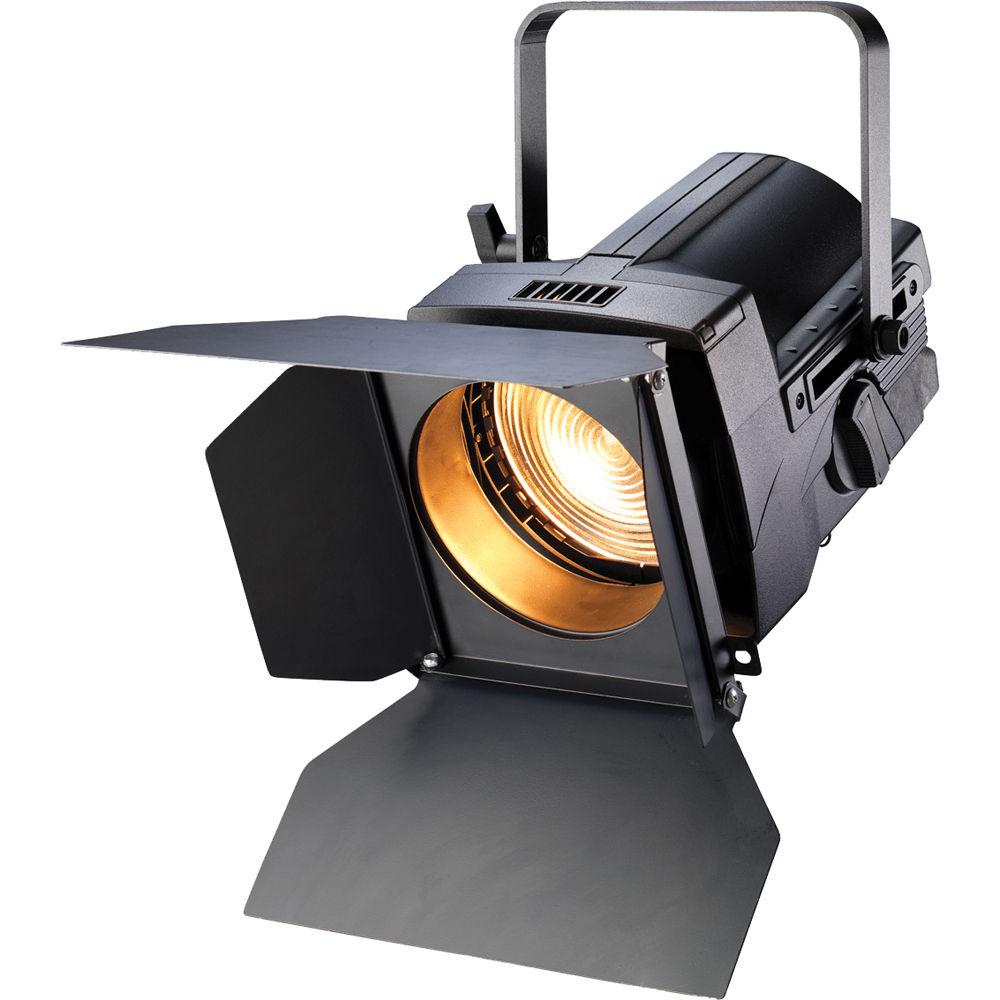
4. Fresnel Lights
Fresnel lights produce a soft-edged beam that can be adjusted from a wider spread to a narrower area. They are useful for general stage lighting and creating smooth transitions between illuminated areas.
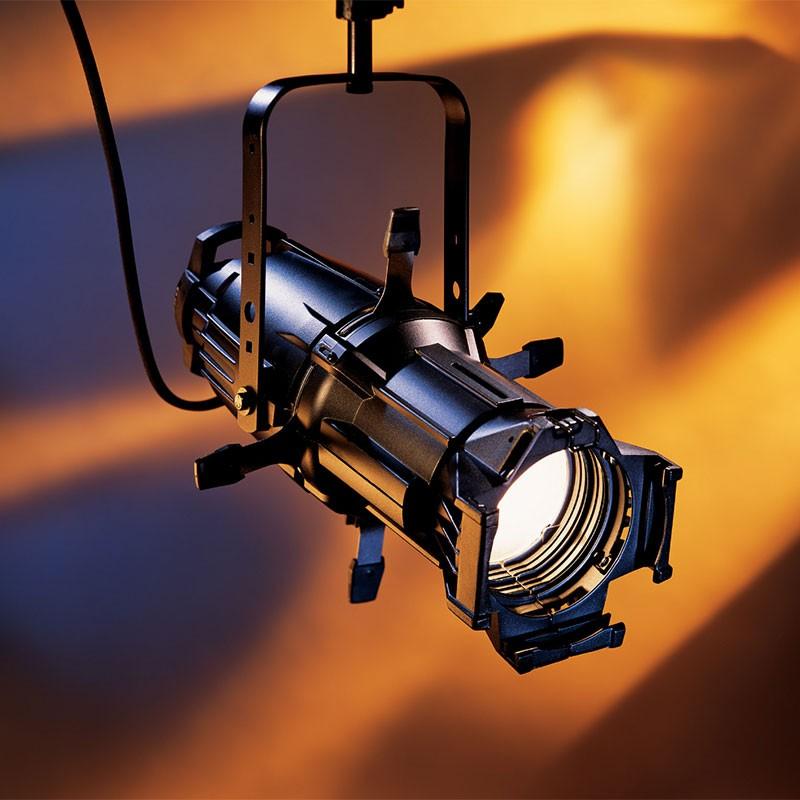
5. Profile Lights
Profile lights produce a sharp, controlled beam. They can be used to highlight specific areas and create shapes or patterns with shutters, gobos, and other accessories.
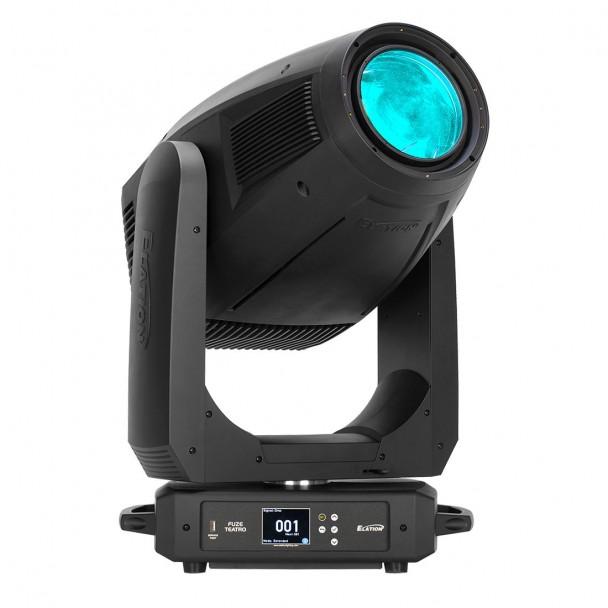
6. Moving Head Lights
These lights can move and change direction, colour, and beam patterns. They are particularly useful for dynamic performances, concerts, dance shows, and dramatic special effects.
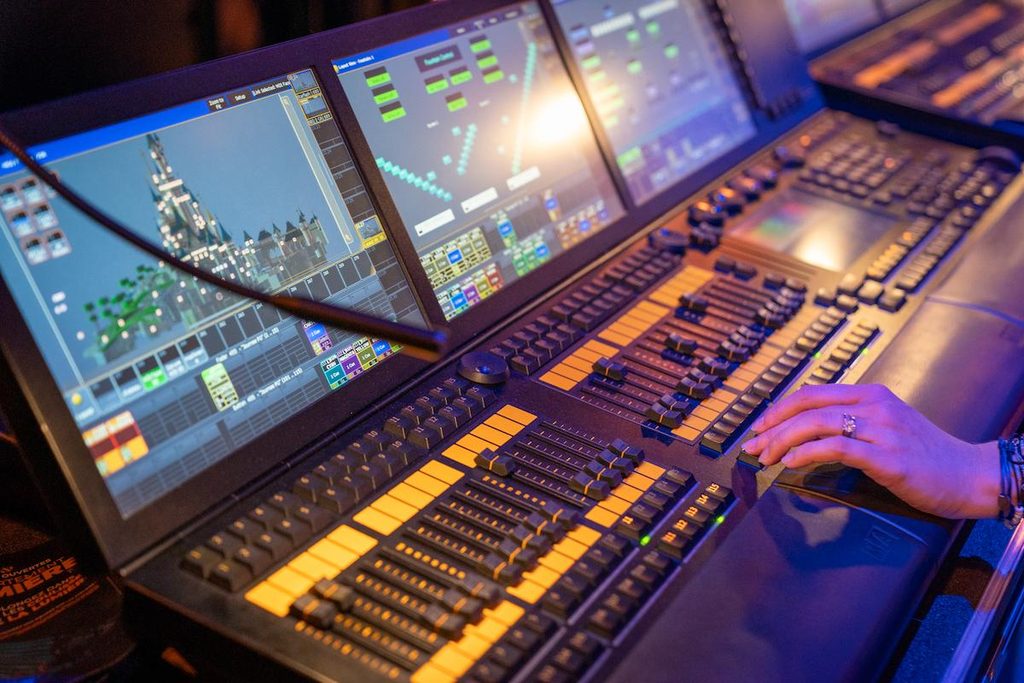
7. Lighting Control Console
A lighting console allows the operator to control the intensity, colour, timing, and movement of compatible lights. It can also store lighting scenes and create smooth changes during a performance.
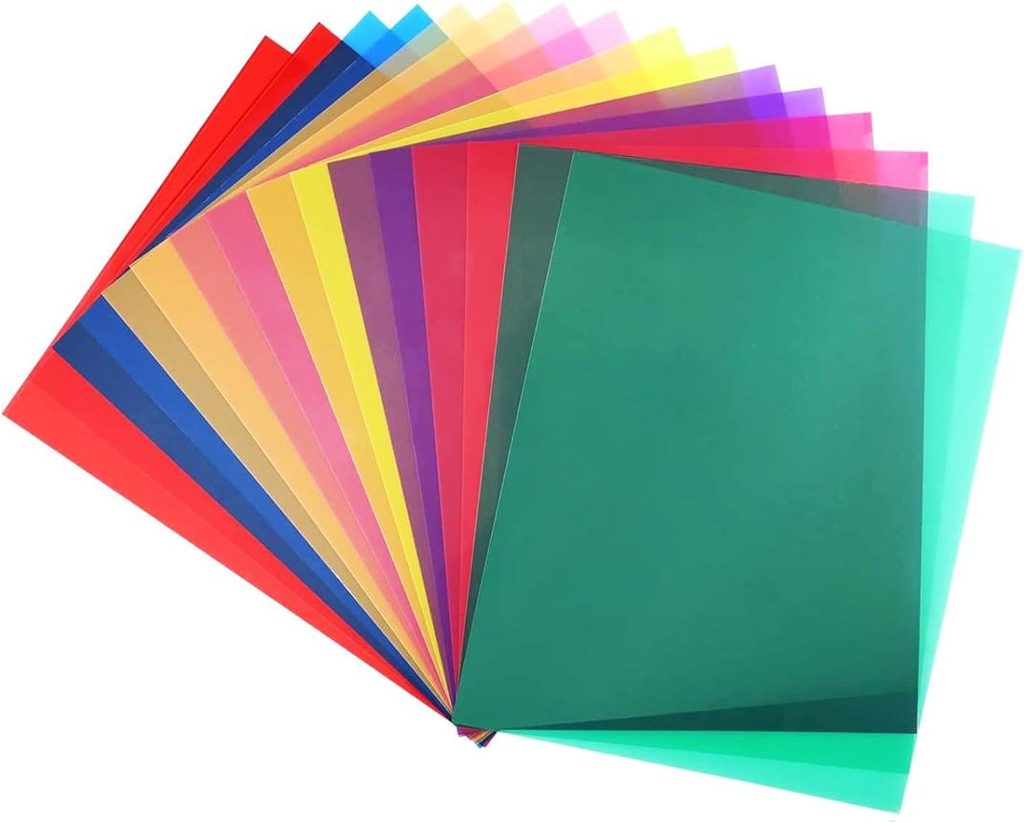
8. Colour Filters and Gels
These coloured sheets are placed in front of compatible lights to change the colour of the light. They help create different moods, such as warmth, sadness, mystery, or excitement.
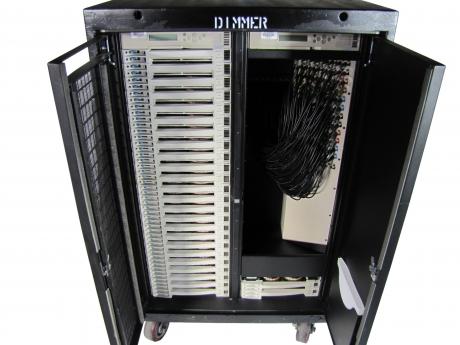
9. Dimmers
Dimmers control the brightness of compatible lighting fixtures. They help create gradual changes from bright to dim lighting and support dramatic transitions between scenes.
Other Important Equipment
- Lighting stands and trusses: Support lighting fixtures above or beside the stage.
- Cables and connectors: Carry electrical power and control signals to compatible equipment.
- Barn doors and shutters: Help shape or restrict the spread of light.
- Gobоs: Templates placed in suitable fixtures to project patterns, such as leaves, windows, or stars.
- Diffusers: Soften light and reduce harsh shadows.
- Followspots: Allow an operator to track a moving performer with a focused beam.
Summary
Stage lighting equipment combines technology and creativity to make theatrical performances visually engaging. By selecting the right fixtures and controlling their colour, brightness, direction, and timing, lighting designers can establish settings, express emotions, highlight important moments, and bring stories to life. Proper installation and operation are also essential for the safety of performers and the audience.
Making a Simple Spotlight and Gobo:
This activity helps students understand how light can be focused and how patterns can be created using simple materials. Working in groups of five or six, students can make a basic spotlight and a gobo and use them to create an imaginative one-minute performance.
Materials Required
- One torch, flashlight, or phone torch
- Black chart paper
- Thick black paper or thin cardboard
- Tape and scissors
A. Making a Simple Spotlight
- Roll the black chart paper into a tube around the light source of the torch.
- Secure the tube with tape so that it stays in place and reduces unwanted light spreading sideways.
- Switch on the torch and observe how the tube directs the light into a narrower beam.
- Shine the light on a wall and experiment with the distance to observe changes in the illuminated area.
B. Making a Simple Gobo
- Draw a simple shape or pattern on thick black paper, such as tree branches, window bars, raindrops, or stars.
- Carefully cut out the shapes to create a stencil. Ask your teacher for help when using scissors.
- Place the stencil in front of the spotlight tube and secure it safely.
- Adjust the distance between the light source and the stencil to create clearer patterns.
- Shine the light onto a wall and observe the patterned light and shadows.
Performance Challenge
Each group must create a one-minute scene using its gobo pattern as the central element of the performance.
Example: Protecting a Tree
If a group creates a tree-branch pattern, students can perform a scene in which a woodcutter arrives to cut down a tree. A child intervenes and explains the importance of trees. The woodcutter changes his mind, and the scene ends with a message about protecting nature.
Learning Outcomes
Through this activity, students learn how spotlights focus light and how gobos create patterns and shadows. They also develop creativity, teamwork, observation, and storytelling skills while discovering how simple lighting effects can make a theatrical performance more engaging.
Combination of Lights:
A combination of lights means using different types of lighting fixtures together to create an effective stage design. Lighting designers combine floodlights, profile lights, spotlights, and coloured LED lights to illuminate performers, establish the setting, create moods, and highlight important actions.
For example, floodlights can illuminate the entire stage, while a spotlight focuses on the main performer. Coloured lights can create different atmospheres, and profile lights with gobos can project patterns such as trees, windows, or stars onto the stage or backdrop.
By adjusting the brightness, colour, direction, and timing of different lights, designers can create depth, contrast, and dramatic effects. The thoughtful combination of lights transforms an ordinary stage into an expressive visual environment that supports storytelling and captures the audience’s imagination.
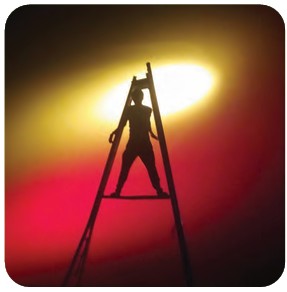
1.) PAR (Red) and PC (Yellow) Lights
PAR light (Red): A PAR light is commonly used to illuminate a large area of the stage with a strong beam of light. When fitted with a red colour filter or configured as a red LED, it produces red light that can represent passion, danger, anger, or excitement. It is often used in dramatic scenes and energetic performances.
PC light (Yellow): A PC light uses a plano-convex lens to produce a controllable beam with a relatively soft edge. When fitted with a yellow filter, it creates warm lighting that can suggest sunlight, happiness, warmth, or a welcoming atmosphere.
Combination effect: Using a red PAR light and a yellow PC light together creates contrast and visual depth. The red light can highlight one part of the stage, while the yellow light illuminates another area, helping the lighting designer create an engaging and expressive theatrical scene.
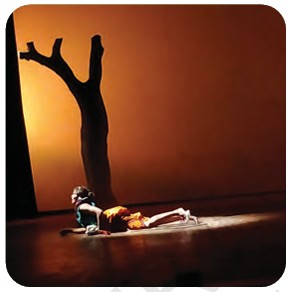
2.) PAR (Backlight) and Profile (On the Floor)
PAR Light (Backlight): A PAR light positioned behind performers creates backlighting. It illuminates them from the rear, helping separate them from the background and producing glowing outlines or silhouettes. Coloured backlighting can add depth, drama, and atmosphere to a scene.
Profile Light (On the Floor): A profile light placed on the floor directs a controlled beam upwards or towards a specific part of the stage. It can highlight a performer, create dramatic shadows, or project patterns using a gobo. When aimed upwards, it can produce mysterious or unusual visual effects.
Combination effect: Backlighting from a PAR fixture and a floor-level profile light can create contrast, depth, and dramatic shadows, making a theatrical performance more visually engaging.
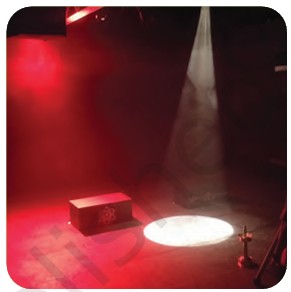
3.) PAR (Red) and Profile (White)
PAR Light (Red): A red PAR light illuminates a broad area of the stage with coloured light. Red lighting can suggest passion, danger, anger, excitement, or tension, depending on the scene. It is useful for creating dramatic backgrounds and establishing an intense atmosphere.
Profile Light (White): A white profile light produces a controlled beam that can be focused on a specific performer or object. Its shutters help shape the beam precisely, making it ideal for highlighting facial expressions, important actions, or particular areas of the stage.
Combination effect: Red PAR lighting creates a dramatic atmosphere, while the white profile light draws attention to the main performer. Together, they create contrast, improve visibility, and guide the audience’s attention during a performance.
Moving Lights
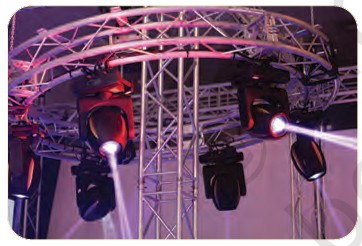
Moving lights are stage lighting fixtures whose beams can be repositioned during a performance. They allow lighting designers to change the direction, colour, and movement of light to create dynamic visual effects and highlight different performers or areas of the stage.
Moving Spotlights: These function similarly to profile lights. They can change colour, project patterns using gobos, and adjust the size and sharpness of the beam. They are useful for following performers and creating focused lighting effects.
Moving Wash Lights: These behave more like PAR lights, spreading light across a wider area rather than producing a narrow, focused beam. They can change colour and direction to illuminate performers, backgrounds, and different sections of the stage.
Importance: Moving lights make performances more dynamic by allowing lighting effects to change quickly with the action, music, and mood of a scene. They are commonly used in theatre, concerts, dance performances, and other live events.
Moving spots
Light Console
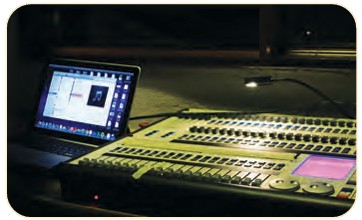
A light console is a key component of a stage lighting system. It allows lighting designers and operators to control different lights during a theatrical performance. Most modern lighting consoles have a digital interface for programming lighting effects, while some also include physical faders for manual control.
The console allows the operator to select the lights to be used, adjust their intensity, change colours when supported, control compatible moving lights, and create different lighting effects. It can also store lighting cues and save the lighting design for repeated use in future performances.
During a show, the lighting operator uses the console to activate programmed cues and coordinate changes in lighting with the action on stage. The light console helps ensure that lighting transitions are smooth, accurate, and well-timed, making the performance more engaging and visually effective.
Light console
Lighting Design:
Lighting design is the art of using light to enhance a theatrical performance. Knowing the different types of lights is like having brushes and paints, while understanding how to use them creatively is like an artist painting on a canvas. Lighting designers carefully select the position, angle, colour, intensity, and direction of light to create the desired visual effects on stage.
In theatre, understanding the spatial arrangement of lighting is essential because lights placed at different positions produce different effects.
1. Cross Lighting: Lights positioned on opposite sides of the stage illuminate actors from the sides. They highlight body shapes, movements, and facial expressions, especially during dance performances.
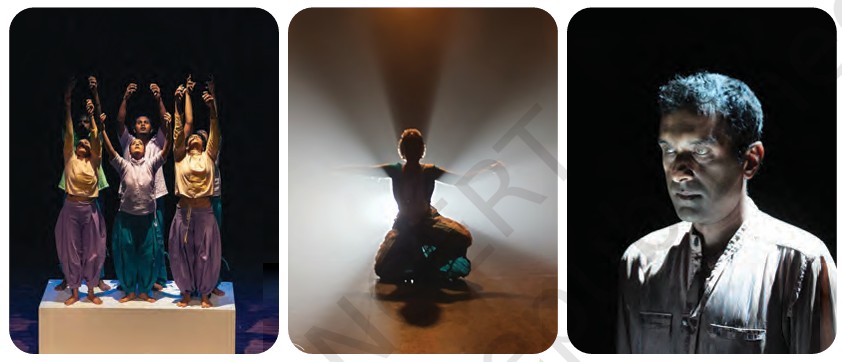
2. Backlighting: Lights placed behind performers create glowing outlines or silhouettes. They add depth, separate actors from the background, and produce dramatic effects.
3. Top Lighting: Lights positioned above the stage illuminate performers from overhead. They can create natural effects resembling sunlight and help establish the atmosphere of a scene.
4. Footlighting: Lights placed near the front edge of the stage illuminate performers from below. They create unusual shadows and can produce mysterious, dramatic, or stylised visual effects.
By combining these lighting positions, designers can direct the audience’s attention, communicate emotions, establish the setting, and create visual depth. Lighting design transforms a simple stage into an expressive canvas where light becomes a powerful tool for storytelling.
Top light Backlight Footlight
Sound Design for Theatre:
Sound design for theatre is the art of creating, selecting, and arranging audio elements to enhance a theatrical performance. It includes sound effects, background music, dialogue, and other audio elements that help communicate the story and create an engaging experience for the audience.
Sound design is a collaborative process involving the director, actors, sound designer, and technical team. The sound designer carefully selects and balances different sounds to match the mood, setting, and action of each scene. For example, the sound of birds can suggest a peaceful morning, thunder can create suspense, and gentle music can express sadness or happiness.
The main aim of sound design is to support the story without overpowering the actors’ dialogue. When sound effects, music, and dialogue are balanced effectively, they make the performance more realistic, emotional, and memorable.
Sound Equipment
Sound equipment plays an important role in theatre because it helps the audience hear actors’ dialogue, music, and sound effects clearly. If an auditorium has excellent acoustics, actors may be heard without microphones, even when they speak softly from a corner of the stage. However, this is not possible in every venue, so sound equipment is often necessary.
Most theatre sound systems consist of three main categories: input, processing, and output. Each category performs a different function and helps create a clear, balanced, and engaging sound experience.
1. Input Equipment
Input equipment captures or receives sound from different sources. These sources may include actors’ voices, musical instruments played on stage, and recorded audio from laptops, music players, or smartphones.
Common input equipment includes:
- Microphones: Capture actors’ voices, singing, and other live sounds.
- Musical instruments: Provide live music and sound during a performance.
- Audio playback devices: Laptops, smartphones, and music players supply recorded music, dialogue, and sound effects.
The quality of the input equipment affects how clearly sound is captured before it is processed and sent to the audience.
The microphones used to capture sound are of different types:
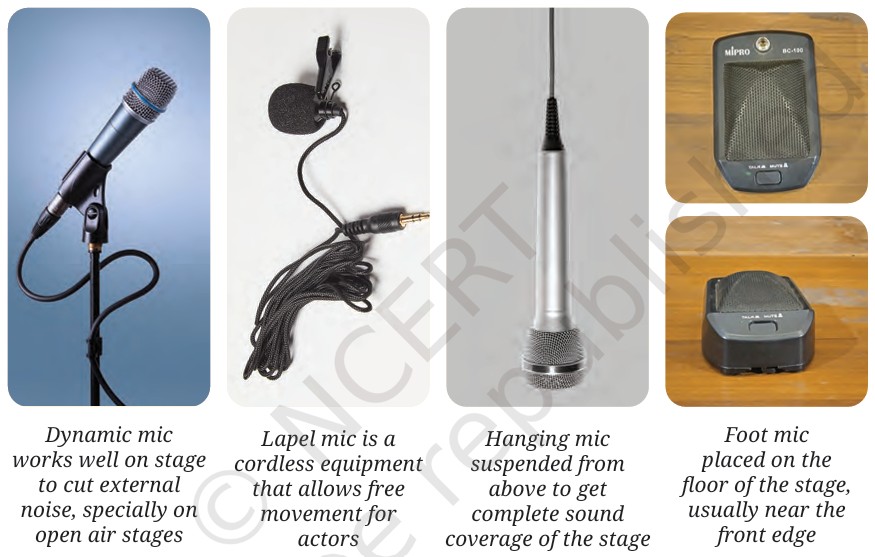
Different types of mic
2. Signal Routing, Processing, and Amplifying
Signal routing, processing, and amplifying help control and deliver sound effectively during a theatrical performance. The mixer, also called a sound console, plays an important role in this process.
When microphones and other input devices capture sound, they send audio signals to the mixer. The mixer allows the sound operator to adjust volume levels, balance different sound sources, and combine multiple inputs into a common output. The signals can then be sent to amplifiers and speakers so the audience can hear the sound clearly.
A mixer contains several channels, usually displayed as vertical strips of knobs and faders. Each channel controls an individual input, such as a microphone, musical instrument, or audio playback device.
Different mixers offer different numbers of channels:
- Small mixers: Around 4 channels, suitable for simple performances.
- Mid-range mixers: Approximately 12–20 channels, suitable for larger productions.
- Professional mixers: May have more than 96 channels, allowing complex productions to manage many sound sources.
The choice of mixer depends on the size of the performance, the number of actors and instruments, and the sound design requirements. Proper mixing helps ensure that dialogue, music, and sound effects remain clear and balanced throughout the performance.
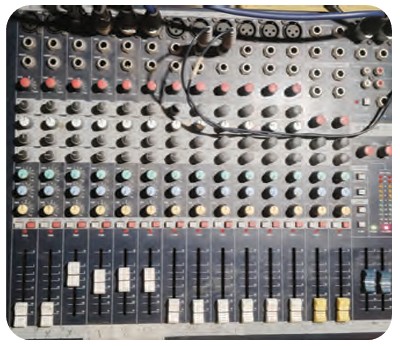
Sound console
3. Output Equipment
Output equipment delivers the final sound to the audience. Speakers are the main output devices in a theatre sound system. They convert electrical audio signals from an amplifier into sound waves that can be heard by the audience.
Different speaker configurations are used depending on the size and design of the auditorium.
- Mono (Monophonic): Uses a single audio channel to deliver sound. It is suitable for simple sound systems where stereo positioning is not required.
- Stereo: Uses separate left and right audio channels to create a sense of direction and space in the sound.
- Left-Centre-Right (LCR): Uses three main speaker channels—left, centre, and right—to provide clearer dialogue placement and a more balanced sound experience across the auditorium.
The choice of speaker system depends on the venue, audience size, and requirements of the performance. Correct speaker placement and sound balancing help ensure that dialogue, music, and sound effects reach the audience clearly.
How Lighting and Sound Work Together
Lighting and sound are essential elements of theatrical storytelling. Lighting creates visual atmosphere, highlights performers, and guides the audience’s attention. Sound design adds emotional depth through dialogue, music, and sound effects while keeping actors’ voices clear and expressive.
Together, lighting and sound transform the stage into a living environment. They influence not only what the audience sees and hears but also how they feel, understand, and interpret the story.
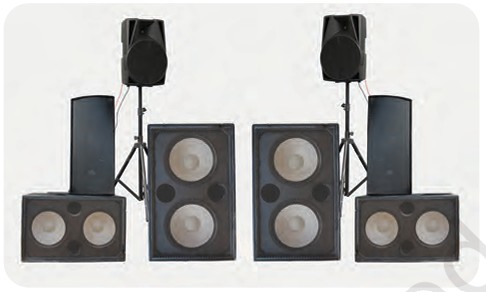
Speakers
Activity:
Design the Moment — A Light and Sound Simulation Exercise
Objective
To understand how lighting and sound work together to create mood, atmosphere, and emotion in a theatrical performance.
Materials Needed
- Torches, phone flashlights, or small bulbs
- Coloured transparent sheets or coloured paper
- Speakers or a classroom audio system
- Everyday classroom objects, such as pens, notebooks, water bottles, bags, and lunch boxes
- Simple stick puppets
- Short dramatic situations provided by the teacher
Procedure
Step 1: Choose a dramatic situation
The teacher introduces a short dramatic situation lasting about 10–15 seconds. Examples include:
- A lost child in a dark forest
- A hero discovering a hidden treasure
- A magical door opening
Step 2: Plan the moment
Students form small groups and discuss how they can use light, sound, objects, and puppets to bring the situation to life. They consider the following questions:
- Which colour of light best expresses the mood?
- Should the light come from above, the side, or the front?
- What sound effect or music would suit the moment?
- How can classroom objects represent characters, places, or other objects?
For example, a water bottle could represent a tree, while a pen and a small pencil could represent a parent walking with a child. Stick puppets may also be used to represent the characters.
Step 3: Create the lighting effect
One student holds a torch covered with a coloured transparent sheet and directs the light towards small objects placed on a desk. The group experiments with different colours and lighting directions to create the desired atmosphere.
Step 4: Add sound
Another student plays a suitable sound clip from a phone or laptop. Sounds such as birds chirping, footsteps, wind, mysterious music, or a magical chime can make the scene more expressive.
Step 5: Present the designed moment
Each group presents its short scene to the class. After the presentation, students explain why they selected particular colours, lighting directions, and sounds.
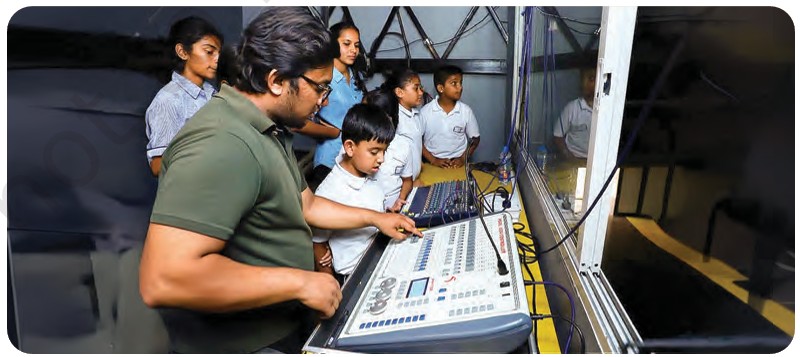
Students understand light and sound control from a professional
Artificial Intelligence (AI) Technology in Modern Theatre:
Artificial Intelligence (AI) is helping theatre professionals improve productivity, simplify technical work, and explore new creative possibilities. It can support lighting design, sound production, script analysis, translation, visual effects, and rehearsal planning. These tools allow theatre teams to save time on repetitive tasks and focus more on storytelling and artistic expression.
How AI Improves Productivity in Theatre
1. Faster lighting design
AI-assisted tools can help designers plan lighting cues, test colour combinations, and explore different lighting effects. Automated lighting systems can follow programmed cues and, in some setups, use tracking technology to respond to performers’ positions. This can reduce repetitive adjustments during rehearsals.
2. Efficient sound design
AI tools can help sound designers create, edit, organise, and refine music and sound effects. They can assist with tasks such as removing unwanted noise from recordings, generating sound ideas, and preparing audio for different scenes. Designers still need to check that the sounds fit the story and do not overpower dialogue.
3. Quicker rehearsal preparation
AI can help theatre teams organise scripts, summarise scenes, identify character entrances, and prepare rehearsal notes. This can make it easier to plan cues for lighting, sound, and stage movements.
4. Creative experimentation
Designers can explore different backgrounds, soundscapes, lighting moods, and visual concepts before choosing a final approach. This can save time and materials compared with building every idea physically from the beginning.
5. Improved accessibility
AI-supported speech recognition, captions, translation, and voice tools can help make performances more accessible to audiences who are deaf, hard of hearing, or speak different languages. Human review remains important to ensure accuracy and preserve the meaning of dialogue.
AI Currently Used in Theatre: Real-World Examples
AI and related automation technologies are already being explored and used in professional theatre, although fully AI-controlled lighting and sound are not yet standard in every production.
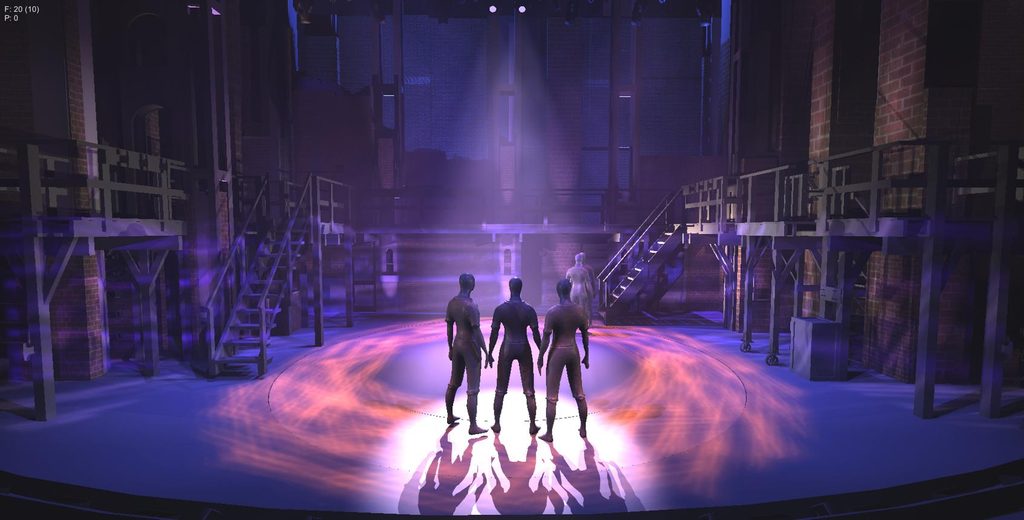
1. Fulton Theatre, USA
The theatre’s technology team uses AI tools to help solve technical problems, work with software instructions, and develop digital production solutions. This can reduce time spent on repetitive technical tasks.
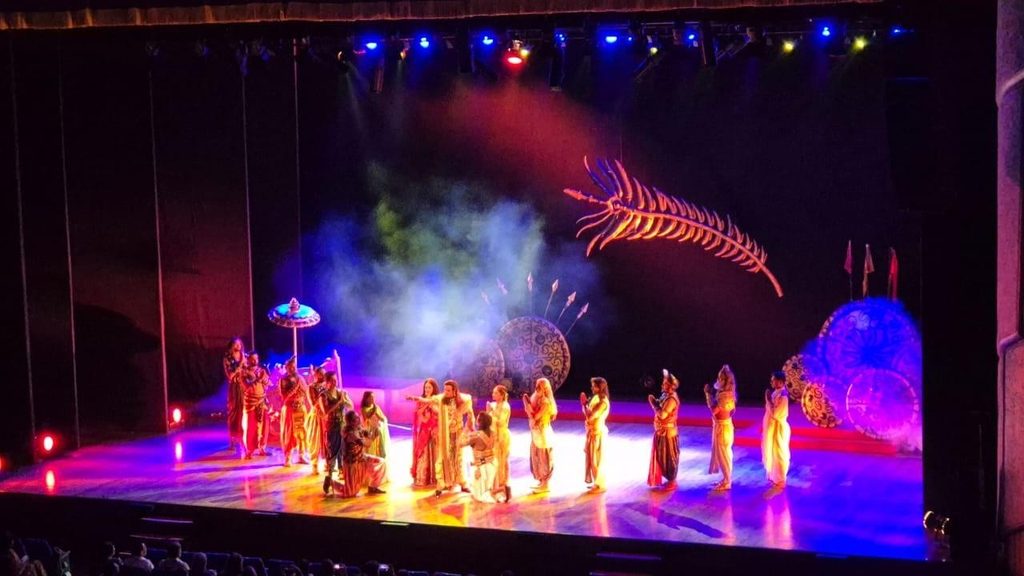
2. National School of Drama, India
The production Shakuni – Prashna Shesh Hai used performer-tracking technology to automate followspot lighting. This is an example of smart stage automation; it should not be confused with a system that necessarily uses AI for every lighting decision.
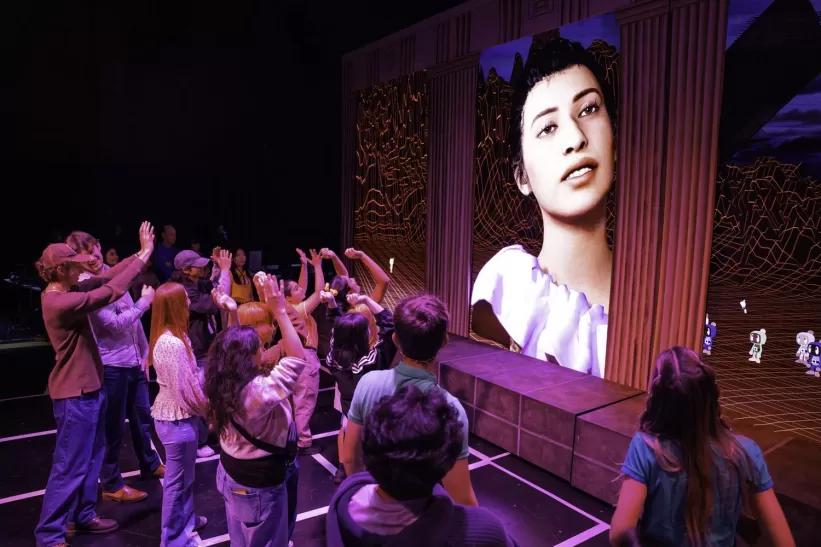
3. Xanadu, UCLA, USA
In this experimental production, generative AI systems turned audience contributions into elements of a virtual world and helped create choreography. The creative team also explored AI in lighting, sound, and visual design.
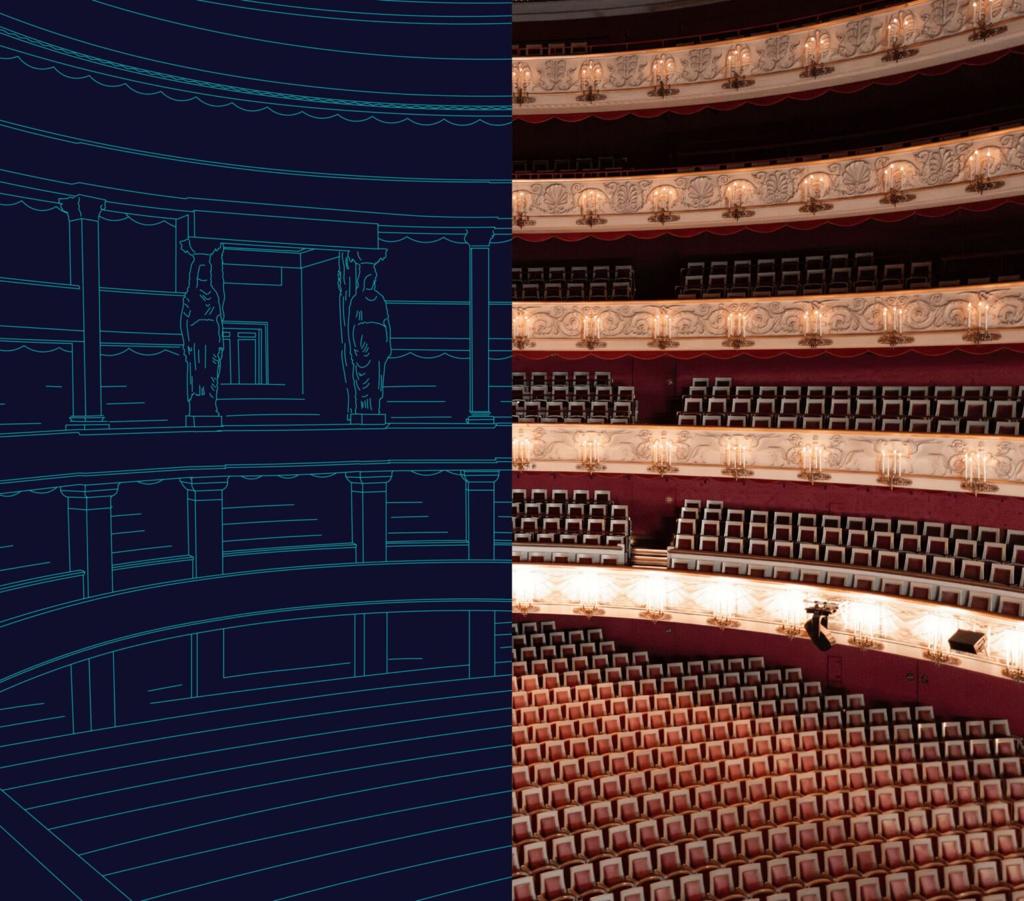
4. Bavarian State Opera, Germany
Digital-twin technology has been applied to simulate hall acoustics and sound arrangements before rehearsals. This helps musicians and production teams evaluate sound conditions and plan more efficiently.
Important Point
AI can make theatre production faster and more flexible, but its use varies from one theatre to another. Some applications are already in professional use, while others remain experimental. Human directors, lighting designers, sound designers, and technicians continue to make the final artistic decisions, check technical accuracy, and ensure that every effect supports the story.
Conclusion:
Creativity in light and sound is an essential part of theatre that transforms an ordinary stage into a lively world of imagination, emotion, and storytelling. Lighting and sound work together to create atmosphere, communicate feelings, highlight important actions, and guide the audience through different moments of a performance. Through the thoughtful use of colour, brightness, direction, music, and sound effects, theatre artists can make a scene appear mysterious, joyful, frightening, peaceful, or magical.
Lighting helps the audience focus on characters and important events, while sound adds depth and realism to the theatrical experience. For example, blue lighting combined with the sound of wind can create a mysterious atmosphere, whereas warm yellow lighting and cheerful music can suggest happiness and celebration. Even simple materials, such as torches, coloured sheets, everyday objects, and mobile phones, can help students experiment with these creative techniques.
Modern technologies, including automated lighting systems and artificial intelligence (AI), are creating new opportunities for theatre professionals. These tools can assist with lighting adjustments, sound editing, cue management, and creative experimentation. However, technology cannot replace the imagination, sensitivity, and artistic judgement of human designers.
Learning about light and sound encourages students to think creatively, work collaboratively, solve problems, and express ideas through performance. It also helps them understand the importance of planning, observation, and teamwork behind every successful production.
Ultimately, light and sound are not merely technical elements; they are powerful storytelling tools. When used thoughtfully, they bring characters to life, strengthen emotions, and make performances more engaging and memorable. By combining creativity, technical knowledge, and imagination, theatre artists can create meaningful experiences that inspire audiences and leave lasting impressions.