
Introduction
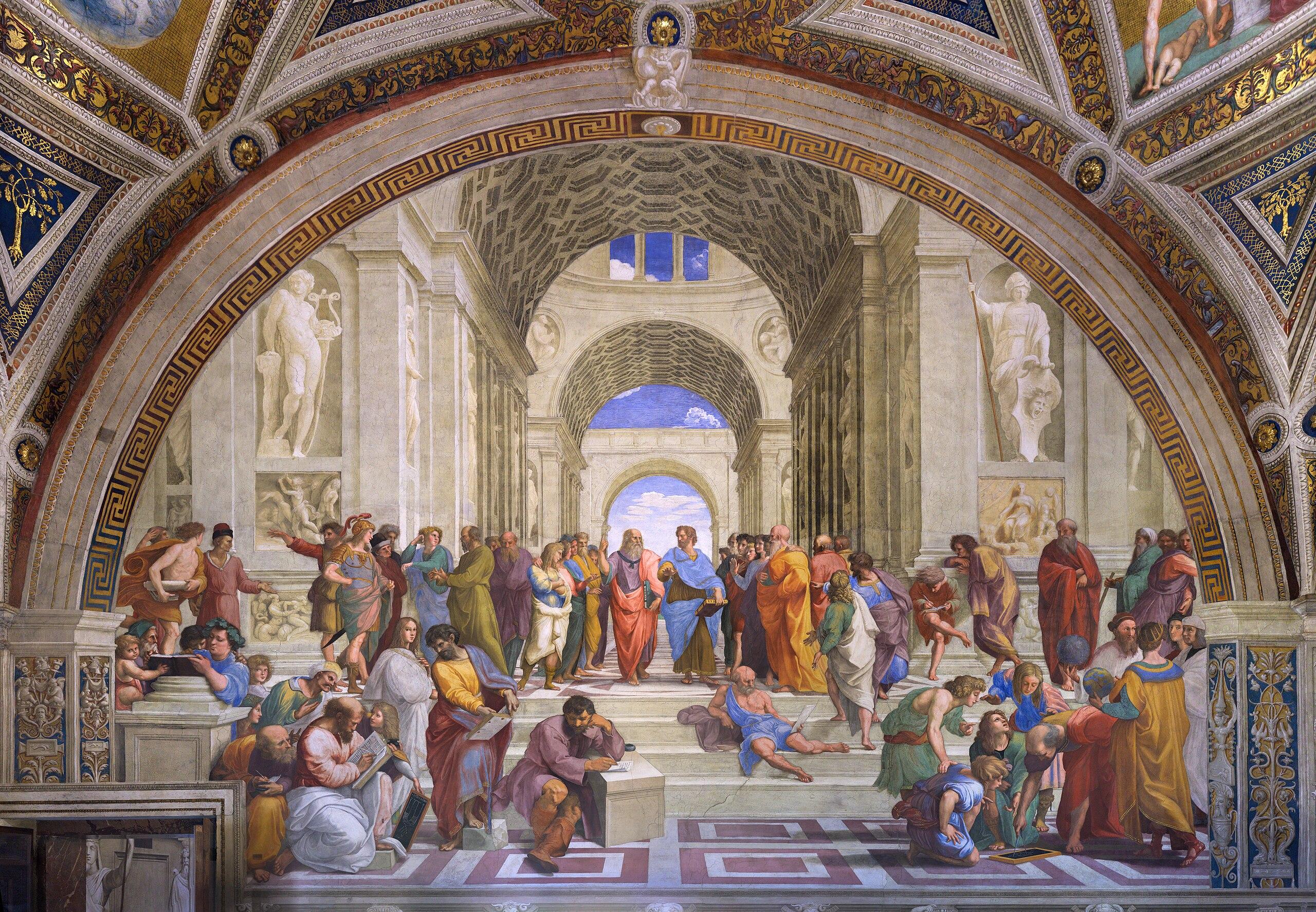
Visual Arts is a vast and fascinating field that includes a wide variety of artistic and creative practices. It provides people with different ways to express their thoughts, emotions, imagination, and ideas through visual forms. From traditional paintings and sculptures to modern digital designs, photography, architecture, and animation, every branch of visual art offers unique opportunities for creativity and artistic expression.
When someone describes themselves as a visual artist, people often become curious about the particular field in which they work. This is because visual art is not limited to a single form or technique; it includes numerous branches, each with its own materials, methods, creative approaches, and professional possibilities.
Some major branches of visual arts include drawing, painting, sculpture, printmaking, photography, applied arts, graphic design, architecture, fashion design, animation, and digital art. Each branch contributes to our surroundings and cultural experiences in different ways. For example, painters communicate ideas through colours and brushstrokes, sculptors transform materials into three-dimensional forms, photographers capture meaningful moments, and graphic designers create visual communication for everyday life.
Visual arts also offer a wide range of career opportunities. People with artistic interests and creative abilities can work as painters, illustrators, sculptors, photographers, architects, designers, animators, art educators, and many other professionals. With the development of modern technology, new opportunities are also emerging in digital illustration, multimedia design, game art, and visual communication.
Exploring the different branches of visual arts helps us understand the diversity of artistic expression and discover how creativity connects with education, culture, technology, and professional life. It also encourages us to identify our interests, develop our talents, and explore exciting possibilities for the future.
Every branch of visual art offers a unique way to see the world, express creativity, and turn imagination into meaningful artistic experiences.
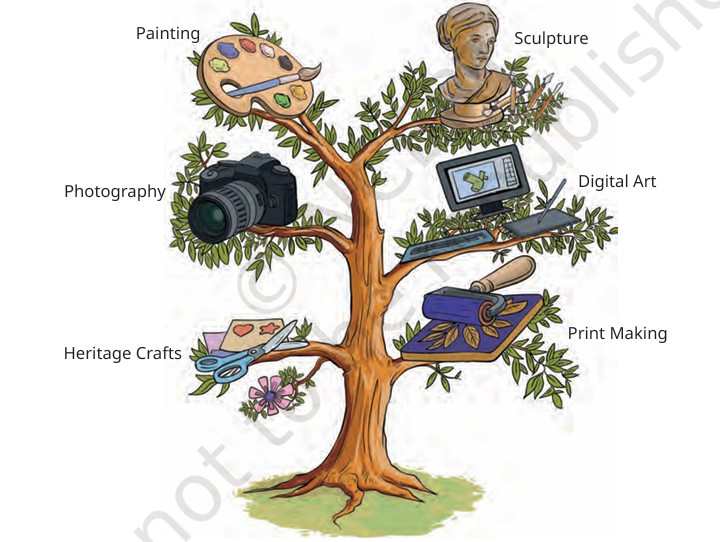
Some major disciplines in Visual Arts
Forms of Visual Art
Visual art is a creative form of expression through which artists communicate their thoughts, emotions, imagination, and ideas using visual elements. It includes various traditional and modern art forms that reflect human creativity, cultural heritage, and technological development. The major forms of visual art include painting, photography, heritage crafts, sculpture, digital art, and printmaking.
i.) Drawing and Painting
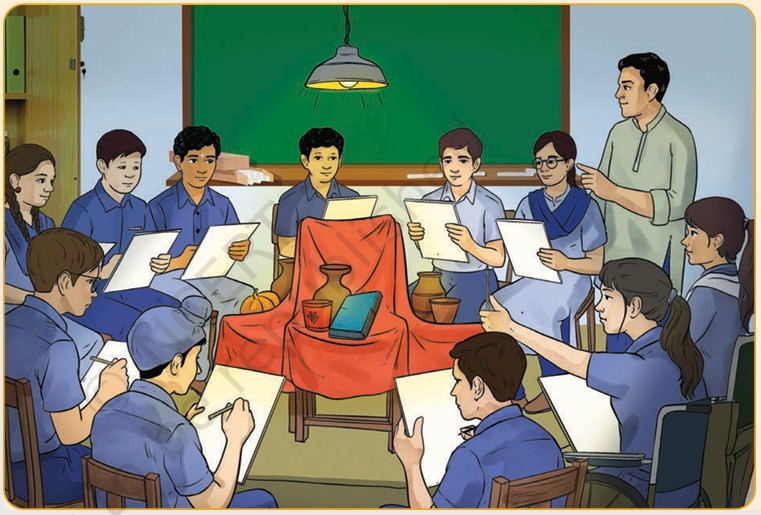
Drawing and painting are two important and widely practised forms of visual art. Both involve creating pictures, designs, and artistic compositions on two-dimensional surfaces using different materials and techniques. Artists use mediums such as pencils, pens, pastels, inks, oil paints, watercolours, acrylic paints, tempera, and natural dyes. These artworks can be created on various surfaces, including paper, canvas, fabrics, wood, and walls.

Drawing generally focuses on creating images through lines, shapes, patterns, shading, and textures, while painting involves applying colours to develop visual compositions. Both forms allow artists to express their thoughts, feelings, imagination, and observations of the world around them. In India, drawing and painting have a rich artistic heritage, influenced by traditional culture, mythology, nature, history, and modern creative ideas.
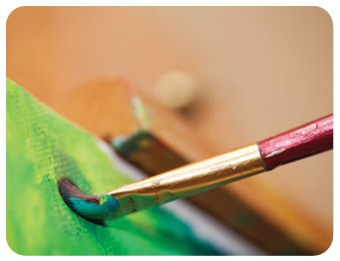
Painting on canvas
Some Famous Indian Artists
India has produced many talented artists who have made remarkable contributions to the development of drawing and painting. Their artworks represent different artistic styles, cultural traditions, and creative expressions.
1. Nandalal Bose
A renowned Indian artist associated with the Bengal School of Art. His paintings reflected Indian culture, mythology, nature, and national identity. He was awarded the Padma Vibhushan.
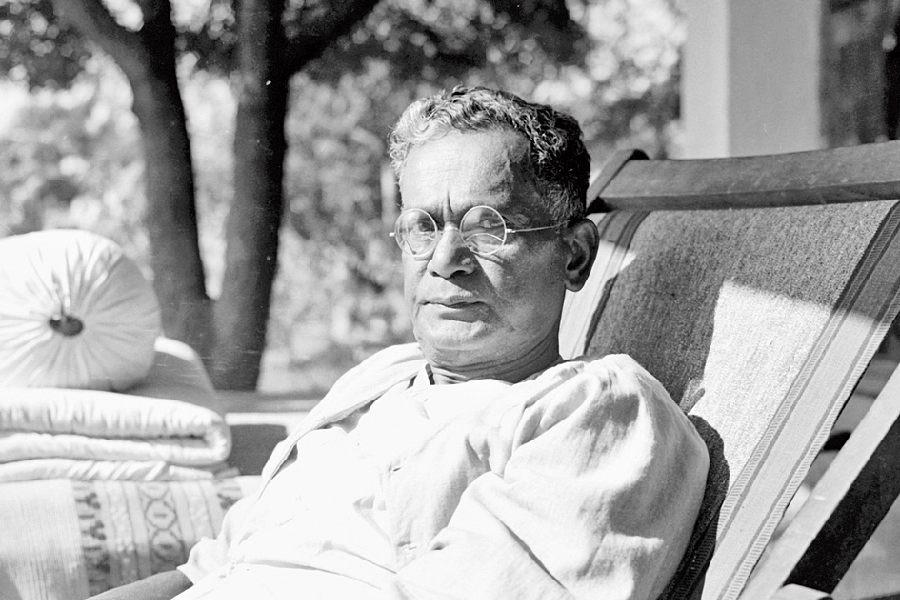
2. Abanindranath Tagore
He was a pioneering Indian painter and an important figure in the Bengal School of Art. His famous painting Bharat Mata represents India’s national spirit and cultural heritage.
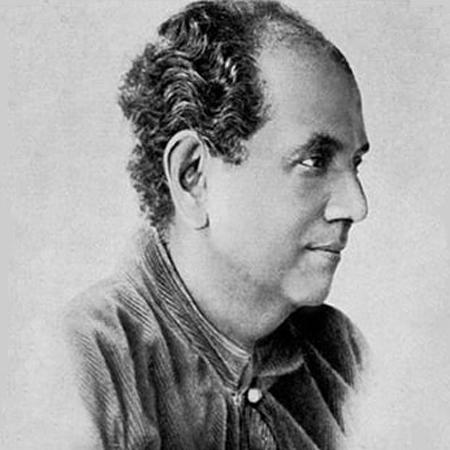
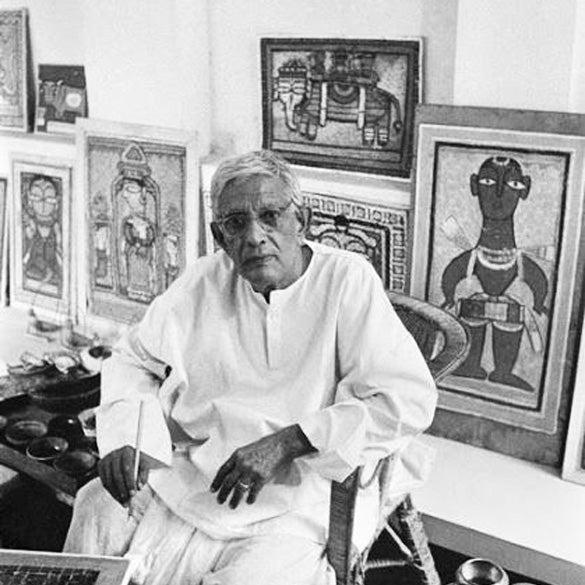
3. Jamini Roy
He developed a distinctive painting style inspired by Bengal’s folk traditions, particularly Kalighat paintings. He received the Padma Bhushan.
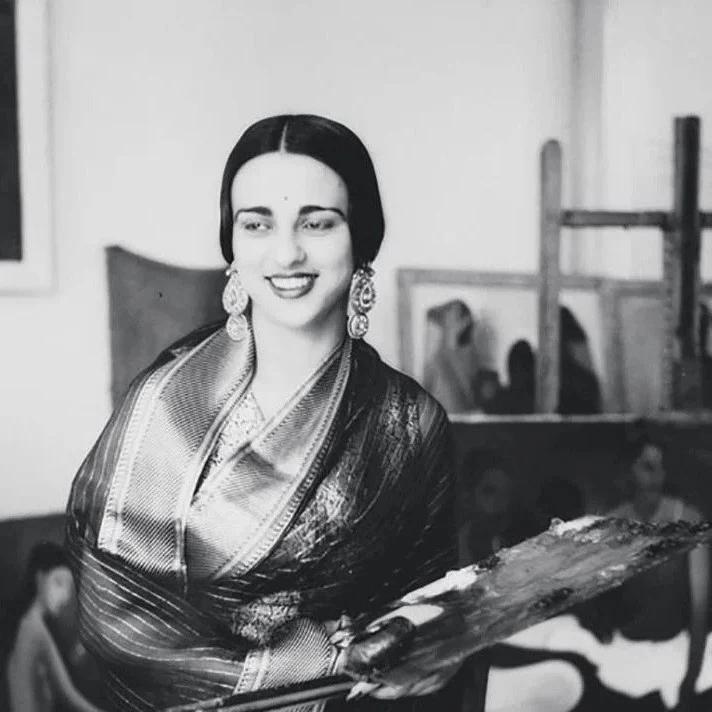
4. Amrita Sher-Gil
She was one of the most influential modern Indian painters. Her artworks portrayed everyday life, rural communities, and Indian society through expressive colours and compositions.
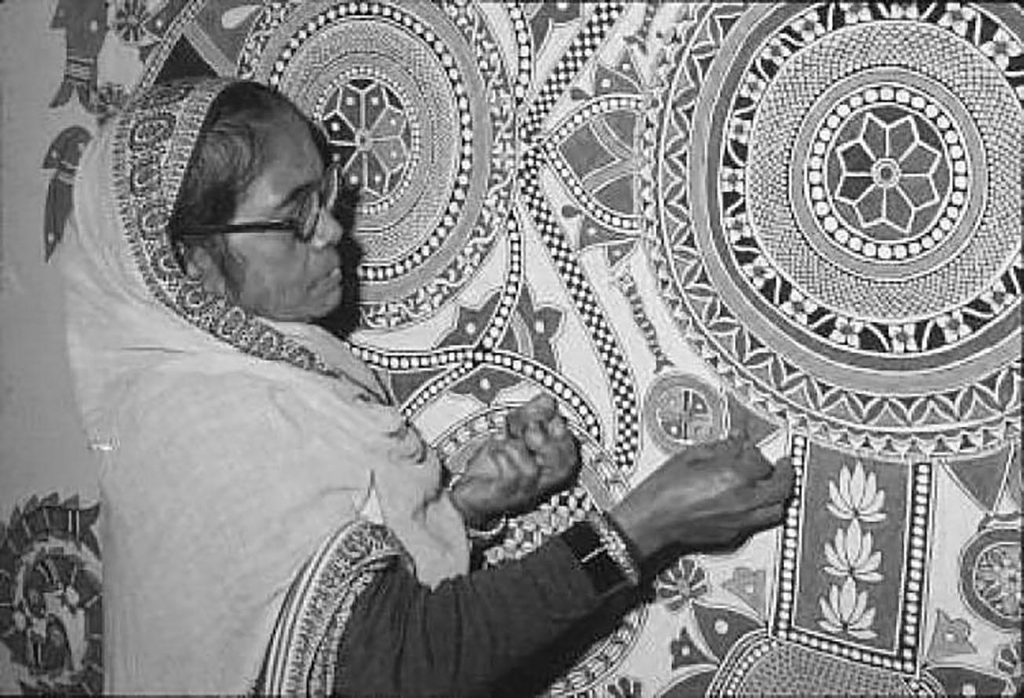
5. Ganga Devi
She was a celebrated Madhubani artist from Bihar who helped bring traditional Mithila painting to national and international recognition. She received the Padma Shri.
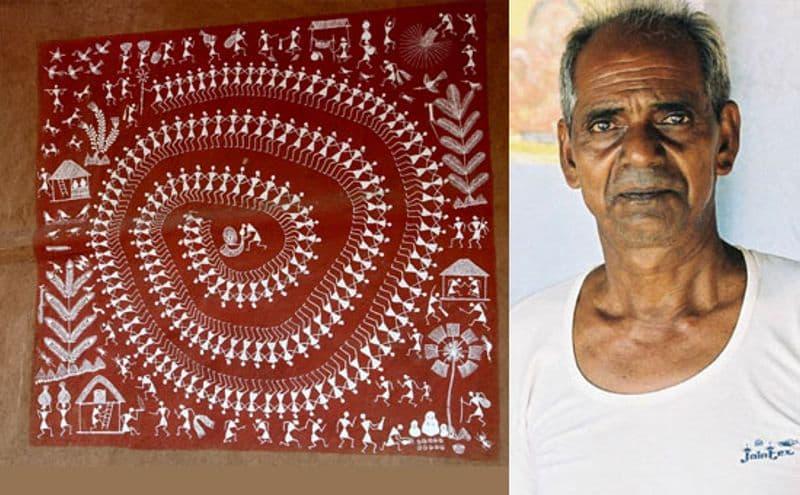
6. Jivya Soma Mashe
He was a renowned Warli artist from Maharashtra who popularised this tribal art form through paintings depicting village life, nature, animals, and community traditions. He received the Padma Shri.
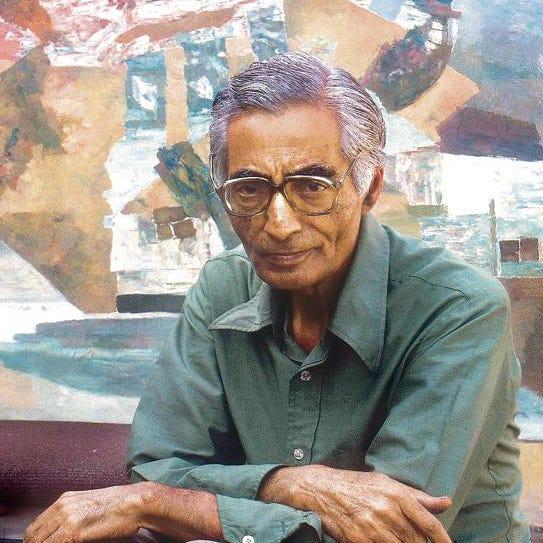
7. Ram Kumar
He was an important modern Indian painter known for his abstract landscapes and expressive representations of cities, particularly Varanasi. He received the Padma Bhushan.
8. Nasreen Mohamedi
She was known for her abstract drawings and photographs, especially her delicate geometric lines, patterns, and minimalist compositions.

9. K. C. S. Paniker
He was a prominent Indian painter associated with modern art. His works combined abstract forms, symbolic elements, and traditional Indian visual influences.
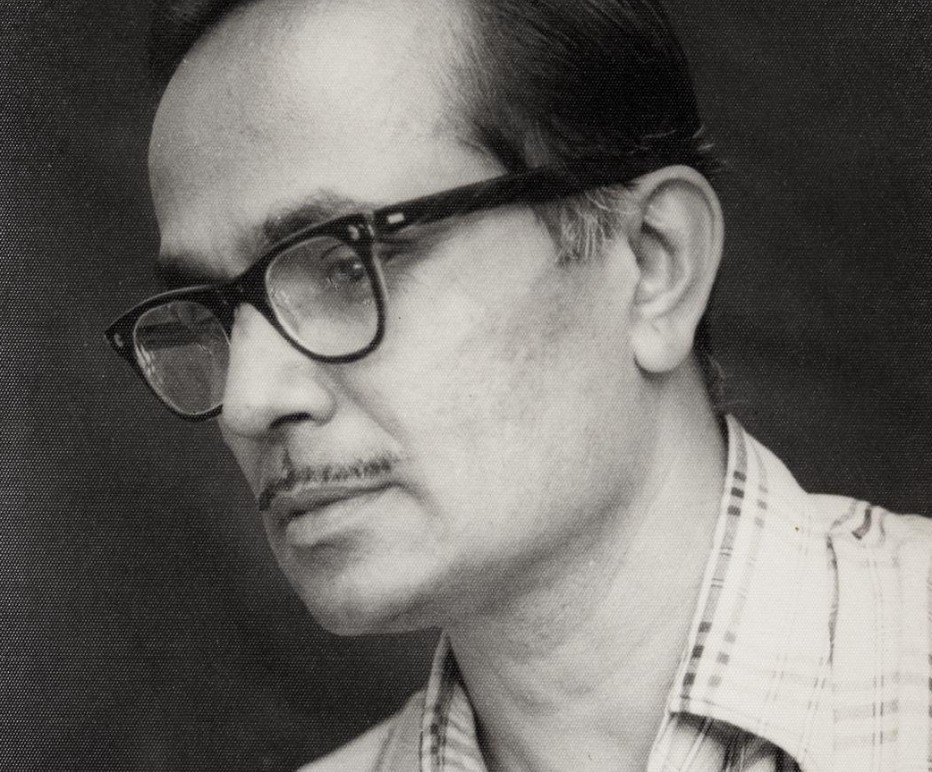
10. K. M. Adimoolam
He was an Indian artist recognised for his expressive drawings, abstract compositions, and distinctive use of lines and forms.
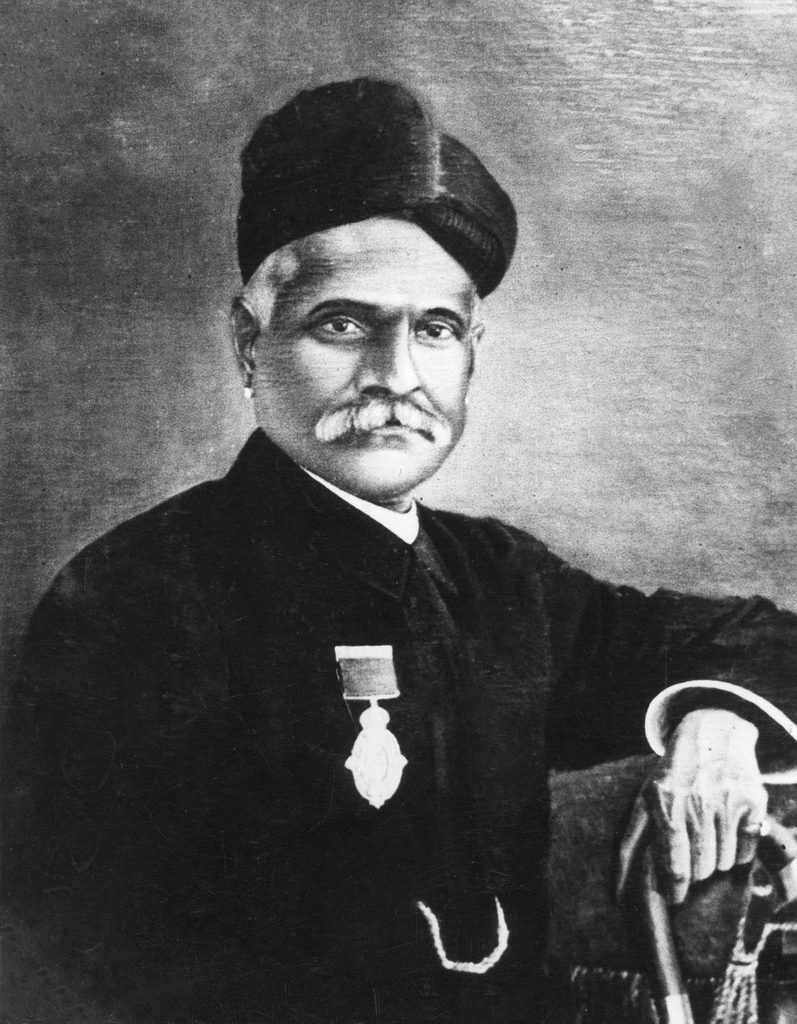
11. Raja Ravi Varma
He was one of India’s most celebrated painters, famous for combining European academic painting techniques with Indian mythological subjects. His paintings of gods, goddesses, and characters from Indian epics remain widely admired.
ii.) Sculpture
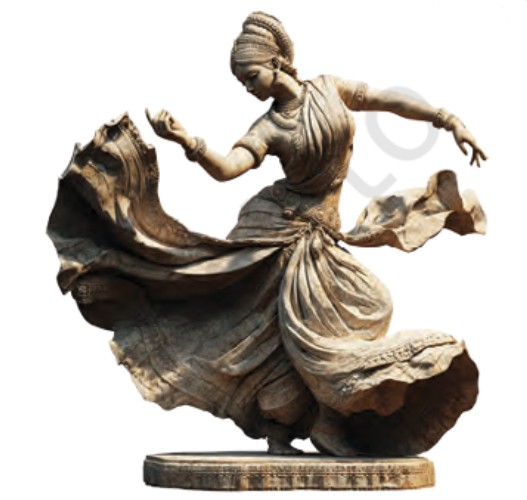
Sculpture is an important three-dimensional form of visual art that involves creating artistic figures, objects, and structures using different materials and techniques. Unlike drawing and painting, which are generally created on flat surfaces, sculptures have height, width, and depth. Artists use materials such as clay, wood, stone, metal, fibreglass, plaster, fabric, natural fibres, and recycled materials to create sculptures.
Sculptures can be made using various techniques, including carving, modelling, casting, assembling, and moulding. They may represent human figures, animals, religious symbols, historical events, nature, or abstract ideas. Sculpture has played an important role in Indian art and culture, particularly in temple architecture, religious traditions, monuments, and modern artistic expression.
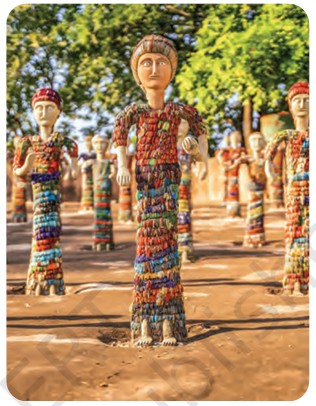
Sculptures from the Rock Garden of Chandigarh
Some Famous Indian Sculptors
India has produced many talented sculptors whose creative works have enriched the country’s artistic heritage. Their sculptures represent traditional craftsmanship, cultural values, modern imagination, and innovative artistic techniques.
1. Devi Prasad Roy Choudhury
He was a distinguished Indian sculptor and painter known for his realistic bronze sculptures and powerful representations of human figures. His famous works include Triumph of Labour in Chennai. He received the Padma Bhushan.
2. Amarnath Sehgal
He was a renowned modern Indian sculptor known for expressive bronze and metal sculptures. His artworks often explored human emotions, suffering, dignity, and social experiences. He received the Padma Bhushan.
3. Ramkinkar Baij
He was one of the pioneers of modern Indian sculpture. His famous outdoor sculptures, including Santhal Family and Mill Call, beautifully represent the lives of ordinary people and working communities. He received the Padma Bhushan.
4. Sankho Chaudhuri
He was an influential Indian sculptor known for his modern and abstract sculptures. His works explored the relationship between form, space, movement, and materials. He received the Padma Shri.
5. Meera Mukherjee
She was a celebrated Indian sculptor known for her distinctive bronze sculptures inspired by traditional Indian metalworking techniques, particularly the Dhokra tradition. Her artworks often portrayed everyday life, workers, musicians, and rural communities. She received the Padma Shri.
6. P. V. Janakiraman
He was an Indian sculptor recognised for his contributions to modern sculpture. His artistic practice explored three-dimensional forms and different sculptural materials. He received the Padma Shri.
7. Mrinalini Mukherjee
She was an internationally recognised Indian sculptor famous for her large, imaginative sculptures made from knotted and woven hemp and other natural fibres. Her works combined organic forms with contemporary artistic expression.
8. Pilloo Pochkhanawala
She was an important Indian modern sculptor known for experimenting with metal, wood, stone, and industrial materials. Her abstract sculptures introduced innovative approaches to contemporary Indian sculpture.
9. Raghav Kaneria
He was a prominent Indian sculptor known for his experimental approach to materials and abstract forms. His works explored texture, structure, and the relationship between artistic ideas and physical materials.
10. Nagji Patel
He was an Indian sculptor known for his innovative work in stone and ceramic sculpture. His creations often featured abstract forms, textures, and natural shapes.
11. Somnath Hore
He was a distinguished Indian artist, sculptor, and printmaker. His works expressed human suffering, poverty, and social struggles. His famous Wounds series of sculptures reflects his deep concern for humanity.
summary
Sculpture is a remarkable form of visual art that transforms ordinary materials into meaningful three-dimensional creations. It preserves cultural traditions, represents historical and religious ideas, and provides opportunities for modern artistic experimentation. The contributions of these Indian sculptors have enriched the world of art and demonstrated how creativity, imagination, and craftsmanship can give life to stone, metal, wood, clay, and other materials. Through their remarkable works, sculpture continues to inspire artists and connect generations with India’s rich artistic heritage.
iii.) Printmaking
Printmaking is an important form of visual art that allows artists to create multiple copies of the same artwork in limited or unlimited editions. It involves transferring an image or design from a prepared surface, such as a woodblock, metal plate, stone, or linoleum sheet, onto materials like paper or fabric.
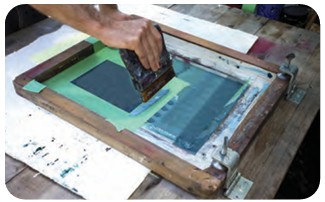
Serigraphy or screen printing
The process generally begins with creating an image on a printing surface using carving, engraving, drawing, or other techniques. The surface is then prepared with suitable ink, which is applied using a roller or other tools. A sheet of paper is placed over the inked surface and pressed manually or with the help of a printing press to transfer the design. In traditional woodblock printing on textiles, the inked wooden block is pressed directly onto fabric to create beautiful patterns and decorative designs.
Printmaking combines creativity, technical skills, and experimentation. It has been widely used in book illustrations, posters, decorative textiles, artistic compositions, and cultural expressions.
Common Techniques of Printmaking
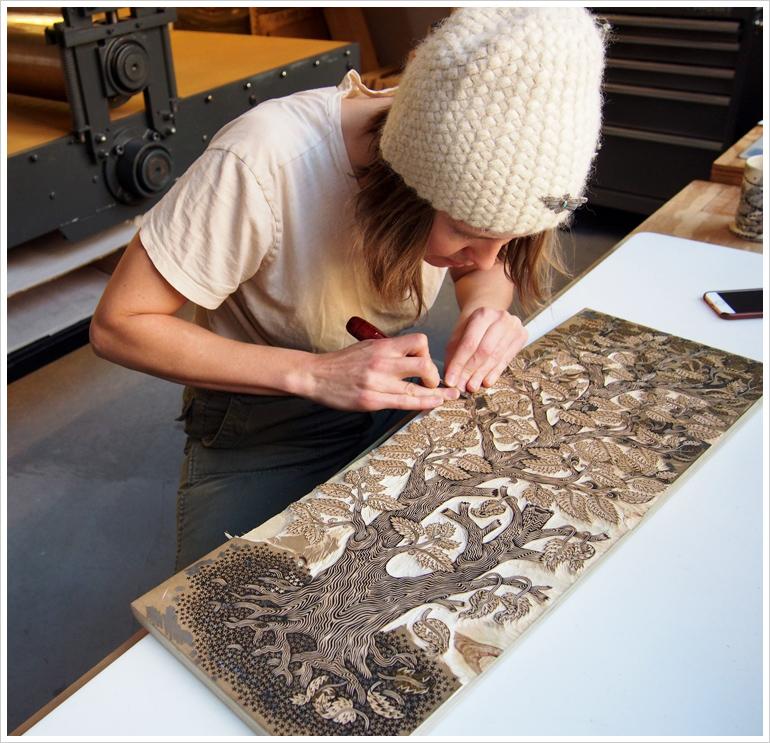
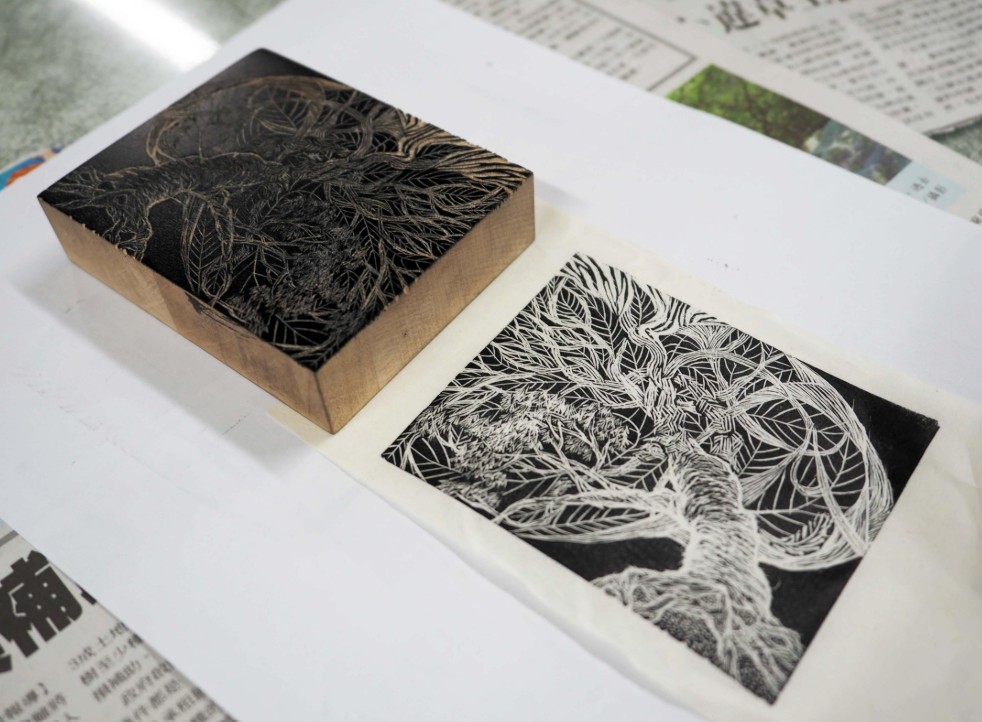
1. Woodcut
Woodcut is one of the oldest printmaking techniques. Artists carve a design into a wooden block, leaving the raised areas to receive ink. Paper is then pressed onto the inked block to produce the image. This technique is often used to create bold lines, patterns, and illustrations.
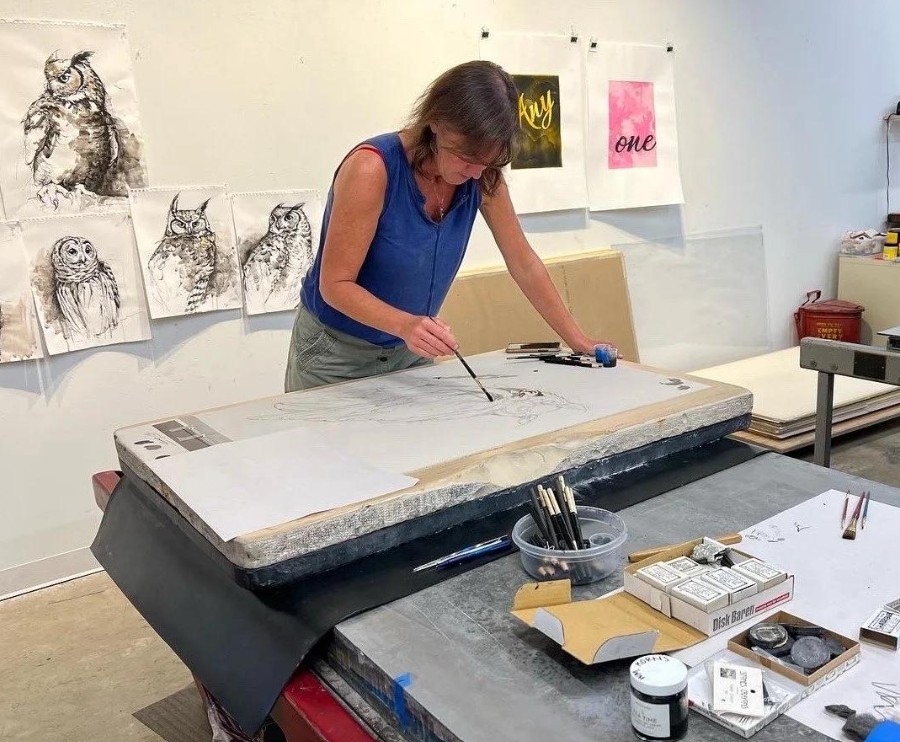
2. Lithography
Lithography is a printing technique based on the principle that oil and water do not mix. Artists create an image using a greasy material on a flat stone or specially prepared metal plate. The surface is treated with water and ink so that the ink sticks to the drawn image, which is then transferred onto paper using a printing press.
3. Etching
Etching is an intaglio printmaking technique in which artists create designs on a metal plate, usually copper or zinc, using a protective coating and special tools. The plate is treated with an acid or another suitable etching solution to create lines and grooves. Ink is applied to these recessed areas and transferred onto paper under pressure.

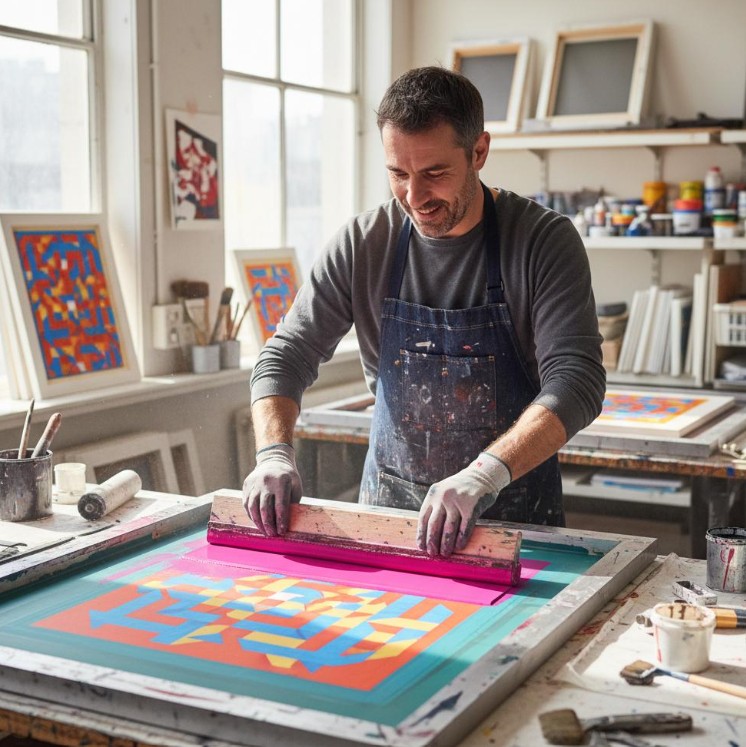
4. Screen Printing
Screen printing is a technique in which ink is pushed through a fine mesh screen onto paper, fabric, or other surfaces using a squeegee. Certain areas of the screen are blocked to create the desired design. It is commonly used for making posters, T-shirts, fabric patterns, and decorative artwork.
Importance of Printmaking
Printmaking plays an important role in the development of visual arts because it makes artistic designs available in multiple copies. It encourages experimentation with different materials, textures, colours, and printing methods. It also helps preserve traditional printing practices and supports modern creative industries such as textile design, publishing, illustration, and graphic design.
Some Famous Indian Printmakers
India has produced several distinguished artists who have made significant contributions to printmaking. Through techniques such as woodcut, etching, engraving, lithography, and intaglio printing, these artists have explored social issues, cultural traditions, nature, and human experiences. Their creative works have enriched the development of modern Indian printmaking.
1. Chittoprasad Bhattacharya
He was an Indian artist, illustrator, and printmaker known for his powerful drawings, woodcuts, and graphic works. His artworks often highlighted poverty, social inequality, rural life, and the struggles of ordinary people. His visual documentation of the Bengal famine of 1943 remains particularly significant.
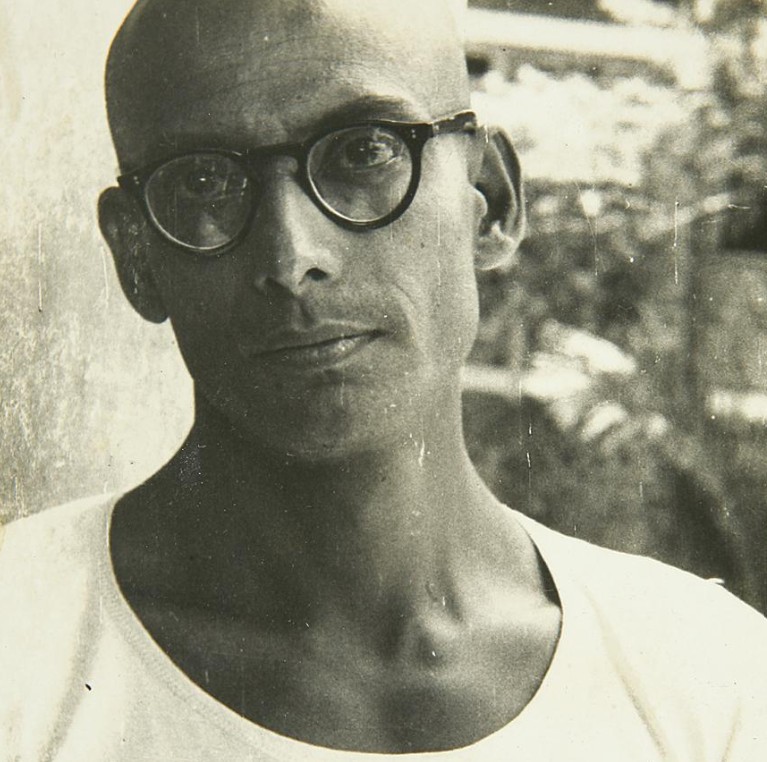
2. Haren Das
He was a renowned Indian printmaker famous for his woodcut, linocut, and etching techniques. His prints beautifully depicted rural Bengal, village landscapes, farmers, traditional houses, and everyday activities. His detailed compositions helped establish printmaking as an important form of modern Indian art.
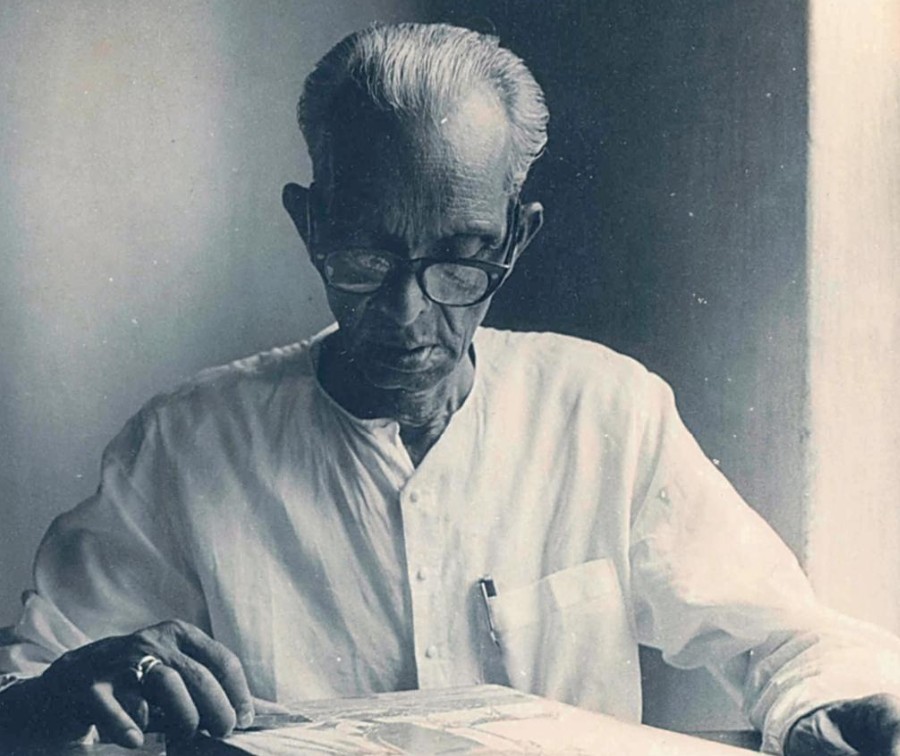
3. Krishna Reddy
He was an internationally recognised Indian artist, sculptor, and master printmaker. He made remarkable contributions to colour intaglio printing and helped develop innovative printmaking techniques. His experimental artworks explored textures, colours, shapes, and abstract forms. He received the Padma Shri.

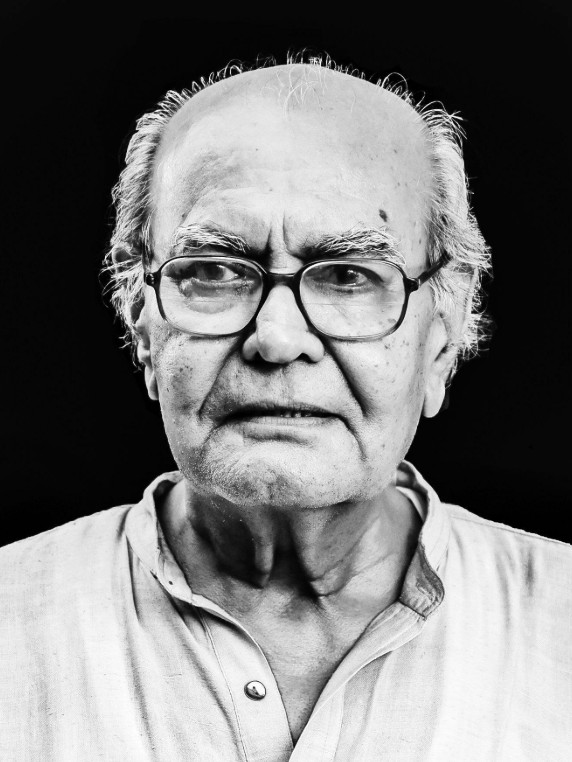
4. Jyoti Bhatt
He is a distinguished Indian artist, photographer, and printmaker associated with the Baroda School of Art. His artistic works include linocuts, screen prints, and other graphic techniques inspired by Indian folk art, rural traditions, and everyday cultural life. He received the Padma Shri.
iv.) Photography
Photography is an important form of visual art that involves creating images and artistic compositions using cameras, digital tools, and specialised software applications. It allows artists to capture real-life moments, people, places, objects, and natural surroundings while expressing their creativity and imagination.
Photography can be created using still cameras, video cameras, smartphones, and digital editing applications. Artists use different techniques, such as lighting, camera angles, framing, focus, exposure, and image editing, to produce meaningful and visually attractive photographs.
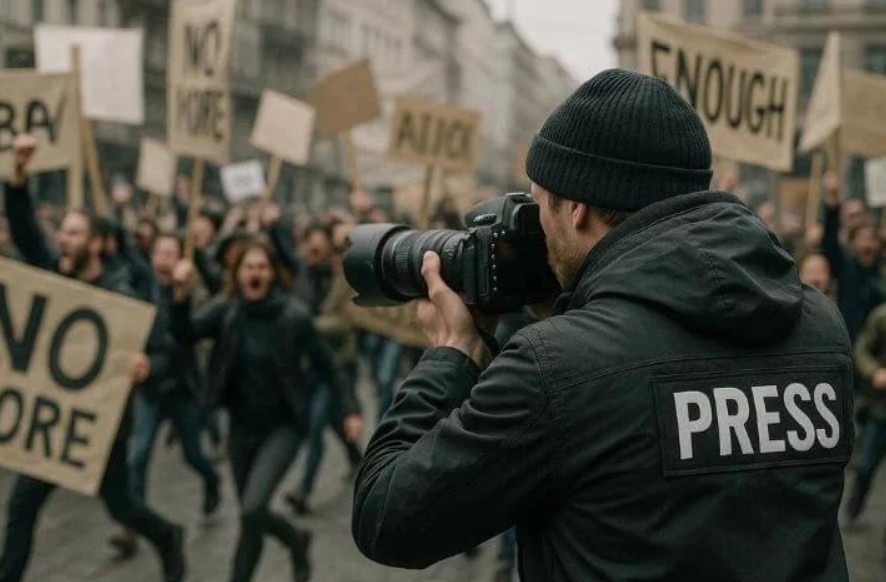
It is important to understand that photography and photojournalism are not exactly the same. Photojournalism mainly focuses on documenting real events, people, places, and natural surroundings to communicate news and provide factual information to the public. In contrast, fine art photography focuses on artistic expression, creativity, and personal interpretation. It may include real-life documentation but also explores visual effects, image-making, creative compositions, and photo-montage.
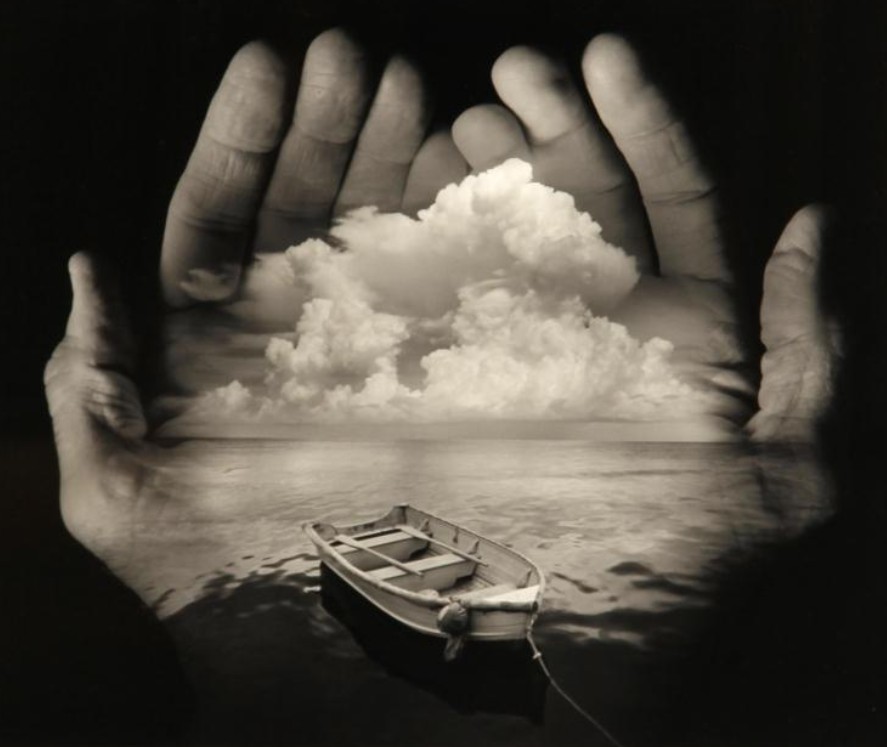
Photo-montage is a technique in which different photographs or images are combined to create a new artistic composition. Through these creative approaches, photography becomes more than simply capturing pictures; it becomes a powerful medium for communicating ideas, emotions, and stories.
Different Forms and Techniques of Photography
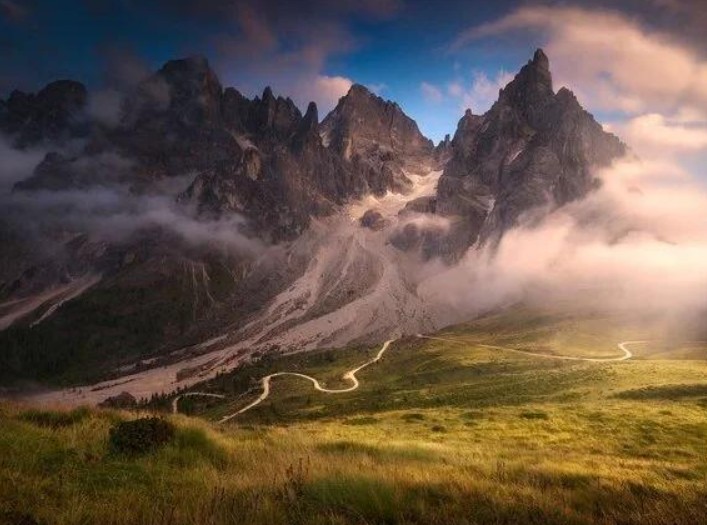
1. Fine Art Photography
It involves creating photographs that express an artist’s imagination, emotions, and creative vision. Artists carefully use composition, lighting, colours, and visual elements to communicate artistic ideas.
2. Photojournalism
It focuses on capturing real events, social activities, people, and important moments to communicate information through photographs. It plays an important role in journalism and news reporting.
3. Photo-Montage
It is a creative technique in which two or more photographs or images are combined to form a single composition. It allows artists to develop imaginative scenes and express complex ideas visually.
4. Creative and Experimental Photography
It involves experimenting with camera settings, lighting, reflections, exposure, perspectives, and digital effects to produce unusual and visually interesting images.

Importance of Photography
Photography plays an important role in modern visual communication and artistic expression. It helps preserve memories, document cultural heritage, capture historical events, and present the beauty of nature and everyday life. It also encourages creativity and provides opportunities to explore new ideas through digital technology and visual storytelling.
Some Famous Indian Photographers
India has a rich history of photography, with several talented photographers making remarkable contributions to documenting the country’s culture, history, society, and everyday life. Their photographs have preserved important historical moments, captured the beauty of Indian traditions, and helped photography develop as an important form of visual art.
1. Lala Deen Dayal
He was one of the most celebrated early Indian photographers. He became famous for photographing Indian royal families, historical monuments, architectural structures, and important personalities. His photographs provide valuable visual records of India during the nineteenth century. He was honoured with the title Raja Musawwir (Royal Photographer).
2. Sawai Ram Singh II
He was the Maharaja of Jaipur and an important early Indian photography enthusiast. He developed a strong interest in photography and established photographic facilities in Jaipur. His photographs documented royal life, architecture, people, and cultural activities, making him an important figure in the early history of Indian photography.
3. Umrao Singh Sher-Gil
He was an Indian photographer and scholar known for his self-portraits, family photographs, and photographic documentation of everyday life. His photographs captured Indian society, family relationships, and personal experiences during the late nineteenth and early twentieth centuries. He was also the father of renowned painter Amrita Sher-Gil.
4. Homai Vyarawalla
She was India’s first widely recognised woman photojournalist and was popularly known by her professional name Dalda 13. Her photographs documented important historical events, national leaders, political developments, and India’s independence period. She received the Padma Vibhushan for her outstanding contribution to photography.
v.) Applied Arts and Design Disciplines
Applied arts and design disciplines are important branches of visual arts that combine creativity, imagination, and practical skills to develop useful and attractive products, objects, spaces, and visual communications. Unlike fine arts, which mainly focus on artistic expression, applied arts place greater emphasis on the practical use and functionality of creative work.
Applied arts include several design disciplines, such as graphic design, product design, industrial design, animation, film and video, textile design, and fashion design. Designers use their artistic abilities, technical knowledge, and innovative ideas to find creative solutions to various problems and everyday needs. They develop functional objects, improve the appearance of products, design comfortable spaces, create attractive clothing, and communicate information effectively through visual elements.
These disciplines play an important role in our daily lives, influencing the way we use products, experience technology, wear clothes, watch films, and understand visual information.
Major Applied Arts and Design Disciplines
1. Graphic Design
Graphic design involves creating visual content to communicate information, ideas, and messages. Designers use typography, colours, illustrations, photographs, and layouts to create posters, logos, advertisements, brochures, magazines, and websites.

2. Product Design
Product design focuses on developing useful, attractive, and user-friendly products. Designers consider functionality, appearance, materials, comfort, safety, and user requirements while creating objects such as furniture, electronic devices, kitchen equipment, and household products.

3. Industrial Design
Industrial design involves designing and improving manufactured products for everyday use. It combines creativity, engineering, technology, and practical knowledge to develop products such as automobiles, machinery, appliances, tools, and electronic equipment.

4. Animation
Animation is the art of creating the illusion of movement through a sequence of images, drawings, or digital models. It includes traditional animation, 2D animation, 3D animation, and computer-generated imagery (CGI). It is widely used in films, cartoons, advertisements, video games, and educational content.
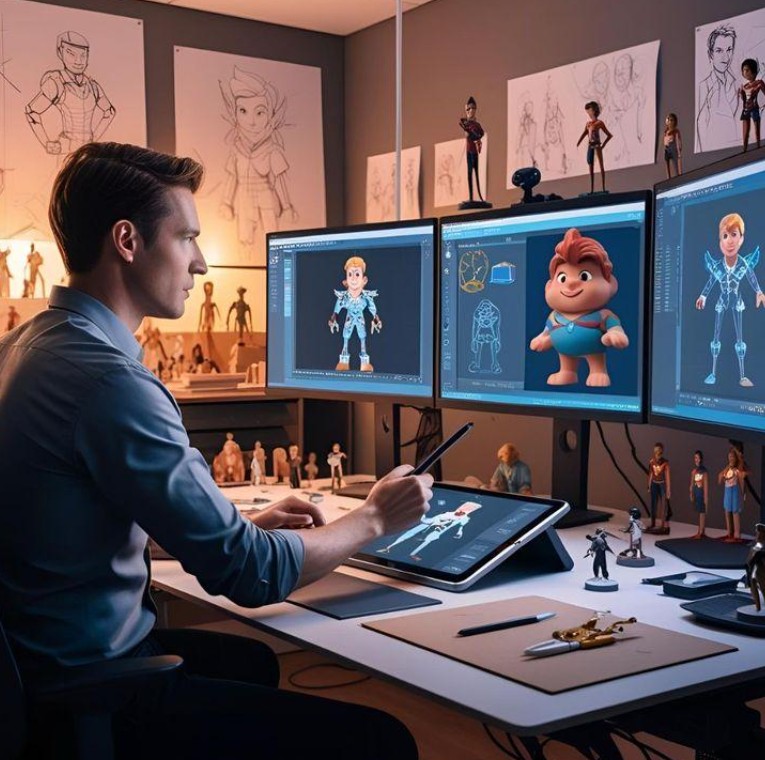
5. Film and Video Design
Film and video design involves creating visual stories through moving images, camera techniques, lighting, editing, sound, and special effects. It plays an important role in filmmaking, television, documentaries, advertisements, and digital media production.

6. Textile Design
Textile design focuses on creating patterns, textures, colours, and decorative designs for fabrics and other materials. Designers use weaving, printing, embroidery, dyeing, and digital techniques to develop textiles for clothing, furnishings, and decorative products.

7. Fashion Design
Fashion design involves creating clothing, footwear, accessories, and other wearable products. Fashion designers combine artistic creativity, fabric knowledge, colours, patterns, and modern trends to develop garments that reflect personal style, cultural traditions, and changing lifestyles.

Importance of Applied Arts and Design
Applied arts and design disciplines make everyday life more convenient, attractive, and meaningful. They improve the appearance and usability of products, encourage innovation, support industries, and strengthen visual communication. These creative fields also provide opportunities for employment and entrepreneurship in areas such as advertising, fashion, filmmaking, animation, product development, and digital media.
Some Famous Indian Artists and Designers
India has produced many talented artists, designers, and creative professionals who have made significant contributions to applied arts and design disciplines. Their work covers various fields, including graphic design, textile design, fashion, advertising, animation, visual communication, and filmmaking. Through their innovative ideas, artistic skills, and dedication, they have helped shape modern Indian design and creative industries.
1. Dashrath Patel
He was a renowned Indian artist, designer, photographer, and educator. His creative work covered several disciplines, including ceramics, photography, graphic design, and product design. He was one of the founding members of the National Institute of Design (NID) in Ahmedabad and received the Padma Shri.
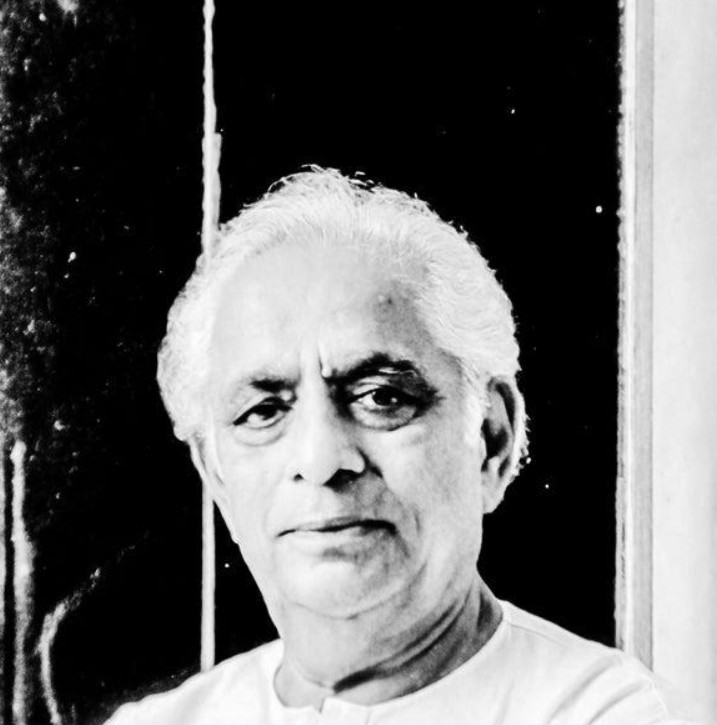
2. R. K. Joshi
He was an influential Indian calligrapher, typographer, and graphic designer. He made important contributions to Indian typography by exploring the artistic and functional possibilities of Indian scripts. His work helped develop modern Indian type design and visual communication. He received the Padma Shri.
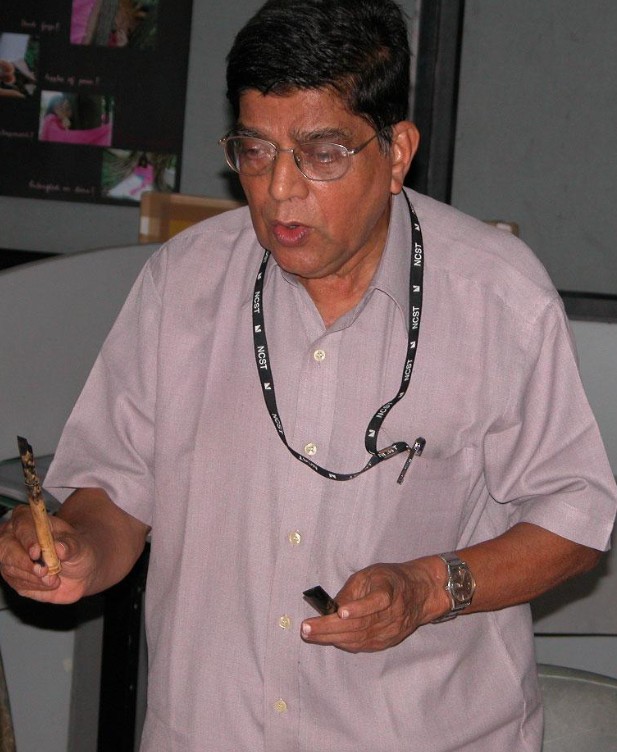
3. Martand Singh
He was a distinguished Indian textile revivalist and cultural heritage expert. He worked extensively to preserve and promote India’s traditional handloom and textile traditions. His famous Virasat exhibitions showcased the richness of Indian textiles and craftsmanship.
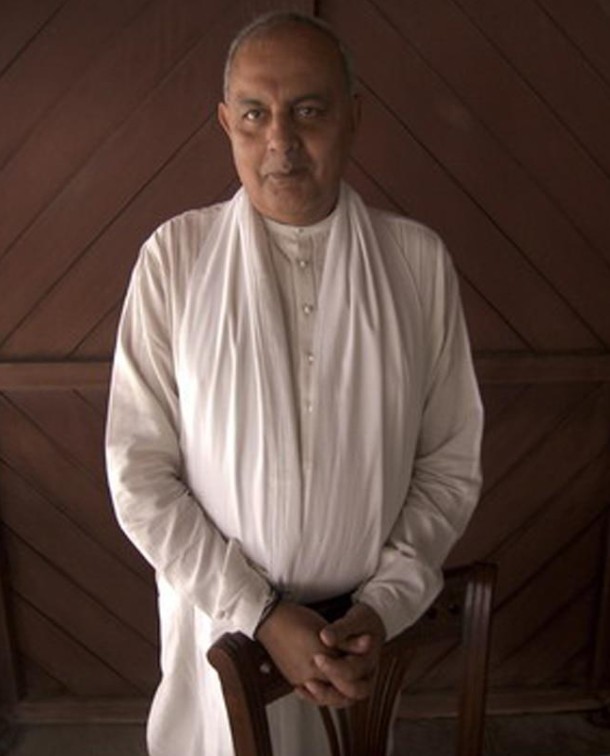
4. Rohit Khosla
He was a pioneering Indian fashion designer who played an important role in introducing modern designer fashion in India. He co-founded the fashion label Rohit Khosla Associates and helped establish fashion designing as a recognised professional industry in the country.
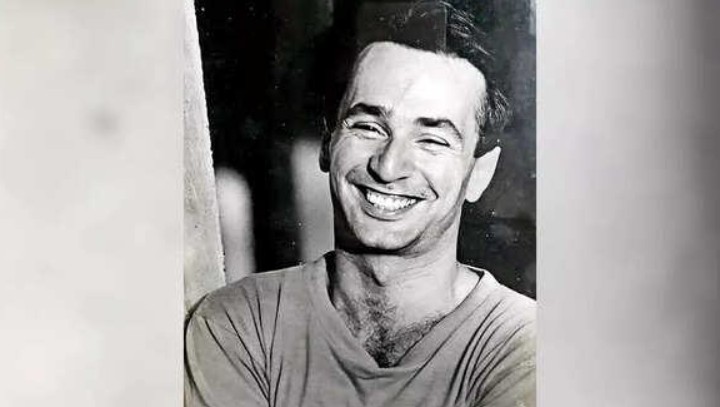
5. Satya Paul
He was a celebrated Indian fashion designer and entrepreneur known for transforming traditional sarees through innovative prints, colours, and contemporary patterns. His designs helped bring Indian ethnic fashion into modern lifestyles and international fashion markets.
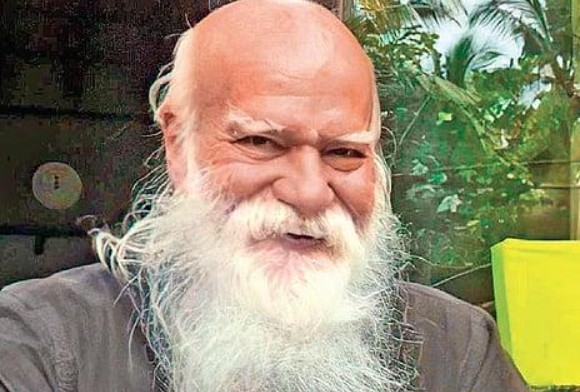
6. G. K. Gokhale
He is included among Indian design personalities associated with applied arts and design education. However, the initials alone do not establish a sufficiently reliable identification or biography. The full name or textbook reference would help verify his contribution accurately.
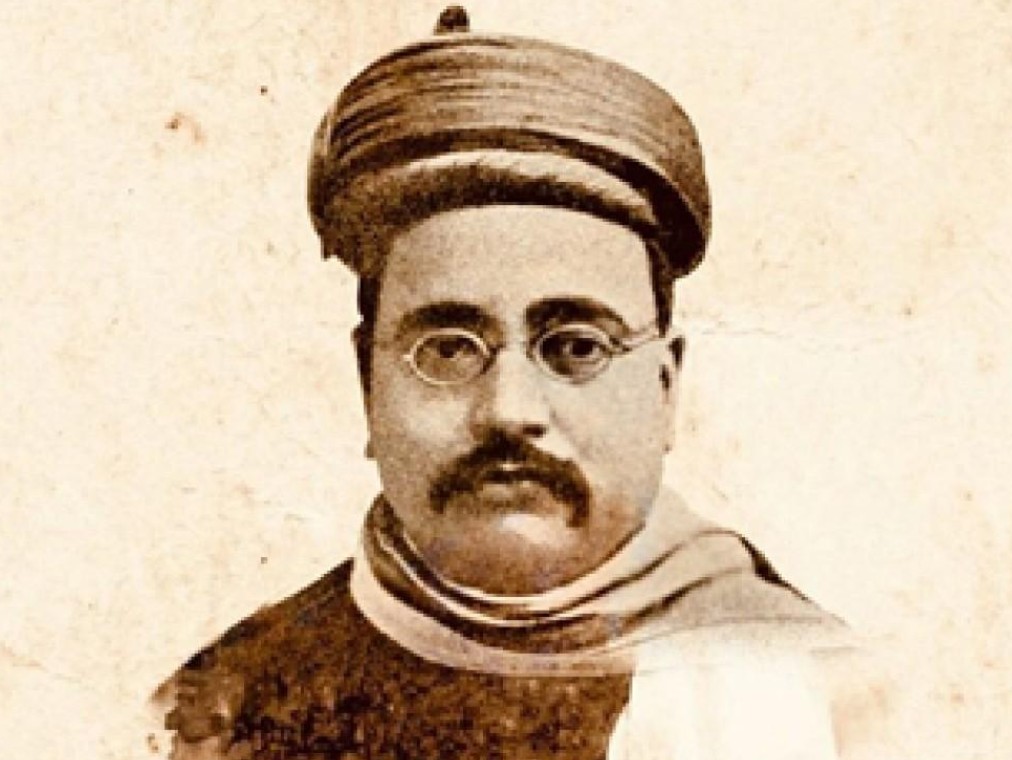
7. Ram Mohan
He was widely regarded as the father of Indian animation. He made significant contributions to animation filmmaking, character design, and visual storytelling. He founded Ram Mohan Biographics and worked on several animated films and educational projects. He received the Padma Shri.
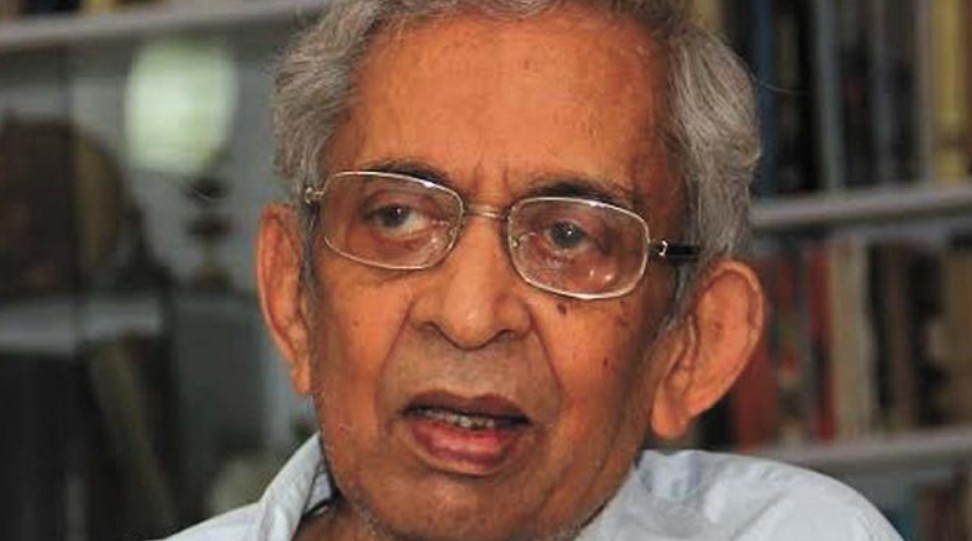
8. Satyajit Ray
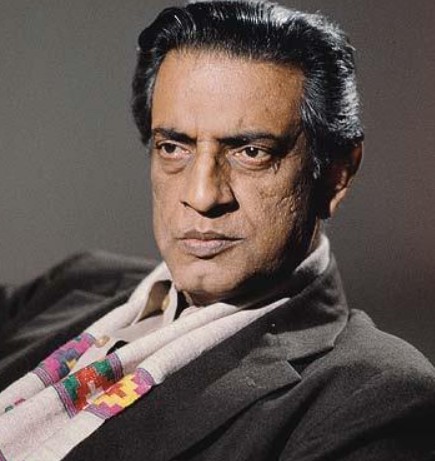
He was one of India’s most celebrated filmmakers, writers, illustrators, and graphic designers. Before entering filmmaking, he worked in advertising and book design. His creative contributions included film posters, book covers, illustrations, and visual storytelling. He received the Bharat Ratna, India’s highest civilian award.
vi.) Heritage Crafts
Heritage crafts represent an important part of India’s artistic and cultural traditions. They include a rich variety of traditional art forms that involve handcrafting techniques and simple machines to design and produce useful and decorative objects. These crafts are created using different materials and processes to make everyday products such as household items, fabrics, toys, furniture, jewellery, decorative objects, and cultural artefacts.
India is a treasure trove of heritage crafts, with every region offering its own unique artistic traditions, materials, designs, and craftsmanship. Skilled artisans use locally available resources such as wood, clay, stone, metal, bamboo, cane, natural fibres, glass, and textiles to create beautiful handmade products. Many traditional crafts are passed down from one generation to another, preserving the knowledge, skills, customs, and cultural identity of local communities.
Over time, several heritage craft traditions have also become connected with modern design disciplines, including product design, furniture design, ceramics, glass design, textile design, and fashion design. This combination of traditional craftsmanship and contemporary creativity has helped Indian handicrafts reach wider markets while maintaining their cultural significance.
Major Types of Indian Heritage Crafts
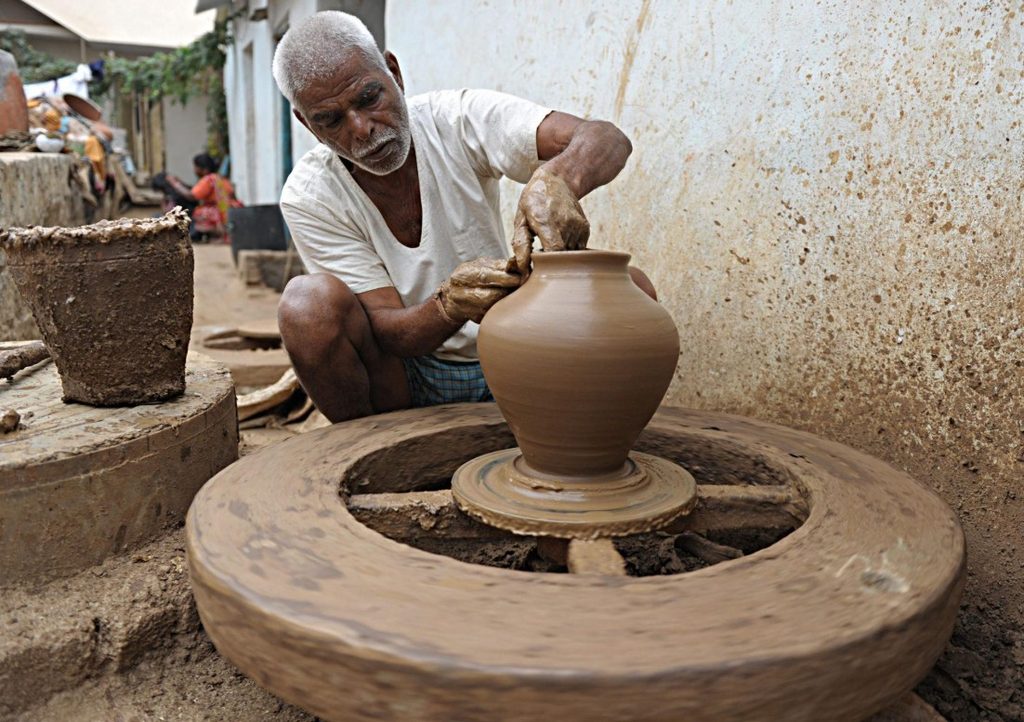
1. Pottery and Ceramics
Pottery involves shaping clay into useful and decorative objects such as pots, bowls, lamps, and sculptures. Indian ceramic traditions include terracotta pottery, blue pottery, and glazed ceramics. These crafts combine traditional skills with artistic creativity.
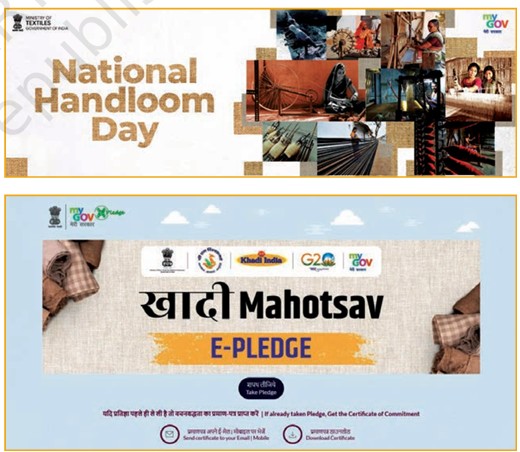
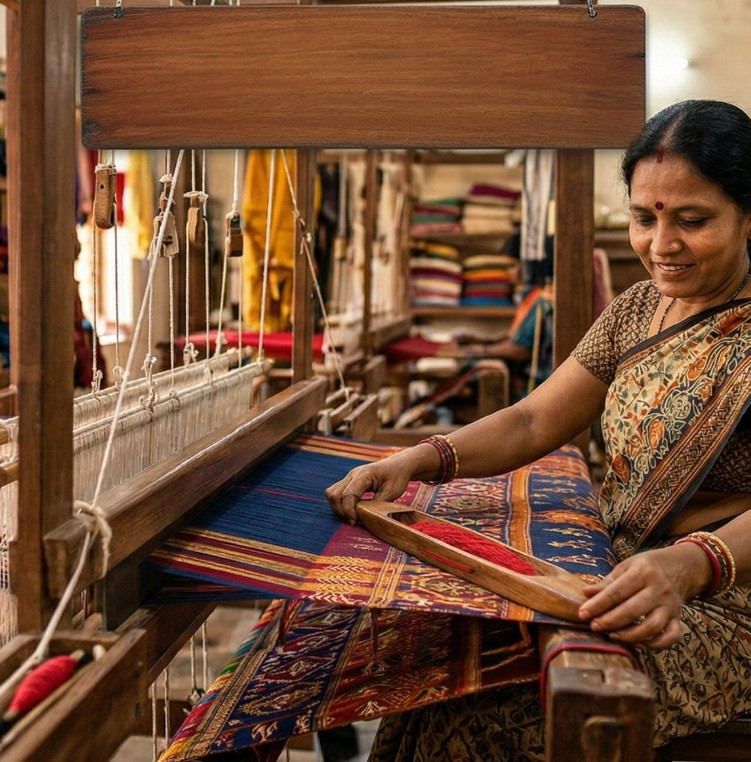
2. Handloom and Textile Crafts
Textile crafts involve weaving, dyeing, printing, embroidery, and decorating fabrics using traditional techniques. Famous examples include Banarasi silk, Kanjeevaram sarees, Chanderi textiles, Kalamkari, and Bandhani.
3. Bamboo and Cane Crafts
Bamboo and cane crafts involve transforming natural plant materials into baskets, furniture, mats, storage containers, decorative objects, and household products. These crafts are especially popular in several northeastern Indian states and other regions.

4. Metal Crafts
Metal crafts include creating decorative and functional objects using materials such as brass, copper, bronze, silver, and iron. Traditional techniques include casting, engraving, embossing, and metalwork. Dhokra metal casting is a famous example of India’s traditional craftsmanship.

5. Wood Crafts
Woodcraft involves carving, shaping, and decorating wood to produce furniture, toys, household objects, architectural elements, and decorative artefacts. Different regions of India have distinctive wood-carving traditions and artistic styles.

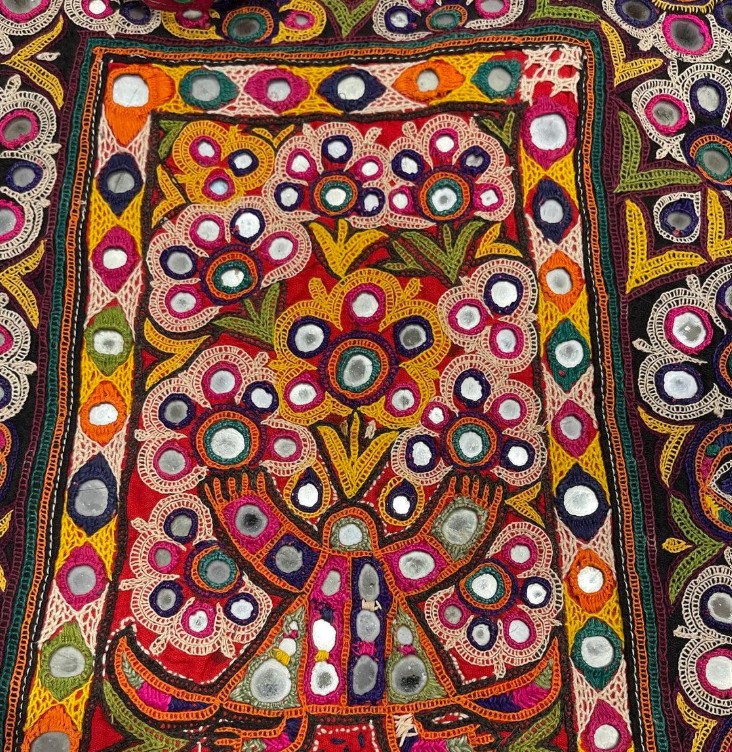
6. Embroidery and Needlework
These crafts involve decorating fabrics using needles, threads, beads, mirrors, and other materials. Popular Indian traditions include Phulkari, Chikankari, Kantha, Kashida, and Kutch embroidery.
Importance of Heritage Crafts
Heritage crafts play an essential role in preserving India’s cultural identity and traditional knowledge. They provide livelihoods to millions of artisans and support local communities through handicraft production and trade. These crafts also encourage the sustainable use of natural materials, promote regional artistic traditions, and connect younger generations with their cultural roots.
The integration of traditional crafts with modern design has created new opportunities in furniture, fashion, interior decoration, ceramics, textiles, and product development. It allows artisans and designers to combine traditional techniques with contemporary ideas and changing consumer needs.
Some Famous Indian Artists and Craft Revivalists
India has a rich heritage of traditional crafts, supported by generations of skilled artisans, designers, and cultural leaders. Several renowned personalities have worked to preserve traditional handicrafts, promote rural artisans, and bring Indian craftsmanship to national and international recognition.
1. Kamaladevi Chattopadhyay
She was a prominent Indian freedom fighter, social reformer, and cultural activist. She played a major role in reviving traditional Indian handicrafts and supporting rural artisans. She helped establish important cultural institutions, including the Crafts Council of India, and promoted handloom weaving, pottery, and other traditional crafts. She received the Padma Vibhushan.
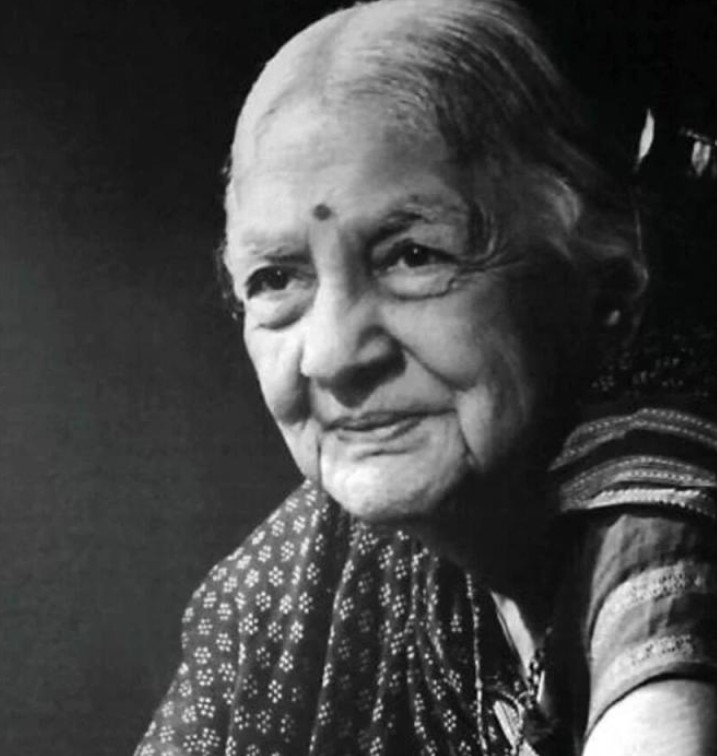
2. Pupul Jayakar
She was an influential Indian cultural activist and writer who worked extensively to preserve India’s traditional arts, textiles, and handicrafts. She supported artisans, promoted Indian handloom traditions, and helped bring greater recognition to the country’s cultural heritage. She received the Padma Vibhushan.
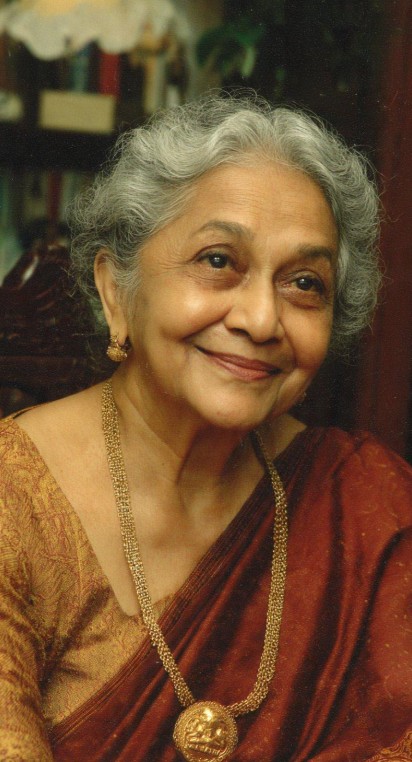
3. Haku Shah
He was a renowned Indian painter, educator, and researcher of folk and tribal arts. He studied the artistic traditions of rural communities and documented their paintings, crafts, rituals, and cultural practices. His work helped bring attention to the creativity and knowledge of indigenous artisans. He received the Padma Shri.
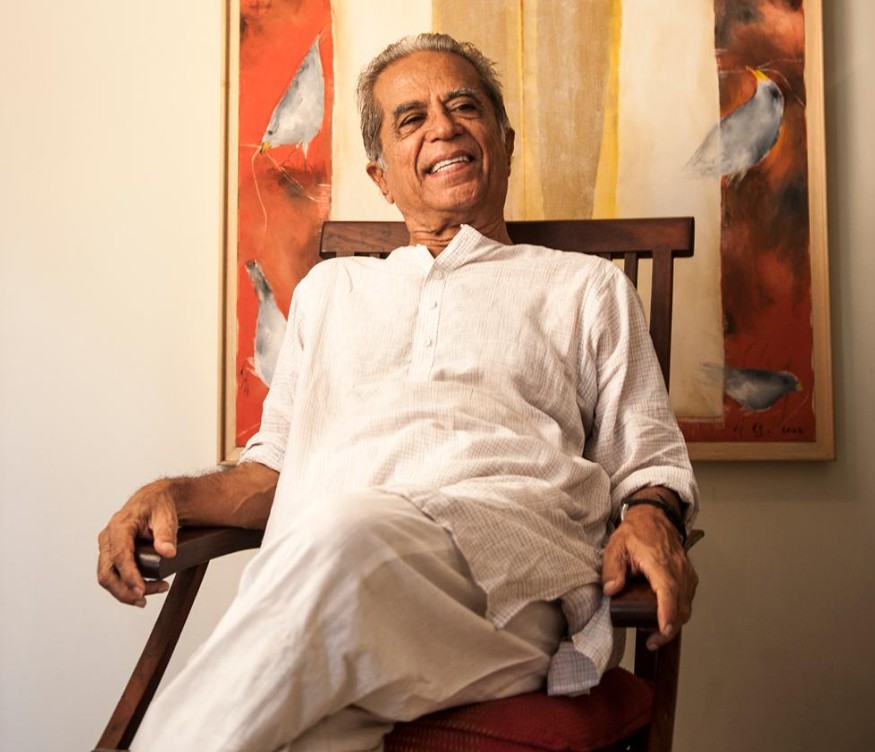
4. Nilima Baruah
Nilima Baruah is associated with the promotion of traditional Indian crafts and artistic practices. Her inclusion among craft personalities highlights the contribution of individuals working to preserve regional craftsmanship and cultural traditions. Specific biographical details and awards should be checked against the textbook or an authoritative source.
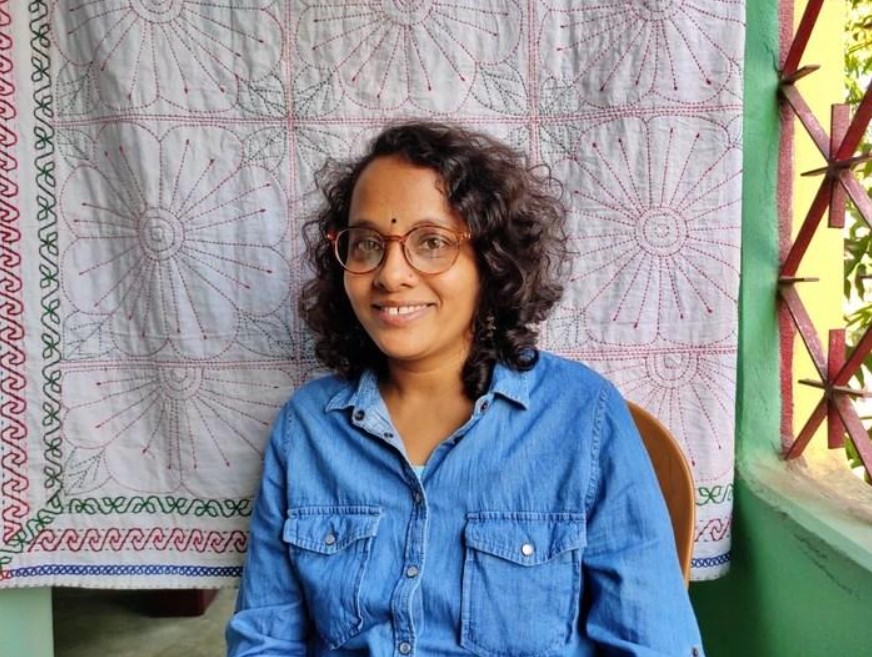
Craft Personalities from Jharkhand
Since Jharkhand has a rich tradition of tribal art and handicrafts, the following personalities and craft traditions are useful examples for the textbook activity.
1. Bulu Imam
He is a renowned environmentalist and cultural conservationist from Hazaribagh, Jharkhand. He has made significant contributions to documenting, preserving, and promoting Sohrai and Khovar tribal paintings. He established the Tribal Women Artists Cooperative to support rural women artists. He received the Padma Shri in 2019.
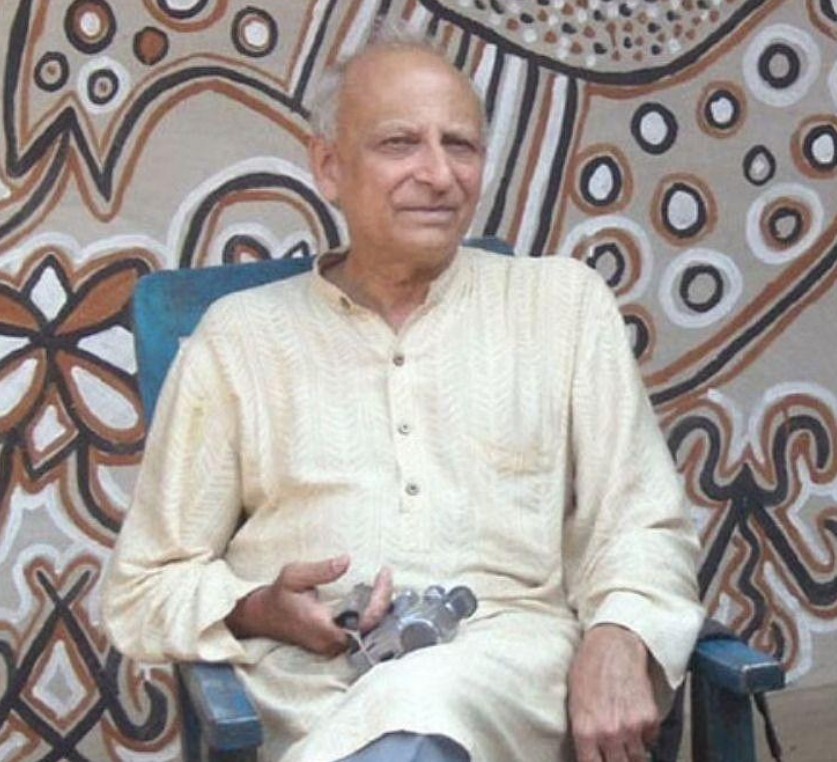
2. Japani Devi
She is a recognised traditional Sohrai artist from Hazaribagh. Her paintings reflect tribal traditions, nature, animals, and village life. She represents the contribution of rural women in preserving Jharkhand’s traditional wall-painting heritage.
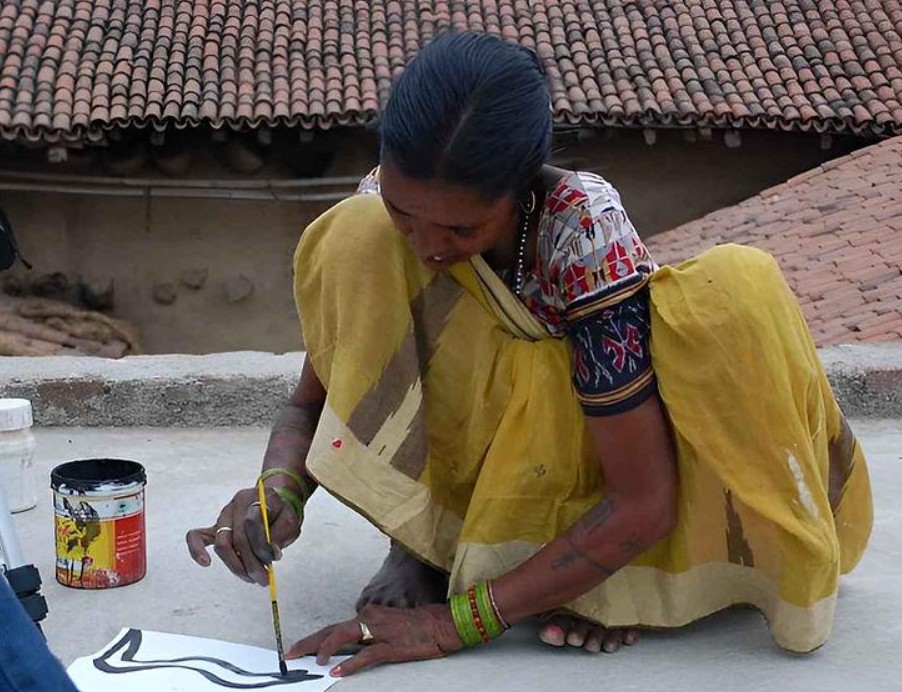
3. Rudan Devi
She is among the Sohrai artists from Hazaribagh who have helped showcase Jharkhand’s traditional painting heritage. Her participation in national cultural programmes has helped bring greater recognition to this indigenous art form.
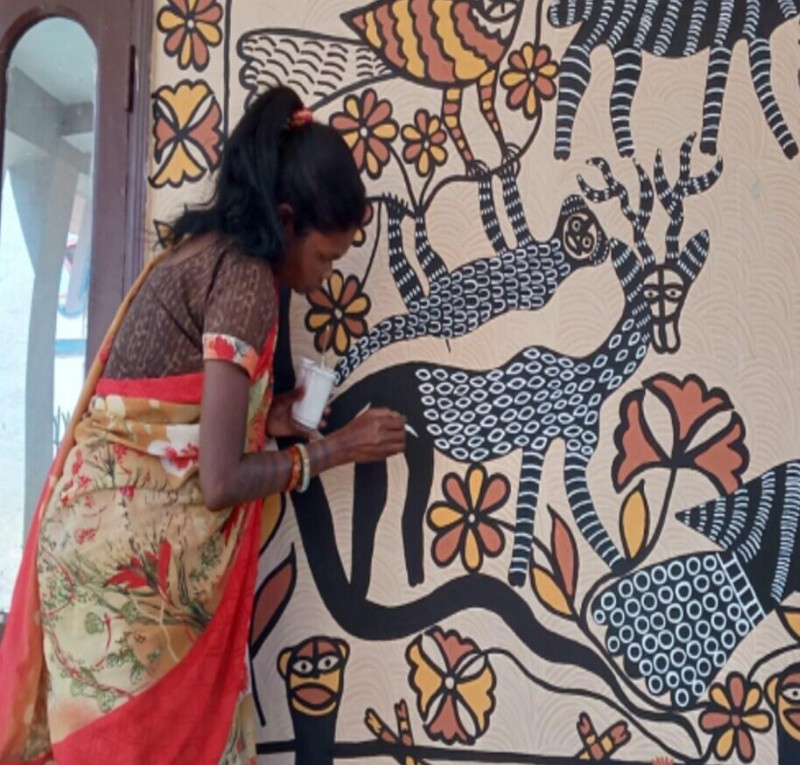
About Sohrai and Khovar: These are traditional wall-painting styles of Jharkhand, especially associated with Hazaribagh district. Sohrai paintings are connected with harvest celebrations, while Khovar paintings are traditionally associated with marriage ceremonies. Artists use natural earth colours and depict animals, plants, geometric patterns, and other elements of nature. Both art forms have received Geographical Indication (GI) recognition.
Arts Research and Management
Arts research and management are important fields that help us understand, preserve, protect, and promote the artistic heritage of a society. Two major disciplines connected with this field are Art History and Museology. Both contribute to the study and preservation of art, culture, and historical objects.
1. Art History
Art History is the study of the development of art across different periods and geographical regions. It examines how painting, sculpture, architecture, crafts, photography, and other art forms have changed over time.
Art historians study artworks to understand the social, cultural, religious, political, and environmental conditions that influenced their creation. They also explore the artists, materials, techniques, styles, and traditions associated with different periods.
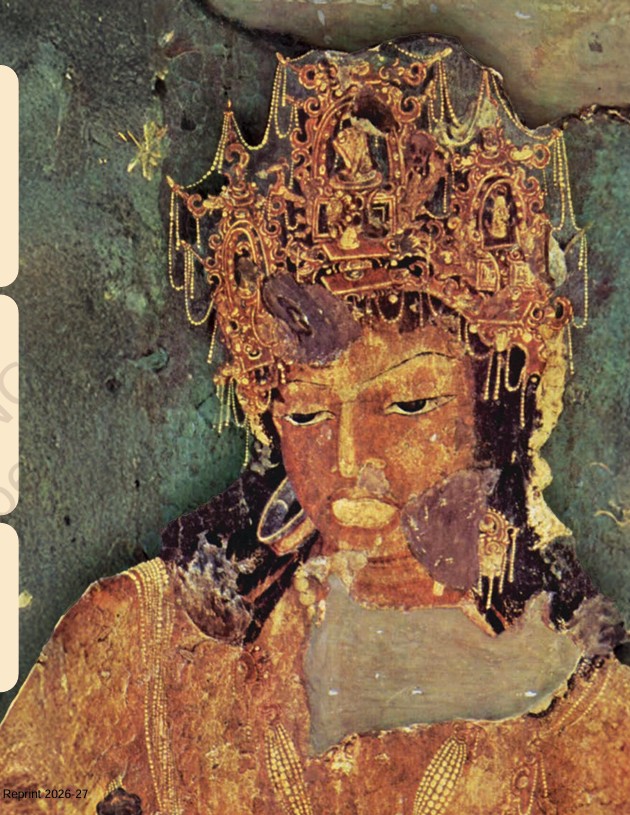
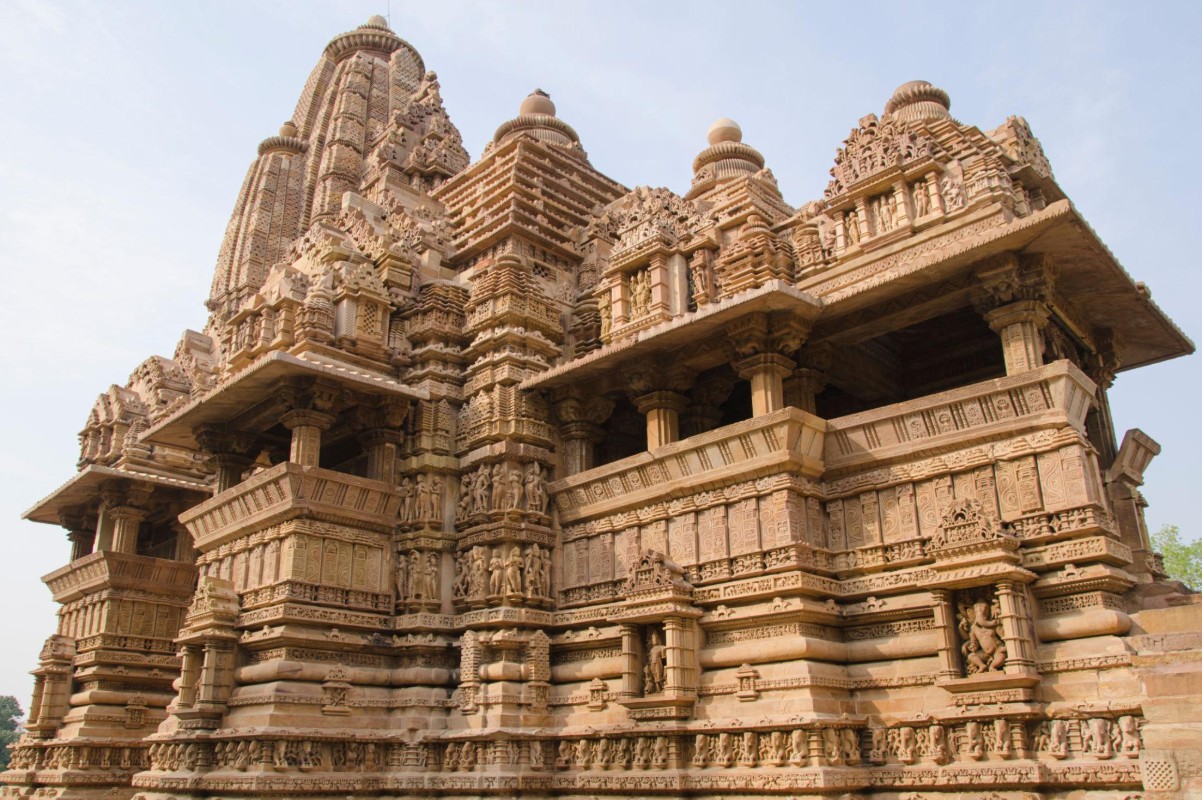
For example, the paintings of Ajanta, the sculptures of the Gupta period, the temples of Khajuraho, and the Mughal miniature paintings provide valuable information about India’s artistic and cultural history.
Importance of Art History:
- Helps us understand the origin and development of different art forms.
- Explains the cultural and historical background of artworks.
- Introduces us to important artists, art movements, and artistic traditions.
- Develops appreciation for the artistic heritage of different societies.
- Helps researchers understand how art reflects changes in human life and civilisation.
2. Museology
Museology is the academic study of museums, their functions, organisation, and management. It focuses on collecting, documenting, preserving, displaying, and interpreting objects of historical, artistic, scientific, and cultural importance.
Museums provide important evidence of Art History because they preserve original artworks, sculptures, manuscripts, paintings, archaeological objects, and traditional crafts. Through exhibitions and educational programmes, museums help visitors learn about the history and cultural significance of these objects.
Major areas of Museology:
1. Museum Management: Involves organising museum activities, maintaining collections, managing staff, planning exhibitions, and ensuring the proper functioning of museums.
2. Museum Education: Helps visitors, students, and researchers understand museum collections through guided tours, workshops, lectures, exhibitions, and educational activities.
3. Conservation: Focuses on protecting artworks and historical objects from damage caused by light, moisture, pollution, insects, and other environmental factors.
4. Restoration: Involves carefully repairing damaged artworks or objects to improve their condition while respecting their original features and historical value.
5. Collection and Documentation: Includes collecting, recording, classifying, and maintaining information about museum objects so that they can be studied and preserved for future generations.
3. Connection Between Art History and Museology
Art History and Museology are closely connected because they work together to study, understand, and preserve artistic heritage. Art History explains the background, development, and meaning of artworks, while Museology provides methods for preserving, managing, and presenting them to the public.
For example, an ancient sculpture displayed in a museum can help an art historian understand the artistic style, materials, religious beliefs, and cultural practices of the period in which it was created. At the same time, museum professionals ensure that the sculpture remains protected and accessible to future generations.
4. Importance of Arts Research and Management
Arts research and management play an important role in protecting cultural identity and preserving the artistic achievements of past generations. They help researchers discover historical information, museums maintain valuable collections, and society develop respect for its cultural heritage.
These disciplines also create career opportunities in museums, art galleries, archives, heritage organisations, research institutions, conservation centres, and cultural organisations.
Disciplines Closely Related to the Visual Arts
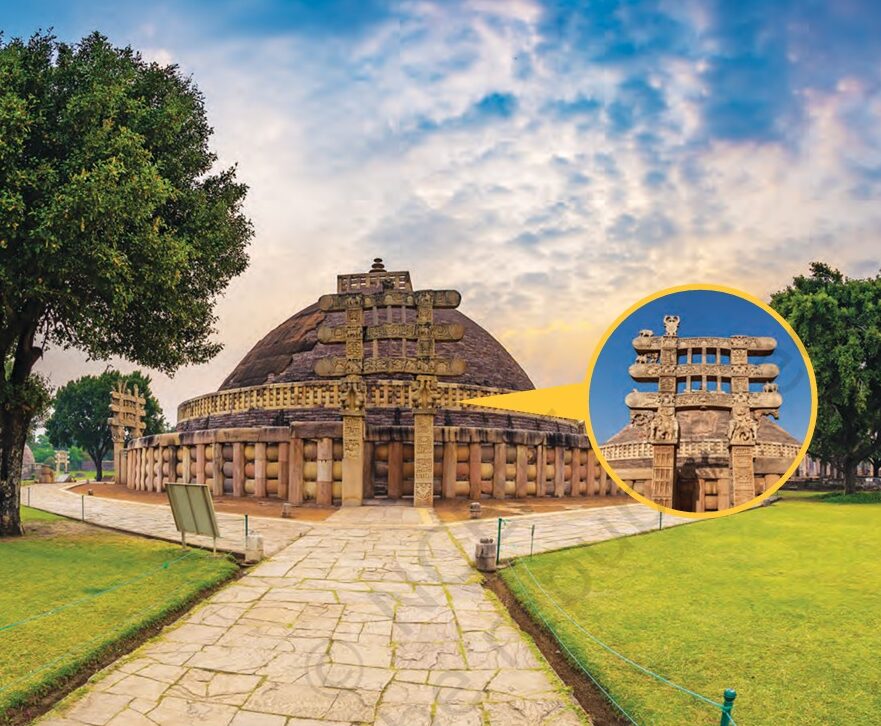
Visual Arts are connected with several other disciplines that combine creativity, knowledge, science, history, and technology. These related fields help us understand how art is created, how it develops, and how it reflects human society and culture. Two important disciplines closely related to Visual Arts are Architecture and Archaeology.
1. Architecture
Architecture is the art and science of designing and constructing buildings and other physical structures. It combines structural engineering, creativity, planning, and design to create buildings for different purposes, such as homes, schools, temples, offices, and public spaces. Architecture also reflects the culture, traditions, lifestyle, and technological development of a society.

2. Archaeology
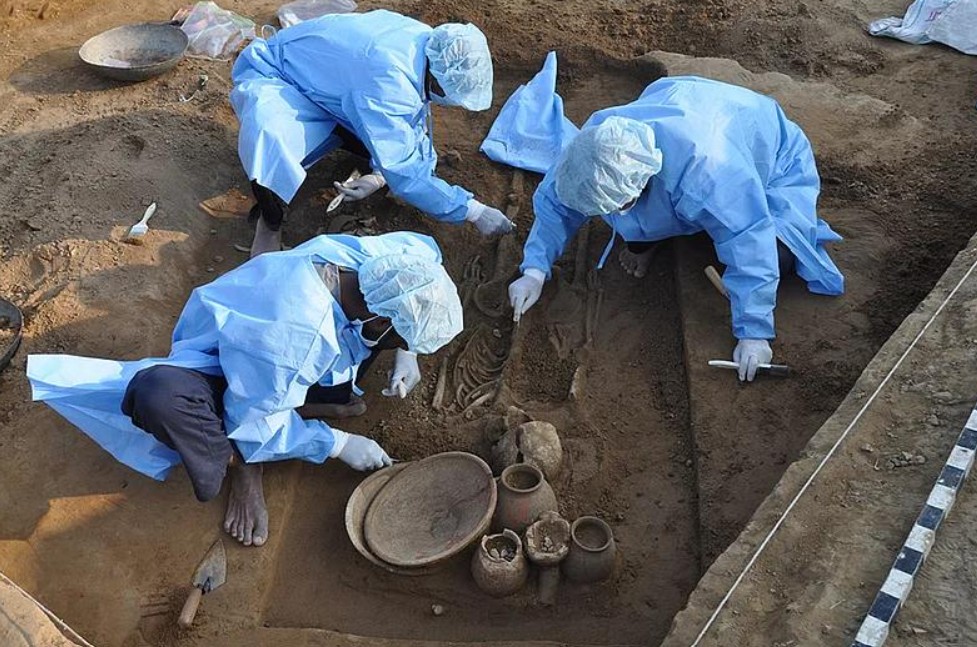
Archaeology is the study of the past through the discovery and examination of artefacts, monuments, tools, pottery, sculptures, inscriptions, and other historical remains. It combines different branches of science and history to understand ancient civilisations, their lifestyles, beliefs, art, and cultural practices. Archaeological discoveries provide valuable evidence about the development of Visual Arts and human civilisation.
Conclusion:
The branches of Visual Arts represent the beauty of human creativity, imagination, knowledge, and artistic expression. Visual Arts play an important role in our everyday lives by helping us communicate ideas, express emotions, preserve cultural traditions, and understand the world around us. Different branches of Visual Arts, such as drawing, painting, sculpture, printmaking, photography, ceramics, architecture, and digital art, provide artists with various opportunities to explore their talents and present their thoughts through creative forms.
Each branch has its own unique techniques, materials, tools, and methods of artistic expression. Drawing and painting allow artists to represent their imagination through lines, colours, shapes, and textures, while sculpture gives physical form to creative ideas using materials such as stone, wood, metal, and clay. Photography captures important moments, emotions, and experiences, whereas printmaking introduces different methods of producing artistic images. Similarly, digital art combines modern technology with traditional artistic skills to create innovative visual experiences.
The study of Visual Arts also helps us understand the relationship between art, history, society, science, and culture. Disciplines such as architecture and archaeology provide valuable knowledge about the artistic achievements and cultural heritage of different civilisations. Museums, galleries, and historical monuments further help preserve and promote artistic traditions for future generations.
Understanding the different branches of Visual Arts encourages creativity, critical thinking, observation, and appreciation of cultural diversity. It also inspires individuals to explore new ideas, develop artistic abilities, and express themselves confidently. Ultimately, Visual Arts are not merely about creating beautiful objects; they are a meaningful way of understanding human experiences, celebrating cultural identity, and connecting the past with the present and future.