
Introduction
Music is an important part of our everyday lives. We experience it through songs, celebrations, festivals, films, performances, prayers, community gatherings, and cultural events. We may connect with music by singing, listening, playing instruments, dancing, composing, or creating rhythms. Music can communicate emotions, ideas, stories, memories, and experiences, sometimes even without the use of words.
Our relationship with music often begins through simple experiences. A lullaby sung by a family member, a folk song heard during a festival, a devotional song, or a favourite film song may become a lasting memory. The music we hear at home, school, and in our community can introduce us to different languages, cultures, traditions, instruments, and musical styles.
Everyone experiences music in a different way. Some people enjoy singing, while others find joy in playing an instrument, dancing, composing, or performing with a group. Participating in music can help us develop creativity, concentration, listening skills, confidence, coordination, discipline, and teamwork. Group performances also teach us to listen to others, follow rhythm, and contribute responsibly to a shared musical experience.
Music can also help us explore our identity and understand the diverse traditions of our country. By listening to different forms of music, we can learn to appreciate both familiar and unfamiliar musical expressions.
How Do You Relate to Music in Your Life?
How do you relate to music in your everyday life? Think about the different ways you experience music at home, at school, during celebrations, while travelling, or when spending time with friends and family.
Today, music can be found in a wide variety of contexts and situations. We hear it in traditional and contemporary songs, films, festivals, advertisements, sports events, public celebrations, social media, and digital platforms. Traditional songs may also be reinterpreted or presented in new ways, while new songs and musical compositions continue to emerge.
Music is therefore all around us. It can entertain us, express emotions, tell stories, communicate ideas, create a sense of identity, and bring people together. The same song may also have different meanings for different people depending on their experiences and memories.
Let us explore some of these diverse contexts of music and think about the different roles music plays in our lives.
To begin our exploration, let us start by singing some popular songs. Listen carefully to the melody, rhythm, lyrics, and expression, and notice what makes each song interesting and memorable.
Traditional Music In Popular Culture
Traditional music is an important part of the cultural heritage of communities. It includes folk songs, devotional music, regional melodies, traditional instruments, and musical practices that have been passed from one generation to another.
Today, traditional music can also be found in popular culture. Musicians and composers may adapt traditional melodies, rhythms, instruments, or lyrics for films, television, advertisements, digital media, and contemporary songs. These reinterpretations can introduce traditional music to new audiences and create connections between heritage and modern musical forms.
For example, folk melodies may be combined with modern instruments and arrangements, while traditional instruments may be used in contemporary music. Sometimes, traditional songs are performed in their original form, while at other times they are modified to suit a new musical setting.
The use of traditional music in popular culture can help preserve, share, and promote cultural traditions. At the same time, it is important to understand the cultural context and significance of the original music and to acknowledge the communities and artists who have preserved these traditions.
Exploring traditional music in popular culture helps us understand how music can adapt, evolve, and reach new audiences while remaining connected to cultural heritage.
There are many examples of traditional music, including folk and devotional songs, that have become part of popular culture. These songs may be adapted for films, television, contemporary music, or other forms of popular media. Such adaptations can introduce traditional musical forms to new audiences and allow more people to appreciate their melodies, rhythms, lyrics, and cultural significance.
When traditional songs are reinterpreted, some elements of the original music may be retained, while others may be changed to suit a new musical style or context. This creates an interesting connection between traditional heritage and contemporary popular culture.
On the next page, we will explore two examples of traditional songs that have become widely popular through new interpretations and adaptations.
Activity 9.1
Nimbooda Nimbooda
“Nimbooda Nimbooda” is a popular song based on the folk musical traditions of Rajasthan. It became widely known through the Hindi film Hum Dil De Chuke Sanam (1999), where it was performed by Kavita Krishnamurti, Karsan Sargathia, and Kumaar Sanu, with music composed by Ismail Darbar.
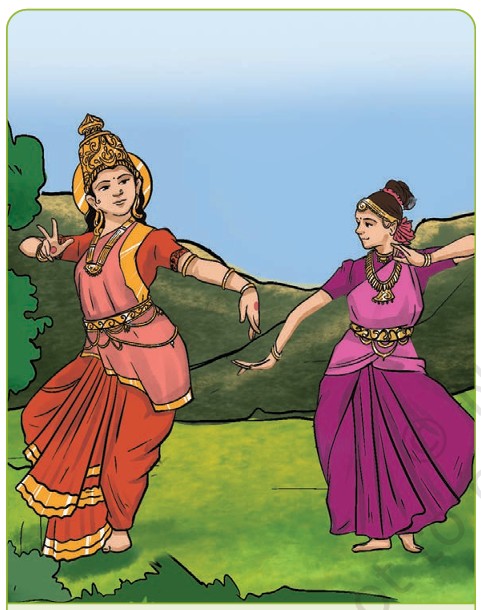
The song uses elements associated with Rajasthani folk music, including traditional melodic patterns, rhythmic energy, and expressive dance movements. Its lively presentation helped introduce the sound and style of Rajasthani folk-inspired music to a wider audience.
The popularity of “Nimbooda Nimbooda” shows how traditional musical influences can be adapted for popular culture, allowing audiences to encounter regional musical traditions through films and contemporary performances.
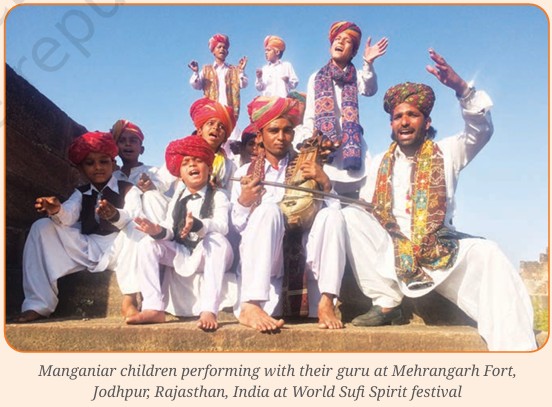
Listen to the traditional and the bollywood version of the song. What do you like about both versions, and how are they different?
Now, learn to sing the song!
1.) Song from Rajasthan
Nimbooda Nimbooda Nimbooda
Arre Kaacha Kaacha Chhota Chhota
Nimbooda Layi Do
Arre Layido Layido Laydo,
Arre Layido Layido Laydo —
Nimboo Layido
Ja Khet Se Hariyala Nimbooda — Layido
Aa Nimboo Layi Layi Layi — Layido
Ah Ha Deewanon Ki Boori
Nazar Se Bachna Ho To Sunlo
Arre Khatto Khatto Nimboo
Tez Churi Se Sar Pe Kaato
Phir Chhota Chhota Nimbooda
Kya Jaadu Karega Dekho
Ki Boori Nazar Vo Khatti Hoyegi
Phir Char Raste Pe Vo Utar Giregi
To Layido Layido Laydo,
To Layido Layido Laydo
2.) Song from Kashmir
Rind posh maal gindney draayi lo lo
shoobi shaabash chaaney pout tchhayi lo lo
Raaz haeniziyaani naaz kya aenzini gardan
ya illaehi chashme badh nish rachhtan
Gaschhi kya kam chaani baargahi lo lo
shoobi shaabash —
Rind posh —
Zaeli vankan baeli yeli laagi shumaar
pache lagnaes gaenzraan lachi ty hazaar
teymi shaayi no maklan paayi lo lo
shoobi shaabash —
kalmoyas tal chhi aeshqae bombaeri
Paelinaafaeyi wolmut mushk adfar
heynzi paeraan tchonzae ty taayi lo lo
shoobi shaabaash —
Ronni goudkuy yaamat bozum saaz
saaz bozney aamut shah e yandraab
Poshmal chham posh kuli daayi lo lo
shoobi shabash —
Rind posh maal
Meaning
The Kashmiri song ‘Rind posh maal’ describes the landscape of Kashmir, which has the beautiful lake, forest, trees, flowers, mountains, etc. The landscape is described to make everyone appreciate and know about its beauty.
Applications Of Music
Music is used in many different contexts and situations in our everyday lives. It is not limited to entertainment or performances; it can also support communication, education, cultural activities, and social interaction.
Music is used in films, television programmes, advertisements, theatre, dance performances, festivals, ceremonies, and public events. It can help create a particular mood, express emotions, support storytelling, and make an experience more memorable.
Music also has an important role in education. Songs, rhythm, and musical activities can make learning more engaging and help students develop listening, memory, coordination, creativity, and confidence. In communities, music can bring people together through celebrations, cultural programmes, and shared traditions.
Music is also used in devotional and spiritual practices, including prayers, bhajans, kirtans, qawwalis, and other forms of devotional singing. Traditional and folk music helps preserve cultural knowledge and connects people with their regional heritage.
In modern life, music is widely available through radio, television, streaming platforms, social media, mobile applications, and digital media. It can be enjoyed individually or collectively and can connect people across different regions and cultures.
Exploring the applications of music helps us understand how music can communicate, educate, entertain, preserve traditions, support artistic expression, and bring people together.
Activity 9.2: Create a Jingle
A jingle is a short, catchy piece of music used to promote a product, service, event, idea, or social message. Jingles are commonly heard in advertisements and are designed to be easy to remember and enjoyable to hear. They often combine simple words, a memorable melody, rhythm, and repetition.
In this activity, create your own jingle based on a topic of your choice. You may choose a product, school activity, environmental message, health message, festival, or community event. Begin by thinking of the main message you want to communicate. Then create a short slogan and develop simple lyrics around it.
Choose a suitable melody, rhythm, and tempo for your jingle. You can use clapping, body percussion, or simple musical instruments to create an interesting rhythmic pattern. Try repeating an important word or phrase so that the message becomes memorable.
You may create the jingle individually or in a small group. Practise it several times and perform it for the class. Listen carefully to your classmates’ jingles and discuss how their choice of words, melody, rhythm, repetition, and expression helps communicate their messages.
Finally, reflect on your jingle and identify what makes it catchy, clear, creative, and memorable.
Music And Climate Change
Music can play an important role in raising awareness about climate change and environmental protection. Songs, performances, and musical campaigns can communicate messages about nature, changing weather patterns, pollution, biodiversity, and the importance of caring for our planet. Because music can reach people emotionally, it can make environmental messages easier to remember and share.
Musicians and artists around the world have created songs and performances that encourage people to think about climate change, conservation, sustainable living, and environmental responsibility. Music can also bring communities together for concerts, campaigns, and educational programmes that support environmental causes.
Traditional and folk music can provide another connection between music and the environment. Many traditional songs reflect relationships between people, land, forests, rivers, seasons, animals, and agricultural life. Exploring these songs can help us understand how communities have observed and expressed their relationship with nature.
Music can therefore be used not only for entertainment but also as a means of communication, education, inspiration, and social participation. By creating or performing an environmental song, students can express their ideas about climate change and encourage others to think about how individual and collective actions can help protect the environment.
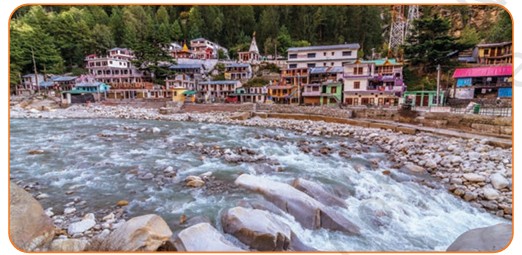
Today, climate change and global warming are major environmental challenges that can affect people, ecosystems, and the planet. Addressing these challenges requires action at both the individual and collective levels. We can all contribute by adopting responsible practices and helping to protect the natural environment.
Music can be an effective way to raise awareness about environmental issues. Songs, performances, and musical campaigns can draw attention to the importance of protecting plants, animals, birds, rivers, forests, and other natural resources. Music can communicate ideas in an engaging way and encourage people to think about their relationship with nature.
The Namami Gange Programme is an initiative of the Government of India aimed at the conservation and rejuvenation of the River Ganga. Music has also been used to communicate messages associated with the programme. A theme song titled “Namami Gange” is available online.
Listen and Reflect
Search for the “Namami Gange” theme song online and listen to it carefully. Pay attention to its lyrics, melody, rhythm, instruments, and overall mood.
After listening, discuss: How does the song communicate the importance of protecting the environment and the River Ganga?
Activity 9.3: Write A Song For Change
Music can be a powerful way to express ideas, raise awareness, and inspire positive action. In this activity, write a short song about an issue that matters to you and suggest ways in which people can contribute to positive change.
Choose a topic such as climate change, protecting nature, saving water, reducing waste, kindness, equality, or caring for animals. Think about the message you want your song to communicate. Write simple lyrics that express your ideas clearly and positively.
Create a suitable melody, rhythm, and tempo for your song. You may include repetition, rhyme, or a memorable chorus to make the song engaging. You can also use clapping, body percussion, or simple musical instruments to accompany your performance.
You may write and perform the song individually or in a group. After practising, present it to the class and listen to the songs created by your classmates.
Finally, discuss how music can communicate important messages, connect people, raise awareness, and encourage positive action in our communities.
Careers In Music Or Options To Make Music A Part Of Your Life
Music offers many opportunities for learning, creativity, performance, and professional work. People with an interest in music can explore different careers according to their skills, interests, and training. Some may choose to become singers, instrumentalists, composers, lyricists, music teachers, music producers, sound engineers, conductors, or music researchers. Others may work in areas such as film and television music, theatre, radio, digital media, music production, or arts administration.
A career in music usually requires regular practice, training, discipline, creativity, and a willingness to continue learning. Students can develop their musical abilities by learning an instrument, practising singing, joining a choir or ensemble, attending performances, and participating in music-related activities.
Music does not have to be a full-time career to become an important part of life. People can enjoy music as a hobby, creative activity, form of relaxation, or way of connecting with others. They can sing, play an instrument, listen to different musical traditions, compose songs, create playlists, or participate in community performances.
1. Sound Engineer
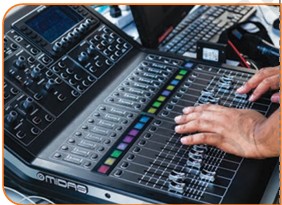
A sound engineer, also known as an audio engineer, is a professional who works with sound for live performances, recordings, films, television, radio, podcasts, and digital media. Sound engineers are responsible for recording, mixing, editing, and reproducing sound to ensure that it is clear and well balanced.
They use equipment such as microphones, speakers, mixing consoles, amplifiers, headphones, and audio software to capture, adjust, and control sound. During a performance, they monitor the sound carefully and make necessary adjustments to maintain good audio quality.
Sound engineers work closely with singers, musicians, performers, producers, and other members of a production team. Their work requires good listening skills, technical knowledge, creativity, concentration, and attention to detail.
A career as a sound engineer can be exciting for students who are interested in music, technology, recording, and audio production. With training and regular practice, they can work in many areas of the entertainment and media industry.
2. Music Producer
A music producer plays an important role in creating and developing songs, albums, and other musical projects. A producer works closely with singers, musicians, composers, lyricists, and sound engineers to help turn a musical idea into a finished recording.
The music producer helps artists develop their musical ideas and works to bring their creative vision to life. They may help decide the arrangement, instruments, tempo, style, and overall sound of a song. They may also guide the recording process and work with the sound engineer during recording, editing, mixing, and production.
A music producer carefully listens to the music and suggests changes that can improve its quality, clarity, expression, and overall impact. They also help ensure that the final recording reflects the artist’s ideas and meets the goals of the musical project.
A career as a music producer requires creativity, musical knowledge, communication skills, technical understanding, teamwork, and attention to detail. It can be an exciting career for students interested in music and technology.
3. Event Manager
An event manager is responsible for planning, organising, and coordinating events such as live concerts, music festivals, cultural programmes, and other performances. They help manage different aspects of an event and ensure that everything is properly arranged before and during the programme.
An event manager may be responsible for contacting and selecting artists, coordinating with performers, promoting the event, and managing ticket sales and sponsorships. They also work with different teams to arrange important requirements such as the venue, stage, sound system, lighting, seating, security, and other technical facilities.
During the event, the manager monitors the arrangements and coordinates with artists, technicians, organisers, and other staff to ensure that the programme runs smoothly. They may also handle unexpected problems and make quick decisions when necessary.
A career in event management requires organisation, communication, leadership, creativity, teamwork, problem-solving, and time-management skills. It can be an exciting career for students interested in music, entertainment, planning, and working with people.
4. Music Therapist
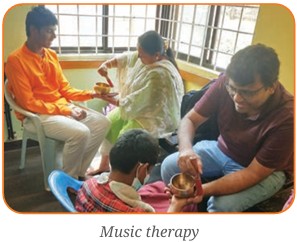
A music therapist is a trained professional who uses music as part of therapeutic activities to support the physical, emotional, cognitive, and social well-being of people. Music therapy may be used to help individuals manage stress, express emotions, develop communication skills, support rehabilitation, and improve overall well-being.
Depending on the needs of a client, a music therapist may create music, select suitable songs or ragas, play musical instruments, sing, or guide clients in listening and responding to music. Activities are planned according to the individual’s needs and are carried out in a supportive environment.
Music therapy is an interdisciplinary field that connects music, psychology, health sciences, and therapeutic practice. Researchers continue to study how structured musical activities may support people in different healthcare and educational settings.
A career in music therapy requires musical skills, communication, empathy, patience, creativity, and relevant professional training. It can be an interesting field for students who are interested in the relationship between music, human well-being, and science.
5. Music Educator
A music educator is a professional who teaches music to students in schools, colleges, universities, music institutions, conservatories, and online learning programmes. Music educators help learners develop their knowledge, skills, creativity, and appreciation of music.
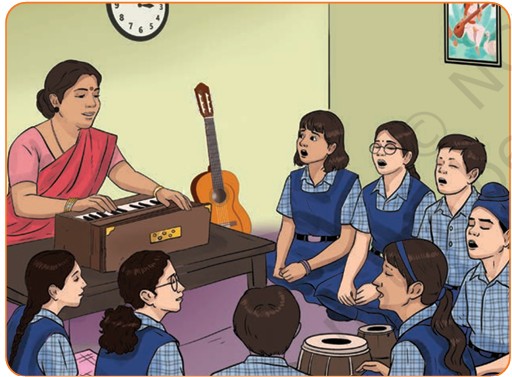
A music educator may teach a group of students, a choir, or an ensemble, while some educators provide individual lessons based on the learner’s interests and abilities. They may teach singing, musical instruments, rhythm, melody, notation, music theory, and different musical traditions.
Music can also be used as a creative teaching tool in other subjects. For example, educators may use songs, rhythm, and musical activities to help students understand concepts related to mathematics, languages, science, and other areas of learning.
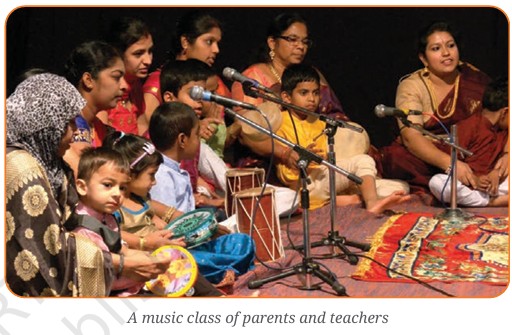
To become a successful music educator, a person needs good musical knowledge, appropriate training, communication skills, patience, creativity, and enthusiasm for teaching. They should enjoy working with people and encourage students to explore and express themselves through music. A career in music education can be both creative and rewarding.
Activity 9.4: Research Careers In Music
Music offers many interesting career opportunities beyond singing and playing musical instruments. In this activity, research different careers related to music and discover the skills, education, and responsibilities associated with each profession.
Choose one or more music-related careers and find information about them. You may explore careers such as sound engineer, music producer, event manager, music therapist, music educator, composer, lyricist, conductor, music researcher, music journalist, recording artist, or music technologist.
You can use books, newspapers, reliable websites, interviews, documentaries, or information from music institutions as sources. If possible, speak to a musician, music teacher, or other music professional.
Prepare a short report, poster, presentation, or career profile and share your findings with the class. Discuss how different music careers contribute to the creation, teaching, performance, production, preservation, and appreciation of music.
Activity 9.5: Behind The Scenes
When we listen to a song, watch a concert, or attend a musical performance, we usually notice the singers, musicians, and performers on stage. However, a successful musical production involves many people working behind the scenes.
Sound engineers, music producers, event managers, technicians, stage managers, lighting professionals, recording teams, and other specialists work together to make a performance possible. They may be responsible for sound, recording, lighting, stage arrangements, equipment, scheduling, artist coordination, and technical support.
Behind-the-scenes professionals often work before, during, and after a performance. They carefully plan and coordinate their tasks so that artists can perform comfortably and audiences can enjoy a good musical experience. Their work requires teamwork, communication, technical knowledge, creativity, concentration, and problem-solving skills.
Ustad Amjad Ali Khan’s Concert
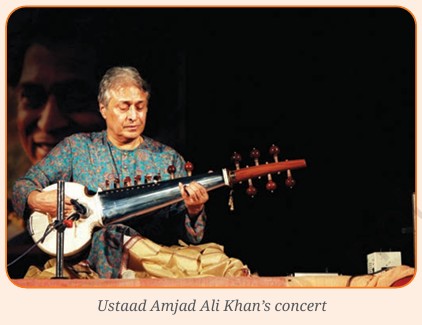
Ustad Amjad Ali Khan is one of India’s most renowned sarod players and a leading exponent of Hindustani classical music. Born in 1945 in Gwalior, he received musical training from his father, Ustad Haafiz Ali Khan, and began performing at a young age.
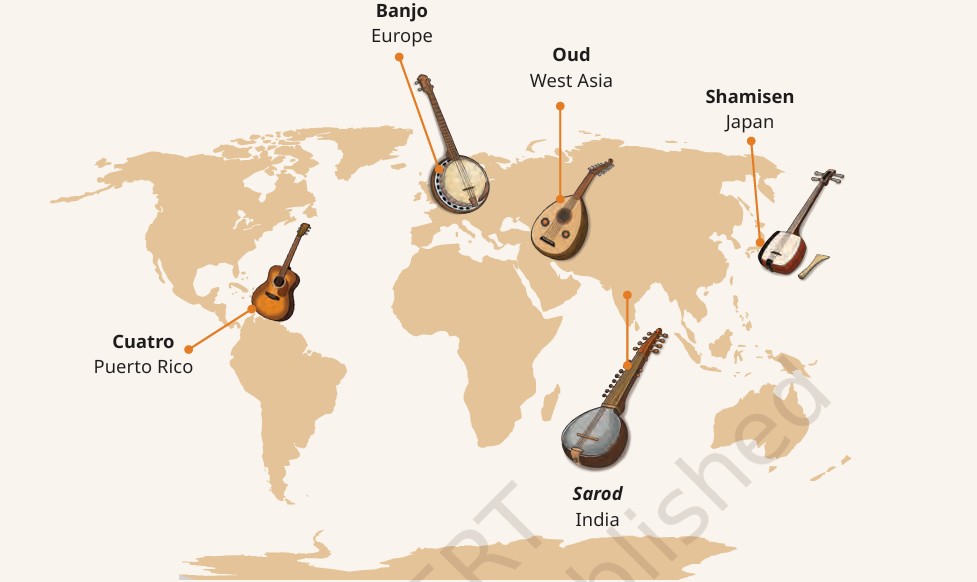
The sarod is a fretless plucked string instrument known for its deep and resonant sound. During a concert, Ustad Amjad Ali Khan explores the melodic possibilities of the instrument through raga, rhythm, improvisation, and expressive playing. His performances demonstrate the importance of pitch, timing, musical sensitivity, and years of dedicated practice.
A successful concert also depends on many people working behind the scenes. Sound engineers manage microphones and sound levels, while event organisers and stage technicians coordinate the venue, lighting, seating, instruments, and other arrangements.
Such concerts give audiences an opportunity to experience the beauty of Indian classical music and appreciate the combined efforts of artists, accompanying musicians, technicians, and organisers.
Activity 9.6: Event Promotion
Learn how a music event is organised and promoted by volunteering to assist a local musician, music presenter, or event organiser. Refer to your Grade 7 Music textbook if you need help understanding the different stages of planning an event.
First, identify a musician or organiser you would like to work with. With permission from your school and parents/guardians, approach them and ask if you can volunteer at an upcoming event.
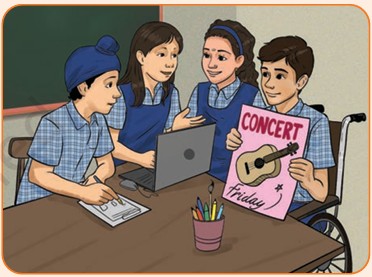
Prepare a promotional plan for the event. Think about how you can collect accurate information and share it in ways that would interest people of your age. Consider both online and offline promotion, such as social media, posters, announcements, school networks, local community groups, or a small contest to create interest.
Event promotion is an important part of organising a successful music concert, festival, or cultural programme. It involves informing people about the event and encouraging them to attend. Effective promotion helps an event reach the right audience and creates interest before the programme begins.
Event organisers may use posters, banners, newspapers, radio, television, websites, social media, and digital advertisements to share information. Promotional materials usually include details such as the name of the event, artists, date, time, venue, ticket information, and contact details.
Organisers may also create short videos, interviews, announcements, or social media posts to attract audiences. They need to present the event in an appealing and accurate way while giving clear information.
Promotion may also involve working with sponsors, media organisations, cultural institutions, and community groups. A well-planned promotional campaign can increase attendance and help create awareness about the artists and the musical programme.
Event promotion combines communication, creativity, planning, technology, and teamwork to connect a musical event with its audience.
Conclusion
Event promotion plays an important role in making a music event successful. It helps connect artists and performers with their audience and creates awareness and excitement about the programme. Through posters, announcements, social media, digital platforms, and community networks, organisers can reach different groups of people.
Planning and promoting an event also helps students understand the behind-the-scenes work involved in a musical performance. By volunteering at a local event, students can develop practical skills in communication, teamwork, creativity, organisation, planning, and problem-solving.
Most importantly, such experiences show that a successful musical event is the result of the combined efforts of artists, organisers, technicians, volunteers, sponsors, and audiences. By participating in these activities, students can gain a deeper appreciation of music and discover the many exciting opportunities available in the world of music.