
Introduction
Visual Arts is a broad and beautiful field of creative expression that uses images, colours, shapes, lines, textures, materials, and visual forms to communicate ideas, emotions, stories, and experiences. It allows people to express their thoughts, feelings, imagination, and understanding of the world through what they create and see. Visual arts play an important role in human life because they help us appreciate beauty, understand different cultures, preserve traditions, and share ideas without always using words.
Drawing, painting, sculpture, crafts, printmaking, collage, photography, and digital art are some of the major forms of visual arts. Each form offers unique opportunities for creativity and self-expression. Drawing helps artists represent objects, people, and places through lines and shapes. Painting brings life to ideas through colours and brushstrokes. Sculpture transforms materials such as clay, stone, wood, and metal into three-dimensional forms. Crafts encourage the creative use of different materials, while printmaking and collage allow artists to experiment with patterns, textures, and compositions. Photography captures moments and memories, whereas digital art uses modern technology to create imaginative visual experiences.
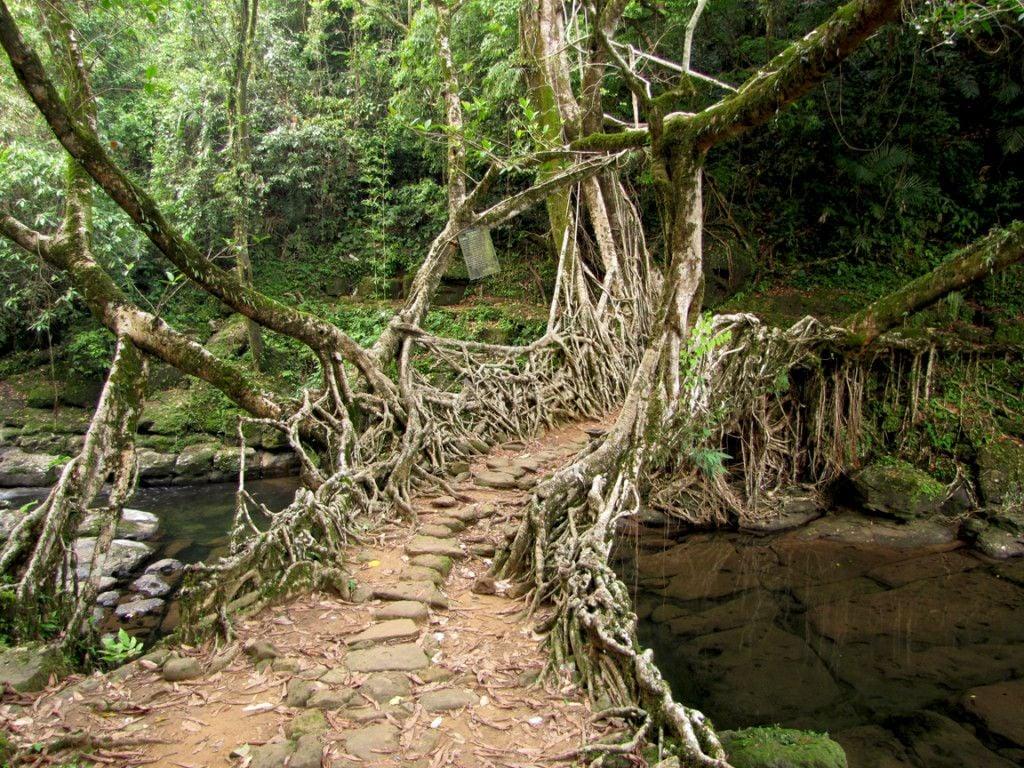
Visual arts are inspired by both nature and everyday life. Flowers, trees, birds, rivers, mountains, people, festivals, buildings, and ordinary household objects can become sources of artistic inspiration. By carefully observing their surroundings, artists discover interesting patterns, colours, forms, and details that might otherwise go unnoticed. Art also provides an opportunity to explore personal experiences, cultural identities, historical events, and social issues.
Learning visual arts develops observation, imagination, concentration, patience, problem-solving, and fine motor skills. It encourages learners to experiment with materials, explore new techniques, express their individuality, and appreciate different artistic styles. There is no single way to create art; every person can develop a unique style based on their ideas, experiences, and imagination.
In conclusion, visual arts are much more than the creation of beautiful pictures or objects. They are a powerful means of communication, learning, cultural expression, and personal discovery. By exploring different forms of visual arts, learners can develop their creative abilities, understand the world from new perspectives, and find beauty in both ordinary and extraordinary things. Visual arts remind us that creativity has no boundaries and that every individual has the ability to observe, imagine, create, and express something meaningful.
Definition
Visual Arts refers to creative activities and art forms that are primarily experienced through sight. Artists use different materials, techniques, and visual elements to create artworks and express their thoughts, feelings, imagination, and cultural experiences.
Major Forms of Visual Arts
Visual arts include many forms of creative expression that allow people to communicate their thoughts, feelings, ideas, and experiences through visual elements. Each form has its own techniques, materials, and artistic possibilities. From drawing simple lines to creating detailed paintings, beautiful sculptures, and colourful paper crafts, every art form helps develop imagination, observation, and creativity. Let us explore some major forms of visual arts and understand their importance.
1. Drawing
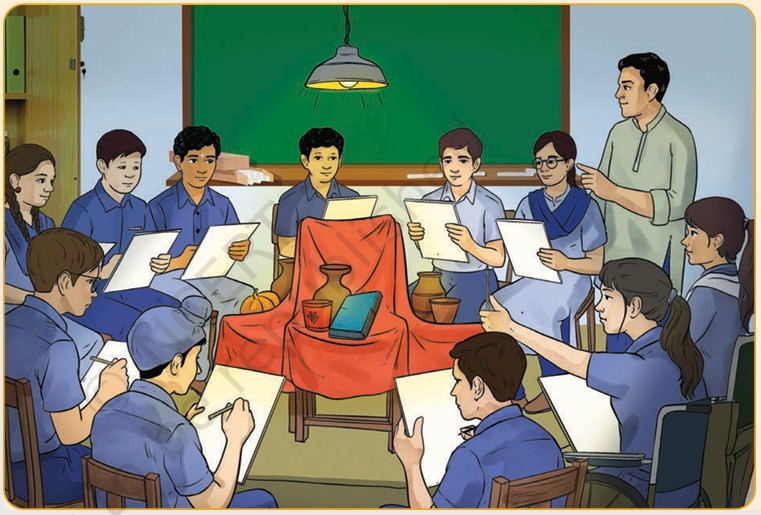
Drawing is one of the most basic and important forms of visual arts. It uses lines, shapes, shading, patterns, and details to represent objects, people, animals, places, and imaginative ideas. Artists can draw using pencils, charcoal, crayons, pens, pastels, and other drawing materials.
Drawing helps learners observe the world carefully and understand the shapes, sizes, proportions, and details of different objects. It also develops hand-eye coordination, concentration, patience, and the ability to express ideas visually. From simple sketches to detailed illustrations, drawing provides a foundation for exploring many other forms of art.
2. Painting
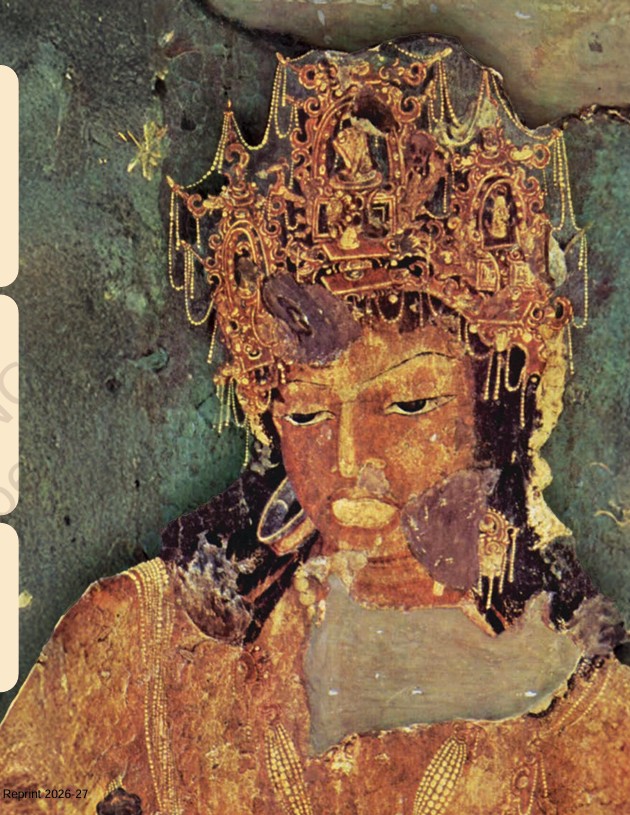
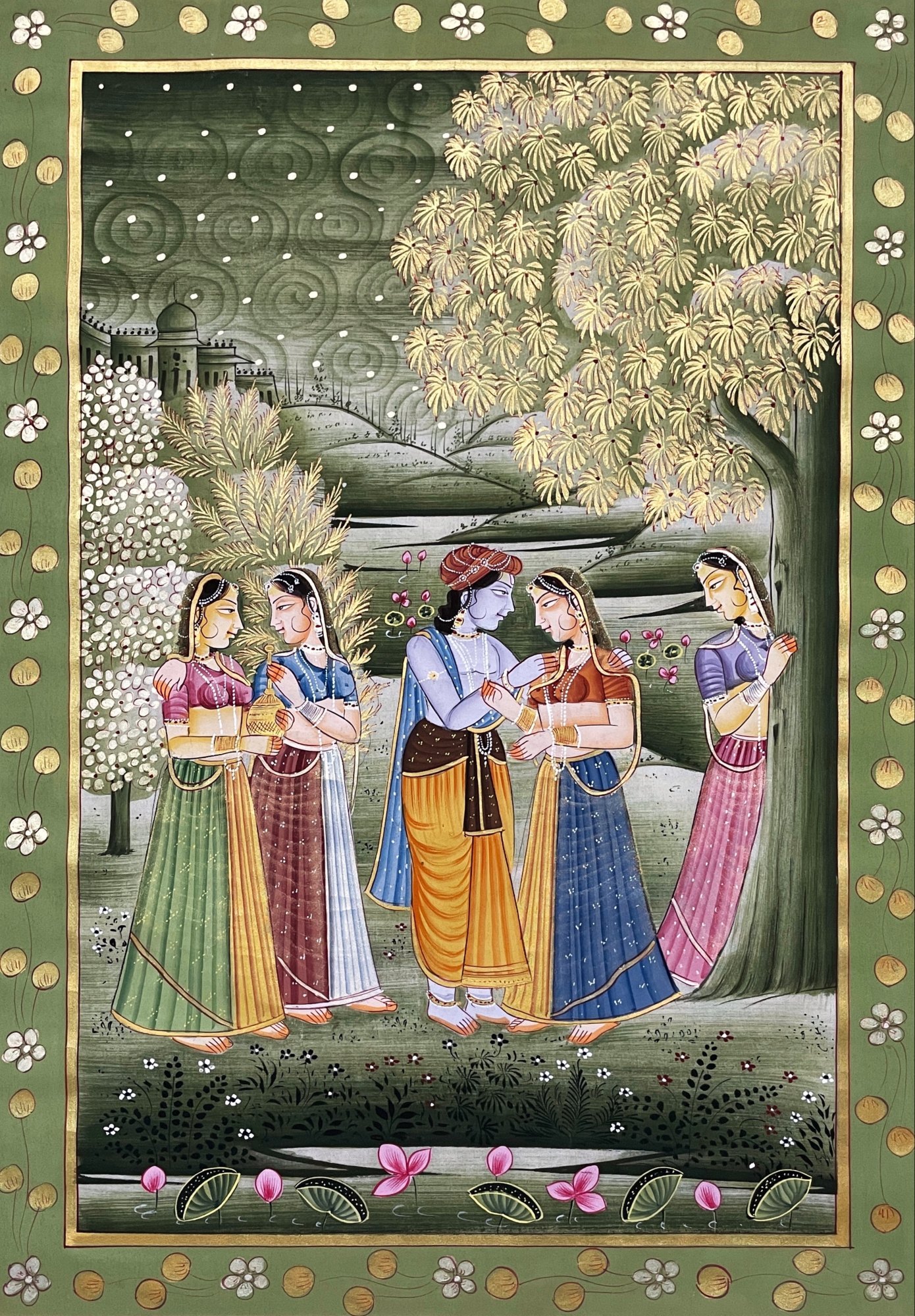
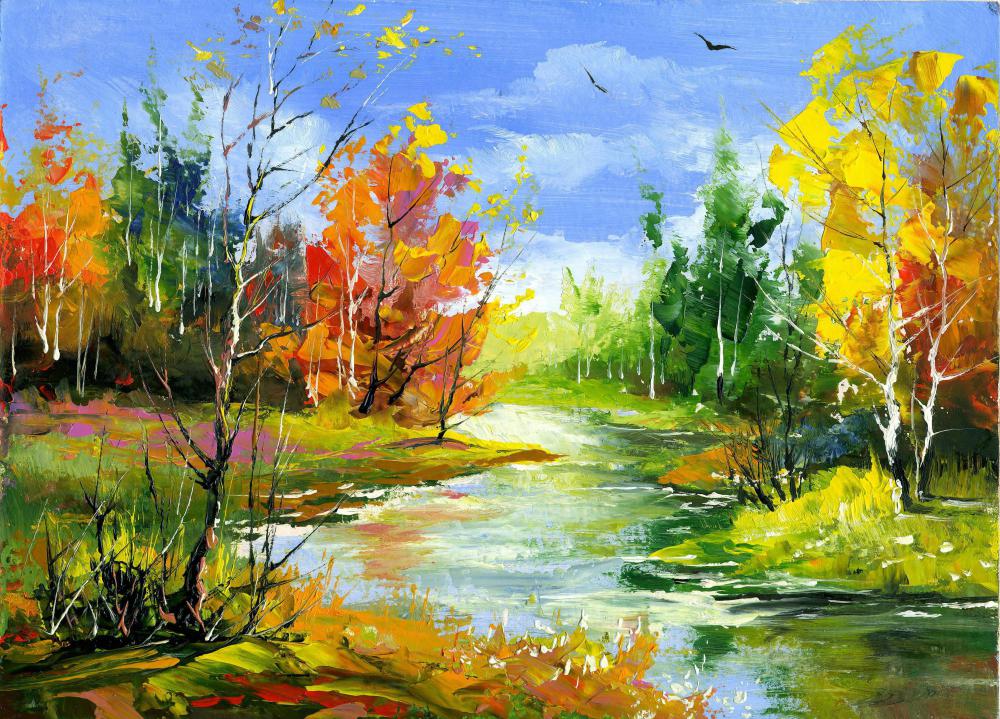
Painting is a creative art form that uses colours, brushes, and other tools to produce pictures, patterns, and expressive artworks on different surfaces. Artists may use watercolours, poster colours, acrylics, oils, and other suitable painting materials on paper, canvas, wood, walls, or fabric.
Colours play an important role in painting because they can express emotions, create different moods, and bring life to an artwork. Artists experiment with colour combinations, light and shadow, textures, and brushstrokes to communicate their ideas. Painting also encourages imagination and allows learners to express their personal experiences and interpretations of the world.
3. Sculpture
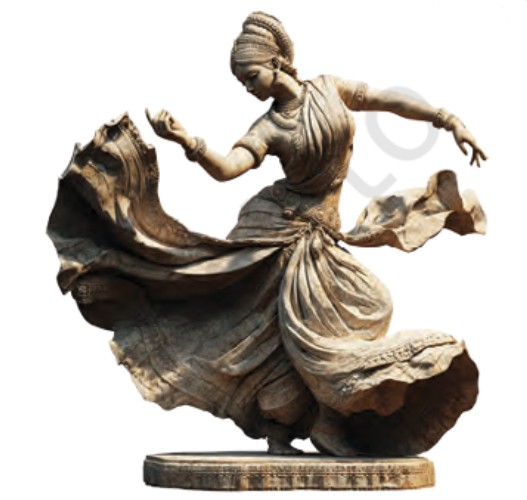
Sculpture is a three-dimensional form of visual art that creates objects with height, width, and depth. Artists shape, carve, model, assemble, or combine materials such as clay, stone, wood, metal, and other suitable materials to produce sculptures.
Sculptures may represent human figures, animals, religious figures, natural forms, or abstract ideas. They can be displayed in homes, museums, temples, gardens, and public spaces. Sculpture helps learners understand form, balance, proportion, texture, and space. It also encourages practical skills, creative thinking, and experimentation with different materials.
4. Paper Crafts
Paper crafts involve transforming paper into creative and decorative artworks through folding, cutting, weaving, rolling, tearing, layering, and arranging. Materials such as coloured paper, newspapers, cardboard, and handmade paper can be used to create a wide variety of objects.
Examples of paper crafts include origami, paper flowers, greeting cards, paper masks, decorative designs, collages, and paper sculptures. These activities encourage learners to explore shapes, patterns, colours, and textures while developing fine motor skills, patience, and problem-solving abilities. Paper crafts are also an enjoyable way to reuse materials and create attractive artworks with simple resources.
Examples include:
- Paper Folding
- Paper Cutting
- Paper Weaving
- Paper Collage
“रूपभेदः प्रमाणानि
भावलावण्य्योजिम्।
सादृश्ययं वनणणिकाभयंग
इनि नित्यं षडयंगकम् ।।”
Rūpabhedāḥ pramāṇāni
bhāvalāvaṇyayojanam
Sādṛśyaṃ varṇikābhaṅgaṃ iti
chitraṃ ṣhaḍaṅgakam
Meaning :-
The six limbs of art are:
• Knowledge of appearance,
• Proportion,
• Emotions,
• Aesthetics,
• Similarity,
• Skillful use of tools and
colours.
Source: Vishnudharmottara Purana