
Introduction
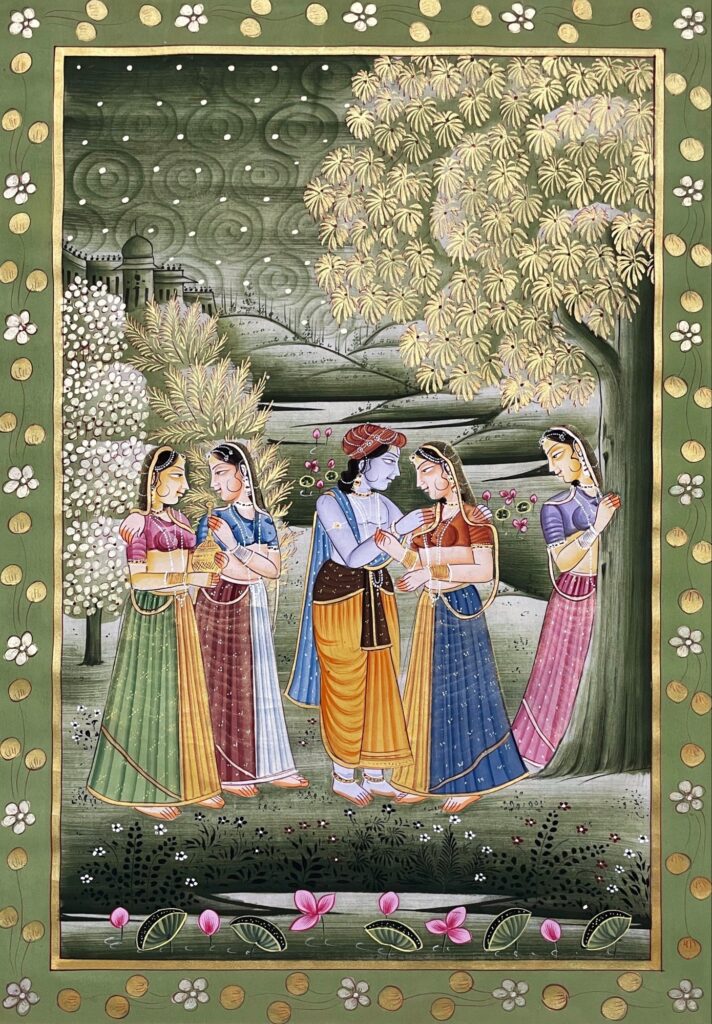
Portraying People is one of the most important subjects in visual arts. It is the practice of creating artistic representations of human beings through drawing, painting, sculpture, photography, or digital art. Artists observe a person’s facial features, body proportions, posture, expressions, clothing, and emotions to create realistic or imaginative artworks. This art form helps communicate personality, culture, identity, and stories through visual expression.
Definition
Portraying People is the art of representing human figures by capturing their appearance, facial expressions, body language, emotions, and character using various artistic techniques and media.
Objectives
- Develop observation skills.
- Improve drawing and painting techniques.
- Understand human anatomy and body proportions.
- Express emotions and personality through art.
- Build creativity and artistic confidence.
Importance of Portraying People
- Enhances observation and attention to detail.
- Helps artists understand human emotions.
- Preserves memories and cultural identity.
- Develops creativity and imagination.
- Improves artistic and technical skills.
- Encourages self-expression.
Elements of Portraying People
1. Facial Features
- Eyes
- Nose
- Mouth
- Ears
- Eyebrows
- Hair
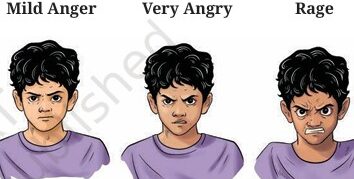
2. Facial Expressions
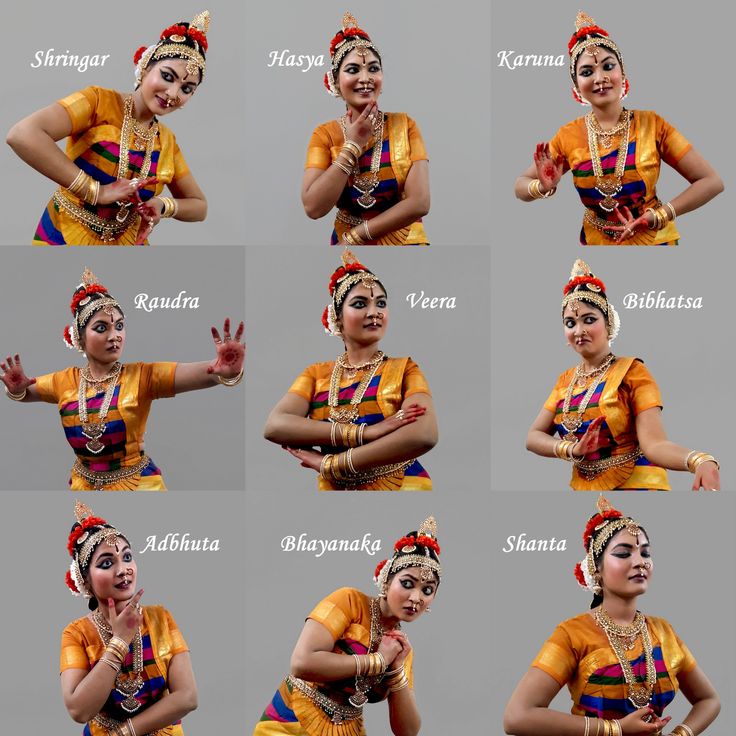
Artists use expressions to communicate emotions such as:
- Happiness
- Sadness
- Anger
- Fear
- Surprise
- Excitement
- Confidence
- Thoughtfulness
3. Body Proportions
Understanding the correct proportions of the head, arms, legs, hands, and torso helps create balanced and realistic human figures.
4. Body Language
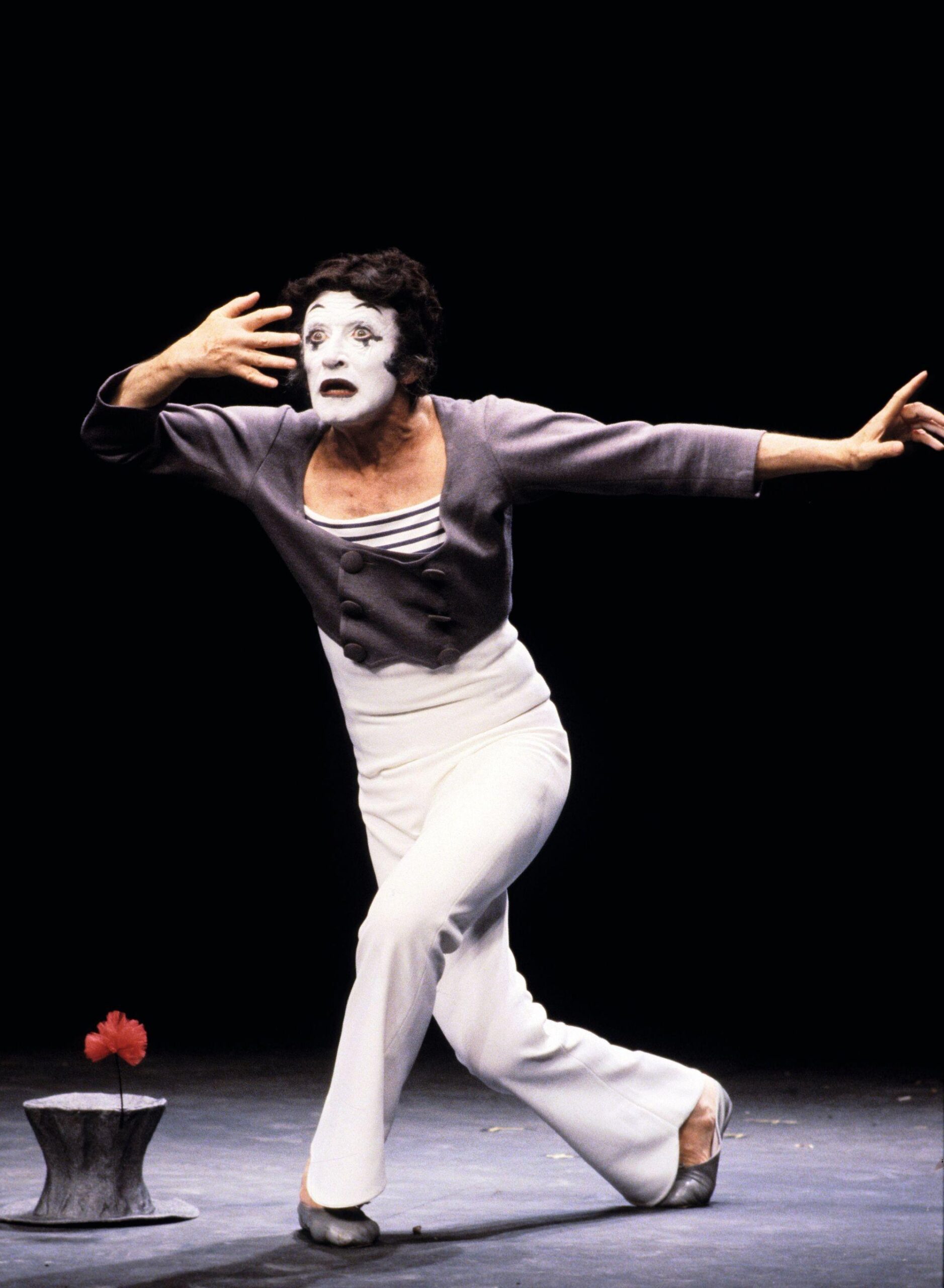
Body posture and gestures help express actions and emotions, such as:
- Standing
- Sitting
- Walking
- Running
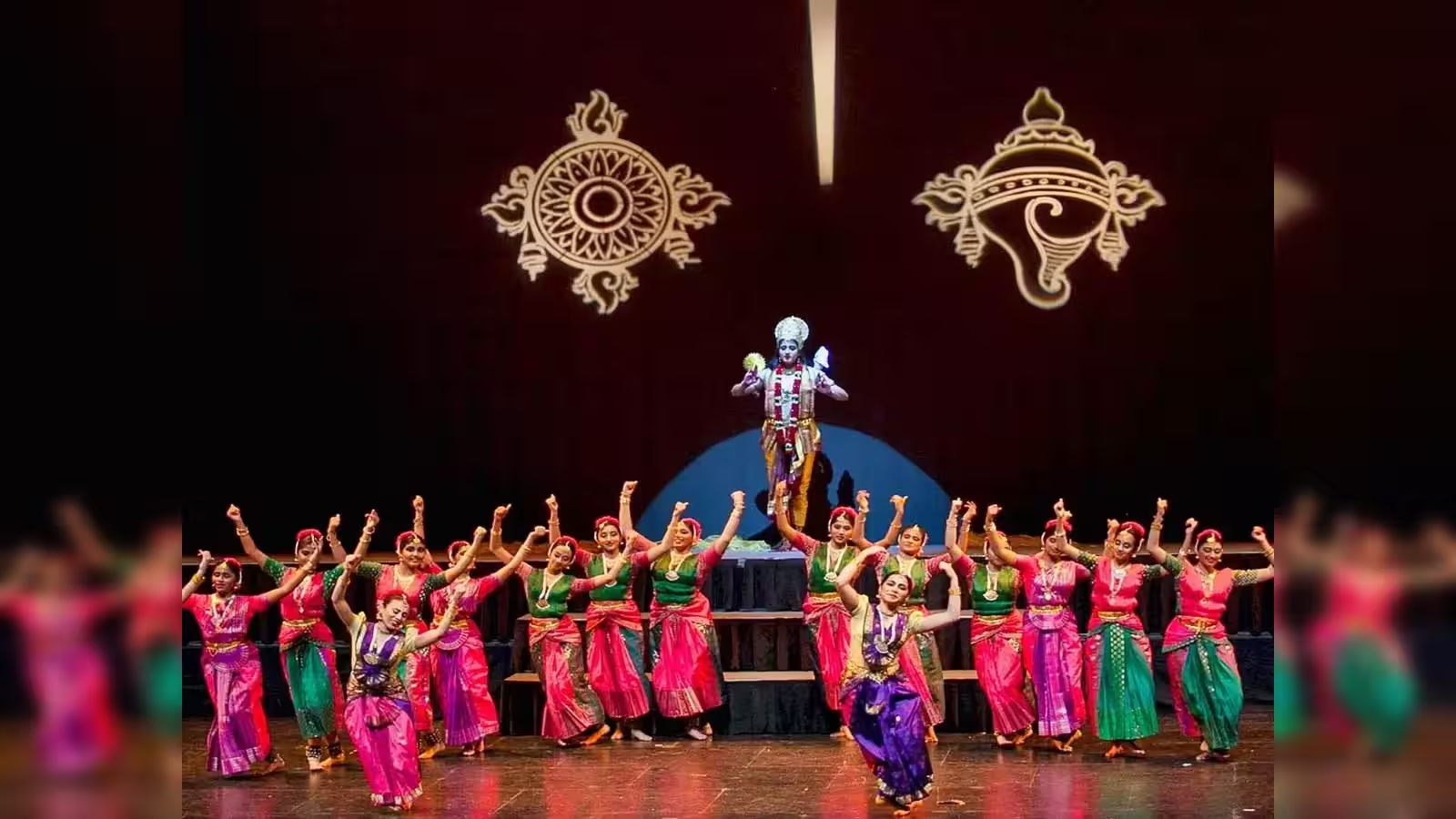
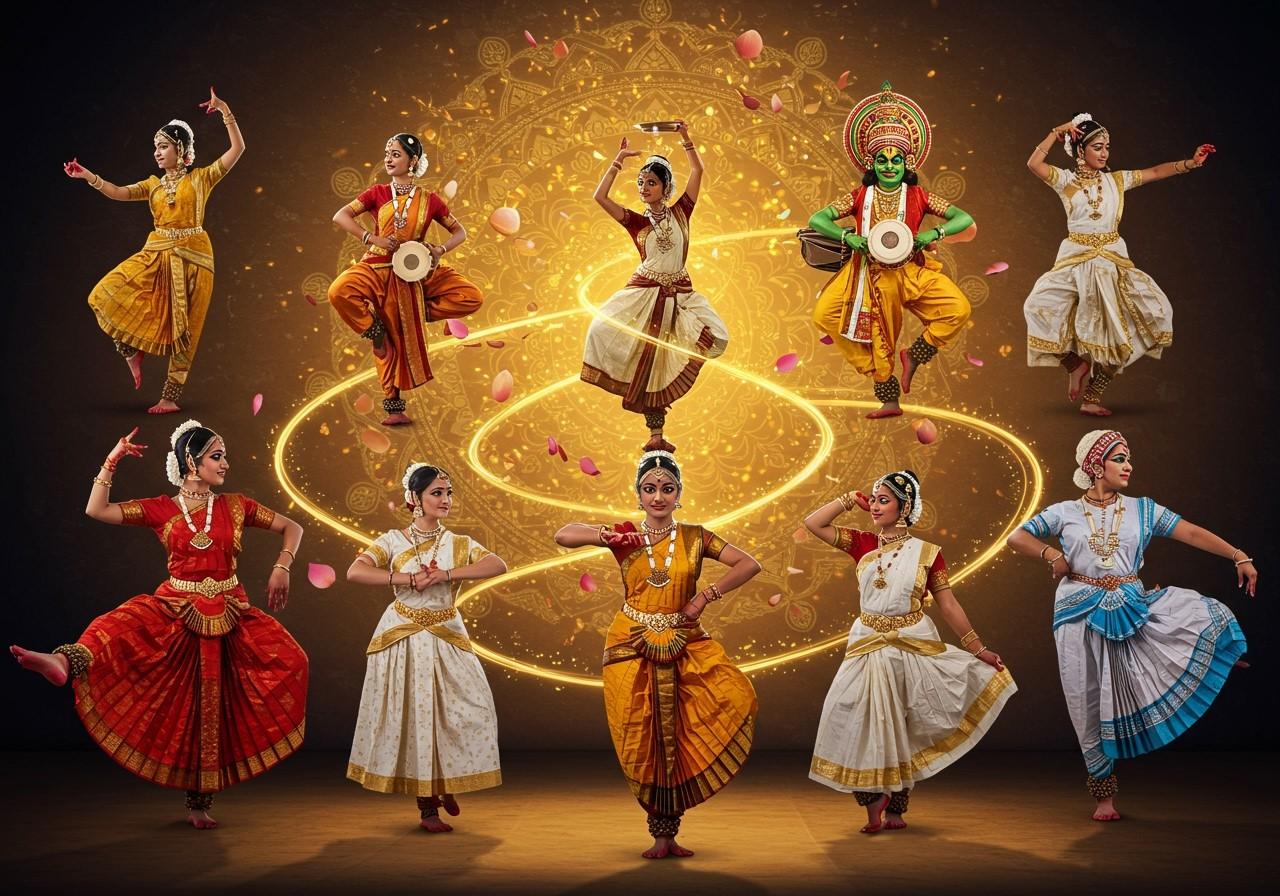
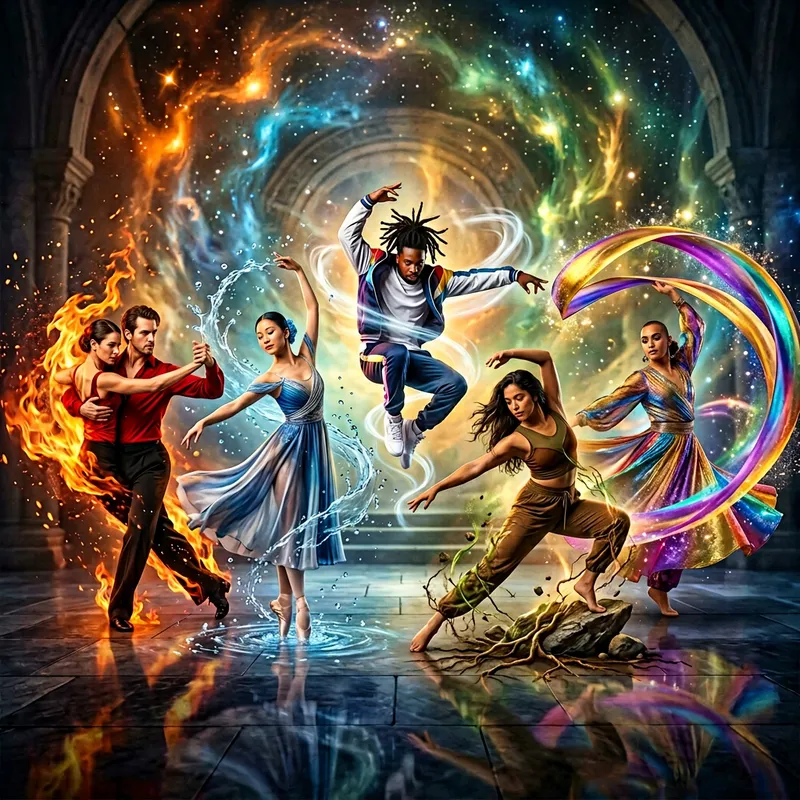
- Dancing
- Working
- Reading
- Playing
5. Clothing and Accessories
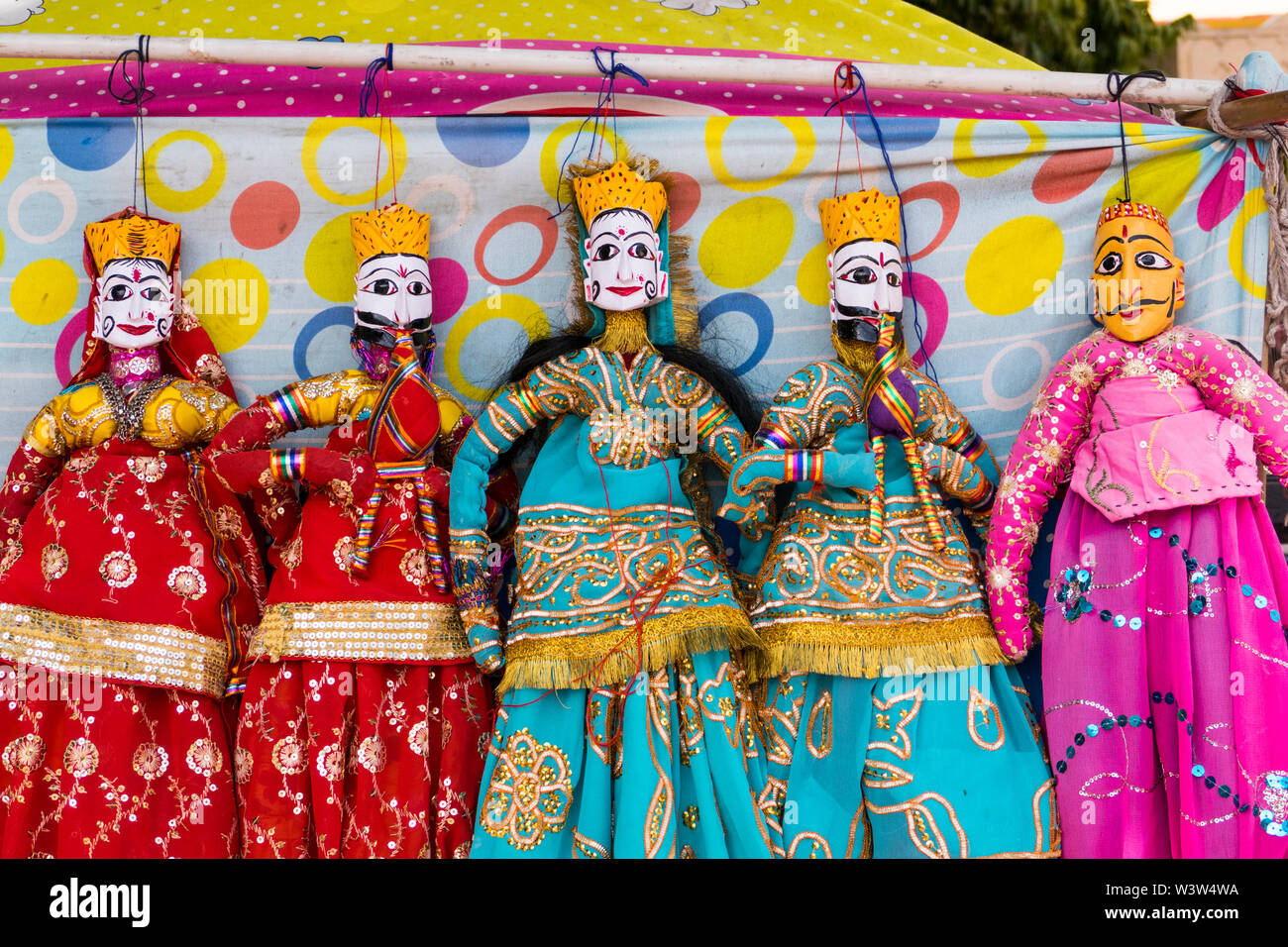
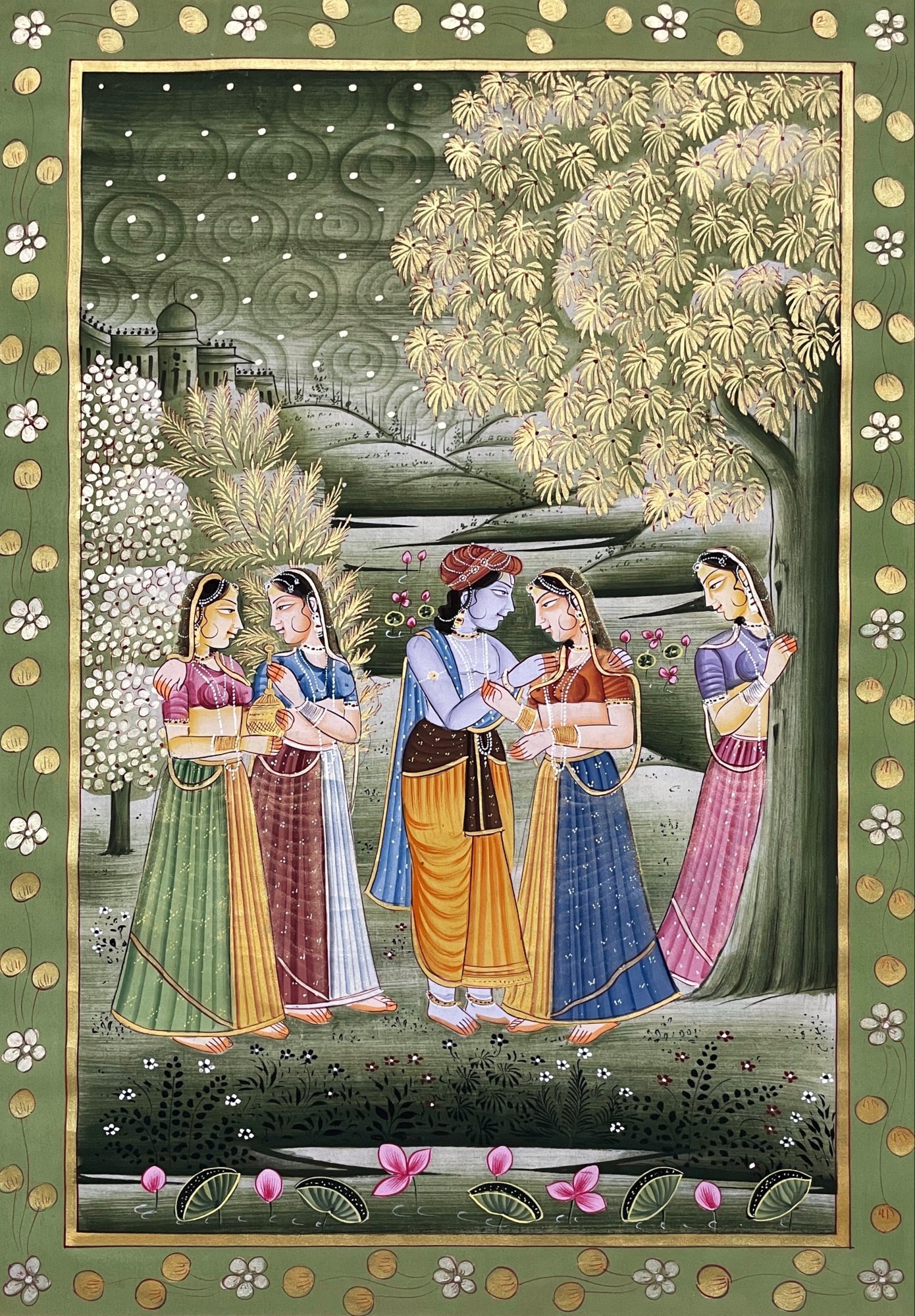
Clothing, jewelry, hats, and other accessories reflect a person’s culture, profession, lifestyle, and personality.
Types of People Portraits
- Self-Portrait
- Portrait of Another Person
- Full-Body Portrait
- Half-Body Portrait
- Group Portrait
- Profile Portrait
- Realistic Portrait
- Stylized Portrait
- Cartoon Portrait
- Digital Portrait
Materials Used
- Drawing paper
- Sketchbook
- Pencils
- Eraser
- Colored pencils
- Crayons
- Oil pastels
- Watercolors
- Acrylic colors
- Paintbrushes
- Charcoal
- Markers
- Digital drawing tablet (optional)
Drawing Techniques
- Line Drawing
- Gesture Drawing
- Contour Drawing
- Shading
- Cross-Hatching
- Blending
- Highlighting
- Color Layering
Color in Portraits
Artists use colors to:
- Show skin tones.
- Create mood and atmosphere.
- Add depth and realism.
- Highlight important features.
Creative Ideas
- Draw family members.
- Create a self-portrait.
- Sketch friends at school.
- Draw community helpers.
- Design imaginative characters.
- Create historical or cultural portraits.
Benefits of Portraying People
- Improves observation skills.
- Develops hand-eye coordination.
- Enhances creativity.
- Builds confidence.
- Encourages emotional expression.
- Improves understanding of human anatomy.
- Strengthens drawing and painting skills.
- Develops patience and concentration.
Applications
- Fine art
- Illustration
- Animation
- Comics
- Fashion design
- Character design
- Photography
- Digital art
- Advertising
- Art education
Tips for Better Portrait Drawing
- Observe carefully before drawing.
- Start with basic shapes.
- Keep facial proportions balanced.
- Practice drawing different expressions.
- Use light pencil strokes first.
- Add shading gradually.
- Be patient and practice regularly.
1. Make Portraits
Have you ever wondered why we all look different even though our faces have the same parts — eyes, eyebrows, nose, mouth, ears and hair?
Observe the faces of your classmates. Can you identify how their face is different from yours? Are their eyes smaller or is their forehead bigger? Do they wear spectacles? How do they comb their hair?
Split up into pairs for this activity and draw a portrait of your partner on an A4 sheet of paper.
Your portraits do not have to be picture perfect. You can add your own flavour to them.
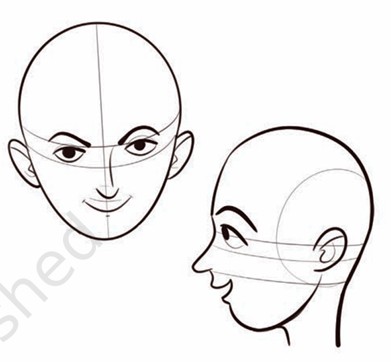
Step 1: Make the shape of the face. Is it a circle, oval or egg-shaped? Or, is it a rounded rectancle?
Step 2: Draw other features of their face. Observe the shape and size of the eyes, nose, eyebrows, lips, chin and ears. Pay attention to the space between the eyes, the distance between the hairline and eyebrow, and the length of the ears.
Step 3: Once you have your drawing ready, think about the colours you want to use for the portrait.
Step 4: Complete your portrait and share it with your peers. Discuss the similarities and differences in the facial features.
Step 5: Cut out your portraits along their edge.
Step 6: Prepare a large surface by joining many sheets of paper or any other material.
Step 7: Gather all the portraits and decide on an arrangement for a group portrait of the whole class.
Step 8: Paste each portrait in a decided arrangement. Your class portrait is ready!
2. Through the Eyes of the Artists
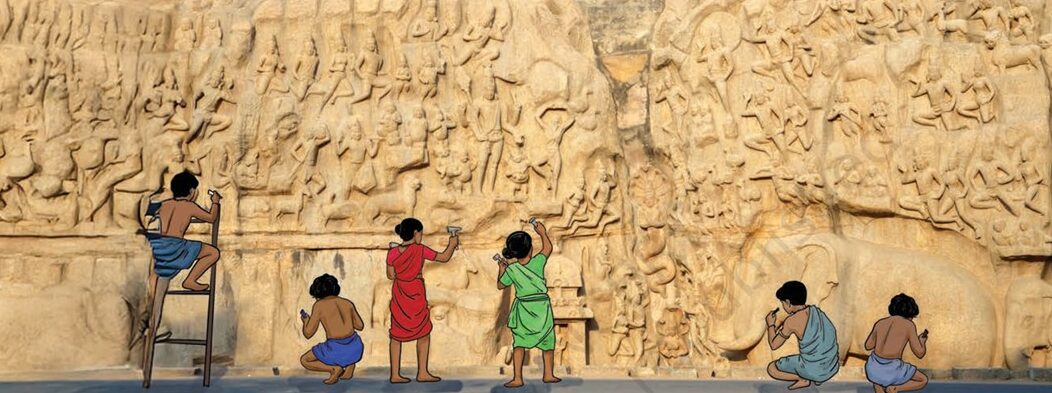
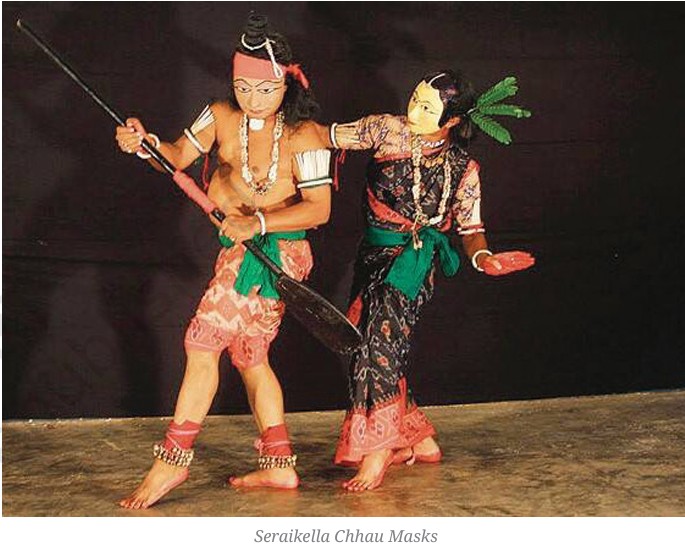
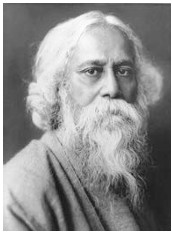
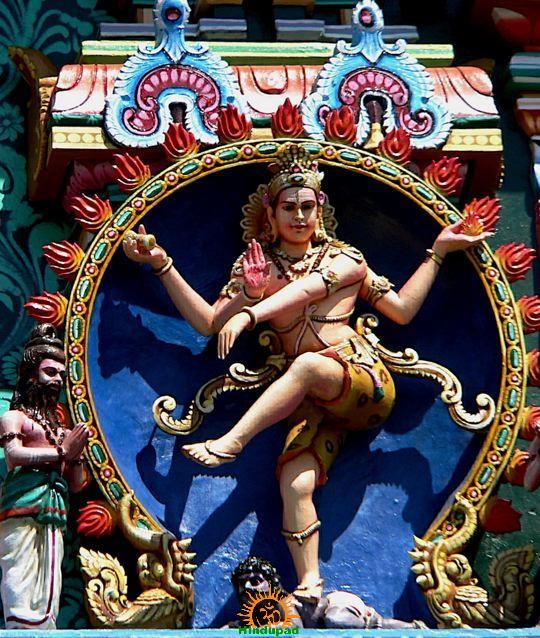
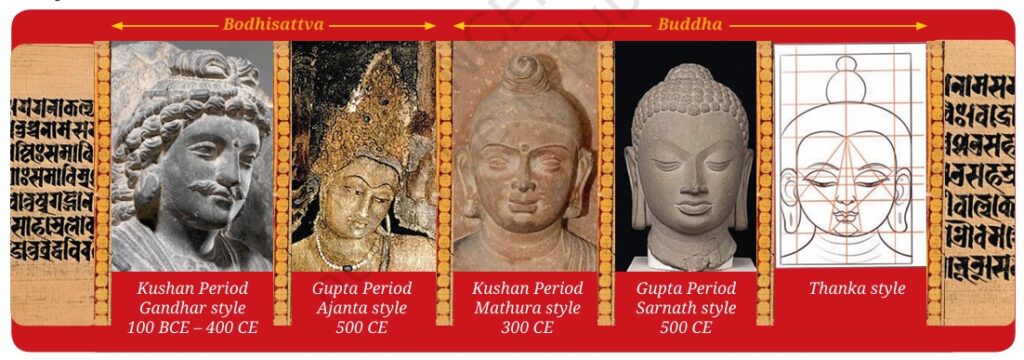
Portraits are one way of depicting people. In portraits, the focus is on the face, head, neck and shoulders of a person, but it might also include other parts of the body. Artists have depicted people in many other ways. Look at the images of the Buddha from different periods. Compare the styles, facial features, and discuss the similarities and differences in their characteristics.
Buddha represented in different time periods and styles
3. I Want to be …
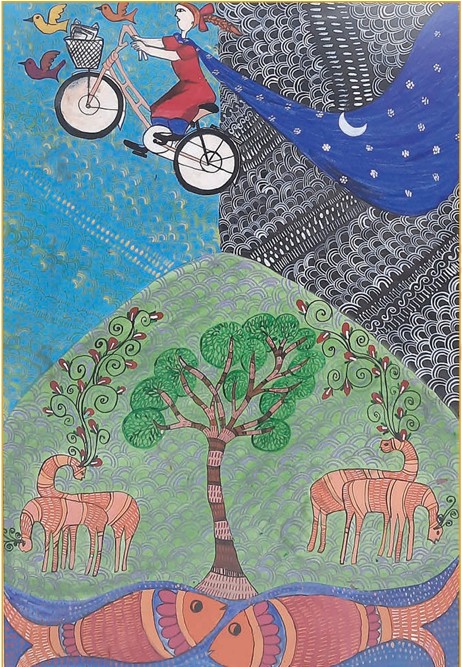
What role would you like to play in other people’s life when you grow up? Would you like to help people fix their bulbs? Or would you like to ensure that people remain fit? Draw yourself performing these roles. It’s okay if you don’t know what roles you may want. You can freely imagine yourself in more than one role. Draw three to five roles from the many choices you can think of. Look at the drawings made by everyone in the class. Do you see anything typical in these drawings? Or anything that is unusual? Which drawings do you find interesting and why?
4. Clothes and Roles
How do you identify if someone is a painter or a farmer? Do we all imagine the farmer in the same way or is there a difference? What are the similarities and differences? Let’s find out!
Draw a picture of a farmer the way you think of them. Look at all the drawings made in your class. What is the gender of the farmer? How tall or short are they? What is the farmer wearing?
Discuss and Talk About —
1. How did you make these decisions for your drawings?
2. Did you find farmers of all genders?
3. Where all have you seen pictures of farmers?
4. If they changed their clothes, would they stop being a farmer?
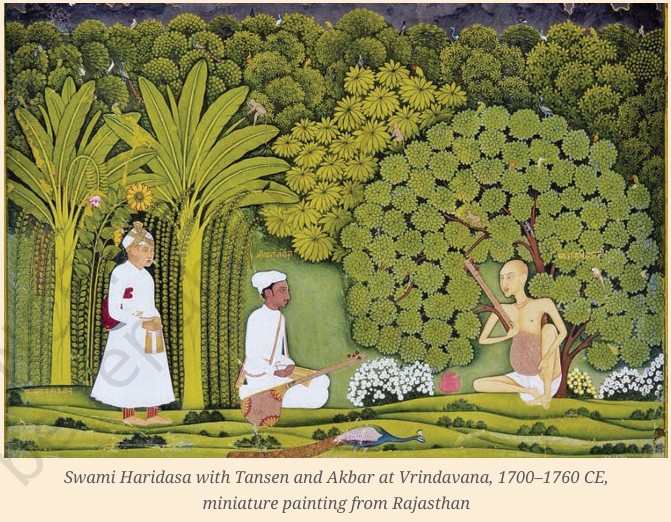
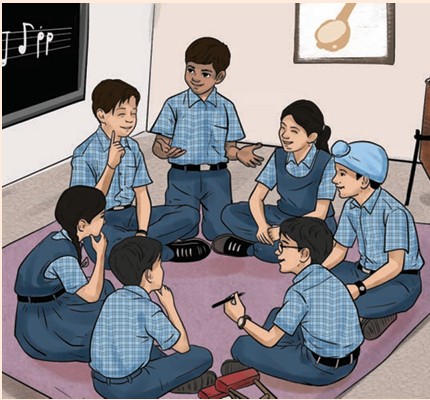
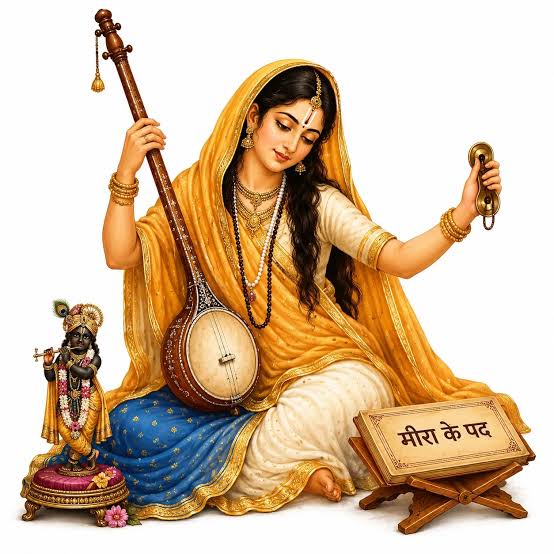
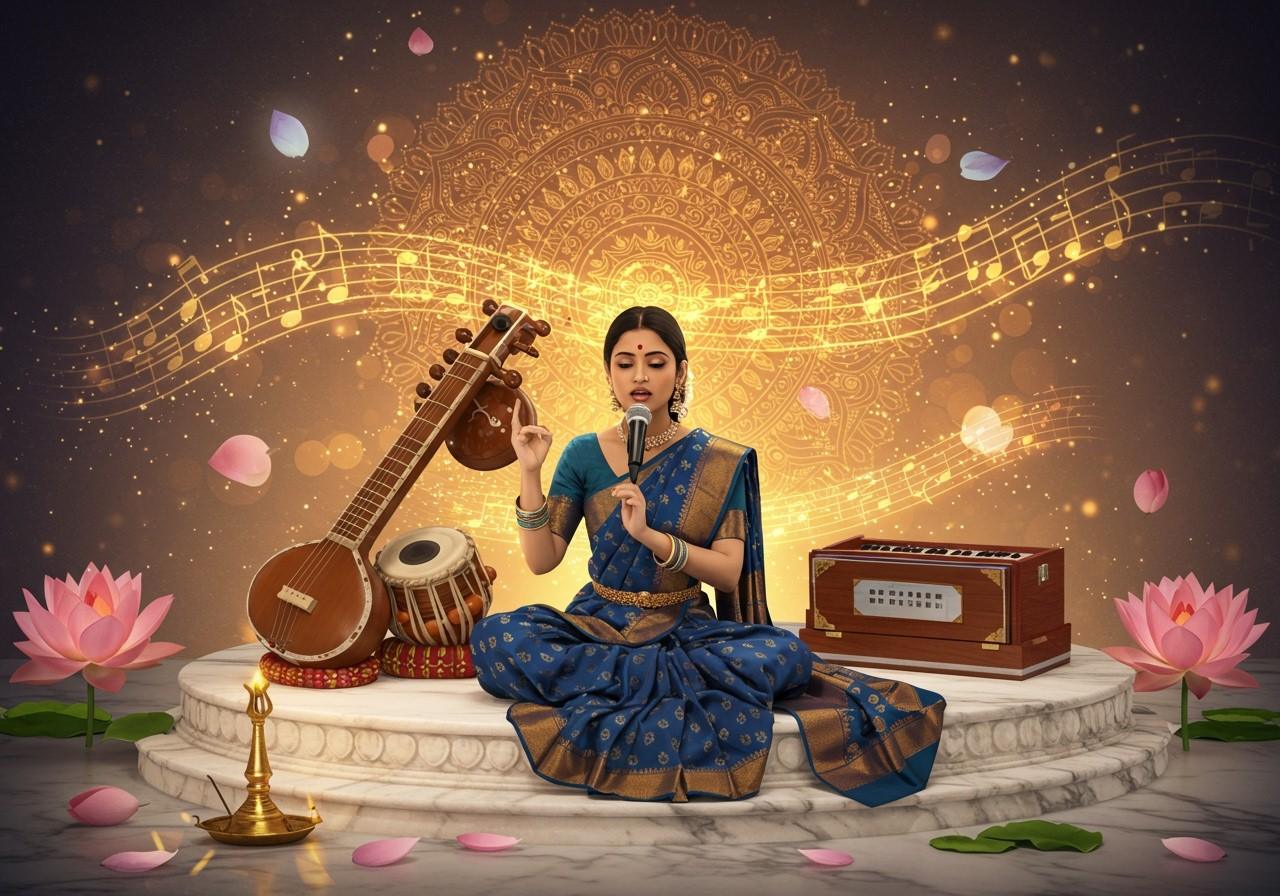
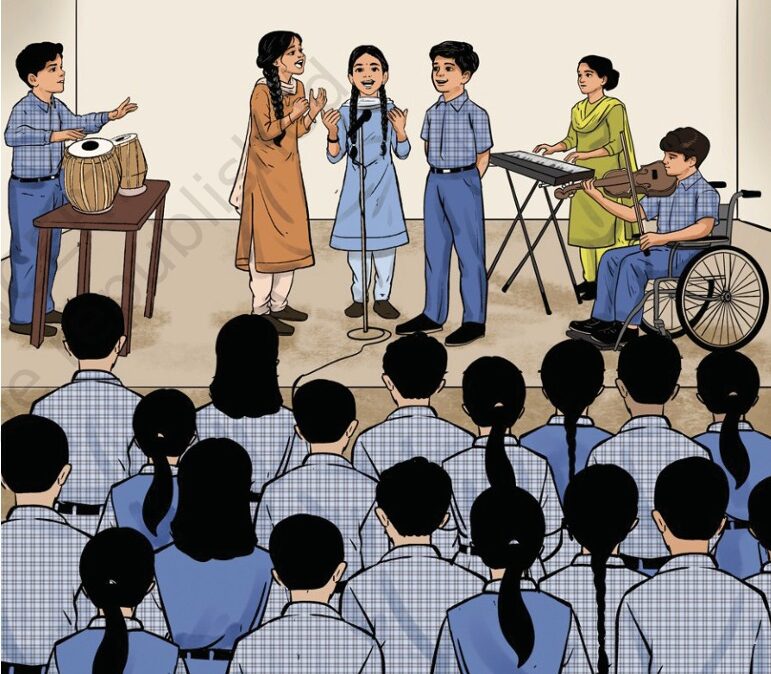
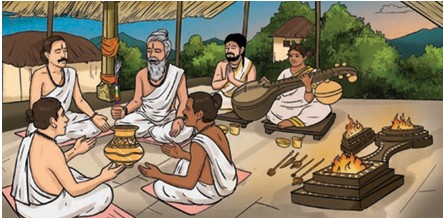
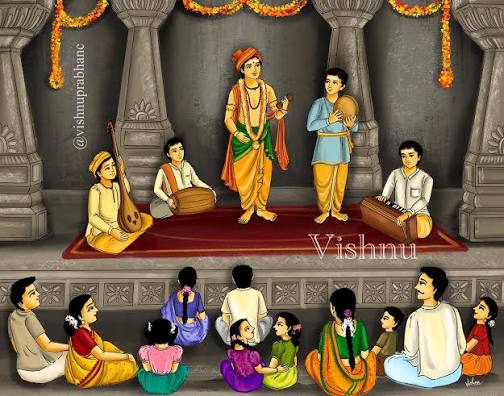
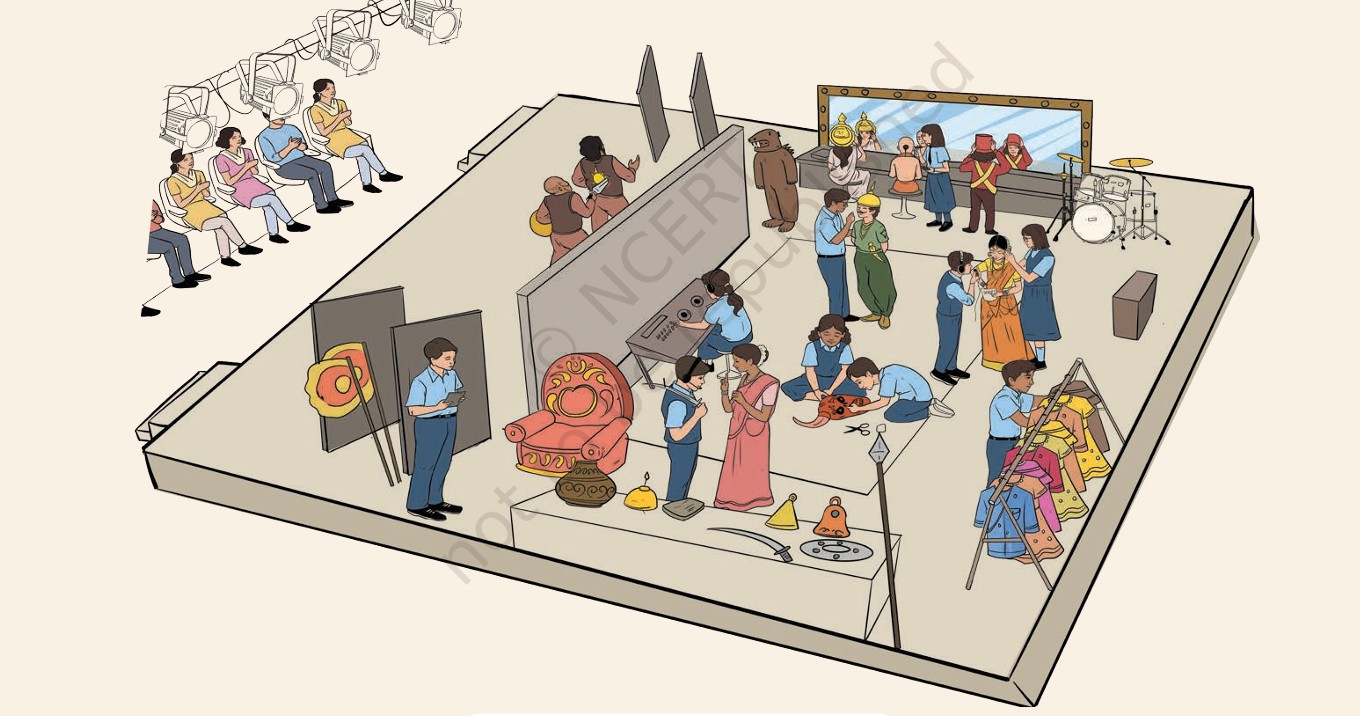
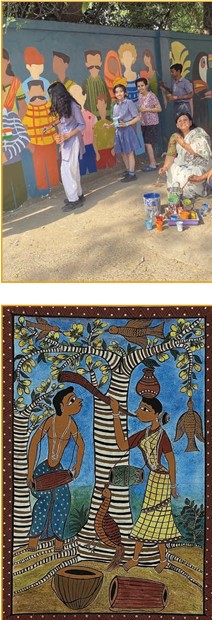
What musical instruments can you see in the given picture?
Like you observe your natural environment, observe people more closely. Notice that each of us is unique in the way we look and how we dress.
Observe and draw any three people in different roles around you. Imagine other roles they may have.
Now, look at the drawings made by your classmates. Who are the different people you see in the drawing? Have people of all genders been depicted in different roles?
Compare these drawings with those of the farmer. Did anything change in the way you worked out your ideas?
Continue: Observe people around you in your family and neighbourhood. Pay attention to what they wear. Draw one picture in the role you see them in. Draw another picture of them in the same clothes you see, but acting out a very different role. Make it uncommon and inspiring!
Conclusion
Portraying People is a fundamental aspect of visual arts that combines observation, creativity, and technical skill. By studying facial features, body proportions, expressions, and gestures, artists create meaningful representations that capture the uniqueness of every individual. Whether realistic or imaginative, portraits allow artists to express emotions, preserve memories, celebrate culture, and tell powerful visual stories. Regular practice helps learners develop confidence, artistic ability, and a deeper appreciation of the human form.