
INTRODUCTION
Mime is a form of performing art in which a person communicates a story, idea, action or emotion mainly through body movements, gestures and facial expressions, without using spoken words.
Mime is also known as silent acting because the performer relies on body language, expressions, imagination and movement rather than dialogue.
“Mime as an art form speaks the universal language of silence. It can make the invisible become visible and make silence the most powerful and loudest form of communication.” —
Marcel Marceau (a well-known French mime artist)
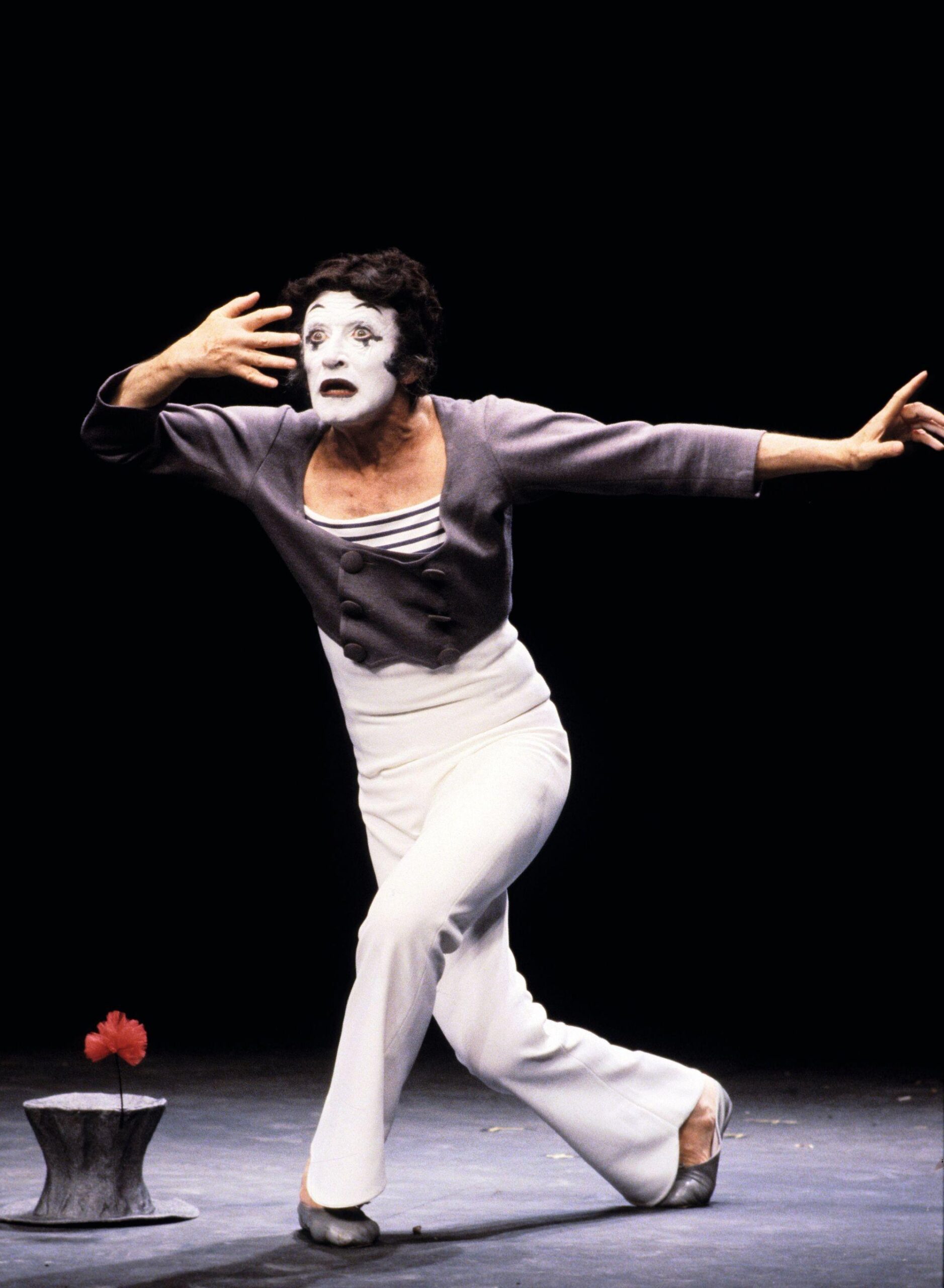
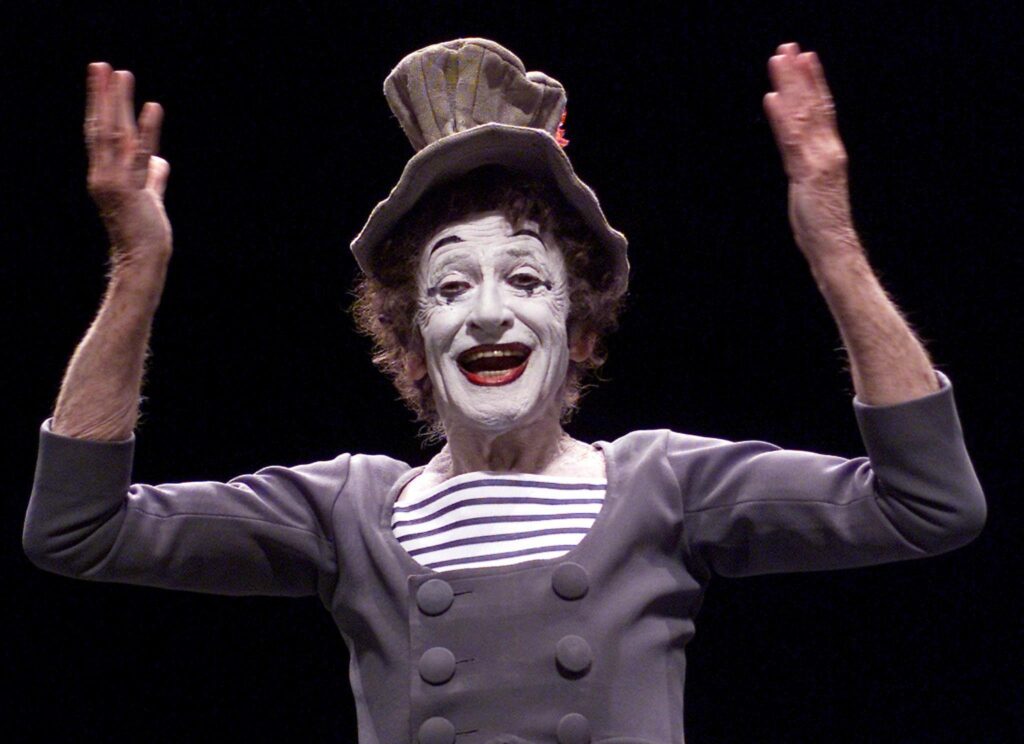
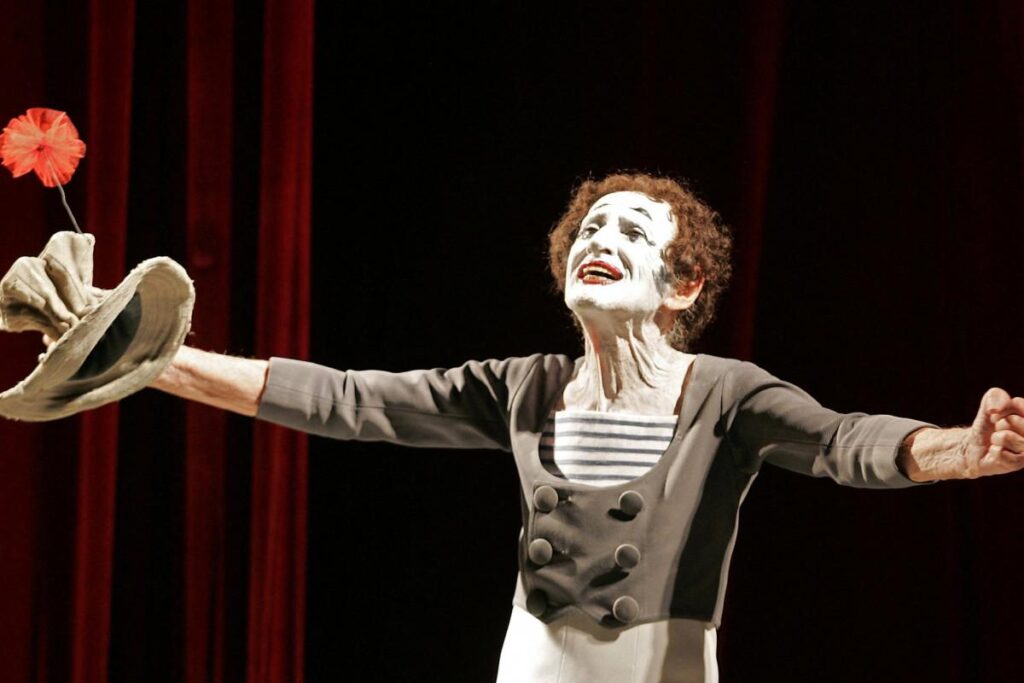
Marcel Marceau (1923–2007) was a renowned French mime artist and actor who played a major role in bringing modern mime to international audiences. He is particularly remembered for his iconic character Bip the Clown, recognizable by his white face makeup, striped shirt, sailor-style hat, and expressive physical performance.
Who Was Marcel Marceau?
Marcel Marceau was born Marcel Mangel in Strasbourg, France. He became interested in theatre and performance at a young age. During World War II, he was involved in the French Resistance and helped children escape to safety. After the war, he developed his career as a professional mime.
Bip the Clown
Marceau created Bip, a fictional character who became the central figure of many of his performances.
Bip was characterized by:
- White face makeup
- Black-and-white striped shirt
- Sailor-style hat
- A small flower on the hat
- Expressive facial expressions
- Highly controlled body movements
Through Bip, Marceau communicated stories and emotions without spoken dialogue.
( बिप द क्लाउन प्रसिद्ध फ्रांसीसी माइम कलाकार मार्सेल मार्सो (Marcel Marceau) द्वारा बनाया गया एक काल्पनिक माइम पात्र था। बिप अपने सफेद चेहरे के मेकअप, काली-सफेद धारीदार शर्ट, नाविक जैसी टोपी और भावपूर्ण शारीरिक अभिनय के लिए प्रसिद्ध हुआ।
बिप के माध्यम से मार्सो ने बिना बोले भावनाओं, विचारों, कहानियों और मानवीय अनुभवों को दर्शकों तक पहुँचाया।
बिप की पहचान
बिप का रूप बहुत सरल लेकिन प्रभावशाली था:
- सफेद चेहरे का मेकअप
- काली-सफेद धारीदार शर्ट
- नाविक शैली की टोपी
- टोपी पर छोटा फूल
- अत्यंत भावपूर्ण चेहरे के हाव-भाव
- नियंत्रित और स्पष्ट शारीरिक गतिविधियाँ
इन विशेषताओं ने बिप को दुनिया के सबसे पहचानने योग्य माइम पात्रों में से एक बना दिया।
बिप कैसे अभिनय करता था?
बिप सामान्यतः बिना संवाद बोले अभिनय करता था। वह अपने शरीर और चेहरे का उपयोग करके विभिन्न परिस्थितियों को प्रस्तुत करता था। )
Mime is a form of acting where no words or sounds are used. The artist communicates ides, emotions, and stories using body movements, facial expressions, gestures, and imagination.
In mime, silence becomes powerful. Even without speaking, a performer can clearly show:
- Happiness
- Fear
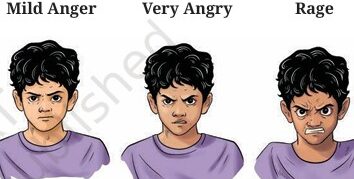
- Anger
- Surprise
- Pain
- Excitement
In India, mime is traditionally known as Mukaabhinaya.
The famous mime artist Marcel Marceau described mime as a universal language where silence speaks louder than more.
Basic and Technique – Based Terms
Understanding these terms is very important before performing mime:
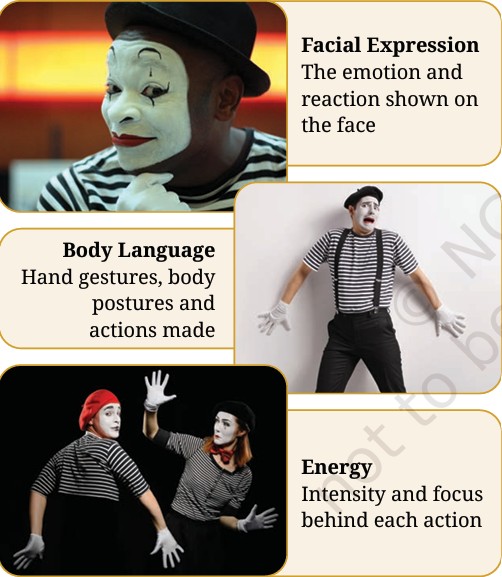
1. Facial Expression
Facial expression shows the emotion and reaction of a character through the face – eyes, eyebrows, lips, cheeks, and forehead.
2. Body Language
It includes hand movements, posture, walking style, and actions used to communicate meaning without speech.
3. Energy
Energy means the intensity, focus, and strength behind each movement. Clear and energetic actions make mime believable.
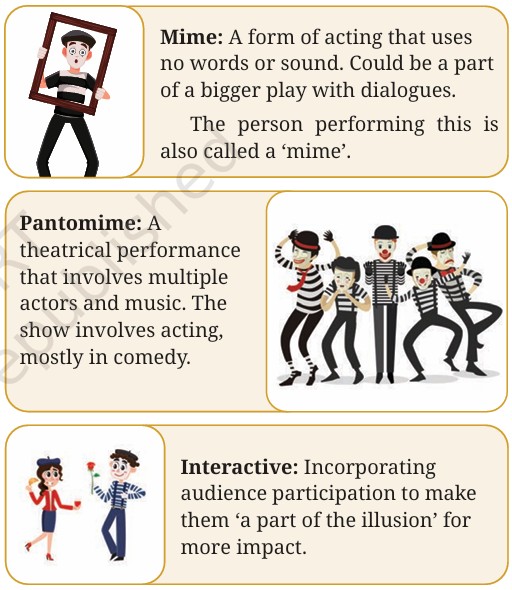
4. Mime
Mime is a form of acting without using words or sound.
A person who performs mime is also called a mime artist.
5. Interactive
Interactive mime involves the audience’s imagination, making them feel part of the performance.
6. Pantomime
Pantomime is a theatrical performance involving many actors, music, and mostly comedy. It is larger and more dramatic than simple mime.
7. Gestures
Hand and arm gestures help communicate ideas, actions, directions, and feelings.
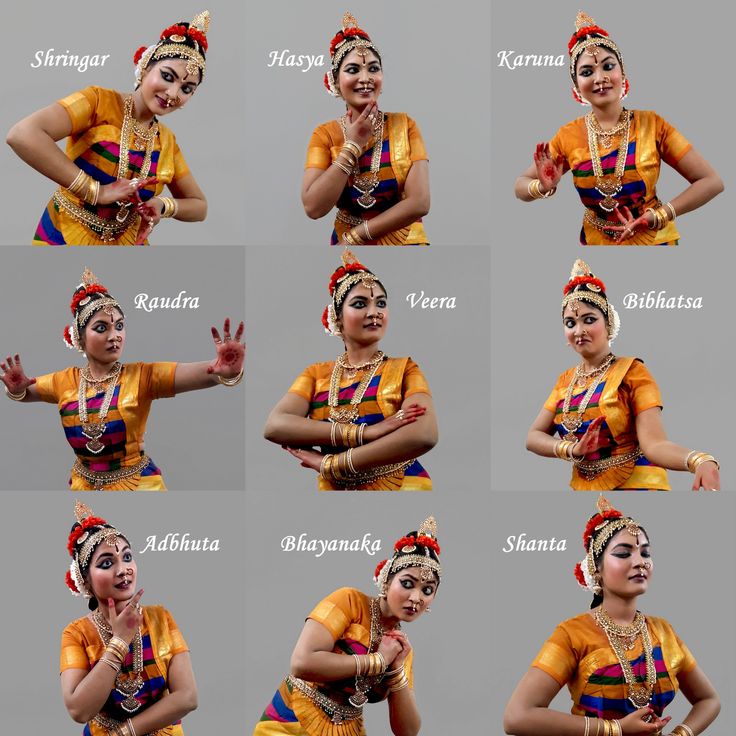
8. Emotional Expression
Mime relies strongly on emotions. The performer must make feelings clear through the face and body so that the audience can understand the character.
Activity 2.1 Individual Activity
This activity helps students learn how to create imaginary objects without props.
Students imagine holding an everyday object like a pencil box and then show:
- Its Shape
- Its Size
- Its Weight
They then imagine the same object:
- Filled with iron ( very heavy)
- Completely empty ( very light)
This teaches students how weight and material change movement and effort in mime.
Two Important Rules of Mime
1. Do Not Become the Object, use the Object
A common mistake in mime is turning hands into objects.
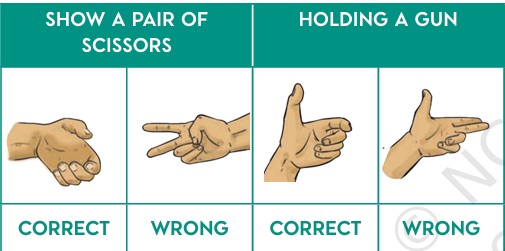
Examples:
- Making fingers move like scissors
- Showing how scissors are held and used
Mime artists must act as humans using objects, not transform their body into the object itself.
The rule is important because large objects like cars, trains, or refrigerators cannot be show by hand shapes alone.
2. Establish the space, size, and weight of the object
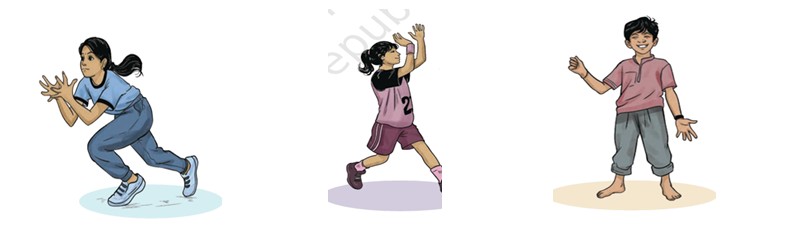
Every object feels different:
- A balloon is light
- A cricket ball is small and heavy
- A basketball is big and nouncy
The mime artist must show these differences clearly through actions and effort. This makes imaginary objects look real and believable.
Activity 2.2 Team Activity ( Full Class )
Students sit in a circle. One student imagines an object and passes it to the next person using actions only.
Rules :
- No speaking
- No naming the object
- Every student adds a new action
Basic level
Objects like pen, watch, or scissors are shown When the object is received, each one of you does a unique action that is not done before and then passes it on.
Advanced level
The object changes over time, such as:
- Ice cube melting
- Sand slipping through fingers
This activity improves:
- Imagination
- Observation
- Teamwork
- Silent communication.
Three pillars of a Mime show
A successful mime performance depends on three important pillars:
1. Imagination
Imagination connects the performer and the audience.
Imagination is the most important foundation of mime. Since mime does not normally depend on spoken words or real objects, performers must use their bodies and expressions to create an imaginary world.
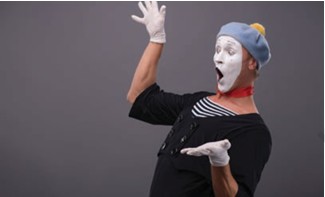
The audience must believe in:
- Invisible objects
- Imaginary space
- Unseen situations
Without imagination, mime cannot succeed.
The audience must also participate in this imagination. When the performer clearly establishes an imaginary object or situation, the audience mentally accepts it as real.
Therefore, mime involves a special “give and take” between the performer and the audience. The performer provides visual clues, while the audience completes the picture through imagination.
Why imagination matters
- Creates imaginary objects and environments
- Makes the story understandable without speech
- Encourages creativity
- Connects the performer with the audience
- Makes the performance interesting and memorable
2. Exaggeration
Since mime has no speech, actions must be bigger and clearer.
Exaggeration means making movements, actions and facial expressions larger and clearer than they would normally be.
Because mime is a silent art form, small movements may not be visible or understandable, especially when the performance is presented before a large audience. Therefore, performers often enlarge their actions and expressions.
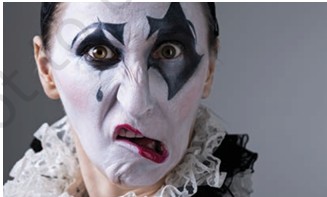
Exaggeration includes:
- Larger movements
- Slow motion
- Repeated actions
- Strong facial expressions
This style is similar to Natyadharmi acting, which is dramatic and stylized. As slow motion, repetition and expressive movements.
Why exaggeration matters
- Makes actions easier to understand
- Helps distant audiences see expressions
- Strengthens emotions
- Creates dramatic impact
- Makes silent storytelling more effective
3. costume and make-up
Mime costumes are usually simple and neutral, not decorative.
Costume and make-up in mime are generally simple and neutral. Unlike drama, where costumes may directly identify a character, mime costumes usually do not completely define the character.
The purpose is mainly to make the performer’s body movements and expressions clearly visible.
Costumes may be simple and comfortable so that performers can move freely. Make-up can help highlight the face and expressions, particularly when the audience is seated far from the stage.
Subtle changes in costume or accessories can sometimes distinguish one character from another.
Why costume and make-up matter
- Make body movements more visible
- Highlight facial expressions
- Help distinguish performers when needed
- Maintain the visual simplicity of mime
- Allow performers to move comfortably
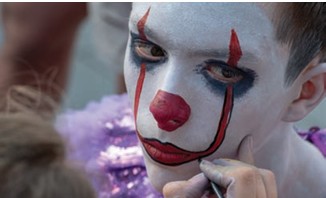
Costume
- Mostly black or black and white
- Stripes, gloves, suspenders may be used
Make-up
- White face
- Black and red highlights
- Helps expressions look clear from far away
Character
- specific indications are subtly present in make up.
Costumes do not show gender, class or background clearly, making mime universal.
Mime – A Universal Language for Equality
Mime is a silent performance art that transcends spoken language to promote universal equality. By stripping away words, mime eliminates barriers created by nationality, education, social status, and physical ability. It provides a level playing field where everyone can understand and connect with the same story.
Why Mime is a Universal Language
- No Language Barriers: Mime uses body movements and facial expressions instead of words.
- Cultural Accessibility: It bypasses regional dialects and cultural literacy requirements.
- Emotional Directness: Pure physical action communicates core human emotions instantly.
- Inclusivity: It connects deeply with audiences who have hearing or speech impairments.
How Mime Promotes Equality
- Democratic Art: Anyone can enjoy and understand a performance without formal education.
- Shared Human Experience: It focuses on universal struggles, joys, and fears that unite us.
- Neutral Canvas: Performers often use whiteface makeup to strip away race, age, and gender.
- Low Cost: It requires no expensive sets or special technology to deliver powerful messages.
Core Elements of Mime Communication
- Illusion: Creating invisible objects, like walls or heavy ropes, through precise muscle control.
- Stylization: Exaggerating everyday movements to make them clearly visible from a distance.
- Mask of the Face: Using intense, clear facial expressions to telegraph inner emotional states.
- Metaphor: Turning physical struggles, like walking against the wind, into symbols of life’s hardships.
Practical Applications Beyond Theater
- Global Activism: Street performances raise awareness for human rights without needing translation.
- Cross-Cultural Education: Workshops help diverse groups build empathy and collaborate silently.
- Therapeutic Healing: It helps individuals express trauma when spoken words feel too difficult.
Mime removes all language barriers because:
- Emotions are the same everywhere
- No words are used
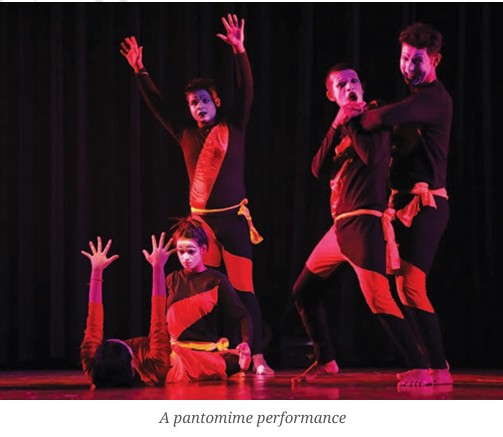
Black and white costumes remove:
- Social differences
- Gender stereotypes
- Cultural bias
Anyone can play any role. Mime is also used as a therapy tool to help people express emotions without fear or judgement.
Personally, I think this is why mime is more powerful than many spoken performances- it speaks directly to the heart.
Activity 2.3 : Group Mime
Group mime combines the creativity of individual performers with the power of teamwork. Every movement must be clear and synchronized so that the audience can understand the story.
Students perform a scene in three stages:
1. with full sets and props
2. without sets
3. without sets and props
This teaches students to:
- Remember space
- Imagine objects
- Rely on expression and movement
Background music may be used, but only instrumental music is allowed.
Formation and Space
Groups can use different formations such as:
- Lines
- Circles
- Pairs
- Groups
- Diagonal formations
- Moving formations
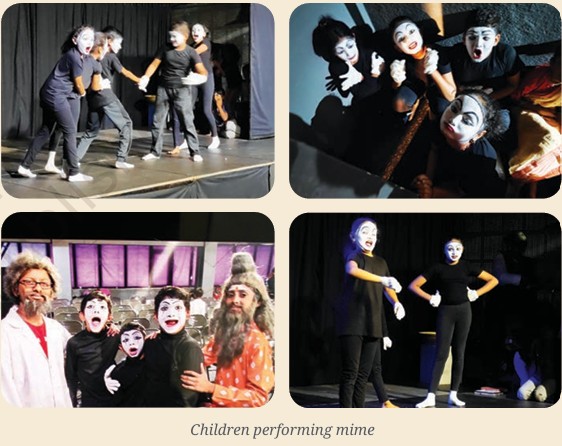
Practise — perform your daily routine from when you wake up in the morning till you get to bed at night, in mime. Try and remember the minor details and depict it in your actions.
Music — you can have background music to suit the situation of your act. But make sure it is instrumental music with no lyrics or speech.
Group Mime demonstrates the power of collective non-verbal storytelling. When performers coordinate their expressions, gestures, movements, and formations, they can communicate complex ideas without speaking a single word.
Make- up Magic: Create a Mime!
Students practise showing expressions for situations like:
- Eating a sour lemon
- Pulling a heavy rope
- Lifting a heavy suitcase
- Opening a stuck jar lid
They observe:
- Eyebrows
- Eyes
- Cheeks
- Forehead
This improves facial control and exaggeration.
Summary
Mime is a silent but powerful art form that uses:
- Imagination
- Facial expressions
- Body language
- Exaggeration
It teaches communication without words, breaks social barriers, and promotes creativity and in clusivity. Mime proves that silence can speak louder than speech.
Conclusion
“Say More Without Speech — MIME” demonstrates that communication does not always require words. Through facial expressions, gestures, posture, movement, eye expression, and imagination, performers can tell complete stories and communicate powerful emotions silently. Mime helps students become more observant, expressive, creative, and confident while teaching them the importance of non-verbal communication and emotional understanding.
Mime is a powerful form of communication that shows how much can be expressed without speaking a single word. Through facial expressions, gestures, body movements, posture and actions, a mime performer can communicate feelings, situations, stories and social messages directly to the audience.
Mime also proves that communication is not limited to spoken or written language. People may speak different languages, but emotions such as love, joy, pain, loneliness, anger and compassion can often be understood universally. In this way, mime can bring people together and create a connection between performer and audience.
The theme “Say More Without Speech” also highlights the importance of listening and observing. In everyday life, communication happens not only through words but also through facial expressions, eye contact, gestures and body language. Mime helps students become more aware of these forms of communication.
Mime can also be used to present important social and cultural messages. A performance can show equality, inclusion, respect, environmental awareness, friendship, peace, kindness and social responsibility without using dialogue. This makes the art form especially effective for raising awareness.
For students, practising mime develops confidence, creativity, concentration, coordination, imagination and teamwork. Performers learn to control their movements and expressions carefully so that the audience can understand the intended message.
Most importantly, mime reminds us that silence does not mean the absence of communication. Sometimes a gesture, expression or movement can communicate an idea more powerfully than a long speech.
Mime teaches us that words are only one way of communicating. With movement, expression, imagination and emotion, a performer can tell an entire story without saying a word. It is truly an art of speaking through silence and connecting people through universal human emotions.