
INTRODUCTION
There are many steps that lead to a successful performance. It is helpful to remember that there is more than singing and playing. There is a lot to contribute to a successful performance even if you are not on stage.
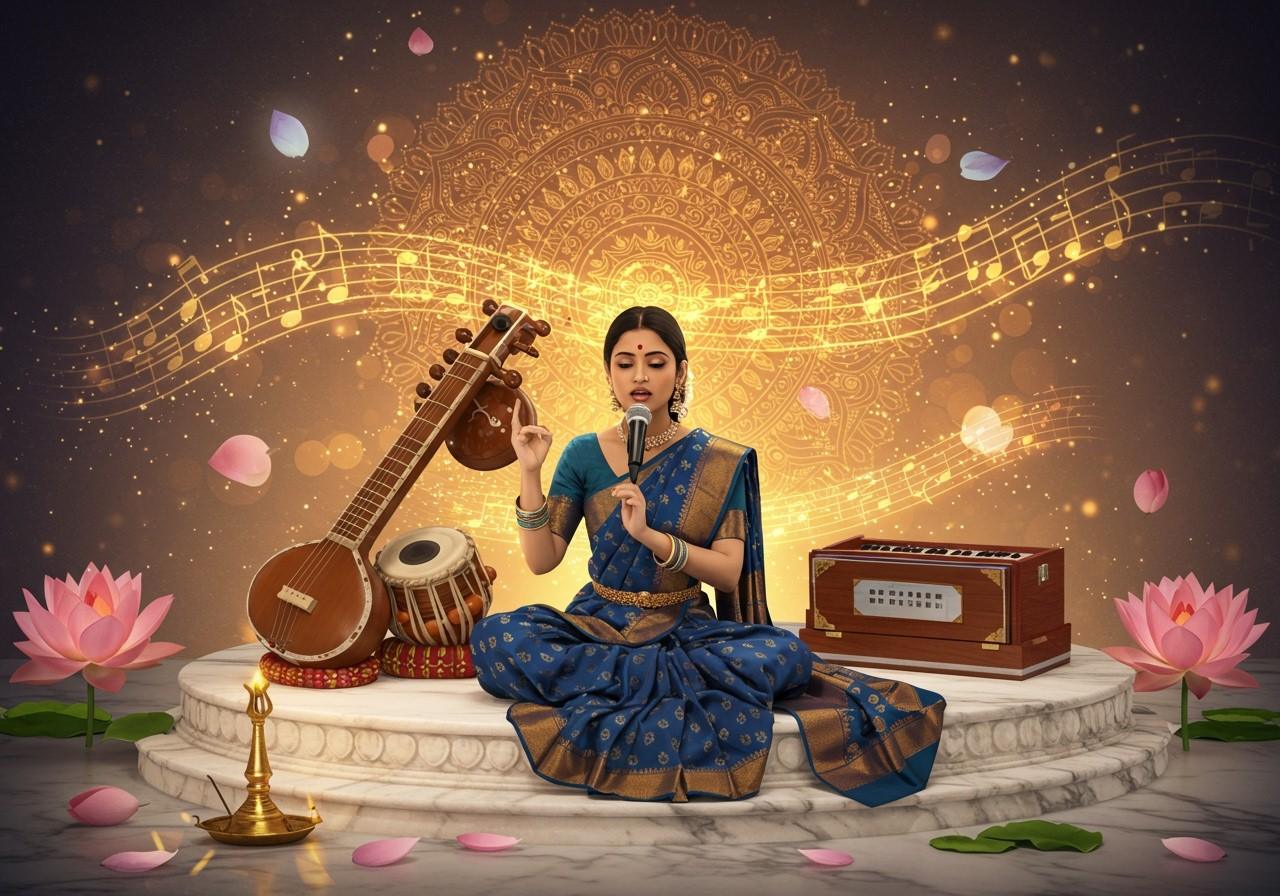
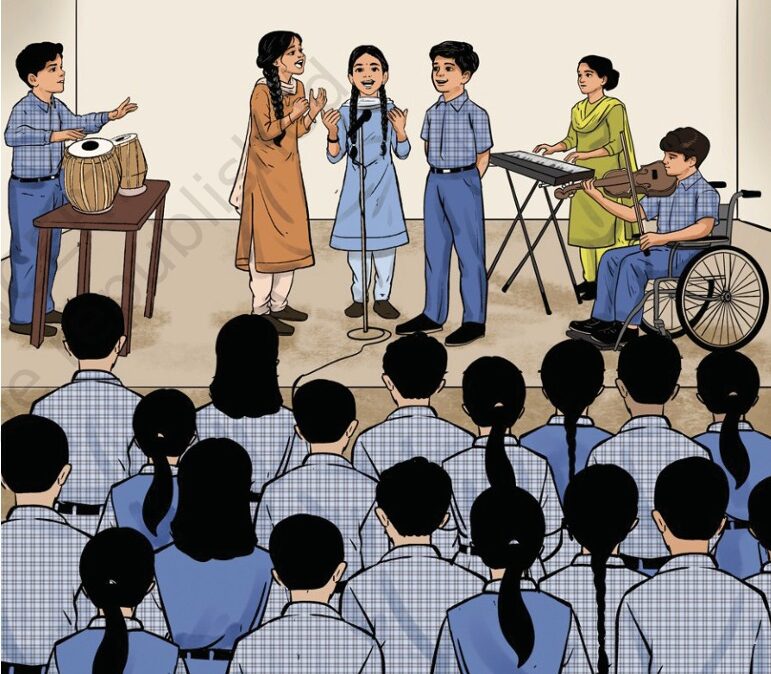
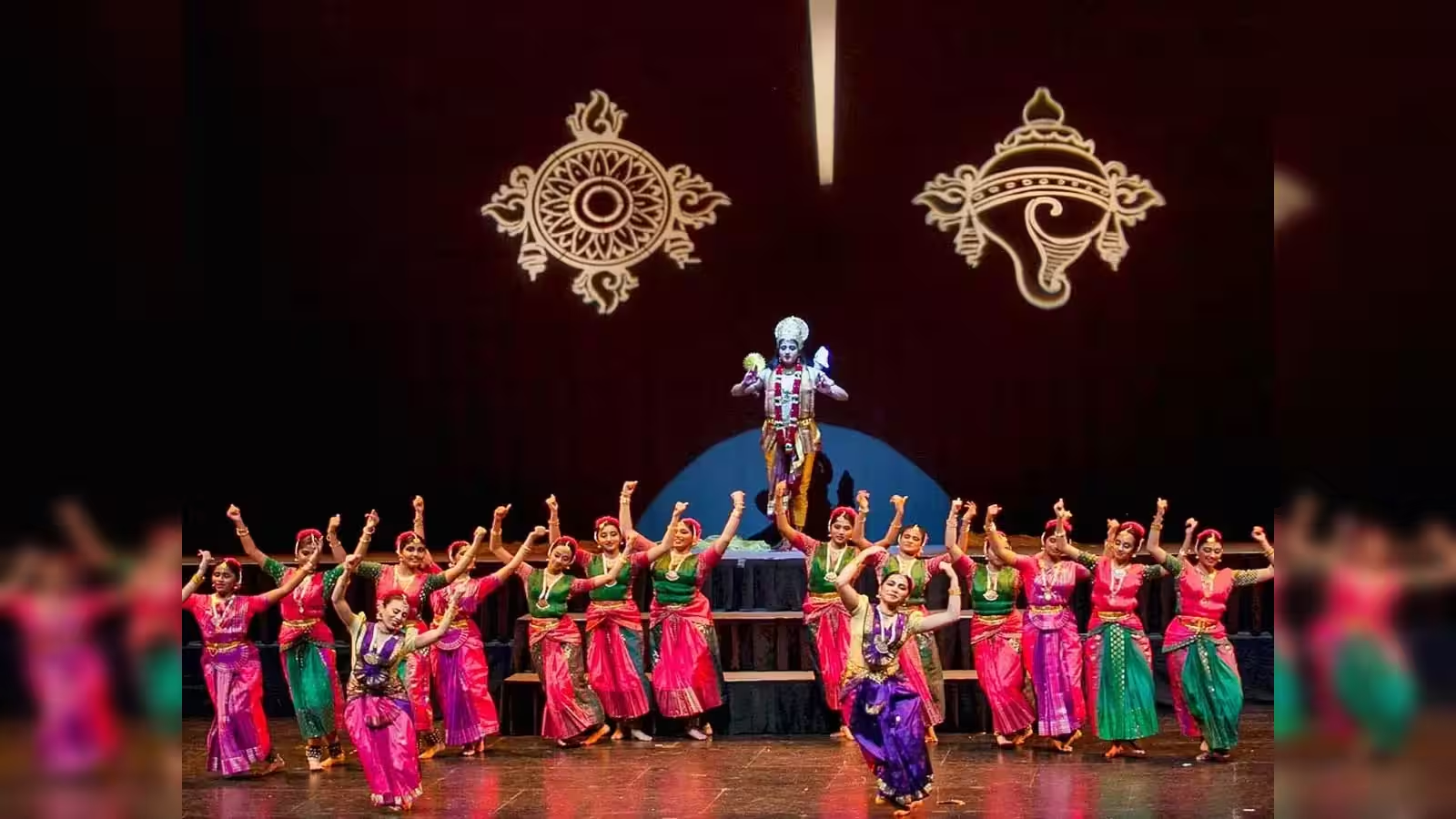
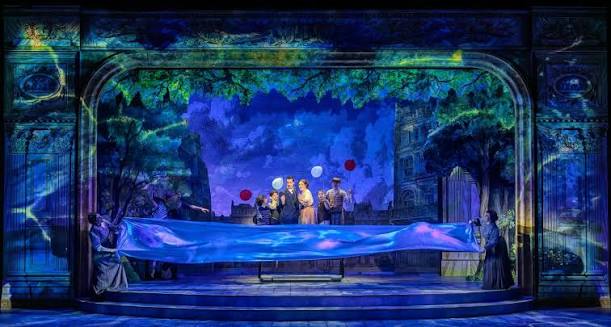
A performance is the act of presenting music, singing, dancing, drama, or another art form before an audience. In music, a performance brings together the singer or musician, musical instruments, rhythm, voice, expression and audience.
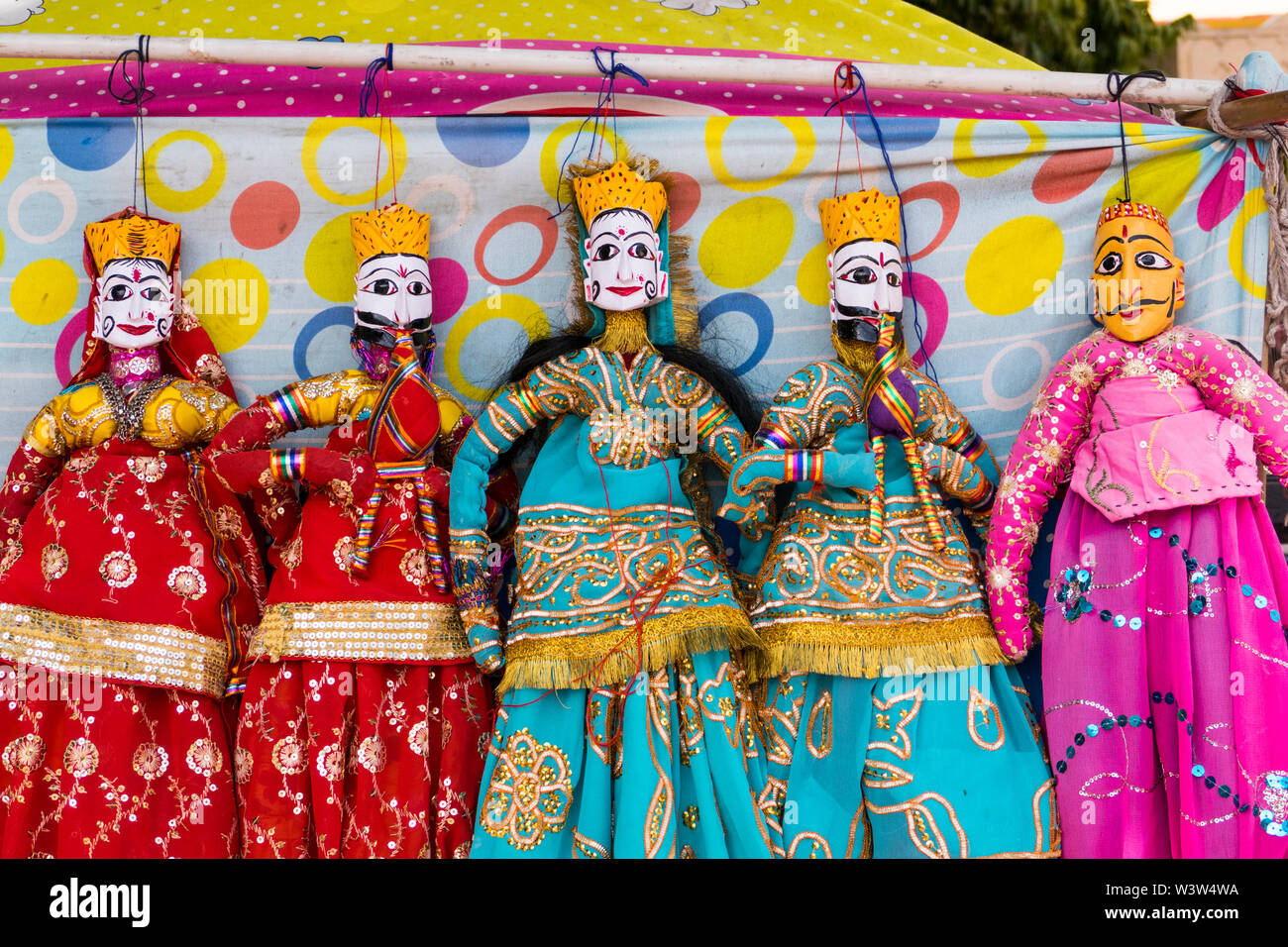
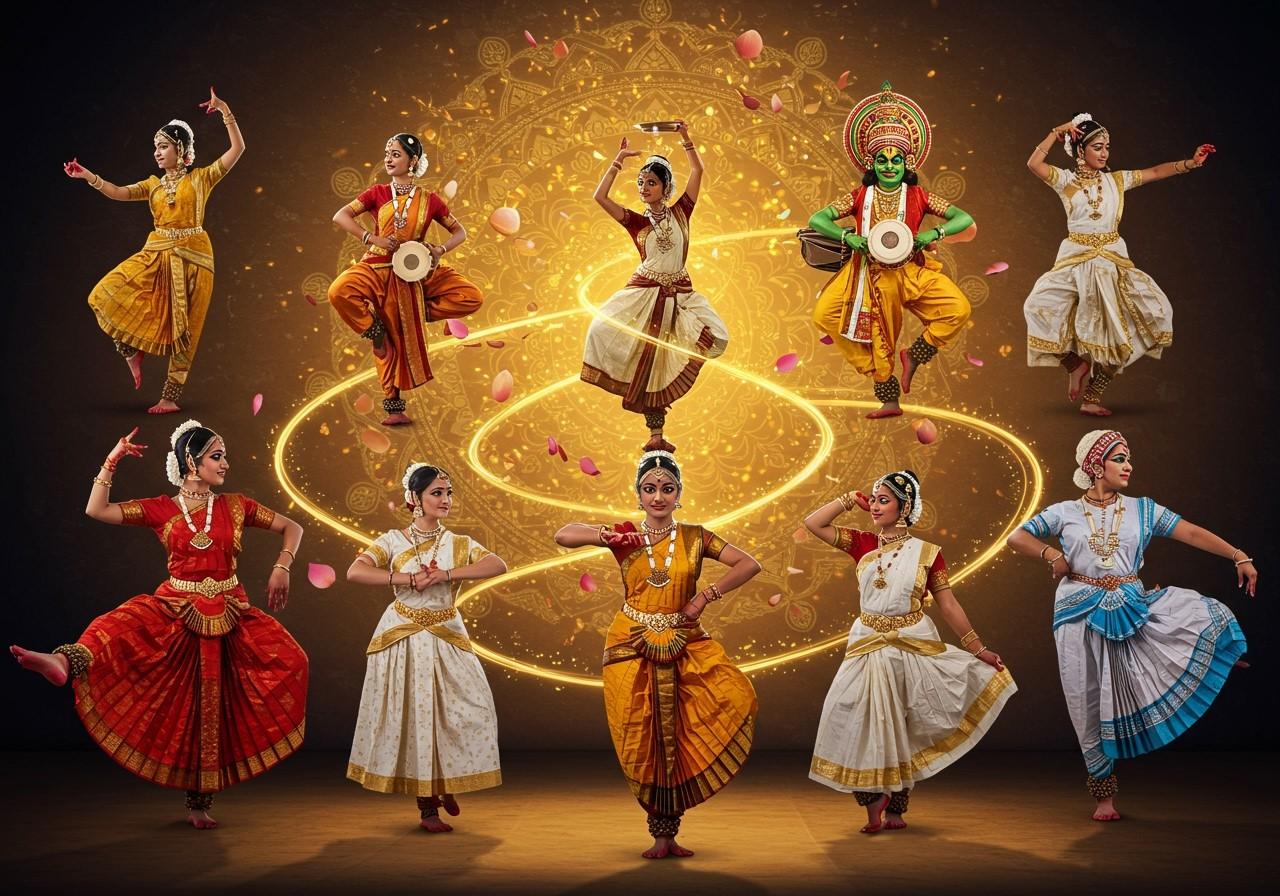
In traditional Indian culture, musical performances are often connected with festivals, religious ceremonies, community celebrations and cultural events. Musicians may perform individually or as a group, while dancers and singers may join them.
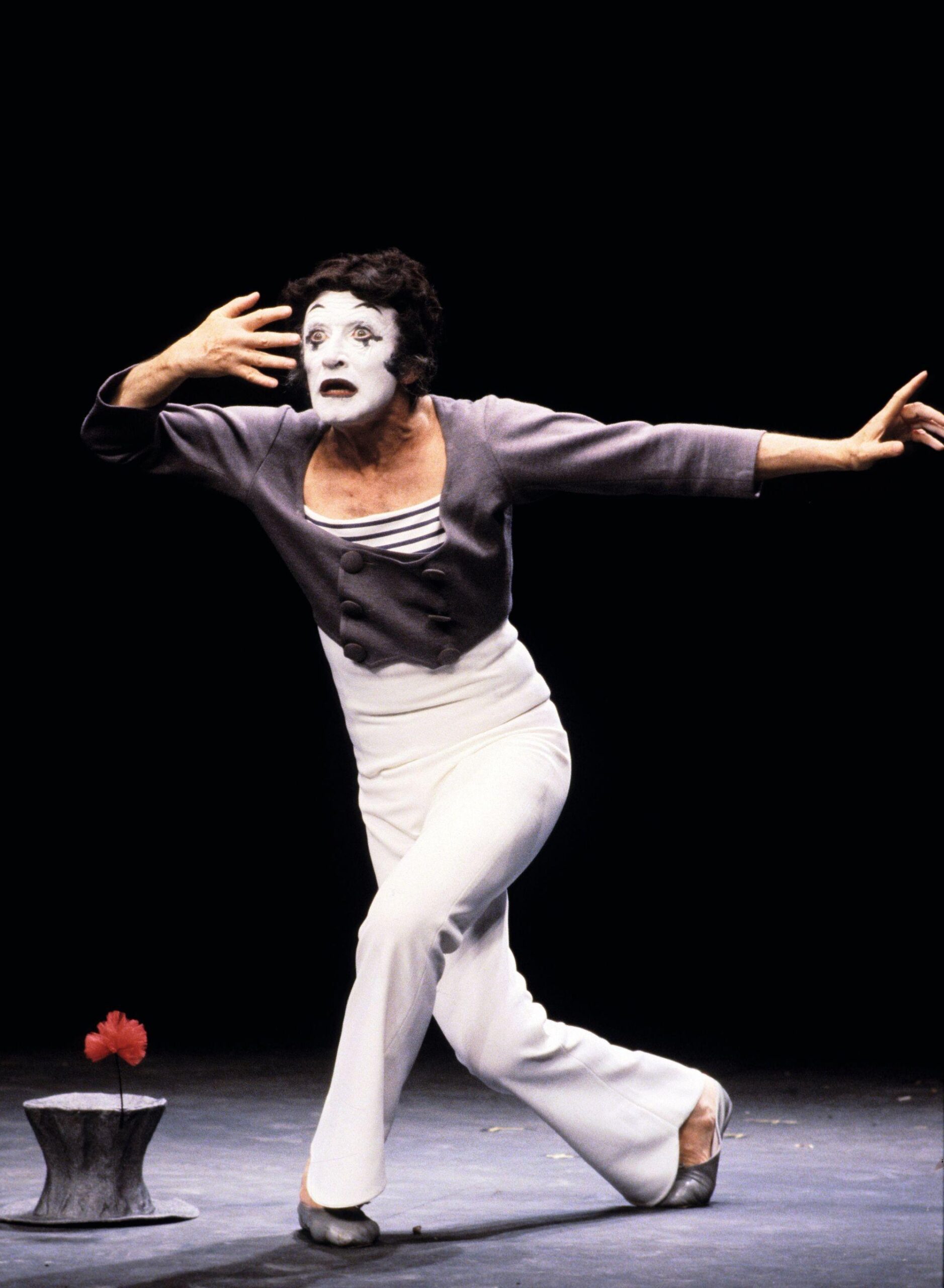
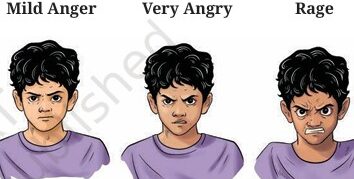
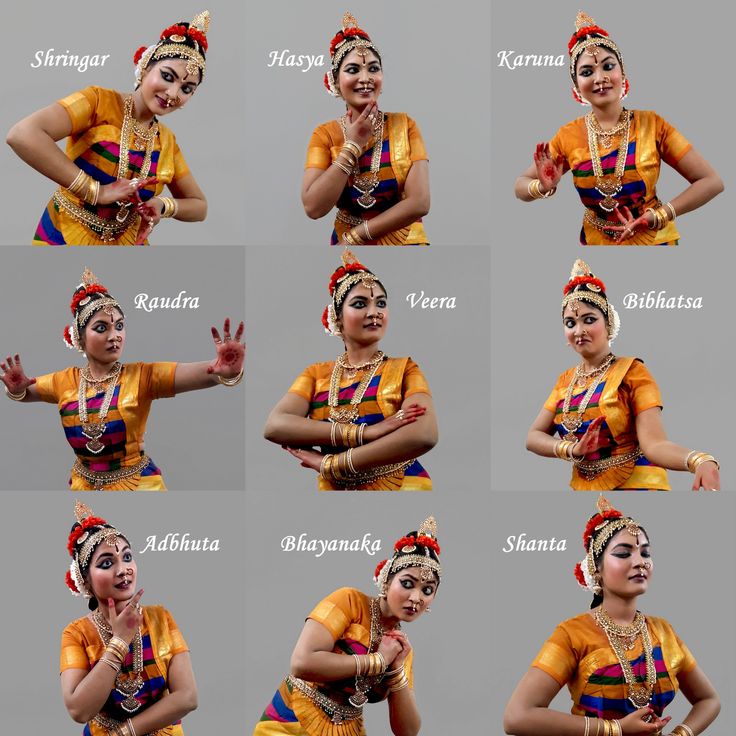
A performance is not only about producing sounds correctly. The artist also uses facial expressions, body movements, emotions and energy to communicate with the audience. Traditional performances help preserve the cultural heritage of different regions and allow younger generations to learn about their traditions.
This chapter is divided into three parts to help you build a successful performance—
1. Plan
2. Prepare
3. Perform
PART A: PLAN
Like most activities, the planning phase is the most important one while putting a performance together.
Follow all the steps in the planning stage to think about what your final performance can be.
ACTIVITY 9.1: VISUALISE A PERFORMANCE
“Visualise a Performance” means imagining and presenting what a musical performance might look and feel like. A performance is not only about hearing music; it also involves people, instruments, movements, costumes, expressions, stage arrangement and the interaction between performers and the audience.
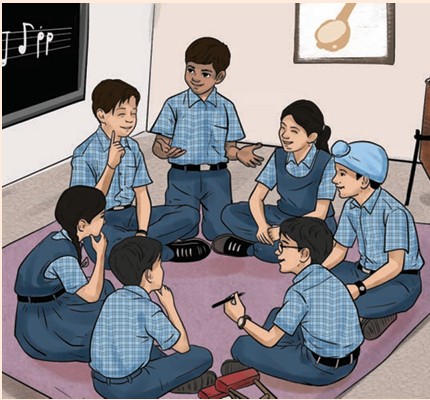
For example, imagine a traditional Jharkhand folk performance:
- Musicians sit or stand together with instruments such as the Nagada and Mandar.
- The musicians create a strong and rhythmic beat.
- Folk dancers perform coordinated steps according to the rhythm.
- Singers may sing traditional songs along with the instrumental music.
- Performers may wear traditional or colourful clothing.
- The audience watches, listens and sometimes joins the celebration.
- The entire performance creates a lively atmosphere and reflects the culture and traditions of Jharkhand.
This activity asks us to plan a musical or cultural performance by thinking about its place, time, duration, audience, theme and special elements.
Sample Performance Plan: “The Musical Heritage of Jharkhand”
| Question | Our Plan |
| Where will it be? | In the school auditorium or school playground. |
| When will it be? | During the school’s Annual Cultural Programme. |
| How long will it be? | About 15–20 minutes. |
| Who will be the audience? | Students, teachers, parents and other guests. |
| Will it have a theme and title? | Yes. The title will be “Rhythms of Jharkhand”. |
| Is it for a particular event? | Yes, it will be presented during the school’s cultural programme. |
| What elements from other performances will be included? | Folk songs, traditional dance, colourful costumes, rhythmic beats of the Nagada and Mandar, and a short introduction about Jharkhand’s culture. |
How the Performance Will Look
The performance will begin with the sound of the Nagada and Mandar. A group of students will then enter the stage and perform a traditional Jharkhand folk dance. Other students will sing a folk song while musicians maintain the rhythm with traditional instruments.
The performers will wear traditional or colourful costumes. A narrator can briefly introduce the culture and musical traditions of Jharkhand between sections of the performance.
ACTIVITY 9.2: CREATE A SONG LIST
Here is a song that you can sing as an invocation or welcome song.
SWAGATHAM SHUBHA SWAGATHAM
Swagatham shubha swagatham
Atha swagatham, shubha swagatham
Anand mangala mangalam (×2)
Nitha priyam bharatha bharatham
Atha swagatham, shubha swagatham (×2)
Nitya nirantharatha, navatha, maanavatha, samatha, mamatha,
Saarathi saath manorath ka jo anivaar nahi thamtha
Sankalp avijith abhimatham anandha mangala mangalam
Atha swagatham, shubha swagatham
Kusumith nayi kaamnayein surabith nayi saadhnayein
Maitrimath kridaangan mein pramudith bandhu bhaavanayein
Shashwath suvikashitha athi shubham ananda mangala mangalam
Music has been a part of many important events. The 1982 Asian Games, an international sporting event, was held in New Delhi. Swagatham shubha swagatham, composed by renowned Sitar maestro, Pandit Ravi Shankar, was sung at the inauguration ceremony.
Pandit Ravi Shankar was one of India’s greatest sitar players and composers. He played an important role in introducing Hindustani classical music to audiences around the world.
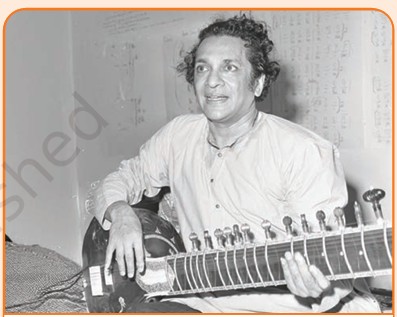
I think Ravi was rather taken aback, because he was a classical musician, and rock and roll was really out of his sphere. He thought it rather amusing that George took to him so much, but he and George really bonded. Ravi realised that it wasn’t just a fashion for George, that he had dedication. Ravi had such integrity, and was someone to be respected, and at the same time huge fun. George hadn’t really met anyone like that, and he really encouraged his interest.
“Swagatham Shubha Swagatham”
“Swagatham Shubha Swagatham” is a traditional-style welcome song. The word “Swagatham” means “Welcome”, while “Shubha” means “auspicious” or “good.” Thus, the phrase expresses a warm and respectful welcome to guests or participants.
Meaning
The song is generally sung to welcome people on a special occasion or at the beginning of a cultural programme. Its cheerful and respectful words create a pleasant atmosphere and make the guests feel honoured.
ACTIVITY 9.3: INCLUDING FOLK MUSIC
Keeping in mind your ideas for the performance, look for a folk song from a tradition other than yours. You can research online, or ask musicians and music educators you know. You can even choose from what you have already learnt.
As an example, here’s a folk song for you to learn:
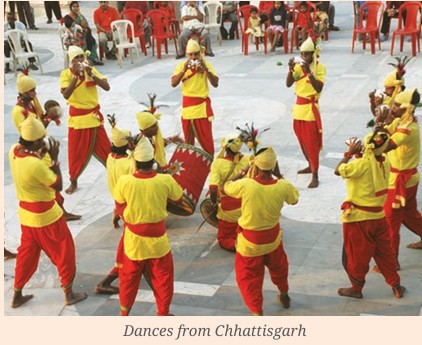
ODIA SONG
This is a folk song of the tribals of Koraput, Odisha. This is sung widely during the celebration of Chaita Paraba. The song is about coming together and celebrating the festival with love and enthusiasm.
Ee la ya lori la la la lori
Ee la ya lori la la la lori
Lori danguda lori bulai de
Lori danguda lori bulai de
Barane barane sita kaniya
Barane barane sita kaniya
Sita kaniya magi aailu
Lakhmi kaniya bibha hai bu
Sita kaniya bibha hai bu
Aache boile aache bala ya
Puruba neeti ke magi aailu
Puruba neeti ke magi aailu
Lori k lori la la lori
Lori k lori la la lori
Lori k lori la la la lori
Betu danguda betu bulai de
Betu danguda betu bulai de
Barane barane Lakhmi kaniya
Barane barane Lakhmi kaniya
Lakhmi kaniya magi aailu
Nai baile naib ala ya
Puruba neeti ke buli aailu
Puruba neeti ke buli aailu
Ee la ya lori la la lori
Ee la ya lori la la lori
PART B: PREPARE
ACTIVITY 9.4: REHEARSAL AND FEEDBACK
Orchestra from Assam — Kala Utsav
Orchestra from Assam — Kala Utsav is a vibrant representation of the rich musical and cultural heritage of Assam. It brings together a group of young performers who use traditional and contemporary musical elements to present the unique sounds, rhythms and traditions of the state. Through an orchestra, different instruments and musical parts come together to create a unified performance, demonstrating the importance of teamwork, coordination, discipline and cultural expression.
Assam, located in Northeast India, has a diverse cultural heritage shaped by its many communities, festivals, traditions and artistic practices. Music has an important place in the social and cultural life of the people. It can be heard during festivals, celebrations, religious occasions, community gatherings and traditional performances. Among Assam’s best-known musical traditions is Bihu music, which is particularly associated with the celebration of Bihu festivals.
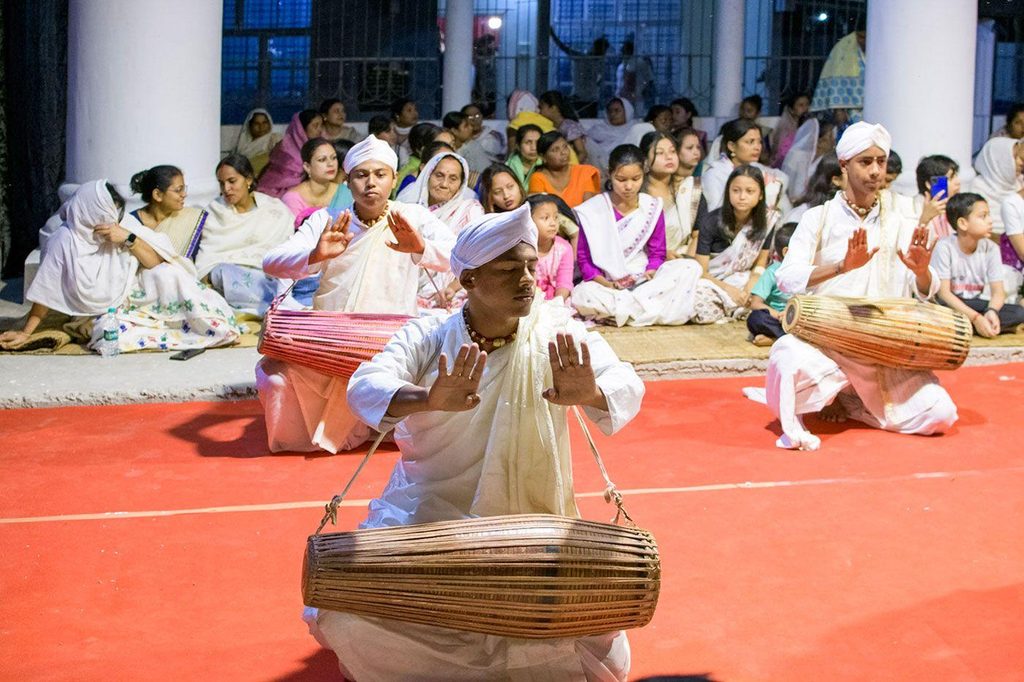
A traditional Assamese musical ensemble may feature instruments such as the dhol, pepa, gogona, taal and flute. Each instrument contributes a different sound. The dhol provides a strong rhythmic foundation, the pepa produces a distinctive wind sound, the gogona adds a characteristic bamboo-based rhythm, while taal helps maintain the beat. When these instruments are performed together, they create an energetic and recognisable Assamese musical atmosphere.
Role of Kala Utsav
Kala Utsav provides students with an opportunity to explore, learn and present India’s diverse artistic traditions. An Assamese orchestra allows students to experience their cultural heritage not only as listeners but also as performers and learners.
The performance encourages students to understand how traditional music is created and performed. They learn to listen to one another, maintain a common tempo, follow rhythmic patterns and understand their individual roles within a group. Thus, the orchestra becomes an example of how individual talents can combine to create a collective artistic expression.
Cultural Representation
An Assamese orchestra can represent much more than music. It can communicate the identity, traditions and community life of Assam. Traditional costumes, stage decoration, folk dance and regional songs can be incorporated into the presentation to make the performance more visually and culturally meaningful.
The performers may also introduce the instruments and explain their importance before beginning the musical presentation. This helps the audience understand the cultural background behind the sounds they hear.
Importance for Students
Participating in an Assamese orchestra helps students develop:
- Musical awareness and listening skills
- Rhythm and timing
- Teamwork and coordination
- Discipline and regular practice
- Confidence in public performance
- Creativity and self-expression
- Respect for India’s traditional arts
It also gives young learners an opportunity to understand that cultural heritage is not simply something found in books—it is something that can be experienced, practised and passed on to future generations.
A Celebration of Unity in Diversity
The presentation of an Assamese orchestra at Kala Utsav also reflects India’s famous “unity in diversity.” Assam has its own distinctive musical traditions, just as Jharkhand, Chhattisgarh, Odisha, Rajasthan, Punjab and other regions have their own forms of music and dance. Bringing these traditions onto a common platform allows students and audiences to appreciate the extraordinary variety of India’s cultural heritage.
ACTIVITY 9.5: PRODUCTION, PROMOTION AND SUPPORT
1. PRODUCTION
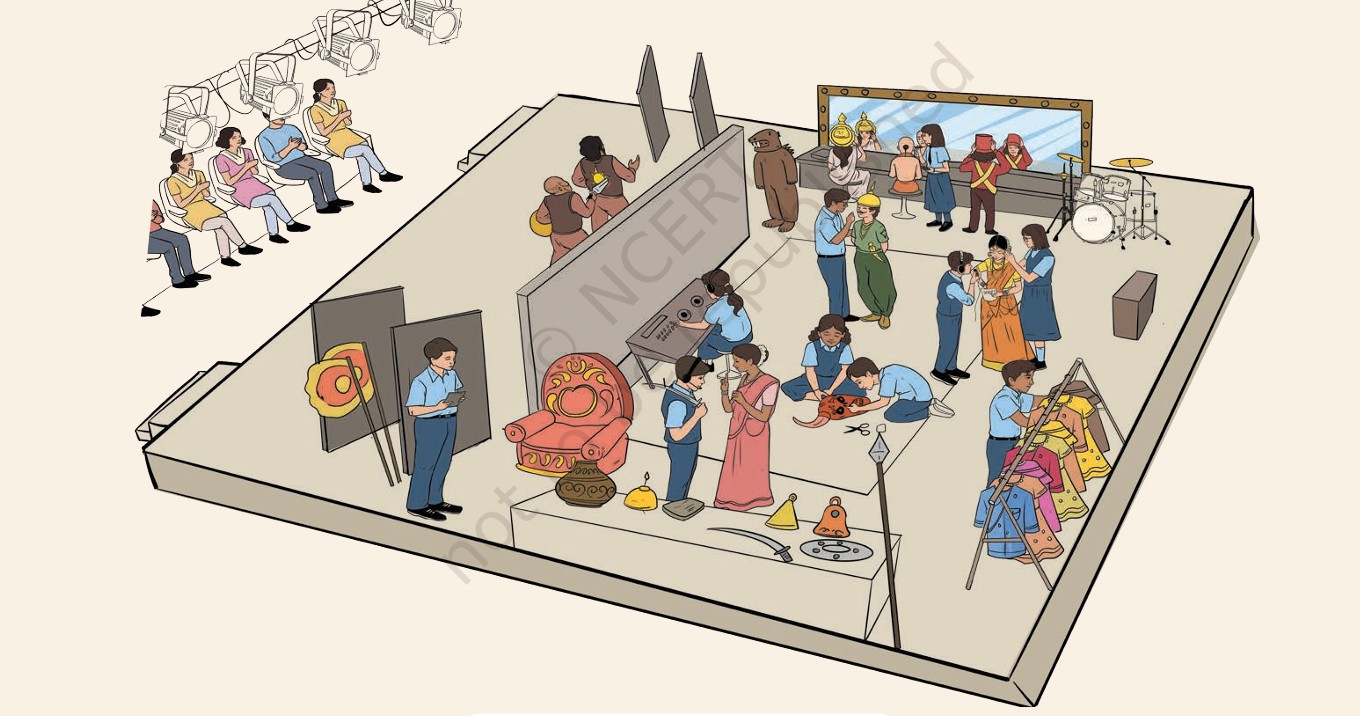
Production is the process of planning, organising and managing all the practical and technical requirements of a performance. It ensures that performers, music, stage, costumes, lighting, sound and props are ready and work together smoothly.
Main Elements of Production
1. Planning
First, decide the theme, title, date, time, venue and duration of the performance. Prepare a schedule and assign responsibilities to different team members.
2. Stage Arrangement
The stage should be arranged according to the performance. This may include:
- Background and set
- Props
- Seating or standing positions
- Space for musicians and dancers
- Entry and exit areas
3. Sound
The production team must arrange:
- Microphones
- Speakers
- Musical instruments
- Amplifiers, if required
- Sound checks
The sound should be balanced so that singers, musicians and instruments can all be heard clearly.
4. Lighting
Lighting helps create the right mood and atmosphere. Different lighting can be used for different parts of the performance.
For example:
- Bright lighting → celebration and happiness
- Soft lighting → peaceful moments
- Dim lighting → serious or dramatic scenes
5. Costumes and Make-up
Costumes should match the theme and cultural background of the performance. For an Assamese cultural presentation, traditional Assamese clothing can help communicate the region’s identity.
6. Props and Materials
All required objects should be prepared in advance. For an orchestra, this may include musical instruments, stands, microphones, decorations and other stage materials.
7. Backstage Management
The backstage team ensures that performers and equipment are ready at the correct time. They manage:
- Performer entry and exit
- Props
- Instrument placement
- Costume changes
- Scene or group changes
8. Technical Rehearsal
Before the final performance, conduct a technical rehearsal. Check the sound, lighting, stage movement, instruments and cues.
2. PROMOTION
Promotion is the process of informing people about a performance and encouraging them to attend or watch it. Good promotion creates interest and helps the performance reach the right audience.
Main Elements of Promotion
1. Posters and Banners
Create attractive posters containing:
- Name of the performance
- Theme or title
- Date and time
- Venue
- Names of performers, if required
- A short message about the programme
2. Announcements
The event can be announced through:
- School assembly
- Classroom announcements
- Notice boards
- School newsletters
- Appropriate school communication groups
3. Invitations
Teachers, parents, students and guests can be invited through printed or digital invitations.
4. Social Media and Digital Promotion
Where permitted by the school, the event can be promoted through:
- School website
- Digital posters
- Short promotional videos
- School’s official social-media channels
5. Word of Mouth
Performers and students can tell their classmates, families and friends about the event. Personal recommendations can create interest in the programme.
3. SUPPORT
Support is an important part of organising a successful performance. It means providing the people, resources, guidance, equipment and teamwork needed to help performers present their best work.
1. Teacher’s Support
Teachers can guide students throughout the preparation. They may help with:
- Selecting the performance
- Planning rehearsals
- Improving musical or acting skills
- Giving constructive feedback
- Managing the stage programme
- Encouraging students to participate confidently
2. Family Support
Parents and family members can support performers by:
- Encouraging regular practice
- Helping arrange costumes and materials
- Attending the performance
- Motivating students when they face difficulties
3. Technical Support
Technical teams are responsible for the equipment required for the performance.
This may include:
- Microphones
- Speakers
- Sound systems
- Lighting
- Music playback equipment
- Electrical arrangements
A technical rehearsal should be conducted before the final performance.
4. Stage and Backstage Support
The stage team manages the practical arrangements behind the performance.
Their responsibilities may include:
- Arranging the stage
- Placing instruments
- Managing props
- Helping performers enter and leave the stage
- Organising costumes
- Maintaining order backstage
5. Musical Support
Musicians and music teachers can help performers with:
- Rhythm and tempo
- Instrumental accompaniment
- Vocal practice
- Understanding the song
- Coordination between different musical parts
For an Assamese orchestra, musicians can help students understand instruments such as the dhol, pepa, gogona and taal.
6. Audience Support
The audience also contributes to the success of a performance. Listening carefully, maintaining discipline and appreciating the performers through applause can encourage students and create a positive atmosphere.
7. Teamwork
A performance is a collective effort. Performers, teachers, musicians, stage workers, technical teams and volunteers must communicate and cooperate with one another.
PART C: PERFORM
ACTIVITY 9.6: FINAL PERFORMANCE
Final Performance is the last stage of preparing and presenting a musical, theatrical or cultural programme. After completing planning, production, promotion, rehearsal and feedback, performers present their work before an audience.
Before the Performance
Before going on stage, make sure that:
- All performers are present and ready.
- Costumes and make-up are complete.
- Musical instruments are tuned and arranged.
- Microphones and sound equipment are checked.
- Lighting is tested.
- Props and stage materials are in place.
- Everyone knows their entry and exit points.
- Performers are familiar with the order of the programme.
- A final warm-up and practice is completed.
During the Performance
Performers should:
- Enter the stage confidently.
- Maintain correct rhythm, timing and synchronisation.
- Listen carefully to other performers.
- Use appropriate facial expressions and body movements.
- Follow the planned sequence.
- Respond to cues from the music, conductor or stage team.
- Maintain concentration even if a small mistake occurs.
- Communicate the emotion and meaning of the performance.
- Respect and support other performers.
- End the performance together and confidently.
CONCLUSION
Performance is the final expression of all the planning, practice, creativity and teamwork involved in preparing a musical or theatrical presentation. A successful performance is not only about presenting songs, dance or drama but also about communicating emotions, ideas and cultural traditions to the audience.
Through performance, students develop confidence, discipline, creativity, communication skills and teamwork. They learn to listen to others, manage stage responsibilities and respond positively to feedback. Cultural performances also provide an opportunity to understand and appreciate India’s rich artistic heritage.
The journey from ideation and rehearsal to production, promotion and final performance teaches students that every successful presentation requires cooperation and dedication.