
Introduction
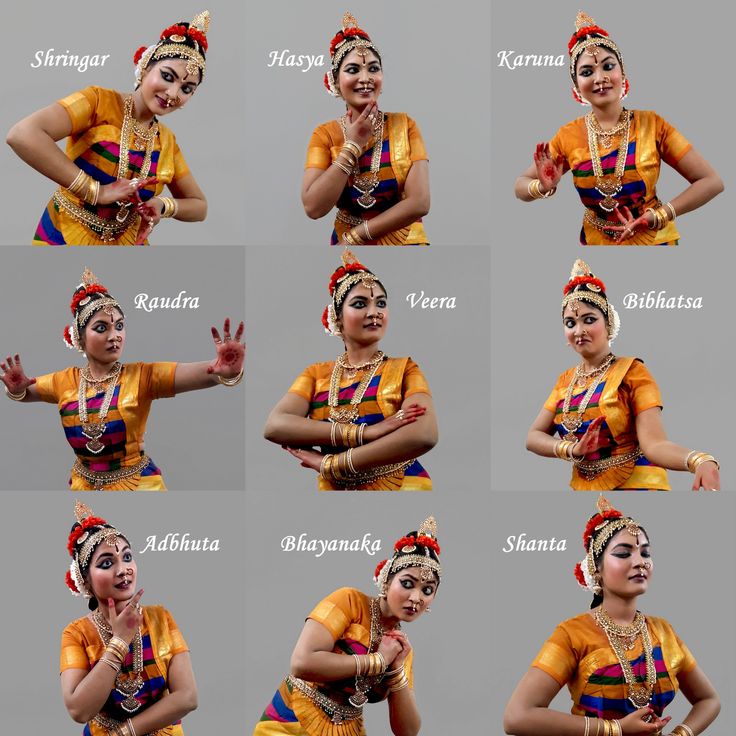
“Dance, You and Creativity” is a chapter that explores dance as a powerful form of self-expression, communication and creativity. Dance is not only about performing steps; it is also a way of expressing emotions, ideas, stories and imagination through body movements, rhythm, gestures and expressions.
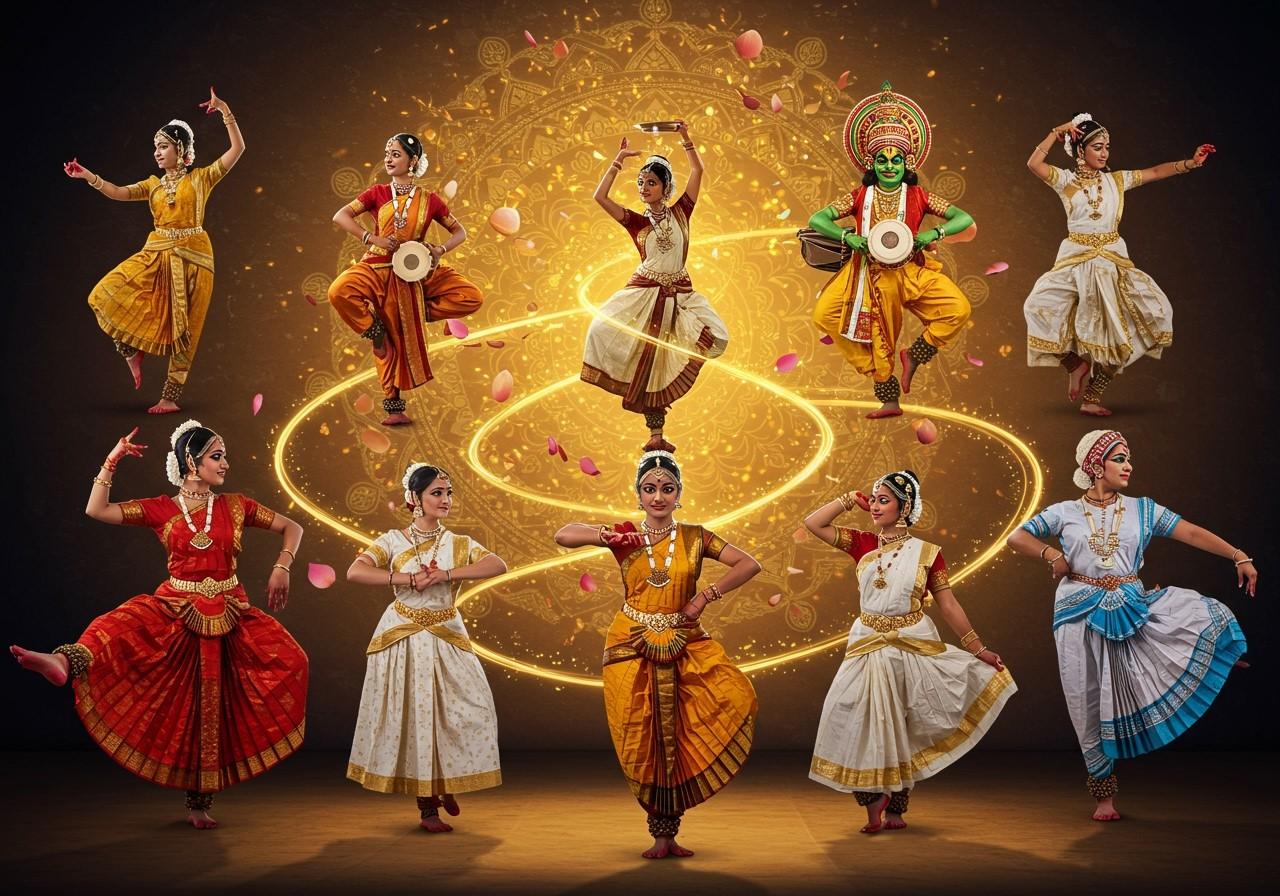
The chapter introduces students to different aspects of Indian dance, including Nritta, Nritya and Natya, dance movements, hand gestures, rhythm, jumps, turns, costumes and character portrayal. It also explores India’s rich dance traditions and shows how artists can transform traditional forms through creativity and innovation.
Through examples such as Kuchipudi, Chhau, Ankiya Bhaona, Rabindra Nritya and the work of Uday Shankar, students understand that dance can preserve cultural traditions while also developing new forms of artistic expression.
Movements of Hips in Dance
After exploring the movement of upper torso, lower torso, arms and legs you will now see the movement of the hips and the kati — another body part mentioned in the Natyasastra.
Hips and the kati
The hips and Kati (कटि) are important parts of the body in Indian dance. The Sanskrit term Kati generally refers to the waist, hip region, or lower-trunk area. In dance, controlled movement of this region contributes to balance, posture, rhythm, body shapes and graceful transitions.
Hip movements are an important part of dance vocabulary. They help dancers create rhythm, balance, expression, body shapes and dynamic movement. Depending on the dance tradition, hip movements may be subtle and controlled or energetic and expressive.
Natyashastra
The Natyashastra is one of the most important ancient Indian texts on theatre, dance, music, acting and aesthetics. It is traditionally attributed to Bharata Muni and is generally dated to the early centuries BCE/CE, though its composition developed over time.
Natyashastra and Dance
The Natyashastra describes many aspects of movement and dance. It discusses concepts including Nritta, Nritya and Natya, which are useful for understanding different dimensions of Indian dance.
Nritta
Pure dance movements performed primarily for their rhythm, movement and visual beauty, without conveying a specific narrative meaning.
Nritya
Expressive dance in which gestures, facial expressions and body movements communicate meaning and emotion.
Natya
Dramatic representation involving character, story and acting.
What Are Hip Movements?
Hip movements involve controlled movement of the pelvis and hip area in different directions. They can be combined with movements of the legs, torso, arms and head.
Common movements include:
- Side-to-side movement
- Forward and backward movement
- Circular movement
- Shifting weight from one leg to another
- Controlled hip bends
- Rhythmic hip movements
The exact technique depends on the dance style.
Hip Movements and Rhythm
Hip movements can strongly connect the body to the beat and rhythm of music.
A dancer may move the hips:
Left → Right → Left → Right
or create a circular pattern:
Forward → Side → Back → Side → Forward
When coordinated with footwork, these movements create a smooth rhythmic flow.
Hip movements in Indian dance tradition play a vital role in expressing the rhythm and emotion of the song. While their specific use and style can vary across different classical and folk dance forms, they are characterised by grace, precision and fluidity.
Below are the hip movements intricately woven into Indian dance traditions.
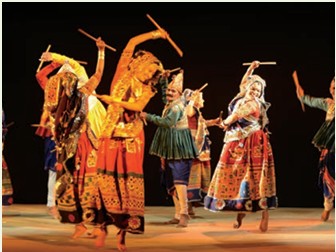
1. Twisting of the hip
Twisting of the hip is a dance movement in which the hip and pelvic region gently rotates or shifts from one side to another, often working together with the waist, torso and legs. It can add rhythm, fluidity, energy and expressive body shapes to a dance performance.
Garbha uses the movement of twisting in its style of turning.
2. Side to side
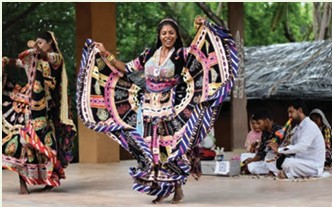
Side-to-side hip movement is a simple dance movement in which the hips gently shift from the right side to the left side in a controlled and rhythmic manner. It is often coordinated with the feet, knees, torso and music.
In many folk dances of our country, you can observe side-to-side hip movements, for example, the Kalbelia.
3. Back and front
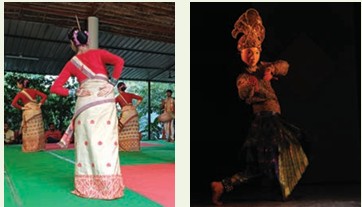
Back-and-front hip movement is a basic dance movement in which the hips gently shift forward and backward in a controlled and rhythmic manner. It can be combined with footwork, knee bends and torso movements to create rhythm, flow and expressive body shapes.
A few Indian dance traditions feature back-and-forth hip movements. You can observe such movements in dances like the Bihu and Chhau.
Circular
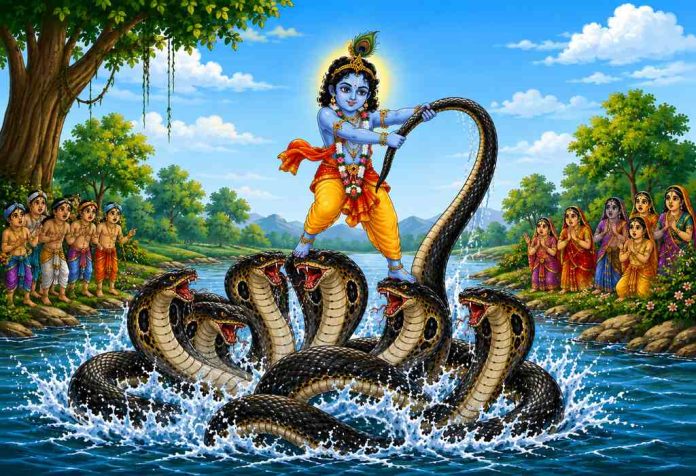
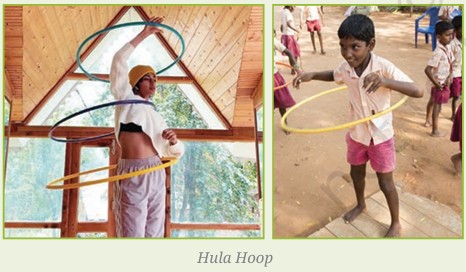
How do you rotate a hula hoop? Have you observed hip rotation while using one? For instance, can a snake dance have circular hip movements?
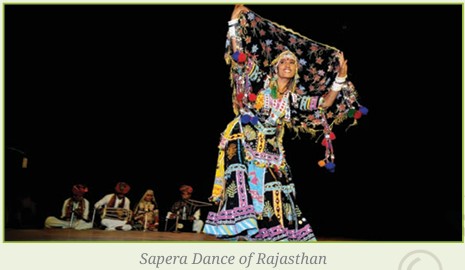
1. Sapera Dance of Rajasthans
Sapera Dance, also known as Kalbelia Dance, is a vibrant traditional folk dance of Rajasthan, India. It is closely associated with the Kalbelia community and is famous for its graceful, flowing movements that resemble the movements of a snake.
What Is Sapera Dance?
The word Sapera is associated with traditional snake charmers, while the dance reflects the community’s historical cultural connection with snakes and snake-related traditions.
The dancers use flexible body movements, graceful bends, hip movements, hand gestures, turns and spins to create a flowing appearance.
2. Hula Hoop
Hula hoop is a circular hoop that can be used as a dance and movement prop. In creative dance, performers move the hoop around different parts of the body while combining it with rhythm, balance, coordination, turns and expressive movements.
What Is Hula Hoop?
A hula hoop is a lightweight circular ring that a dancer can rotate around the waist, hips, arms, hands or legs. When used in dance, it becomes more than a simple exercise tool—it can be used to create interesting shapes, patterns and visual effects.
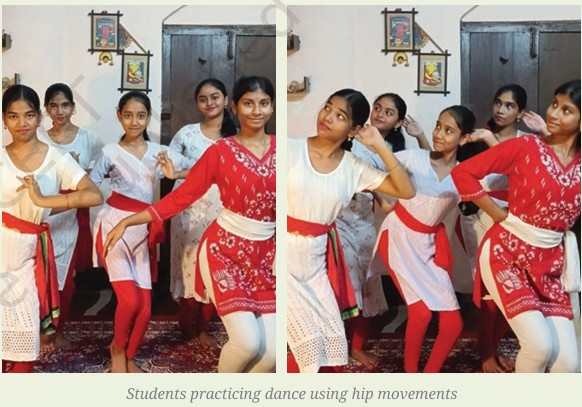
ACTIVITY 12.1: DANCE WITH HIP MOVEMENTS
Now, observe such hip movements in different Indian dances and try to replicate them. Create your own dance with characters and animals, and add appropriate hip movements for it.
Traditions and Transformations Beyond Boundaries
In Kriti, Grade 6, we discussed many dance traditions and the role of male and female dancers. In solo traditions, the solo dancer plays different roles and switches from one character to another. There was a strong tradition of female dancers all over India, who enacted stories and poetries, taking on various roles. Simultaneously, there were male dancers who sometimes performed in the garb of a woman. One such personality is the famous Kuchipudi dancer, Vedantam Satyanarayana Sarma, who performed in female costume.
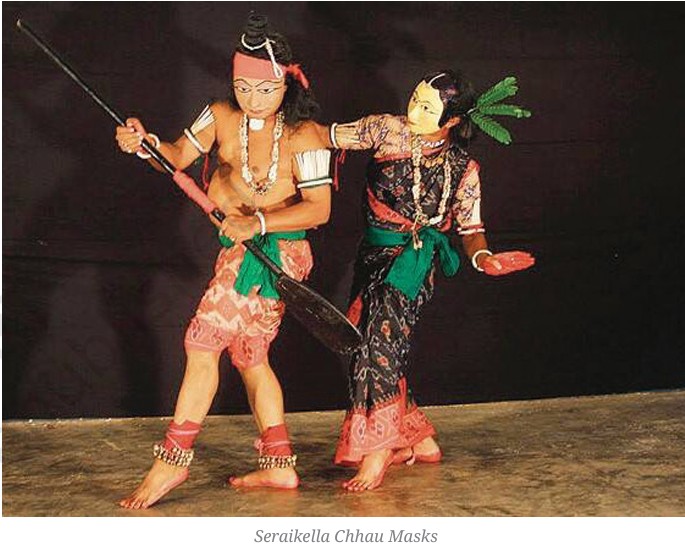
In traditional dance-drama traditions male dancers often take on the role of women and their costume decides the portrayal of the character. Some dance traditions also use masks for portrayals like Chhau which we learnt about in Kriti, Grade 6.
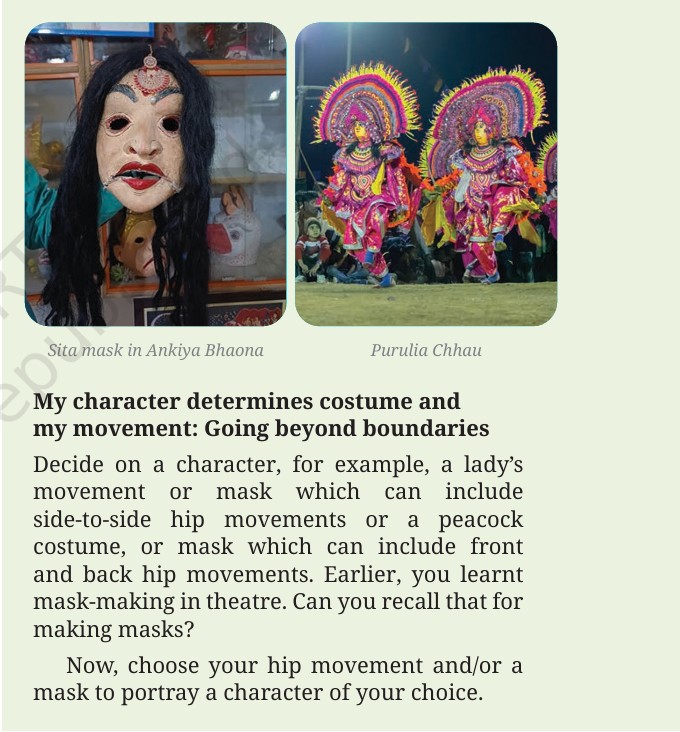
We will learn about two more such performance traditions where men have traditionally been playing female characters. Though now both traditions are welcoming women into their traditional practises.
“Traditions and Transformations: Beyond Boundaries” explores how traditional art forms can grow, change and connect with new ideas while still preserving their cultural identity. It encourages us to understand that art is not fixed—it continues to evolve as artists experiment with new techniques, materials, technologies and forms of expression.
Chhau Dance
Chhau is a vibrant Indian dance tradition known for its powerful movements, energetic jumps, spins, martial techniques and dramatic storytelling. It is mainly associated with eastern India and has three major styles: Seraikella Chhau, Purulia Chhau and Mayurbhanj Chhau.
What Is Chhau?
Chhau combines elements of:
- Dance
- Martial movements
- Folk traditions
- Dramatic storytelling
- Music
- Acrobatics
The dance often presents stories from Indian epics, mythology, nature and everyday life.
Chhau = Dance + Martial Movement + Rhythm + Storytelling
Three Major Styles of Chhau
1. Seraikella Chhau
Seraikella Chhau developed in the Seraikella region of Jharkhand. It is known for its refined movements, controlled body language and expressive masks.
2. Purulia Chhau
Purulia Chhau is associated with West Bengal and is famous for its colourful masks, energetic jumps and dramatic costumes.
3. Mayurbhanj Chhau
Mayurbhanj Chhau comes from Odisha. This style is especially known for its vigorous movements, strong footwork and martial influence.
Movement Techniques in Chhau
Chhau dancers use many dynamic movements, including:
Jumps and Leaps
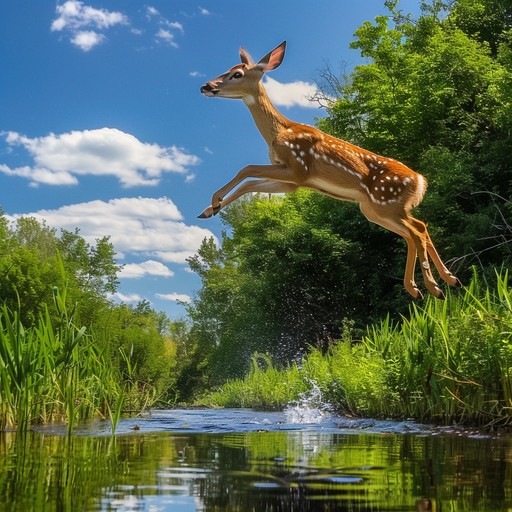
Powerful jumps create energy and dramatic effect. Dancers may leap into the air and land in controlled positions.
Spins and Turns
Turning movements add speed and excitement to the performance.
Martial Movements
Many movements are inspired by traditional martial practices. These include strong stances, attacks, defensive actions and energetic footwork.
Body Shapes
Dancers use the whole body to create shapes representing:
- Animals
- Birds
- Warriors
- Gods and goddesses
- Characters from stories
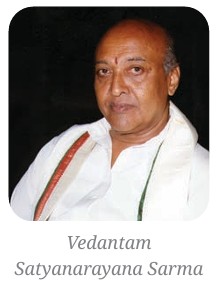
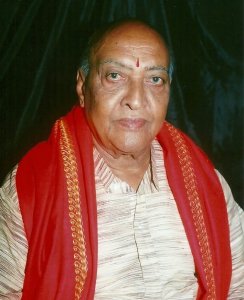
Vedantam Satyanarayana Sarma
Vedantam Satyanarayana Sarma (1907–1996) was a renowned Kuchipudi dancer, guru and choreographer from Andhra Pradesh. He is remembered especially for his exceptional abhinaya (expressive acting) and his famous portrayal of Satyabhama in the traditional Kuchipudi dance-drama Bhama Kalapam.
Early Life
Vedantam Satyanarayana Sarma was born in Kuchipudi village, Andhra Pradesh, a place closely associated with the development of the Kuchipudi tradition. He came from a family connected with the performing arts and received traditional training from an early age.
He studied dance, acting, music and Sanskrit, developing a deep understanding of the traditional Kuchipudi performance style.
Contribution to Kuchipudi
Sarma played an important role in preserving and promoting Kuchipudi. His performances demonstrated how dance could combine:
- Nritta – pure rhythmic movement
- Nritya – expressive dance
- Natya – dramatic storytelling
- Abhinaya – expressive acting
- Hand gestures
- Facial expressions
- Rhythmic footwork
His work helped audiences appreciate Kuchipudi not only as dance but also as a complete form of dance-drama and storytelling.
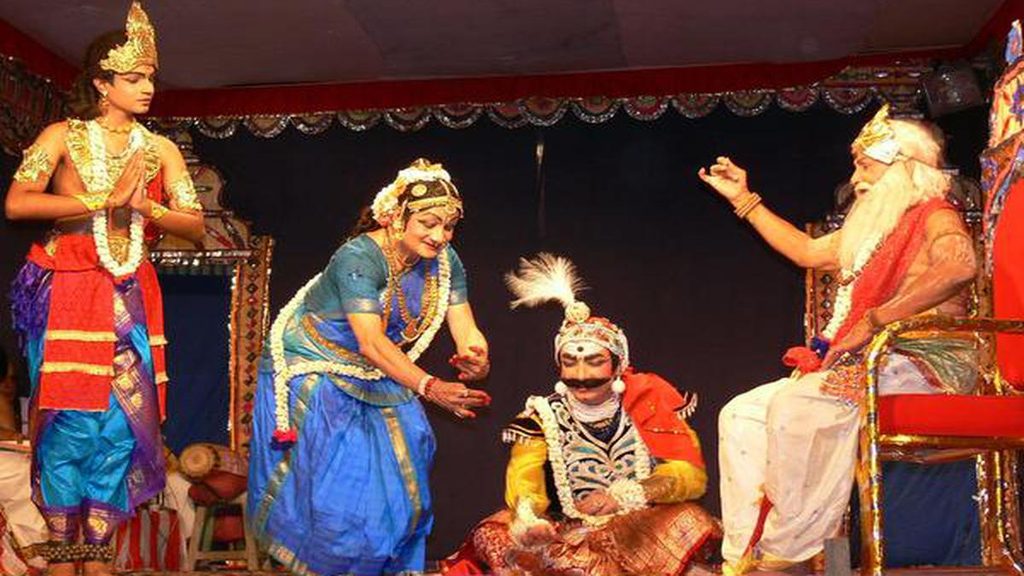
Bhagavata Mela Natakam from Melattur, Tamil Nadu
A dance-drama tradition of southern India. This form to originated in the village of Kuchipudi in Andhra Pradesh, the main protagonists were Tirtha Narayana Yati and Siddhendra Yogi. Some bhagavatars moved from Andhra after the decline of the Vijayanagara Empire to Melattur, Thanjavur patronised by the Nayaka kings and thus started the Melattur tradition.
Famous Sanskrit scholars, Gopal Krishna Shastri and his son Venkatrama Shastri became disciples of saint Narayana Tirtha Yati. Patrons, Achyutappa Nayak and Sevappa Nayak gifted the village Mellatur to these Brahmans and it became a centre of fine arts. Early 20th century CE, the most famous bhagavatar was Natesha Iyer, and after his death, the troupe was continued under G. Swaminathan. Other important persons were Balu Bhagavathar and T.V. Natesh Bhagavathar. E. Krishna Iyer was instrumental in reviving the tradition with the Madras Music Academy in 1950.
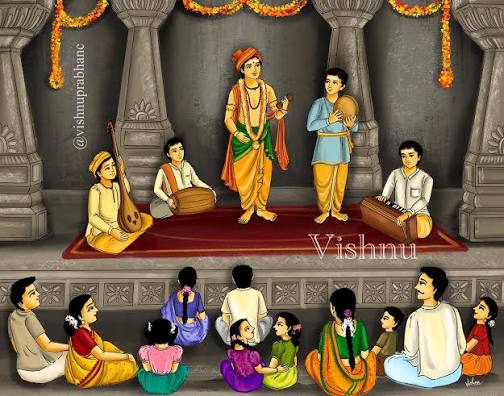
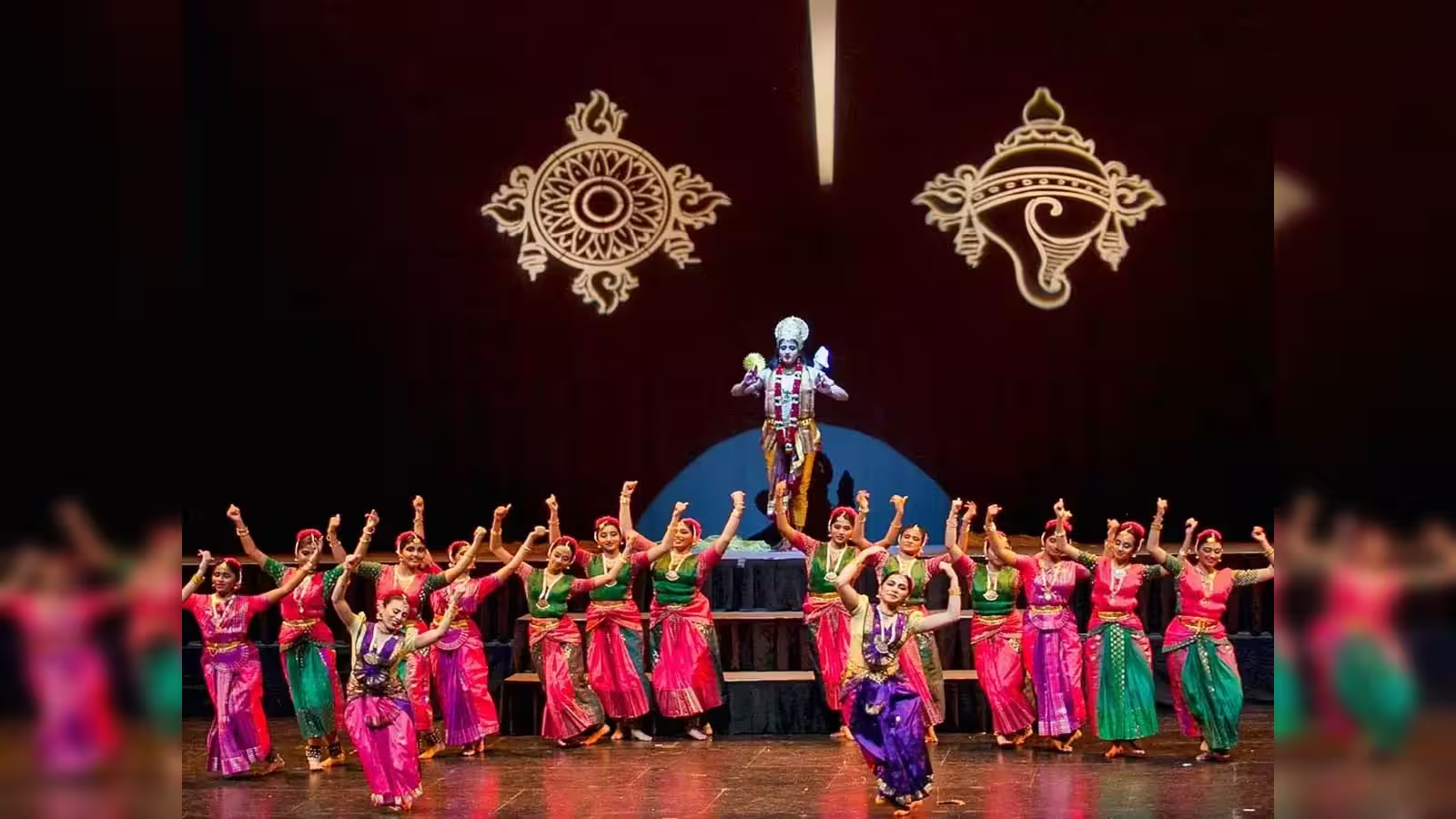
The main performance was Prahlada Charitam at the Varadaraja Perumal temple during Narasimha Jayanti in May or June. Conventionally male dancers play the role of women.
Melattur is a village in Tamil Nadu that is especially famous for its connection with the traditional Bhagavata Mela dance-drama tradition. It is an important centre for the performance of devotional theatre combining dance, music, acting and storytelling.
What Is Melattur Known For?
Melattur is closely associated with Bhagavata Mela, a traditional Sanskrit-Telugu dance-drama tradition. Performances are traditionally connected with religious and mythological stories, particularly stories related to Lord Vishnu and his incarnations.
The performances combine:
- Dance
- Drama
- Music
- Acting
- Abhinaya
- Devotional storytelling
Bhagavata Mela
Bhagavata Mela is traditionally performed as a community-based theatre tradition. Performers present mythological stories through a combination of dramatic acting and dance.
One of the best-known performances is Narasimha Natakam, which portrays the story of Lord Narasimha and Prahlada.
N. Sreekanth Natarajan
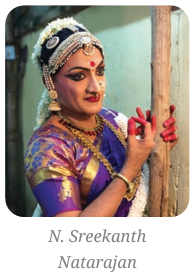
N. Sreekanth Natarajan is associated with Indian classical dance and the Kuchipudi tradition. He is known as a dancer and performer, contributing to the presentation and appreciation of Indian classical dance through performance and artistic practice.
Tradition and Transformation
Artists such as N. Sreekanth Natarajan demonstrate how Indian classical dance continues to develop while remaining connected to its traditional foundations. Through performance, training and creative interpretation, dancers help bring classical traditions to contemporary audiences.
Ankiya Bhaona from Assam
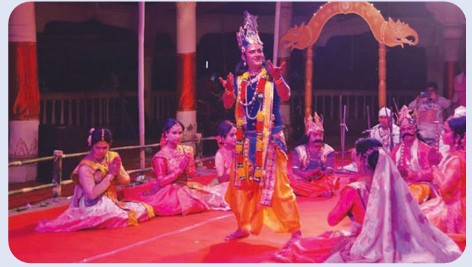
Ankiya Nat is a dance-drama tradition from Assam which developed in the 15th century CE. Following the tradition of singing and dancing of Vaishnavism, namghars and sattaras were established where the monks who were all males performed stories of the Bhagavata purana through music and dance. A certain kind of presentation of ankiya nat is called bhaona which combines live instruments, singers, dance and elaborate costumes in production. Masks are important props in this nat tradition. The bhaona begins with a Sanskrit benediction and the songs are in Brajaboli. The most important namghar is the Kamalabari Sattara in Majuli, Assam.
Meaning of Ankiya Bhaona
The word “Ankiya” is associated with a one-act play, while “Naat” means drama or play. Thus, Ankiya Naat refers to a one-act dramatic composition, and Ankiya Bhaona refers to its theatrical presentation.
It is much more than ordinary theatre because it combines:
- Drama
- Dance
- Music
- Singing
- Poetry
- Dialogue
- Costumes
- Masks
- Make-up
- Gestures and movement
This combination makes Ankiya Bhaona an important example of India’s traditional performing arts.
2. Origin and History
Ankiya Bhaona developed through the artistic and religious activities of Srimanta Sankardev in medieval Assam. His objective was to communicate devotional and ethical ideas to ordinary people through accessible artistic forms. His dramatic works became an important part of the cultural tradition associated with Assam’s Vaishnava movement.
Sankardev’s disciple Madhavdev also contributed to the dramatic tradition by composing plays that were performed in Bhaona.
3. Religious and Cultural Background
Ankiya Bhaona is closely connected with the Neo-Vaishnavite cultural tradition of Assam. Its stories frequently draw upon Hindu religious literature and mythology.
The performances communicate ideas such as:
- Devotion
- Truth
- Goodness
- Compassion
- Moral conduct
- Victory of good over evil
- Importance of spiritual values
Thus, Bhaona traditionally served both as religious instruction and artistic entertainment.
4. Where is Ankiya Bhaona Performed?
Traditionally, Bhaona is performed in places associated with Assamese Vaishnavite culture, particularly Namghars and Sattras. Namghars are congregational spaces that also serve cultural and community functions, including dramatic performances.
A Satra is a Vaishnavite institutional centre associated with the religious and cultural tradition established by Sankardev and his followers.
5. Important Performers
Several specialized performers contribute to a Bhaona presentation.
Sutradhara
The Sutradhara is one of the most important figures in the performance. He introduces and explains the story, participates through singing and movement, and helps guide the audience through the dramatic action.
Bhaoriya
Bhaoriya refers to the actors who portray the characters in the play.
Gayan
The Gayan are the singers who provide the vocal and musical component.
Bayan
The Bayan are instrumentalists who accompany the performance with traditional instruments such as the khol and cymbals.
6. Music and Dance
Music and dance are essential parts of Ankiya Bhaona. The performance does not depend only on spoken dialogue.
It uses:
- Songs
- Rhythmic movements
- Dance sequences
- Traditional percussion
- Cymbals
- Vocal performance
- Gestures
The Gayan-Bayan ensemble is particularly important to the musical and choreographic atmosphere of the performance.
7. Masks in Ankiya Bhaona
One of the most distinctive features is the use of masks (mukha).
Masks help the audience immediately recognize different characters, particularly supernatural, animal or larger-than-life figures. Assam has developed a remarkable mask-making tradition connected with Bhaona, and this craft has been preserved particularly through the Sattras.
Traditional masks can be made from materials such as:
- Bamboo
- Cane
- Clay
- Jute fibre
- Paper
- Cloth
- Other locally available materials
The mask tradition is therefore both a theatrical art and an important craft tradition of Assam.
8. Costumes and Ornaments
Costumes are another major feature of Ankiya Bhaona. They help audiences identify characters and communicate their nature and status.
Traditional costumes may include:
- Elaborate garments
- Headgear or Pag/Paguri
- Ornaments
- Jewellery
- Character-specific accessories
- Make-up
The costumes incorporate elements of Assamese cultural traditions while being adapted for theatrical presentation.
9. Language
The original Ankiya plays were associated with Brajavali, a literary language used by Sankardev and his tradition. Sanskrit and Assamese linguistic elements also appear in the dramatic presentation.
This mixture of language, music, dance and drama helped make the performances accessible while maintaining their devotional character.
10. Stories and Themes
Ankiya Bhaona generally presents stories connected with Hindu mythology and devotional traditions.
Common themes include:
- Stories of Krishna
- Stories of Rama
- Devotion to God
- Conflict between good and evil
- Moral values
- Spiritual knowledge
- Divine intervention
- Human responsibility
The stories were designed not merely for entertainment but also to communicate ethical and spiritual messages.
11. Importance in Indian Performing Arts
Ankiya Bhaona is significant because it brings together several artistic disciplines in one performance. It demonstrates how theatre, dance, music, literature, visual art and craft can work together.
It also shows how traditional art can be used as a means of education, cultural preservation and community participation. Sankardev’s artistic vision created a distinctive theatrical language combining poetry, music, dance-drama and local Assamese cultural elements.
Dance Traditions in Transition and Transformation
1.) During cultural reconstruction with the nationalist movement, there was a regeneration of classical dances and emergence of contemporary movement vocabulary.
Rabindranath Tagore
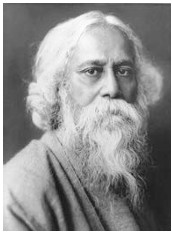
Rabindranath Tagore established one of the first fine arts universities, the Vishwabharati University in Shantiniketan in 1921. It was instrumental in developing a new dance vocabulary, drawing from our traditional dances that came to be known as Rabindra Nritya. He pioneered professional dance for women.
Rabindra Nritya
Rabindra Nritya is a dance style associated with Rabindranath Tagore and the artistic environment of Santiniketan in West Bengal. It developed through Tagore’s efforts to create a new form of dance expression by combining elements from different Indian and Asian dance traditions with his own songs, poetry and dramatic ideas.
Meaning of Rabindra Nritya
The word “Rabindra” refers to Rabindranath Tagore, while “Nritya” means dance.
Therefore, Rabindra Nritya can be understood as the dance tradition
associated with Tagore’s artistic vision.
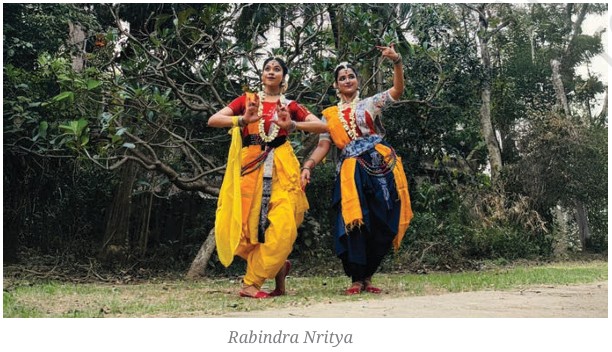
Rabindranath Tagore’s Contribution
Rabindranath Tagore (1861–1941) was a poet, writer, philosopher, composer, educator and artist. He played an important role in transforming the cultural environment of modern Bengal.
At Santiniketan, Tagore encouraged students to learn through music, dance, drama, literature and visual arts. He believed that artistic education could develop both creativity and sensitivity.
He therefore introduced dance and movement into many of his dance-dramas (Nritya Natya).
How Rabindra Nritya Developed
Rabindra Nritya did not develop as a single traditional classical dance system with a fixed vocabulary. Instead, Tagore drew inspiration from several dance traditions.
Influences included elements of:
- Manipuri
- Kathakali
- Bharatanatyam
- Folk dances
- Asian dance traditions
Tagore adapted these influences to suit his songs, poetry, stories and dramatic productions.
This makes Rabindra Nritya an excellent example of tradition and transformation.
2.) Now, try to dance two lines of a dance in Rabindra Nritya.
Uday Shankar
Uday Shankar was perhaps the pioneer of modern Indian dance. He began his dance career in 1920, dancing with Anna Pavlova with no formal training. He creatively amalgamated various dance traditions of India from classical, folk, traditional, and tribal to present a completely new dance style which has come to be known as the Uday Shankar His dance film Kalpana made in 1948 has remained unparalleled to date.
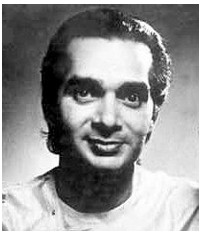
Watch some clips of Uday Shankar and film Kalpana from your QR Code, and try to dance few phrases of that.
Uday Shankar and Amala Shankar in a Performance
Uday Shankar and Amala Shankar were important figures in the development of modern Indian dance. Their performances combined Indian artistic traditions with new ideas of movement, stage design, music and choreography.
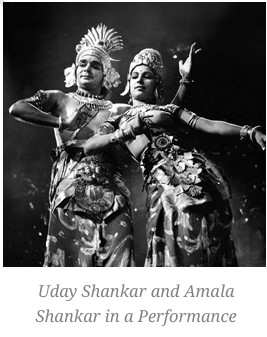
Uday Shankar
Uday Shankar (1900–1977) was a pioneering Indian dancer and choreographer. He is widely regarded as one of the major figures who helped introduce modern Indian dance to audiences in India and abroad.
Unlike a performer who simply followed one classical dance system, Uday Shankar experimented with movements and ideas from several Indian traditions.
He drew inspiration from:
- Indian classical dance
- Folk dance
- Sculpture
- Indian mythology
- Traditional theatre
- Yoga and body movement
- Visual arts
His approach emphasized creativity and individual artistic expression.
2. Amala Shankar
Amala Shankar (1919–2020) was an accomplished dancer and an important collaborator in Uday Shankar’s artistic work.
She became closely associated with the Uday Shankar style of dance and performed in productions with him and his dance company.
Amala Shankar was admired for her:
- Graceful movements
- Expressive acting
- Stage presence
- Strong understanding of choreography
- Contribution to the preservation of the Uday Shankar tradition
She continued to remain associated with dance and the artistic legacy of the Shankar family for many decades.
3. Their Performances
Uday and Amala Shankar’s performances were different from conventional presentations of a single classical dance form.
They combined:
Dance + Music + Drama + Visual Design + Storytelling
Their productions often presented stories inspired by Indian mythology, legends, nature and human emotions.
The dancers used the entire body to communicate ideas rather than relying only on a fixed traditional vocabulary.
4. Uday Shankar’s Innovative Approach
One of Uday Shankar’s greatest contributions was his willingness to experiment.
He studied traditional Indian artistic forms and transformed selected elements into a new theatrical language.
His choreography emphasized:
- Large and expressive body movements
- Sculptural poses
- Rhythmic patterns
- Group formations
- Dramatic gestures
- Facial expression
- Innovative stage arrangements
This made his performances visually striking and accessible to audiences unfamiliar with Indian classical dance.
5. Connection with Tradition and Transformation
This photograph/performance is particularly relevant to the NCERT Class 7 Kriti theme “Traditions and Transformations: Beyond Boundaries.”
Uday Shankar’s work demonstrates how an artist can:
Study tradition → experiment with different influences → transform movements → create a new form of expression.
He did not simply reproduce existing dance traditions. Instead, he created a modern Indian dance vocabulary using inspiration from many sources.
6. International Influence
Uday Shankar performed internationally and helped introduce Indian dance and culture to audiences outside India.
His work demonstrated that Indian dance could be presented in a new theatrical form while still retaining connections with India’s artistic heritage.
His international career also helped establish Indian dance as an important form of global cultural expression.
Choreography: from stage to screen
You have been getting used to the term choreography in dance. Now, you can see the same on screen.
Indian cinema throughout its existence has used many Indian dances in its choreography. Notable ones being Mughal-e-Azam, choreographed by Lacchu Maharaj and jhanak jhanak payal baje by Gopi Krishna. Many south Indian actresses were accomplished Bharatanatyam dancers and danced beautifully in movies. Bharat Ratna awarded, M S Subbulakshmi had a flair for abhinaya and performed such sequences in many of her films. In recent times, the famous kahe ched ched mohe choreography by Birju Maharaj became very popular. Beautiful Garba sequences and many other folk forms are also seen in many movies in every part of the country.
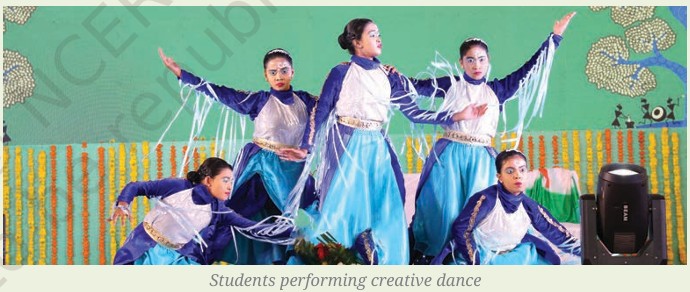
ACTIVITY : MY CREATIVE DANCE
Develop your creative dance using the patterns of movement learnt till now. Divide yourselves into groups of 1, 2, 3 and 4, respectively. Each group will work out different phrases of movement. Choose your composition, music swar and rhythm variations that you have practiced earlier. You can also choose a situation or represent a character and add emotions. Now, put together one complete dance joining the dance phrases of each group. You have, thus, gone through the complete process of composing and choreographing a dance.
Conclusion
“Dance, You and Creativity” teaches us that dance is a beautiful combination of movement, rhythm, expression, imagination and tradition. It encourages learners to understand their bodies, explore different movements and express themselves creatively.
The chapter also highlights that traditions are not always fixed. Artists can respect their cultural heritage while introducing new ideas, techniques and forms of expression. Thus, dance becomes a bridge between tradition and innovation, helping us appreciate India’s diverse cultural heritage while encouraging creativity and individual expression.