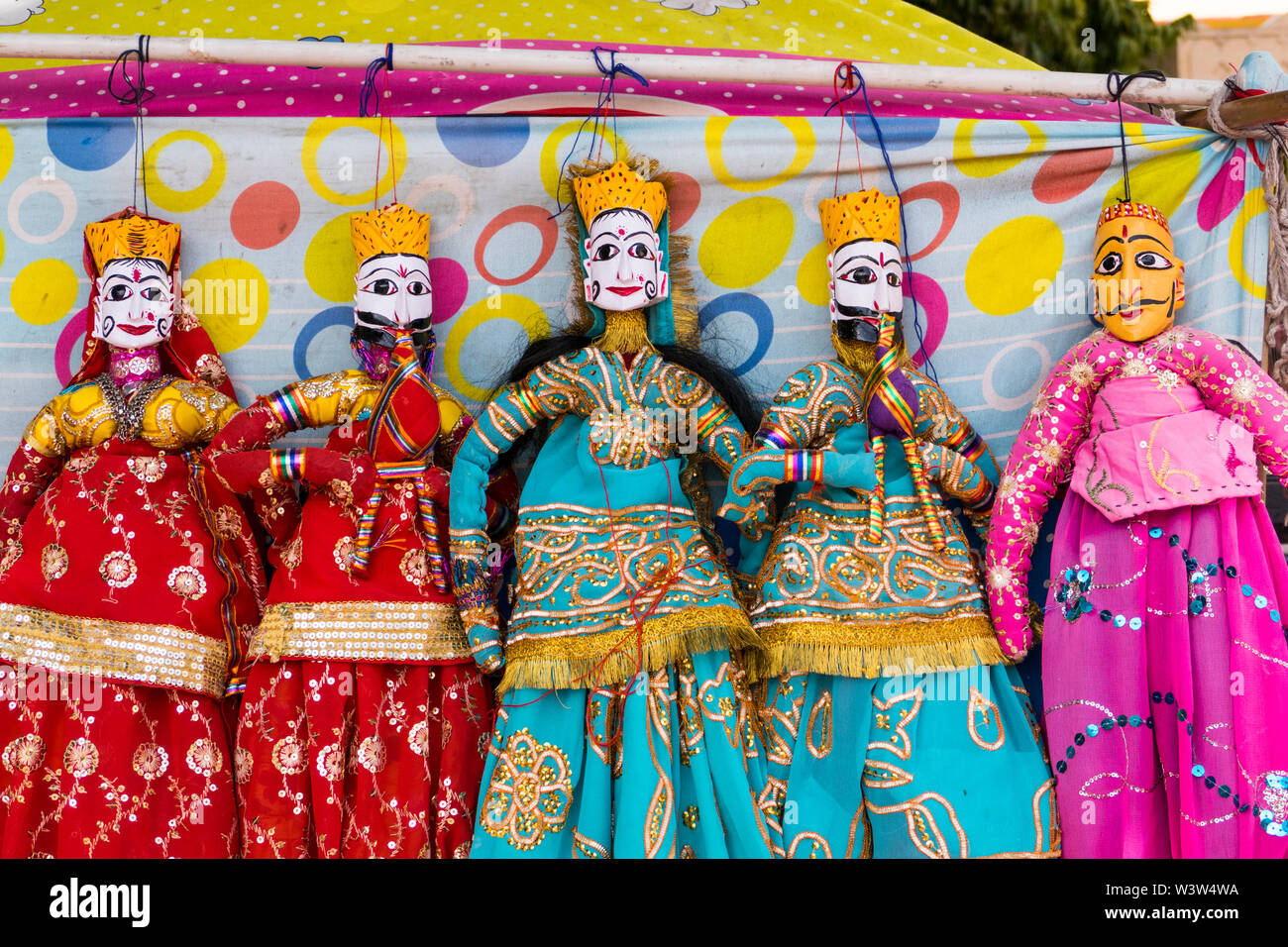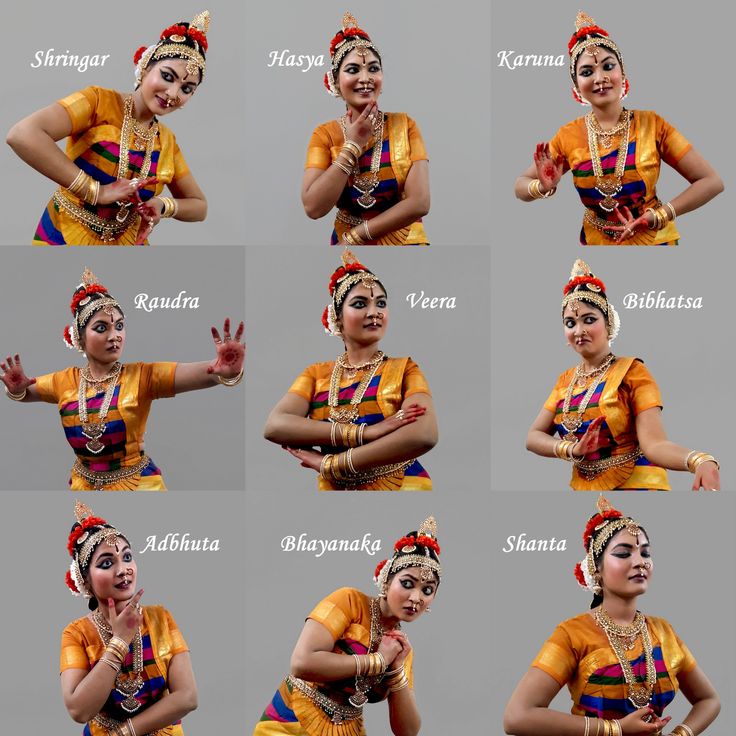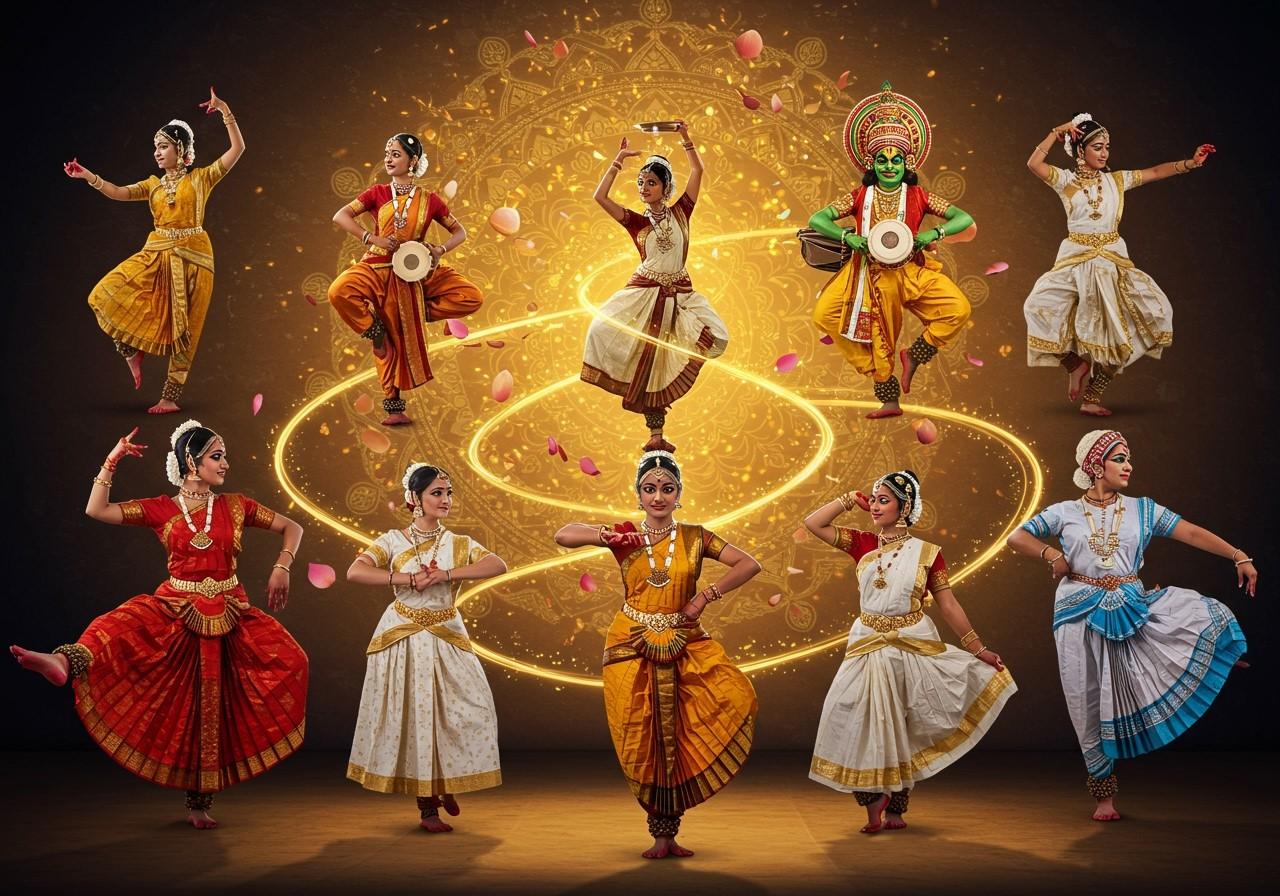

India has a rich and diverse tradition of storytelling that has been passed from one generation to another for centuries. Stories have been shared through oral traditions, songs, dance, theatre, puppetry, paintings, and written texts.
Indian storytelling traditions include ancient epics such as the Ramayana and Mahabharata, along with the Panchatantra, Jataka tales, folk tales, legends, and regional stories.
INTRODUCTION
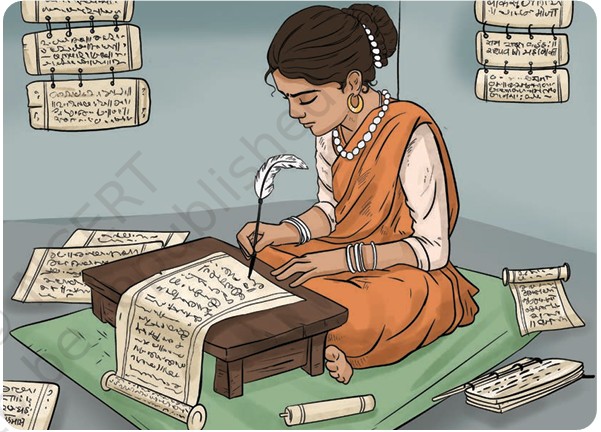
This chapter tells us about the rich storytelling traditions of India. It shows that storytelling is not just about speaking words. In India, storytelling become a beautiful performing art that included music, dance, pictures and puppets. The chapter presents storytelling through the voice of Kathanjali, a character who loves stories and represents the long journey of storytelling through time.
Kathanjali says that long ago people did not know stories well, so he created storytellers to share stories with everyone. These storytellers could remember stories and narrate them in interesting ways. In this way, stories spread among children, adults and old people across Bharata.
HOW STORYTELLING CHANGED OVER TIME
At first, storytelling was mainly oral. Storytellers would simply tell stories to listeners, but around the 2nd century BCE, Kathanjali noticed that sometimes people became bored or distracted. So she added pictures, music, dance and puppets to make storytelling more lively and attractive.
This changed storytelling into a full artistic experience. It became enjoyable for people of all ages. Different parts of India developed different methods of storytelling according to their own traditions and culture.
HARIKATHE
Meaning and Origin
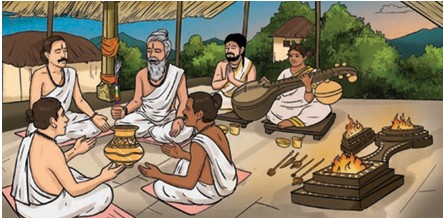
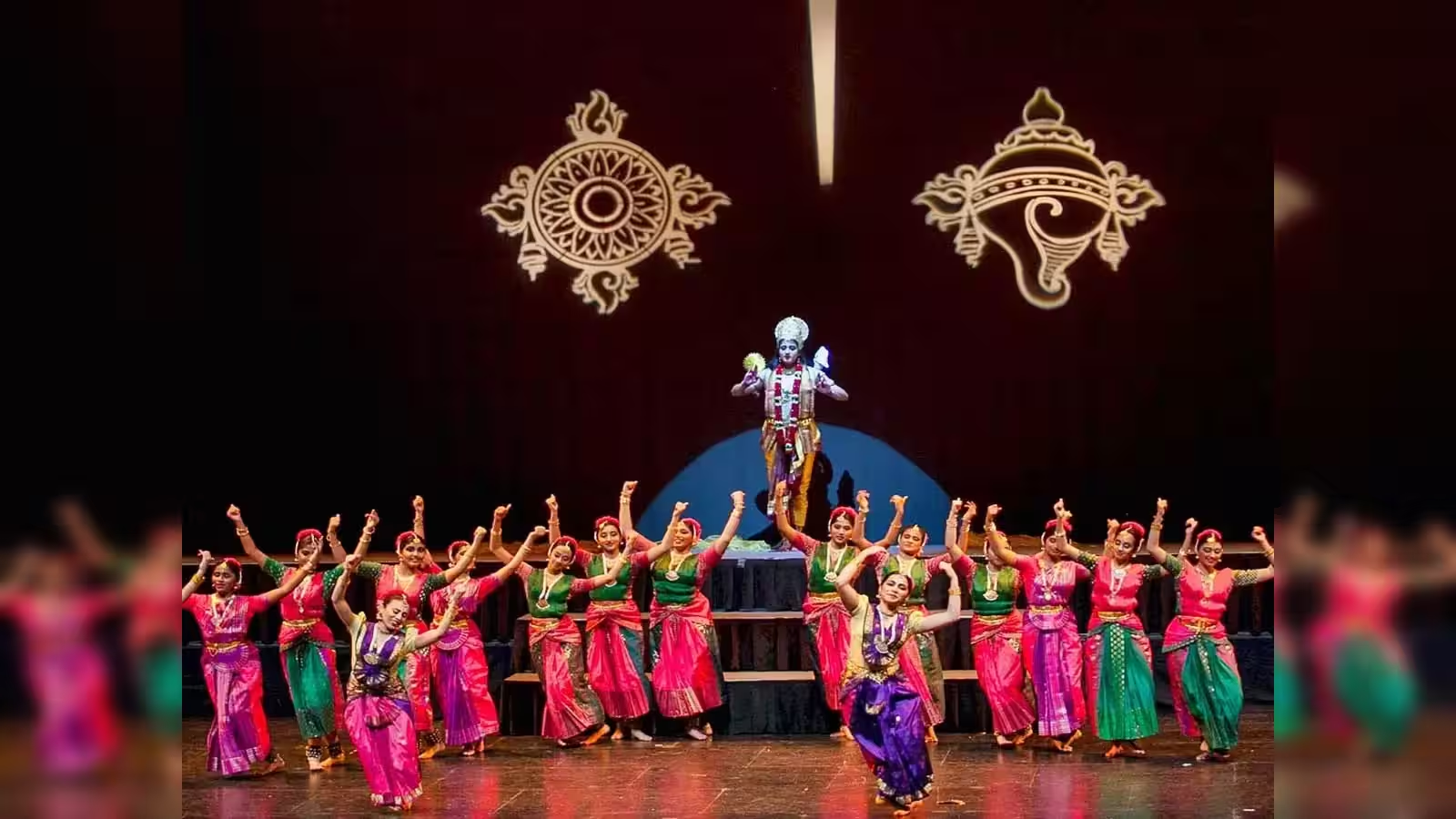
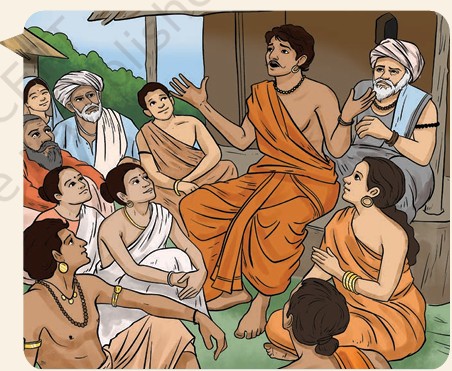
Harikathe is one of India’s important storytelling traditions. It developed in the southern part of Bharata during the 12th century. Kathanjali says that while travelling through the south, she saw beautiful temples and kings who supported art and culture. Still, many people were unware of the wonderful stories of the land.
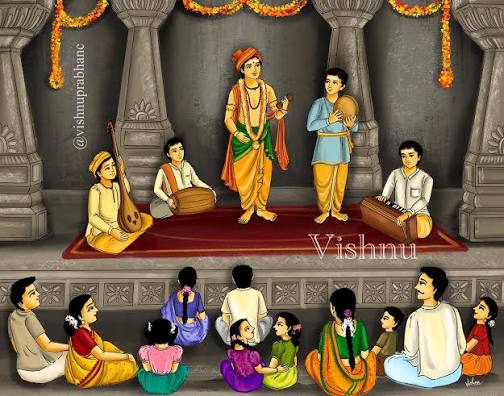
She remember Narada Muni, who travelled from place to place narrating stories of Lord Vishnu. Inspired by this, she encouraged the Bhagavatar community to tell stories through songs and dance. Since these stories were about Lord Hari, the art from came to be called Harikathe.
Features of Harikathe
- It used storytelling, music and dance together
- It was Interactive
- It taught religious and moral stories in an interesting way
- It connected with commom people easily
The storyteller is Harikathe was called Harikhathe Dasa. It became popular in Andhra Pradesh, Telangana, Maharashtra, Karnataka and Tamil Nadu.
GURURAJULU NAIDU AND HARIKATHE
The chapter also mentions Gururajulu Naidu, a famous Harikathe performer. He was born in 1931 and was a multilingual and multitalented storyteller. Because of his great contribution, he received the title Karnataka Harikathe pitamaha.
Earlier, Harikathe performances went on all night long, but Gururajulu Naidu changed the style and made them shorter, about 90 minutes. This was linked by audience because it made the performance easier to follow and suitable for modern times.
Gururajulu Naidu’s Contribution
Gururajulu Naidu became especially admired for his powerful narration and expressive presentation. Rather than simply telling a story, he made the audience feel as if they were witnessing the events themselves.
His performances demonstrated how music and storytelling can work together to communicate cultural knowledge.
He presented stories and themes connected with Indian epics and traditional literature, helping audiences—especially younger generations—connect with India’s storytelling heritage.
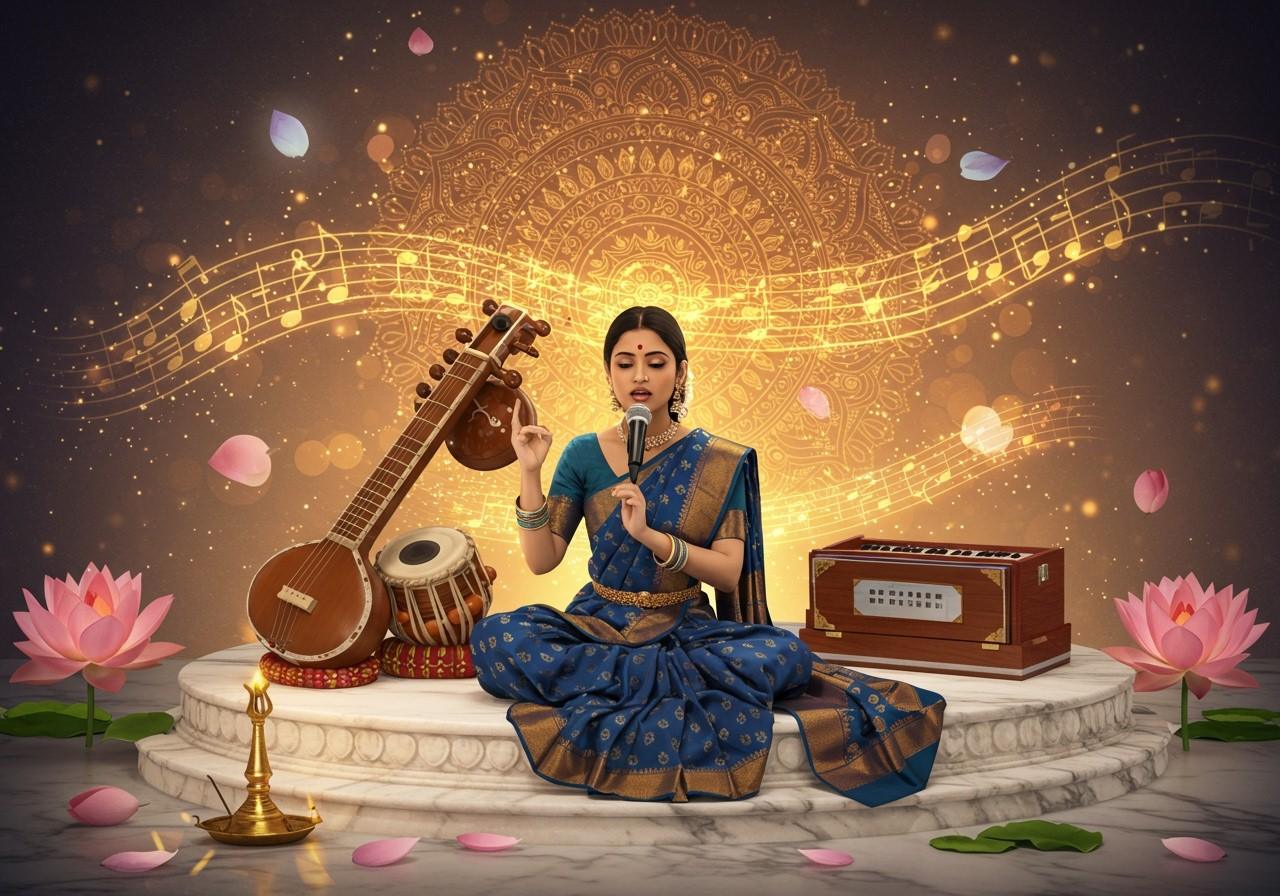
Music in Harikatha
Music is an essential part of Harikatha. The performer may sing songs at different points in the story to:
- Introduce a character
- Express an emotion
- Explain an event
- Create dramatic effect
- Emphasise a moral or spiritual message
Rhythm and musical accompaniment make the narration more engaging.
Importance of Harikatha
Harikatha is important because it brings together several art forms in one performance. It helps preserve:
Storytelling + Music + Literature + Theatre + Cultural Heritage
It also makes traditional stories easier for audiences to understand and remember.
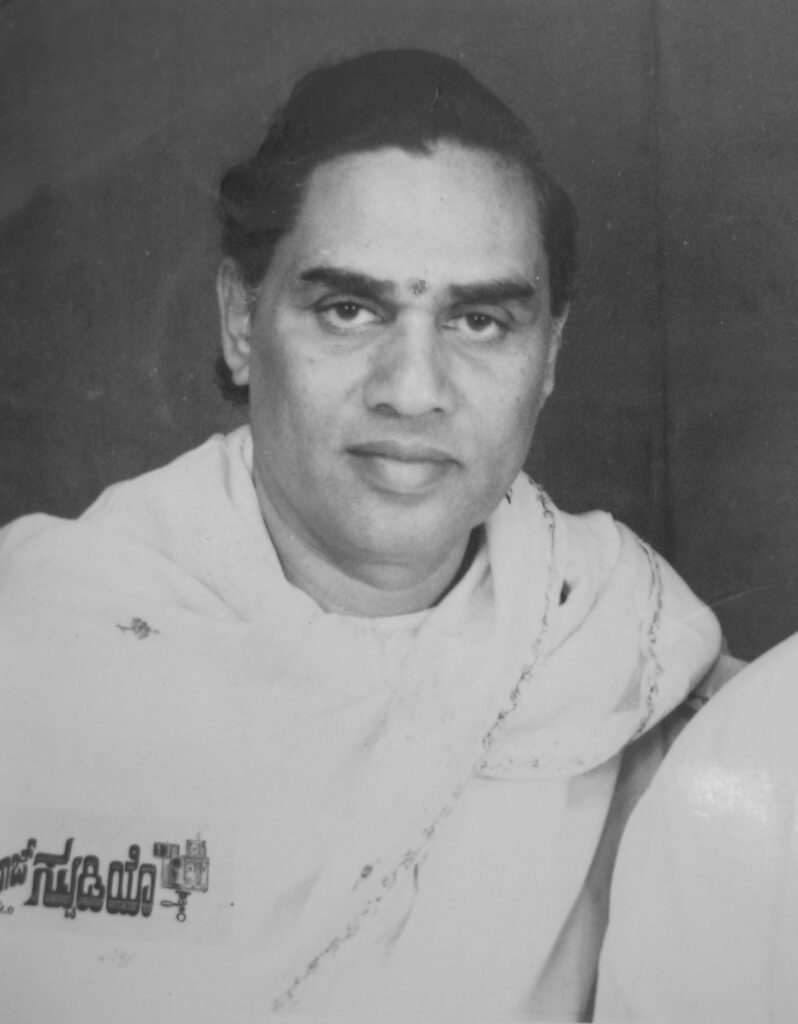
Some of his famous performances included:
- Bhakti Markendeya
- Bhakti Siriyala
- Mahi Ravana
- Maya Bazaar
- Nallathanga Devi
- Gaja Gowri Vrata
- Shri Krishna Garudi
- Lava Kusha
He also acted in films, showing that traditional artista can contribute to modern media too.
KAAVAD KATHA
Meaning and Origin
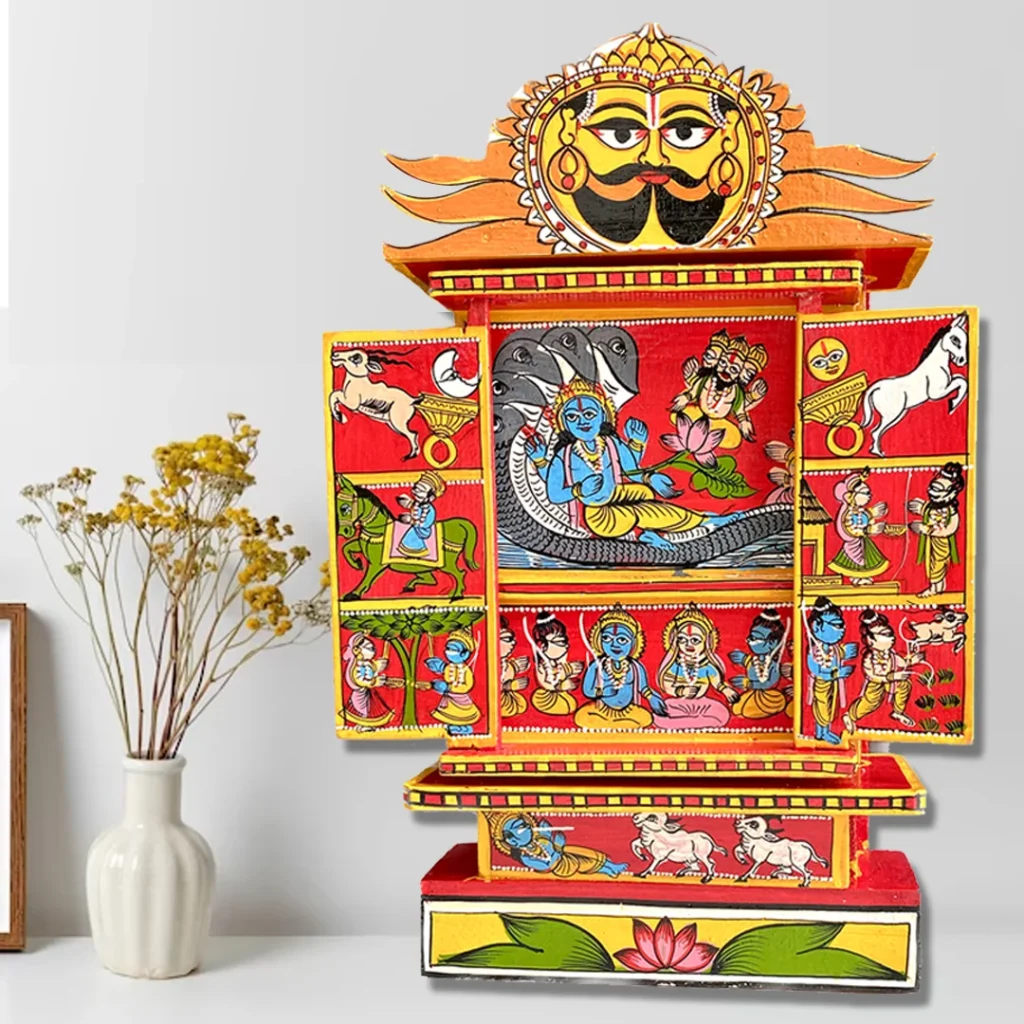
Kaavad Katha is another important storytelling tradition. It is more than 500 years old and belongs to Rajasthan. Kathanjali explains that many common people could not read scriptures like the Ramayana, Mahabharata and Puranas. So she asked the Bhaats, a craftspeople community in Rajasthan, to create a storytelling form that used pictures.
Pictures were useful because they did not need language, so anyone could understand them. The Bhaats from village to village carrying the Kaavad, a painted wooden storytelling box, and narrated stories in the local language. They also included songs.
Stories Told in Kaavad Katha
Kaavad storytellers narrated:
- Stories from the Ramayana
- Stories from the Mahabharata
- Stories from the Puranas
- Stories from the Panchatantra
- Stories from the Hitopadesha
Nowadays, they also tell modern stories with social messages such as:
- Educating girl children
- Maintaining hugiene
The Kaavad Box
The Kaavad is made from the wood of the mango tree. Depending on the story, it may have 8 to 19 parts. The biggest Kaavad cover made so far is 25 feet long.
This shows how storytelling in india combined art, craft and narration.
KHOJARAM JI – A KAAVADIYA
The chapter introduces Khojaram ji, a Kaavadiya from Kumar Dhani near Jodhpur, Rajasthan. He has been practising Kaavad katha for more than 40 years and is among the few surviving Kaavadiyas.
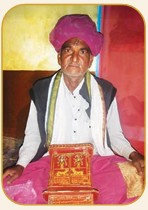
He says that earlier people believed in gyan-daan-bhagwan, and everyone would gather under a tree to listen to Kaavad Katha. For them, Kaavad was like a temple coming to them. People not only looked at God’s image but also listed to the wisdom hidden in the stories.
Kaavadiyas also maintained a book recording information about families in the neighbourhood, including people who were living, dead or newly born. This shows that the storytellers alsohad a social role in the community.
OTHER STORYTELLING TRADITIONS THROUGH PAINTINGS
The chapter also talks about storytelling through traditional paintings.
i. Phad Paintings – Rajasthan
Phad painting is a traditional scroll-painting art form of Rajasthan, India. It is closely connected with folk storytelling, music and performance. Traditionally, large painted cloth scrolls called phads were used by travelling storytellers to narrate stories of local folk deities and heroes.
History and Origin
Phad painting developed mainly in Rajasthan and has traditionally been associated with the Joshi community of artists, particularly the Bhilwara and Shahpura areas.
The paintings commonly depict stories connected with folk heroes and deities such as:
- Pabuji
- Devnarayan
The painted scroll acts almost like a visual storybook, allowing performers to show different scenes while narrating the story.
Features of Phad Paintings
1. Long Cloth Scroll
Phads are traditionally painted on a long piece of cloth, allowing many scenes to be presented together.
2. Storytelling
The paintings contain multiple characters and events from a story. The storyteller uses the images as a visual guide while performing.
3. Bright Colours
Traditional Phad paintings are known for their bold and vibrant colours. Red, yellow, orange, green, blue and black are commonly seen.
4. Flat Figures
Figures are generally presented in a stylised, two-dimensional manner rather than realistic perspective.
5. Detailed Composition
Different scenes are arranged across the same scroll. Important characters are often shown prominently so that the audience can identify them easily.
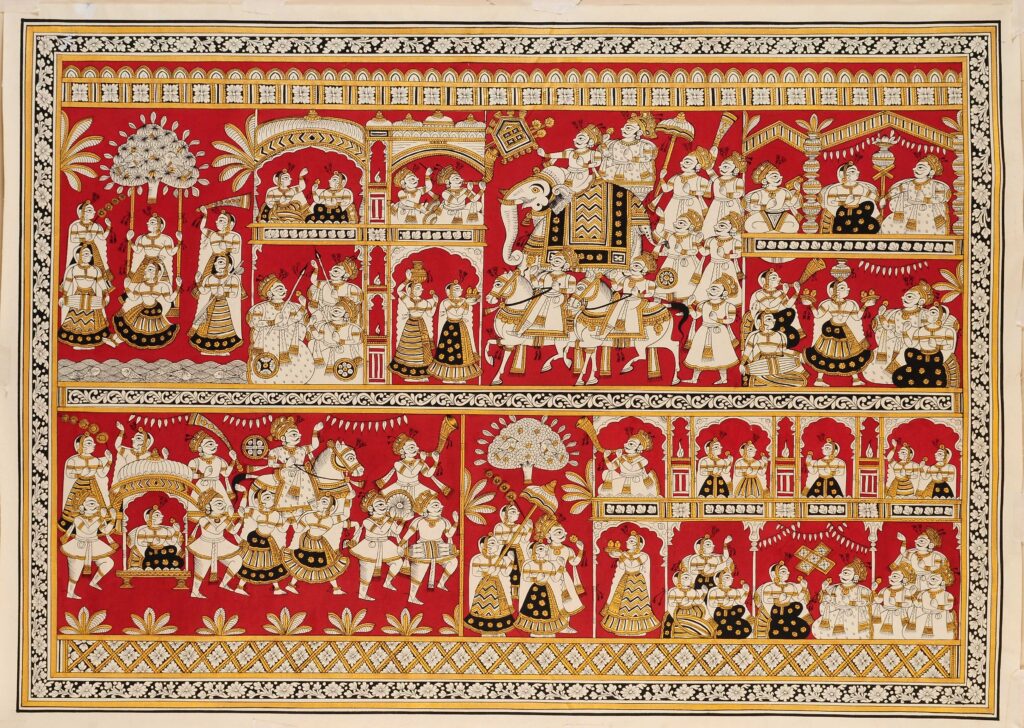
Phad paintings tell stories of:
- Puranas
- Kings
- Battles they fought
- Local deities like Pabuji and Devnarayan
ii. Thangka- Ladakh, Sikkim, Jammu, Kashmir and Arunachal Pradesh
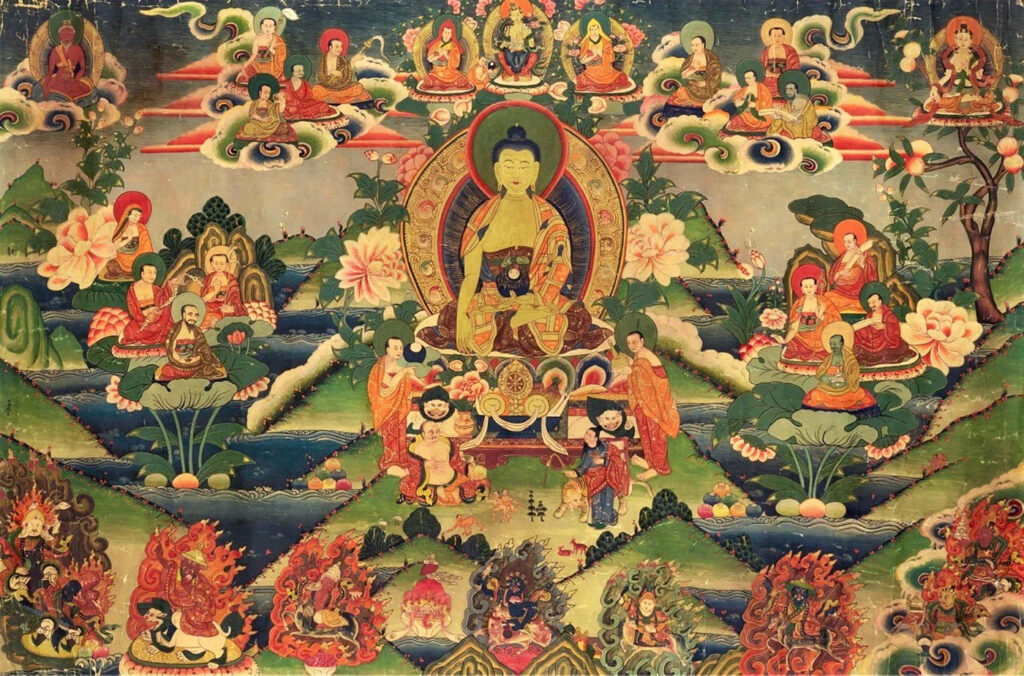
Thangka paintings tell stories from:
- Buddhist scriptures
- Events in the lives of saints
- Local folk stories
These forms show that in india, painting was not only for decoration but also for teaching and storytelling.
PROBLEMS FACED BY TRADITIONAL STORYTELLING ARTISTS TODAY
The chapter clearly says that though these storytelling traditions were once very popular, they are now slowly becoming rare.
The main problems are:
- Young people are not learning these traditions
- People spend more time on television and smartphones
- There are fewer listeners
- When storytellers disappear, the stories may disappear too
This is a serious concern because losing these traditions means losing a part of our heritage.
WHY STORYTELLING TRADITIONS MUST BE SAVED
The chapter explains that storytelling traditions are a treasure in tradition. They are oral traditons, meaning stories have been passed down by speaking and listening from one generation to another.
These traditions are important because:
- They spread stories like the Ramayana and Mahabharata
- They teach values for life
- Even people who cannot read or write can learn from them
- They keep our culture and traditions alive
- Oral tradition can survive even when books or digital data are destroyed
So the chapter encourages children to learn a storytelling style and help carry the tradition forward.
LEARNING ACTIVITIES IN THE CHAPTER
The chapter also includes activities to make students creative.
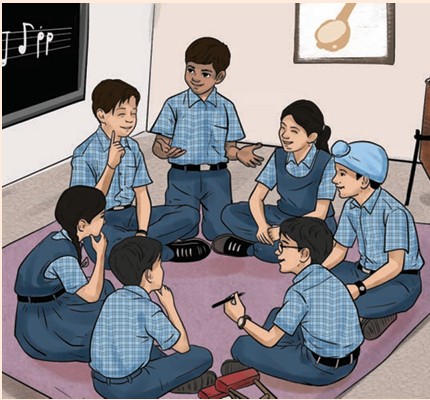
Circle Time
Students are asked:
- how they would create a new storytelling form
- What they would do to save these art forms if they were in the government
Become a storyteller
Students are encouraged to:
- Connect pictures to form their own story
- Narrate in a unique way
- Use sing-song style, dance steps or songs
- Use rhyming words
- Present the story before the class and share feedback
These activities help students understand storytelling by doing it themselves
IMPORTANT POINTS TO REMEMBER
- Storytelling in India is a rich cultural tradition.
- It became more attractive with the use of music, dance, pictures and puppets.
- Harikathe is a southern storylling tradition based on songs and dance.
- Kaavad Katha is a picture- based storytelling tradition of Rajasthan.
- Phad and Thangka paintings also tell stories.
- These traditions are in danger because fewer young people are learning them.
- Storytelling traditions are preserve culture, values and heritage.
SUMMARY
Story of India’s Storytelling Traditions explains the beauty and importance of India’s traditional storytelling forms. Through the character of Kathanjali, the chapter tells us how storytelling began as a way to share values and knowledge with people. Over time, storytelling became more interesting with the use of pictures, music, dance and puppets.
The chapter describes Harikathe, a storytelling tradition of south India, in which stories of Lord Hari are told through songs and dance. It also introduces Gururajulu Naidu, a great Harikathe artist who made this art form more suitable for modern audiences.
It then discuss Kaavad Katha of Rajasthan, where storytelling use a painted wooden box to narrate stories from scriptures and moral tales. The chapter also mentions Khojaram ji, one of the few surviving kaavadiyas. In addition, it talk about Phad and Thangka paintings as forms of visual storytelling.
Finally, the chapter highlights the problems faced by traditional storytellers today. Because of television, smartphones and lack of interest among young people, these art forms are slowly disappearing. The lesson teaches that storytelling traditions are precious because they preserve values, culture and oral heritage. Therefore , we should respect, learn and protect them.